
Walk down any street in a city—old or new—and you'll notice something subtle but powerful: some buildings feel like stories, while others feel like a jumble of words. The difference often lies in what we call architectural thread —the invisible (or sometimes visible) element that weaves a building's design into a cohesive narrative. It's the reason a historic district feels timeless, why a modern museum feels intentional, and how a community center feels like an extension of the people who use it. Today, we're diving into what architectural thread really means, and how innovative materials—specifically Modified Composite Materials (MCM)—are helping designers craft this narrative with unprecedented precision and heart.
At its core, architectural thread is the unifying story that runs through a building's design. It's not just about matching colors or repeating shapes (though those help); it's about creating a consistent emotional and functional experience. Think of it as the "voice" of a space—whether it whispers "heritage," shouts "innovation," or hums "comfort." A building without architectural thread can feel disjointed, like a book with chapters from different stories. But with it? It becomes a journey, guiding visitors through a sequence of feelings and observations that feel intentional, meaningful, and even personal.
Architectural thread manifests in small details and grand gestures alike. It might be the way a lobby's floor pattern echoes the city's skyline outside, or how a hospital's wall texture softens as you move from bustling waiting areas to quiet patient rooms. It's about continuity—between indoor and outdoor spaces, between past and present, between form and function. And in today's world, where buildings are expected to do more than just "be buildings" (they need to inspire, connect, and endure), architectural thread has become the backbone of memorable design.
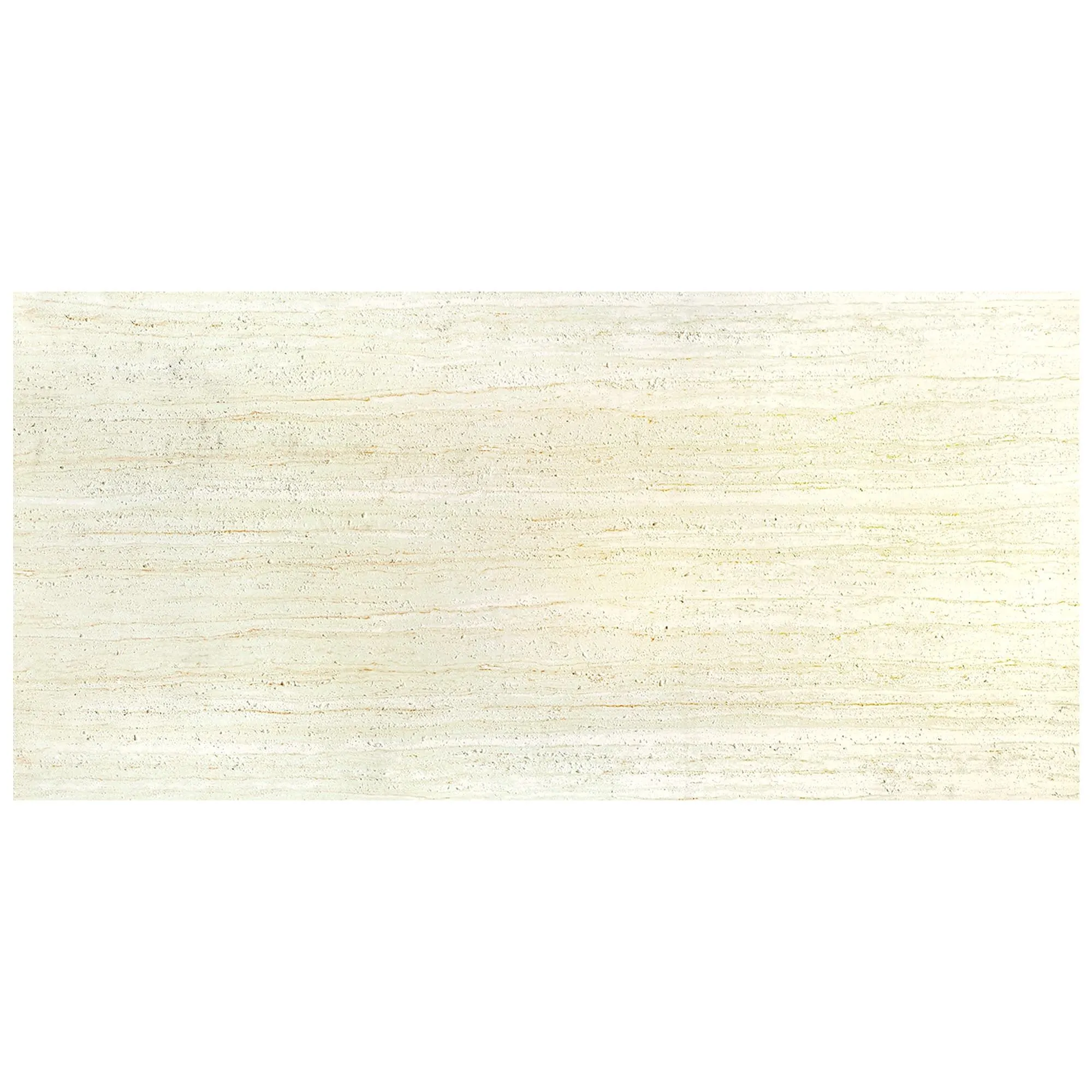
To craft a strong architectural thread, designers need materials that can keep up with their vision. Enter Modified Composite Materials (MCM)—a class of lightweight, durable, and hyper-versatile materials that blend the best of natural elements (like stone, wood, and metal) with modern engineering. Unlike traditional materials, MCM isn't limited by the constraints of nature: it can mimic the look of ancient travertine without the weight, replicate the warmth of wood without the maintenance, or achieve metallic sheens that age gracefully over time. This flexibility makes MCM the perfect partner for architectural thread—allowing designers to repeat textures, colors, and patterns across a building's exterior, interior, and even furniture, creating a seamless story.
But MCM isn't just about practicality. It's about emotion, too. Many MCM products are designed to evoke specific feelings: the rough-hewn charm of a mountain cabin, the sleek precision of a spaceship, the weathered character of a coastal town. When used intentionally, these materials don't just decorate a space—they narrate it. Let's explore five standout MCM materials and how they're helping designers weave unforgettable architectural threads.
Travertine (Starry Green)
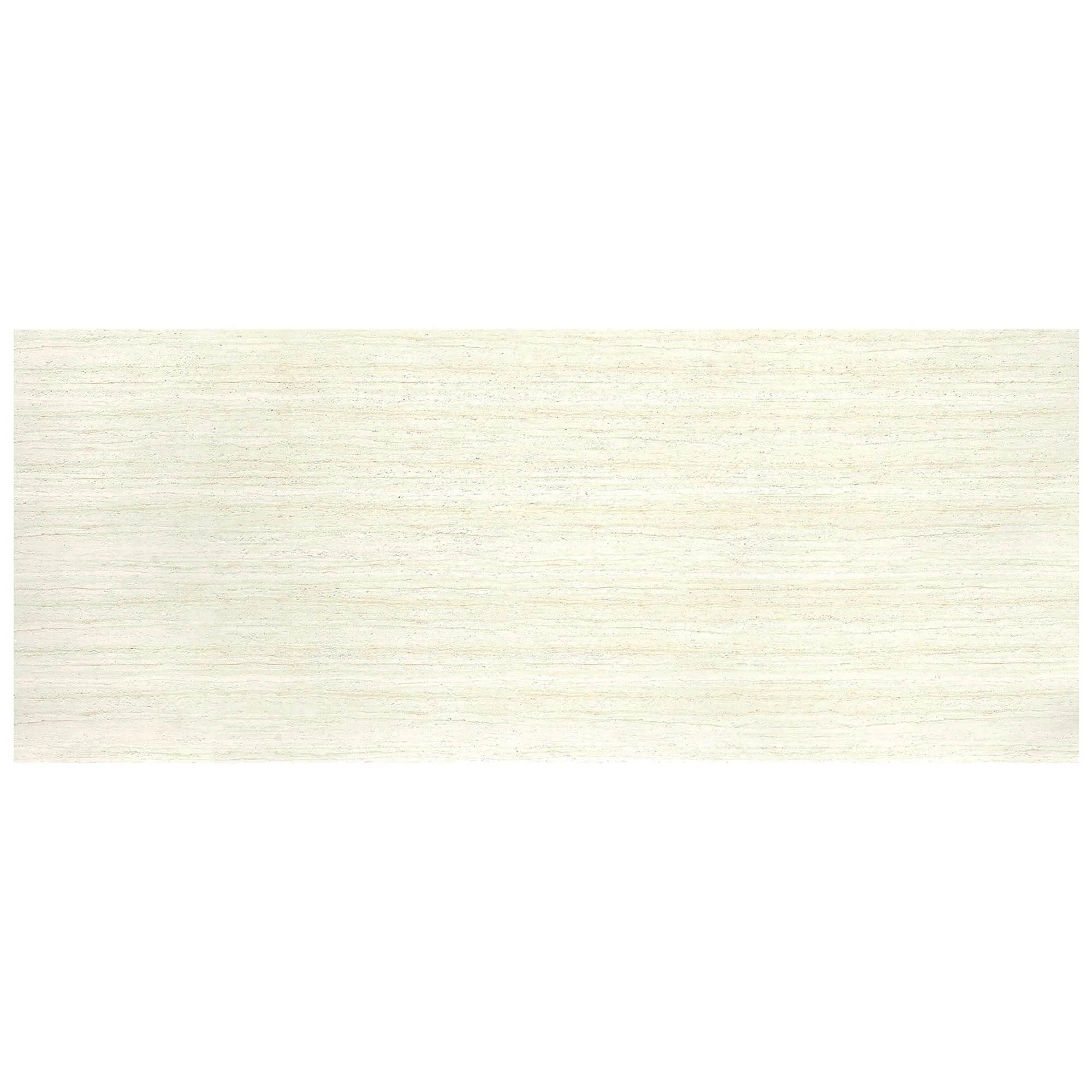
Imagine standing in a city plaza surrounded by glass skyscrapers, then turning a corner to find a community center wrapped in a material that feels like a forest floor at dusk. That's the magic of travertine (starry green)—a MCM that captures the organic, pitted texture of natural travertine, but with a twist: tiny, iridescent flecks that catch the light like stars in a darkening sky. Its muted green base feels earthy and grounding, while the "starry" accents add a touch of wonder—making it perfect for spaces that aim to bridge urban life with nature's calm.
If travertine (starry green) is nature's storyteller, lunar peak silvery is the futurist's dream. This MCM material mimics the look of polished moonstone, with a cool, metallic sheen that shifts from bright silver to soft gray depending on the light. Its surface is smooth but not sterile—with subtle, crater-like textures that evoke the moon's rugged landscape. It's bold without being brash, modern without feeling cold, making it ideal for buildings that want to whisper "innovation" without shouting "unapproachable."
Foamed Aluminium Alloy Board (Vintage Silver)
Not all architectural threads look forward—some look back, honoring history while embracing the present. Foamed aluminium alloy board in vintage silver does exactly that. This MCM material has a matte, slightly weathered finish that mimics the patina of old factory metal, but with the durability of modern alloy. It's lightweight (so it won't weigh down historic structures) and resistant to rust (so it won't degrade over time). The result? A material that feels like a nod to the past without feeling stuck in it—perfect for adaptive reuse projects or new builds in historic districts.
Sometimes, the strongest architectural threads are the quietest. Fair-faced concrete—also known as "exposed concrete"—is a MCM material that celebrates raw, unadorned texture. Unlike polished concrete, it retains the natural marks of its formwork: tiny bubbles, subtle seams, and a matte, earthy finish. It's honest, resilient, and surprisingly warm—evoking a sense of "what you see is what you get." For buildings that aim to feel approachable, durable, and grounded, fair-faced concrete is the ultimate thread.
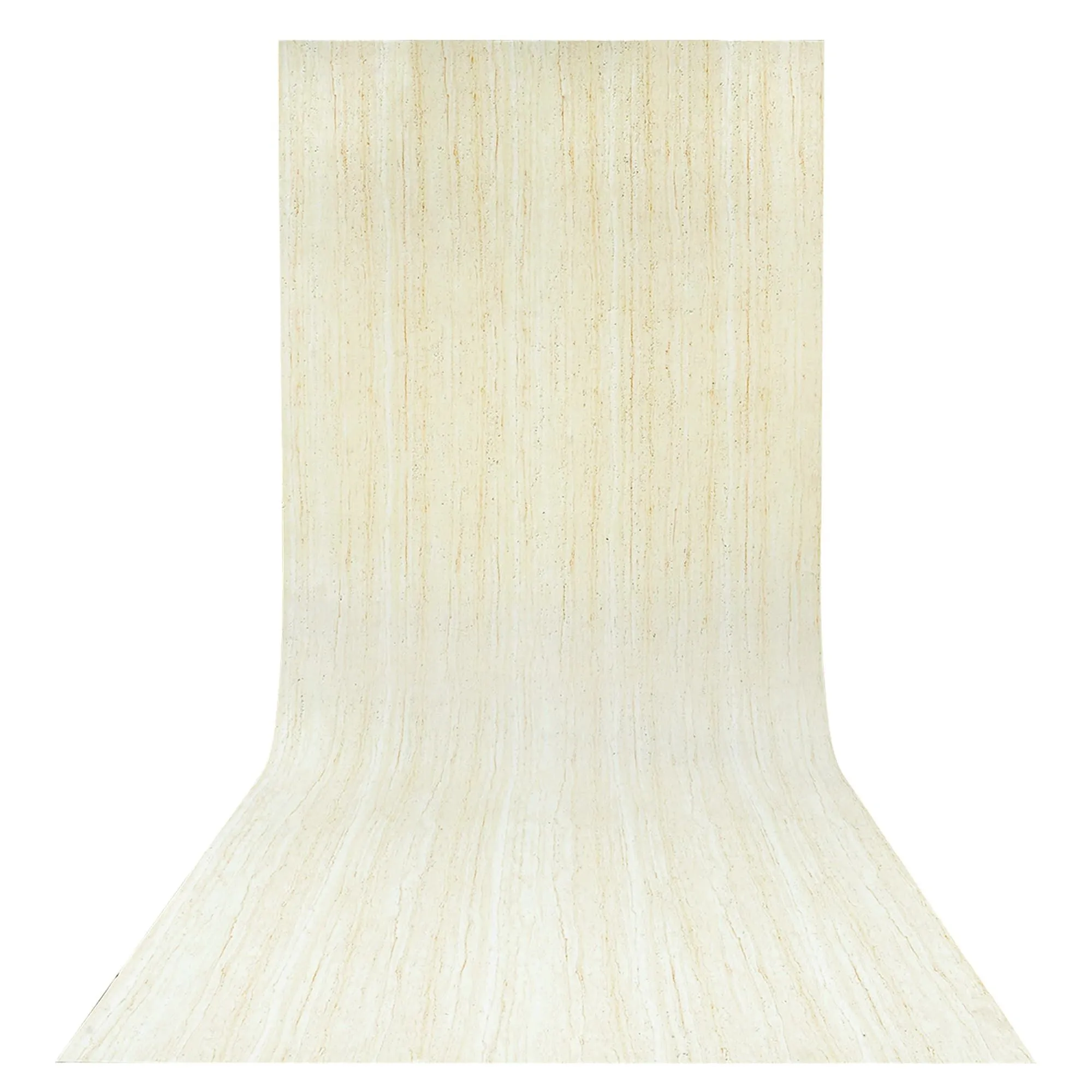
Finally, we can't talk about architectural thread without mentioning warmth—and nothing brings warmth like wood. But natural wood has limits: it warps, fades, and requires constant upkeep. Wood grain board, an MCM material, solves that. It replicates the look and texture of real wood (from oak to teak to reclaimed barnwood) but is made from composite materials that resist moisture, pests, and fading. It's versatile enough to use on exteriors (siding, decking) and interiors (walls, ceilings, furniture), making it a go-to for creating a cohesive "natural" thread across a building.
| Material | Texture & Vibe | Best For | Architectural Thread Contribution |
|---|---|---|---|
| Travertine (Starry Green) | Organic, pitted surface with iridescent green flecks; earthy and calming. | Community spaces, parks, nature-centric buildings. | Connects design to natural landscapes; evokes tranquility and rootedness. |
| Lunar Peak Silvery | Smooth, metallic surface with subtle crater-like textures; futuristic and sleek. | Tech hubs, museums, innovation centers. | Signals progress and wonder; bridges modernity with approachability. |
| Foamed Aluminium Alloy (Vintage Silver) | Matte, weathered finish; industrial-chic with a nostalgic edge. | Adaptive reuse projects, historic districts, lofts. | Honors past while embracing present; adds character without sacrificing durability. |
| Fair-Faced Concrete | Raw, unpolished texture with natural formwork marks; honest and resilient. | Community centers, schools, public buildings. | Conveys stability and trust; feels "built to last" and unpretentious. |
| Wood Grain Board | Warm, textured surface mimicking real wood; cozy and inviting. | Hotels, homes, indoor-outdoor spaces. | Creates continuity between interior/exterior; evokes comfort and connection to nature. |
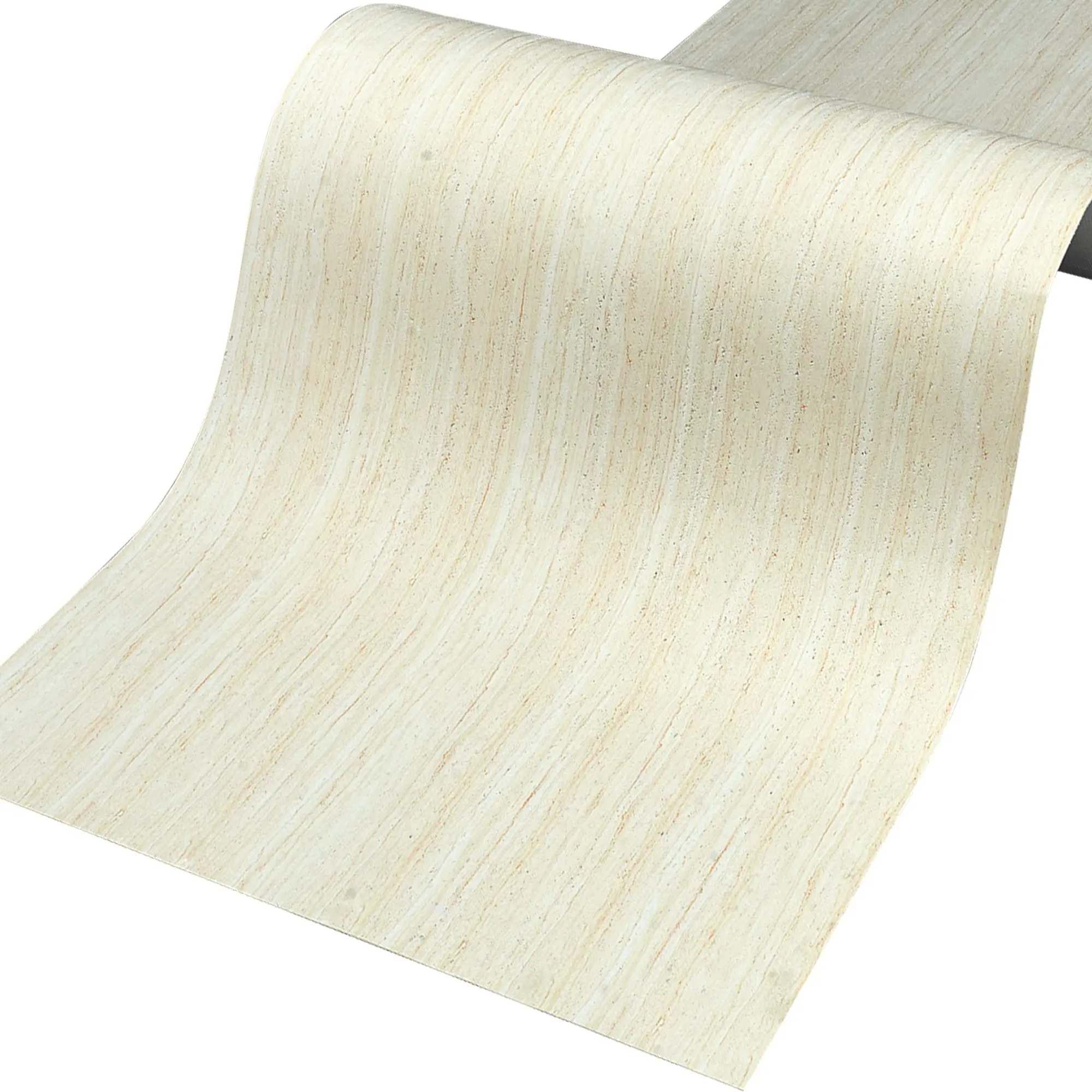
At the end of the day, architectural thread isn't just about making buildings look "nice"—it's about making people feel like they belong. A school with a clear architectural thread (say, using wood grain board to evoke warmth) might make students feel more at ease. A hospital with a thread of calm (travertine, soft lighting) could reduce anxiety for patients. A city hall with a thread of heritage (vintage aluminium) might make residents feel proud of their community's story.
And with MCM materials, designers now have more tools than ever to craft these threads with intention. Whether they're leaning into nature, nostalgia, innovation, or honesty, MCM lets them repeat textures, colors, and stories across a building—turning a collection of walls, floors, and ceilings into a narrative that feels personal, purposeful, and profoundly human.
So the next time you walk through a space that feels "right," take a closer look. Chances are, you're experiencing the power of architectural thread—woven, often invisibly, into every detail. And behind that thread? Materials that don't just build buildings—they build stories.
Recommend Products












