

In the world of architecture and design, materials are more than just building blocks—they are storytellers. They shape the mood of a space, influence how we interact with our surroundings, and leave lasting impressions on anyone who steps inside. Among the myriad options available to modern designers, one material has been quietly gaining attention for its ability to blend nature's organic beauty with human craftsmanship: Bali Stone. Whether gracing the walls of a coastal villa, the facade of a boutique hotel, or the floors of a minimalist home, Bali Stone brings a unique warmth and texture that feels both timeless and contemporary. But what exactly is Bali Stone, and what sets it apart from other popular materials like MCM flexible stone or fair-faced concrete? Let's dive in and explore.
Bali Stone, at its core, is a composite material designed to mimic the look and feel of natural stone—specifically, the weathered, sun-kissed stones found on the beaches and cliffs of Bali. Unlike raw natural stone, which is quarried directly from the earth, Bali Stone is crafted through a meticulous process that combines natural aggregates (like crushed stone, sand, and minerals) with a polymer resin binder. This blend results in a material that retains the aesthetic charm of natural stone while offering enhanced durability and flexibility.
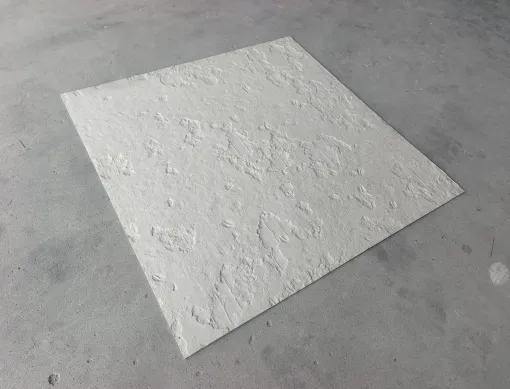
The manufacturing process begins with selecting high-quality aggregates, often sourced from riverbeds or quarries known for their unique color variations and textures. These aggregates are then mixed with a resin that acts as both a binder and a protective layer, ensuring the final product is resistant to water, UV rays, and everyday wear and tear. The mixture is poured into molds that replicate the irregular, organic patterns of natural stone—think gentle undulations, subtle pitting, and soft color gradients that evoke the look of stone worn smooth by wind and water over centuries.
What truly distinguishes Bali Stone, however, is its attention to detail. Artisans often hand-finish each piece, adding subtle variations in texture and color that make every slab feel one-of-a-kind. This human touch ensures that no two panels of Bali Stone are identical, giving spaces a sense of authenticity that's hard to replicate with mass-produced materials.
To understand why Bali Stone has become a favorite among architects and interior designers, let's break down its most notable characteristics:
Bali Stone's greatest strength lies in its aesthetic range. It comes in a spectrum of colors, from warm beiges and soft terracottas to deep grays and muted greens, each inspired by the natural landscapes of Bali. The texture, too, is highly variable—some slabs feature smooth, almost polished surfaces that reflect light gently, while others boast rough, pitted finishes that add depth and tactile interest. This versatility makes it suitable for a wide range of design styles, from bohemian beach houses to sleek, modern offices.
Natural stone is renowned for its durability, but it's also heavy—often requiring reinforced structures to support its weight. Bali Stone solves this problem by offering the best of both worlds: it's lightweight (thanks to its resin binder) yet incredibly strong. It resists cracking, chipping, and fading, making it ideal for high-traffic areas like hallways, kitchens, and outdoor patios. Unlike materials such as wood grain board, which can warp or rot in humid climates, Bali Stone holds up well in moisture-rich environments, making it a popular choice for coastal properties.
In an era where sustainability is a top priority, Bali Stone stands out for its green credentials. The manufacturing process uses minimal water and energy compared to traditional stone quarrying, and many producers incorporate recycled aggregates into their mixes. Additionally, because it's lightweight, transporting Bali Stone generates fewer carbon emissions than hauling heavy natural stone slabs. For designers aiming to create LEED-certified or eco-conscious spaces, Bali Stone offers a responsible alternative to materials like travertine (beige), which often requires extensive processing and transportation.
Unlike natural stone, which requires specialized tools and skilled labor to cut and install, Bali Stone is designed for ease. Its lightweight nature means it can be mounted on a variety of surfaces without the need for structural reinforcement, and it can be cut to size with standard tools. Maintenance is equally straightforward: a quick wipe with a damp cloth is usually enough to keep it looking fresh, and it doesn't require sealing or polishing like some natural stones. This low-maintenance profile makes it a practical choice for busy homeowners and commercial spaces alike.
To better understand Bali Stone's place in the design world, let's compare it to two other widely used materials: MCM flexible stone and fair-faced concrete. The table below highlights key differences in composition, durability, aesthetics, and applications:
| Feature | Bali Stone | MCM Flexible Stone | Fair-Faced Concrete |
|---|---|---|---|
| Composition | Natural aggregates + polymer resin binder | Natural stone veneer + fiberglass mesh backing | Concrete with minimal finishing (exposed aggregate or smooth) |
| Durability | High resistance to water, UV rays, and impact; suitable for indoor/outdoor use | Flexible but less impact-resistant; best for low-traffic indoor walls | Extremely durable but prone to staining; requires sealing for outdoor use |
| Aesthetic | Organic, weathered stone look with soft color gradients and texture | Sleek, uniform stone veneer with precise edges | Industrial, minimalist look with visible pores and subtle color variations |
| Applications | Walls, floors, outdoor patios, facades, countertops | Accent walls, backsplashes, furniture surfaces | Structural walls, floors, outdoor hardscaping, industrial-style interiors |
| Sustainability | Recycled aggregates, low carbon footprint in transportation | Lightweight (reduced transport emissions) but limited recycled content | High embodied carbon; requires energy-intensive production |
As the table shows, Bali Stone offers a balanced mix of durability, aesthetics, and sustainability that sets it apart. While MCM flexible stone excels in flexibility and precision, it lacks the robustness for high-traffic areas. Fair-faced concrete, on the other hand, is prized for its industrial chic but can feel cold and unwelcoming in residential spaces—something Bali Stone avoids with its warm, organic texture.
Bali Stone's versatility makes it suitable for nearly any space, but there are a few applications where it truly shines:
In homes, Bali Stone adds character to living rooms, bedrooms, and kitchens. Imagine a bedroom with a feature wall clad in soft beige Bali Stone, its texture complementing wooden furniture and linen textiles to create a cozy, retreat-like atmosphere. In kitchens, it works beautifully as a backsplash, offering a heat-resistant surface that adds visual interest without overwhelming the space. Outdoor areas like patios and pool surrounds also benefit from Bali Stone's slip-resistant texture and weather resistance—perfect for bare feet and rainy days.
Boutique hotels, restaurants, and retail stores are increasingly turning to Bali Stone to create memorable customer experiences. A beachfront restaurant might use Bali Stone for its exterior facade, where its weathered look blends seamlessly with the surrounding sand and sea. A high-end boutique could line its walls with Bali Stone in deep gray tones, creating a sophisticated backdrop for clothing displays. Even offices are embracing Bali Stone, using it in lobbies and breakout areas to add warmth to otherwise sterile environments.
Bali Stone's ability to evoke a sense of history and timelessness makes it a popular choice for cultural centers, museums, and public plazas. For example, a community center might use Bali Stone in its design to honor local heritage, with the material's organic texture symbolizing the region's connection to the land. Public parks and walkways also benefit from Bali Stone's durability, as it can withstand heavy foot traffic while maintaining its beauty for years to come.
Beyond its practical benefits, Bali Stone has a profound emotional impact on those who interact with it. Its weathered texture and earthy tones create a sense of calm and groundedness, making spaces feel more inviting and connected to nature. In a world dominated by sleek, synthetic materials, Bali Stone offers a tactile reminder of the beauty in imperfection—the way natural stone ages gracefully, gaining character over time.
Architects and designers often speak of Bali Stone's ability to "soften" a space. Unlike the cold, clinical look of polished concrete or the uniformity of wood grain board, Bali Stone has a living quality—as if the material itself is breathing. This quality is especially valuable in healthcare settings, where creating a calming environment can aid in patient recovery, or in schools, where warm, natural materials can help reduce stress and improve focus.
Consider the words of Maria Gomez, a renowned interior designer based in Bali: "Bali Stone isn't just a material—it's a collaborator. It works with light, shadow, and texture to create spaces that feel alive. When I use it in a project, I'm not just building a wall or a floor; I'm creating an experience. Clients often tell me that their Bali Stone spaces feel 'like home' from the moment they step inside, and I think that's because the material carries the essence of nature's warmth."
In a market flooded with design materials, Bali Stone stands out as a versatile, durable, and emotionally resonant option. Its unique blend of natural beauty and human craftsmanship makes it suitable for everything from cozy homes to grand public spaces, while its eco-friendly credentials and easy maintenance appeal to practical-minded designers and homeowners alike.
Whether you're renovating a beachfront villa, designing a boutique hotel, or simply looking to add warmth to your living room, Bali Stone offers a solution that marries form and function. It's a material that honors the past while embracing the future—a reminder that the best design is not just about how something looks, but how it makes us feel.
So the next time you're exploring material options for a project, take a moment to consider Bali Stone. Let its texture, color, and character inspire you—and discover how this remarkable material can transform your space into something truly unforgettable.
Recommend Products












