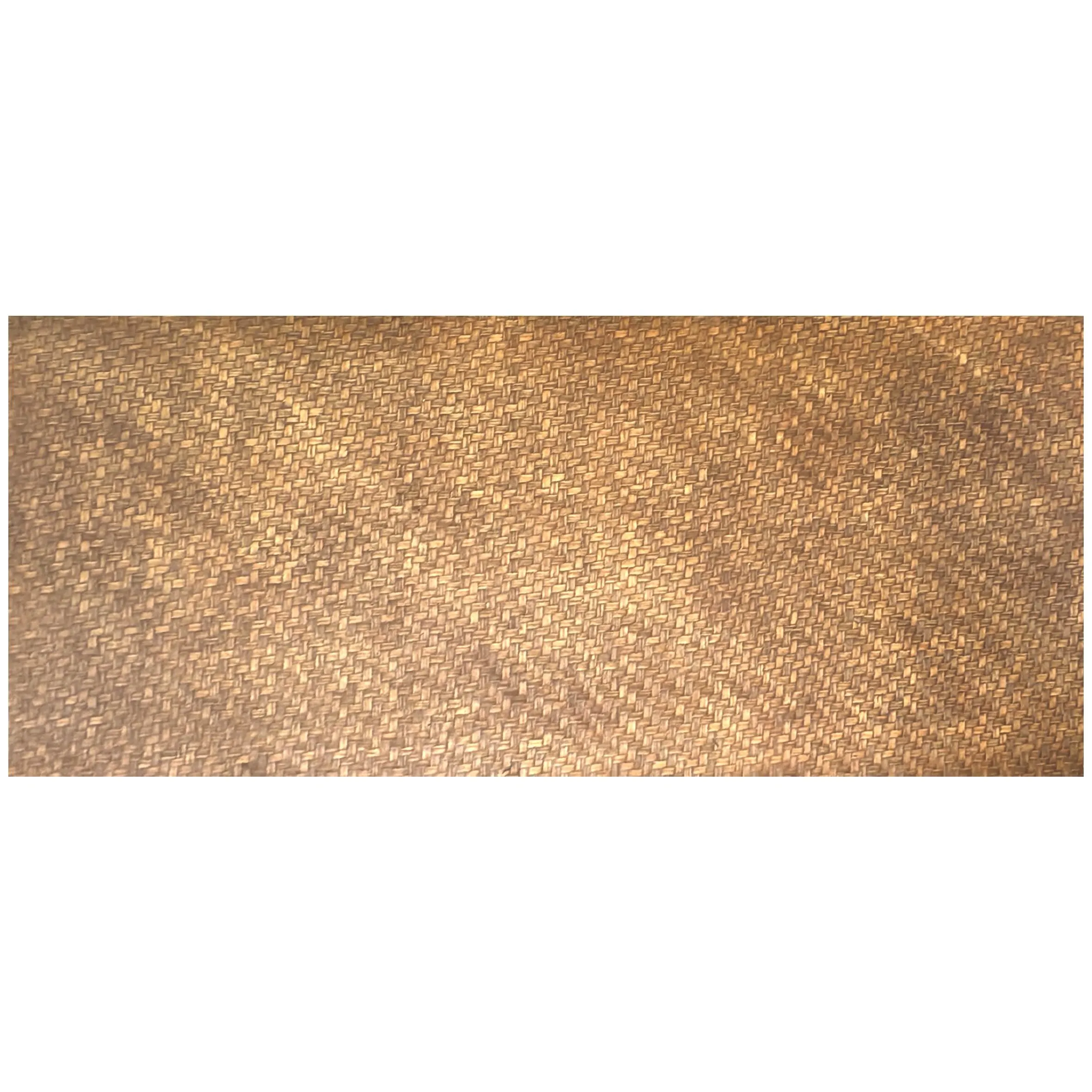
In the world of architecture and interior design, materials are more than just building blocks—they're storytellers. They shape how we experience spaces, evoke emotions, and even reflect our values. As homeowners, designers, and builders increasingly seek balance between aesthetics, durability, and sustainability, a new star has risen in the material landscape:
Bamboo Mat Board. You might have seen it in a trendy restaurant's accent wall, a boutique hotel's lobby, or even a friend's modern home renovation, but what exactly is it? Why is it gaining traction, and how can it transform your next project? Let's dive in.
Defining the Material: More Than Just "Bamboo"
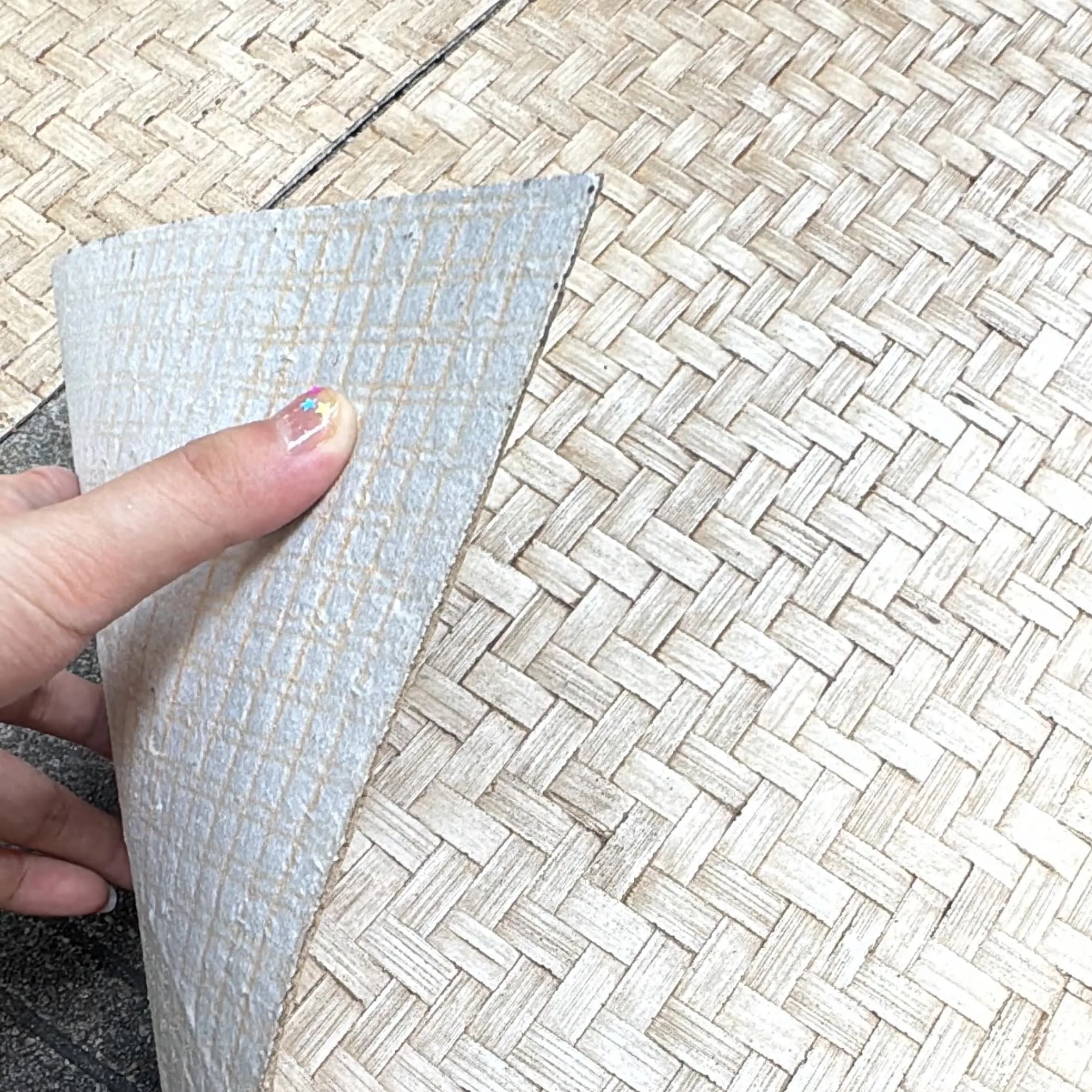
Bamboo Mat Board is a composite building material designed to mimic the organic texture and warmth of traditional bamboo mats, but with a modern twist. Unlike raw bamboo planks or mats, which can be prone to warping, splitting, or insect damage,
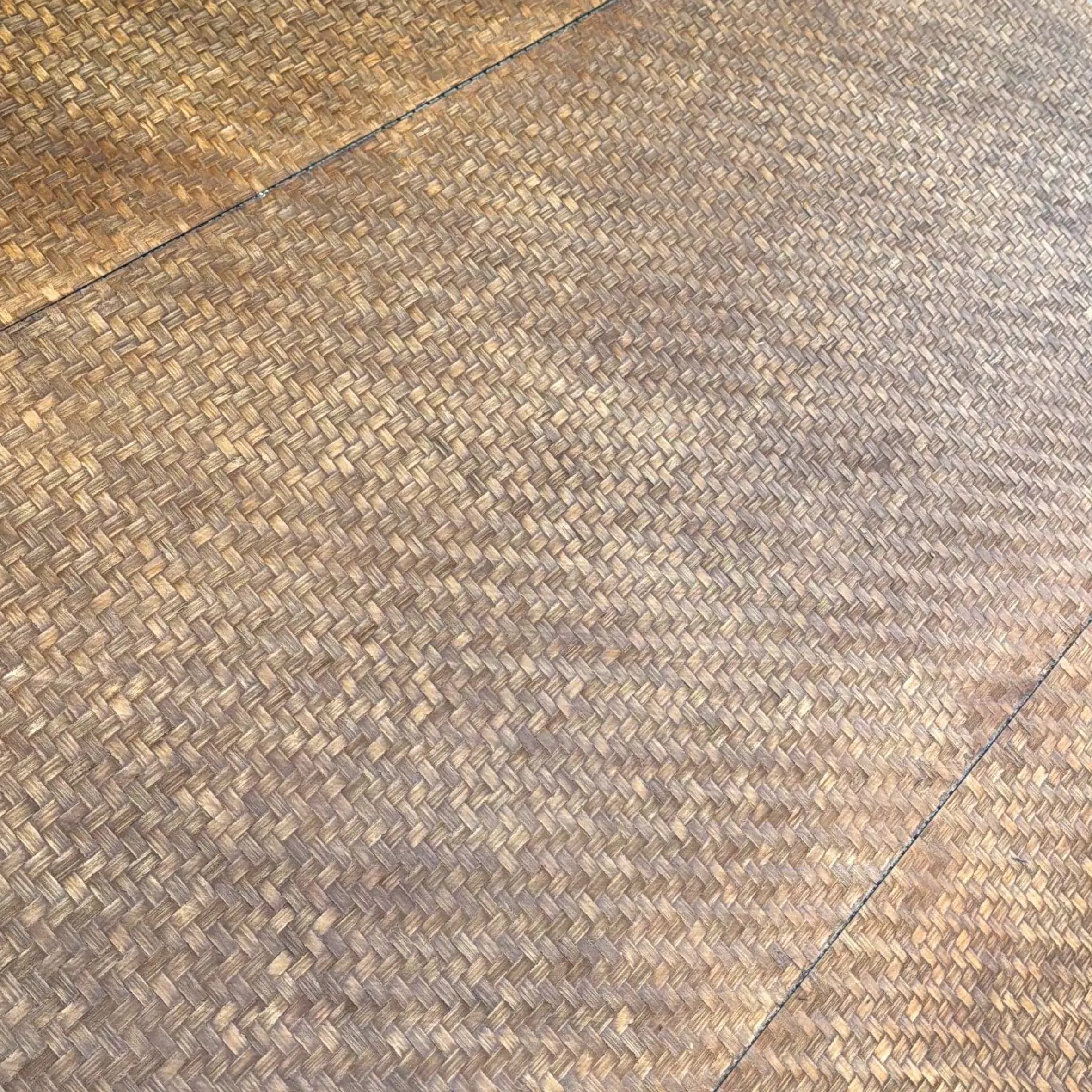
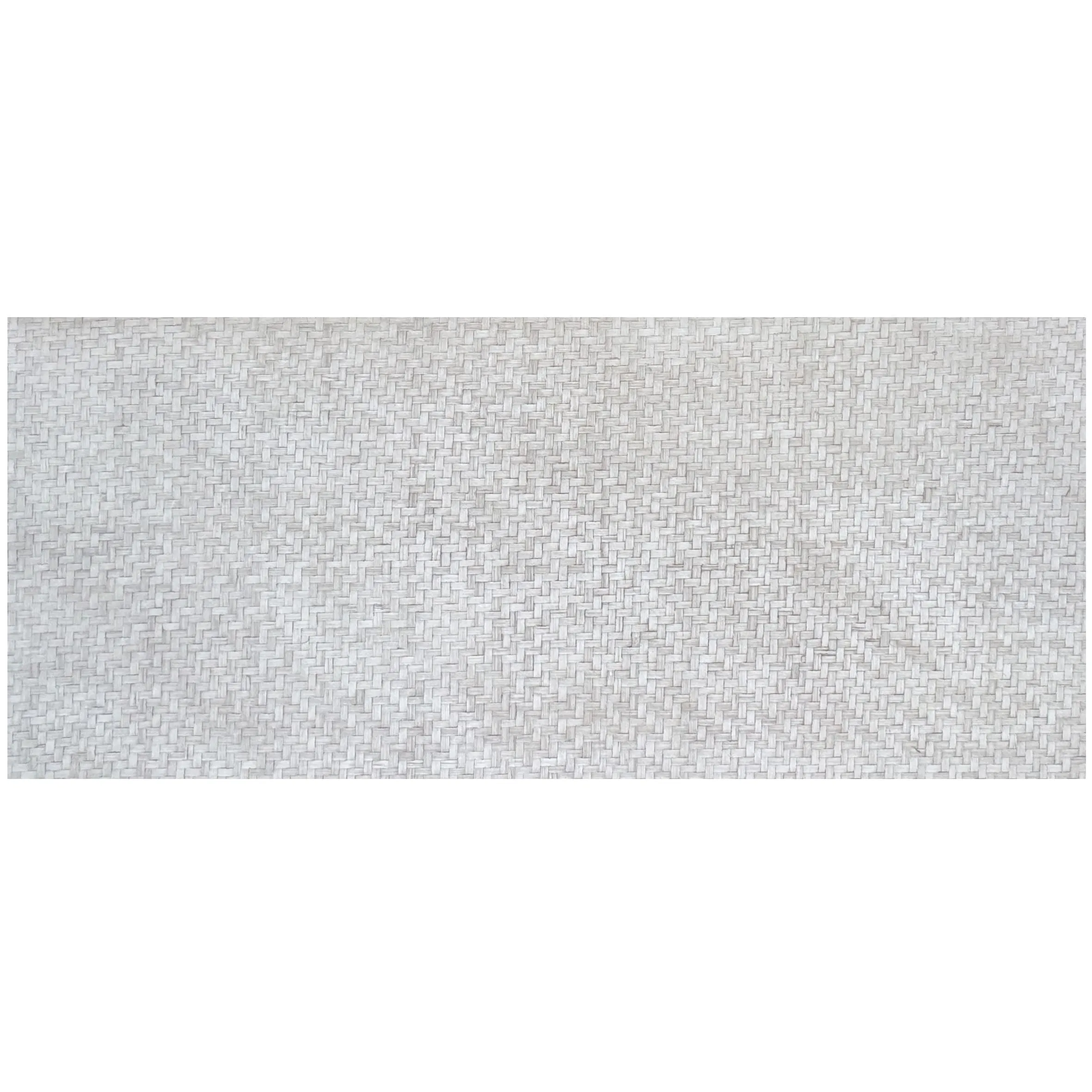
Bamboo Mat Board is engineered for performance. It's crafted by blending natural bamboo fibers with eco-friendly resins and binders, resulting in a sheet material that's flexible, lightweight, and surprisingly durable. Think of it as nature meets innovation: it the visual charm of handwoven bamboo—those subtle ridges, earthy tones, and soft grain patterns—while adding the resilience needed for today's high-traffic, high-moisture environments.
The Making of Bamboo Mat Board: From Forest to Finish
The journey of
Bamboo Mat Board starts with sustainable sourcing. Most manufacturers use bamboo harvested from FSC-certified forests, where plants are grown without harmful pesticides and replanted to ensure ecological balance. Bamboo is an ideal raw material here: it's one of the fastest-growing plants on Earth, maturing in just 3–5 years (compared to decades for hardwoods), and it absorbs more carbon dioxide than many trees. Once harvested, the bamboo is stripped into fibers, which are then cleaned, dried, and processed into a pulp-like consistency. This pulp is mixed with water-based, low-VOC resins—often derived from plant-based materials—to bind the fibers together. The mixture is then pressed into large sheets under controlled heat and pressure, which activates the resin and fuses the fibers into a solid, cohesive board. Finally, the boards are sanded, sealed, or textured to enhance their bamboo mat appearance, resulting in a product that looks and feels remarkably natural, but performs like a modern engineered material.
What makes
Bamboo Mat Board more than just a pretty face? Let's break down its standout features:
Flexibility: Bending Without Breaking
One of its most impressive traits is flexibility. Unlike rigid materials such as
fair-faced concrete or solid wood planks,
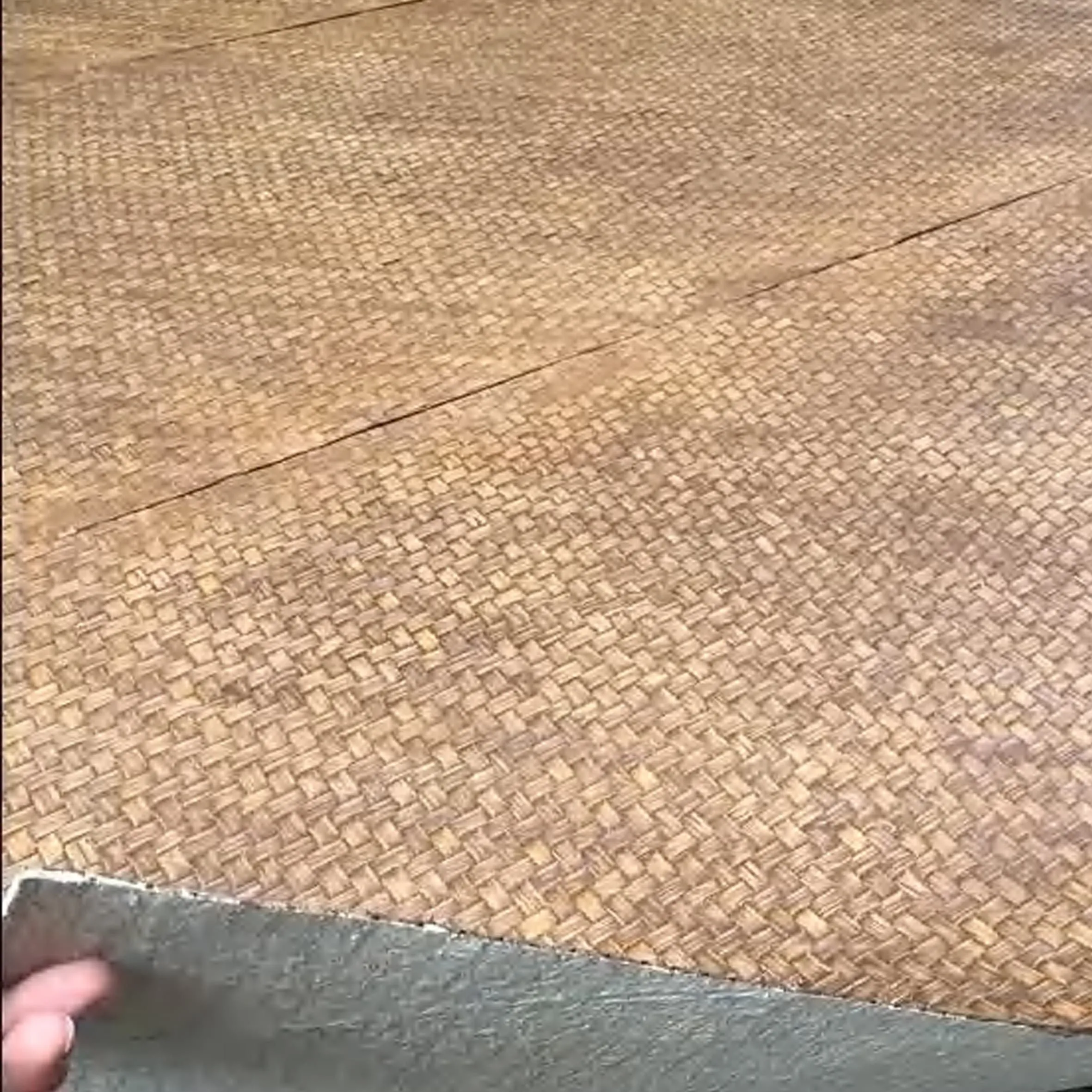
Bamboo Mat Board can bend slightly without cracking, making it ideal for curved walls, rounded columns, or custom-shaped furniture. Imagine a home theater with a curved accent wall that wraps around the seating area—
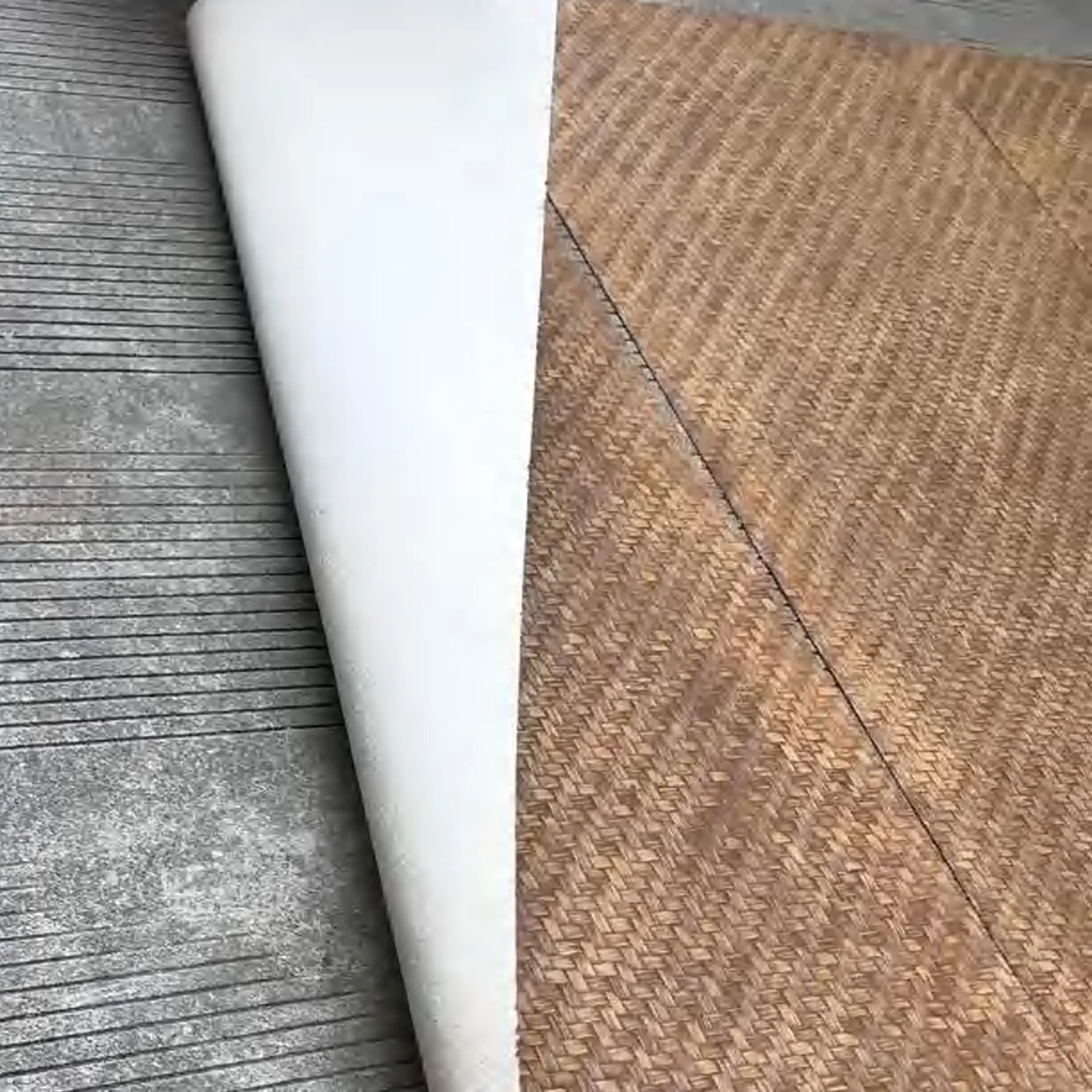
Bamboo Mat Board can follow those contours seamlessly, creating a sense of flow that rigid materials can't match. This flexibility also simplifies installation: it can be cut with standard tools, nailed, glued, or screwed into place, reducing labor time and costs.
Durability: Built to Last (Even in Tough Spaces)
Don't let its lightweight feel fool you—
Bamboo Mat Board is tough. The resin binding gives it resistance to moisture, which is a game-changer for bathrooms, kitchens, or outdoor covered patios. Unlike natural bamboo, which can swell or rot in humid conditions, this engineered version holds up to splashes, steam, and even light rain. It's also scratch-resistant (good news for homes with kids or pets) and UV-stable, so colors won't fade when exposed to sunlight—perfect for sunrooms or exterior cladding in shaded areas.
Aesthetics: Warmth Meets Versatility
At its core,
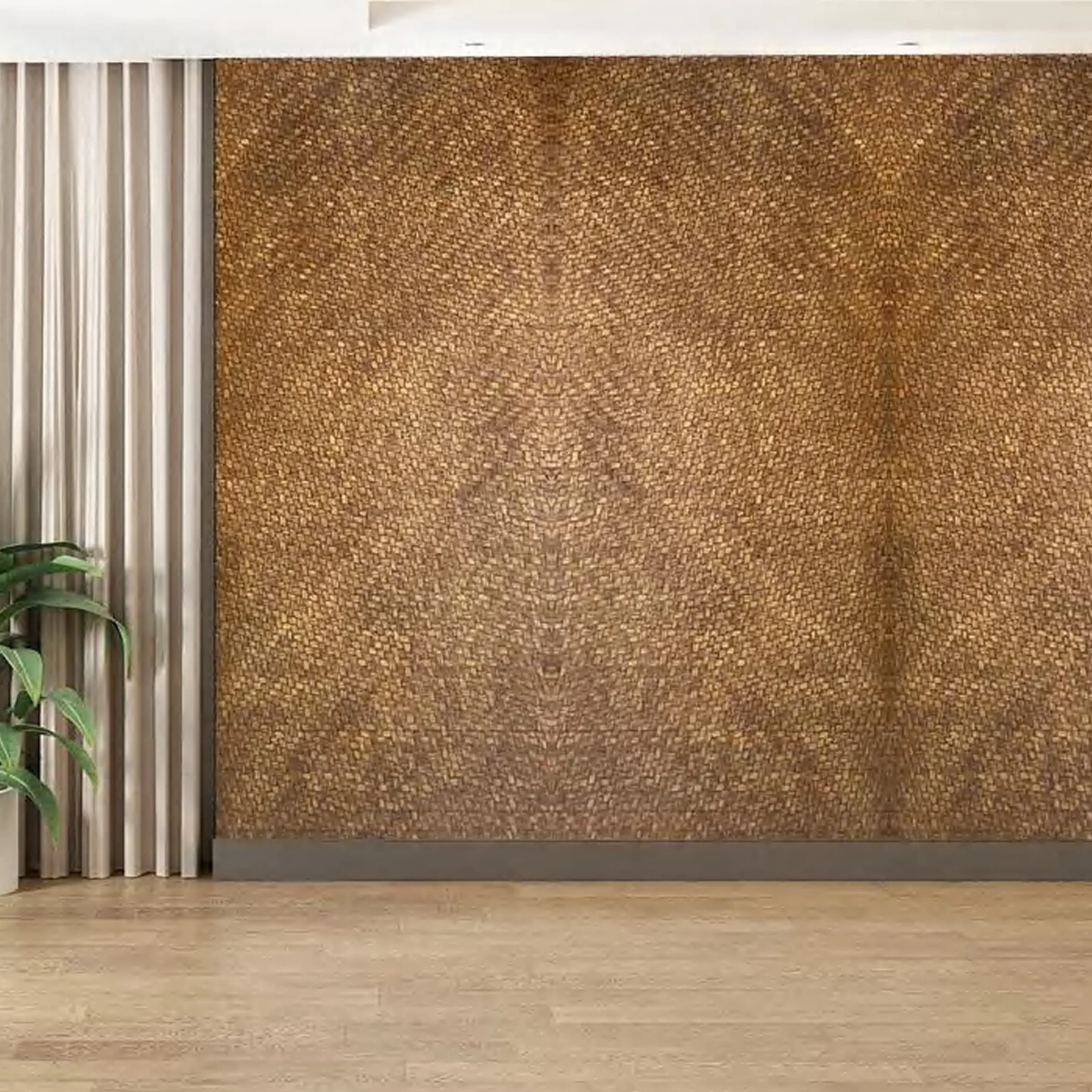
Bamboo Mat Board is a design tool. Its surface mimics the look of handwoven bamboo mats, with variations in tone (from pale straw to deep amber) and texture (subtle ridges that catch the light). This natural aesthetic pairs beautifully with other materials: it softens the industrial edge of metal fixtures, complements the warmth of
wood grain board, and adds depth to minimalist spaces dominated by neutral colors. Whether you're going for a bohemian vibe, a tropical retreat, or a Scandinavian-inspired interior,
Bamboo Mat Board adapts—making it a favorite among designers who value versatility.
Sustainability: A Green Choice for Conscious Builders
In an era where "sustainable" is more than a buzzword,
Bamboo Mat Board delivers. Bamboo itself is a renewable resource, and the manufacturing process minimizes waste: leftover fibers are often recycled into other products, and many brands use water-based resins that emit fewer harmful chemicals than traditional adhesives. Plus, because it's a composite, it reduces reliance on solid wood, helping to preserve forests. For LEED-certified projects or eco-conscious homeowners, this is a material that aligns with both style and values.
Bamboo Mat Board vs. the Competition: How It Compares
To truly understand
Bamboo Mat Board's value, it helps to see how it stacks up against other popular materials. Let's compare it to four alternatives:
Wood Grain Board,
MCM Flexible Stone,
Bali Stone, and
Fair-Faced Concrete.
|
Material
|
Composition
|
Flexibility
|
Weight
|
Aesthetic
|
Best For
|
Sustainability
|
|
Bamboo Mat Board
|
Bamboo fibers + eco-resins
|
High (bends up to 5° without cracking)
|
Light (5–7 lbs/sq ft)
|
Woven bamboo texture, earthy tones
|
Accent walls, curved surfaces, humid areas
|
High (renewable bamboo, low-VOC resins)
|
|
Wood Grain Board
|
Wood fibers + phenolic resins
|
Low (rigid, prone to splitting if bent)
|
Medium (7–9 lbs/sq ft)
|
Replicated wood grain (oak, pine, walnut)
|
Flooring, cabinetry, traditional interiors
|
Medium (depends on wood sourcing)
|
|
MCM Flexible Stone
|
Stone aggregates + polymer binders
|
Medium (flexes for flat curves)
|
Medium (8–10 lbs/sq ft)
|
Natural stone look (marble, granite, slate)
|
Exterior cladding, high-end feature walls
|
Medium (recycled stone, but polymer use)
|
|
Bali Stone
|
Natural volcanic stone
|
Very low (brittle, no flexibility)
|
Heavy (15–20 lbs/sq ft)
|
Rough, porous, organic stone texture
|
Outdoor landscaping, rustic interiors
|
Low (non-renewable, high transportation emissions)
|
|
Fair-Faced Concrete
|
Cement, aggregates, water
|
Very low (completely rigid)
|
Very heavy (12–15 lbs/sq ft)
|
Industrial, raw, gray finish
|
Structural walls, minimalist exteriors
|
Low (high carbon footprint from cement)
|
As the table shows,
Bamboo Mat Board excels in flexibility, weight, and sustainability, making it a standout choice for projects where both form and function matter. Its woven texture also offers a unique aesthetic that's hard to replicate with wood grain or stone-inspired materials.
Bamboo Mat Board isn't a one-trick pony. Its versatility means it can elevate spaces in ways both expected and surprising. Here are some of its most popular applications:
Interior Design: Adding Warmth to Every Room
Indoors,
Bamboo Mat Board is a designer's secret weapon for creating texture and warmth. In living rooms, it works beautifully as an accent wall behind a TV or fireplace, adding depth without overwhelming the space. In bedrooms, it can line the headboard wall, creating a cozy, cabin-like feel that pairs well with linen bedding and soft lighting. Bathrooms, too, benefit from its moisture resistance—imagine a walk-in shower with
Bamboo Mat Board walls, where the natural texture contrasts with sleek glass doors and chrome fixtures. Even ceilings aren't off-limits: lightweight and easy to install, it can transform a plain white ceiling into a focal point, especially in rooms with high ceilings or exposed beams.
Exterior Cladding: Beauty That Braves the Elements
While it's not meant for direct, prolonged exposure to heavy rain or snow,
Bamboo Mat Board thrives in covered exterior spaces. Think of a home's front porch ceiling, a pergola's overhead panels, or an outdoor kitchen backsplash. Its resistance to UV rays ensures it won't fade in the sun, and its lightweight nature means it won't add excessive load to structures. In coastal areas, where salt air can corrode metal and warp wood,
Bamboo Mat Board holds its own, making it a smart choice for beach homes or coastal restaurants.
Commercial Spaces: Branding Through Texture
Businesses are catching on to
Bamboo Mat Board's ability to tell a brand story. Coffee shops use it to create a "rustic yet modern" vibe, aligning with their ethos of sustainability and community. Yoga studios and spas use its calming, natural texture to enhance relaxation, pairing it with soft lighting and plants. Retail stores, too, love it: it can be cut into custom shapes for display walls, or used as a backdrop for merchandise, adding visual interest without distracting from products. Even offices are embracing it—imagine a tech startup's breakout area with
Bamboo Mat Board walls, where employees can collaborate in a space that feels less corporate and more connected to nature.
Furniture and Custom Projects: Beyond Walls
Bamboo Mat Board isn't limited to large surfaces. Craftsmen and DIY enthusiasts use it to build custom furniture: think side tables with bamboo-textured tops, bookshelves with paneled doors, or even headboards shaped to fit a specific bed frame. Its flexibility also makes it ideal for curved furniture pieces, like a rounded bench or a wave-shaped console table. Some designers even use it for decorative accents, such as picture frames, lamp shades, or room dividers—proving that its applications are only limited by creativity.
Advantages Over Traditional Materials
Why choose
Bamboo Mat Board over tried-and-true options like solid wood, natural stone, or even drywall? Here are the top reasons:
Cost-Effective: Luxury Without the Price Tag
Natural materials like
Bali Stone or hardwoods can be expensive, especially when sourced sustainably.
Bamboo Mat Board offers a similar high-end look at a fraction of the cost. Because it's engineered, it has fewer defects than natural materials, so you get consistent quality without paying a premium for "perfect" slabs. Installation costs are lower too—its lightweight design reduces the need for heavy machinery, and its flexibility means fewer cuts and less waste.
Low Maintenance: Beauty That's Easy to Keep
Unlike solid wood, which requires regular staining or sealing,
Bamboo Mat Board is low-maintenance. A quick wipe with a damp cloth is usually enough to clean it, and its sealed surface resists stains from spills (coffee, wine, even oil). It's also resistant to mold and mildew, so you won't have to worry about hidden damage in humid areas. For exterior use, an annual coat of UV-resistant sealant will keep it looking fresh, but even without it, it holds up better than untreated wood.
Sustainability: A Material You Can Feel Good About
In a world where climate impact is a growing concern,
Bamboo Mat Board checks the boxes. Its bamboo fibers come from a renewable resource, its resins are often plant-based, and its manufacturing process uses less energy than producing ceramic tiles or concrete. Choosing it for your project isn't just about aesthetics—it's a statement that you value the planet.
Maintenance Tips: Keeping Your Bamboo Mat Board Looking New
To ensure your
Bamboo Mat Board lasts for years (or even decades), follow these simple care tips:
-
Clean regularly:
Wipe with a soft, damp cloth and mild soap (avoid harsh detergents or abrasive sponges, which can scratch the surface).
-
Seal exterior installations:
If using outdoors, apply a UV-resistant sealant once a year to prevent fading and water damage.
-
Avoid extreme moisture:
While it's moisture-resistant, it's not waterproof. Wipe up standing water immediately, and don't use it in fully submerged areas (like a pool lining).
-
Protect from sharp objects:
Use coasters under heavy items, and avoid dragging furniture across Bamboo Mat Board floors or countertops.
-
Touch up as needed:
Small scratches can often be buffed out with fine sandpaper and a coat of clear sealant.
Conclusion: Bamboo Mat Board—Where Nature and Innovation Meet
Bamboo Mat Board isn't just a material—it's a solution. It answers the call for sustainable, beautiful, and practical building materials that can adapt to the way we live and work today. Whether you're renovating a home, designing a commercial space, or building custom furniture, it offers a rare combination of warmth, durability, and flexibility that's hard to find elsewhere. It's a reminder that progress doesn't have to mean sacrificing nature—that with a little innovation, we can create materials that honor the planet while enhancing our daily lives. So the next time you're planning a project, ask yourself: could
Bamboo Mat Board be the missing piece that turns a good space into a great one? Chances are, the answer is yes.