
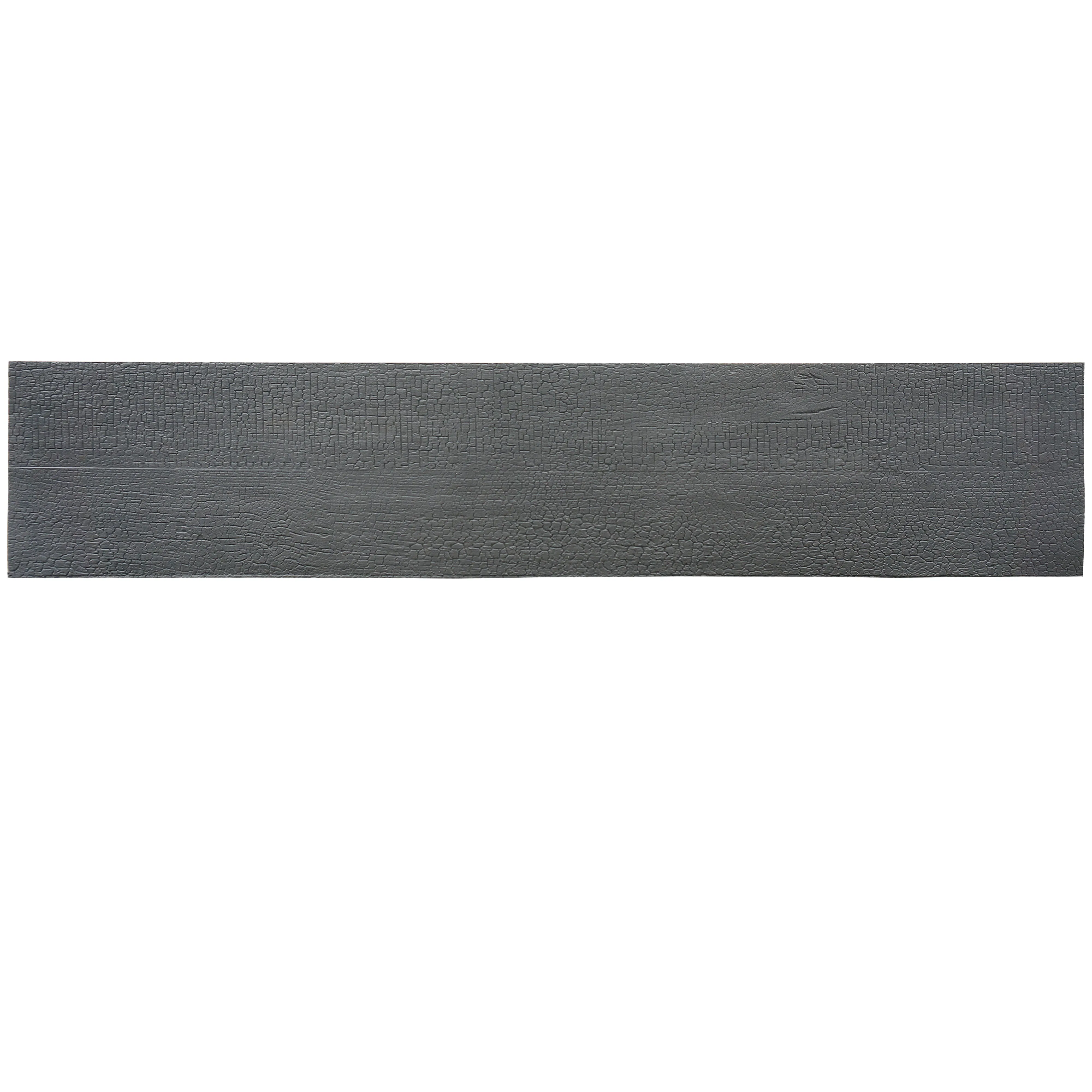
Wood has always been more than just a building material. It's a storyteller. Every knot, grain, and imperfection carries the memory of sun, rain, and time. For centuries, we've shaped it into homes, furniture, and art, drawn to its warmth and versatility. But in the world of wood, there's one variant that stands out not just for its beauty, but for the drama of its creation: charcoal burnt wood board. It's wood that's been kissed by fire, transformed from ordinary lumber into something with depth, character, and a story as rich as its color. Let's dive into what makes this material so special.
At its core, charcoal burnt wood board is wood that has undergone a controlled charring process. Unlike accidental burning, which destroys wood, this is an intentional art form—one that balances fire's destructive power with precision to enhance the wood's natural qualities. The result? A board with a striking, deeply textured surface: the outer layer is darkened, almost blackened, while hints of the original wood grain peek through, creating a contrast that feels both raw and refined.
You might have heard of traditional techniques like Japanese shou sugi ban , where cedar is charred to resist rot and pests. Charcoal burnt wood board draws inspiration from such traditions but adapts them for modern use. It's not just a relic of the past; it's a material built for today's spaces, where durability meets design.
Think of it this way: If ordinary wood is a blank canvas, charcoal burnt wood is a painting where fire is the brush. Each board is unique—no two charring sessions leave the same pattern, making every piece a one-of-a-kind work of art.
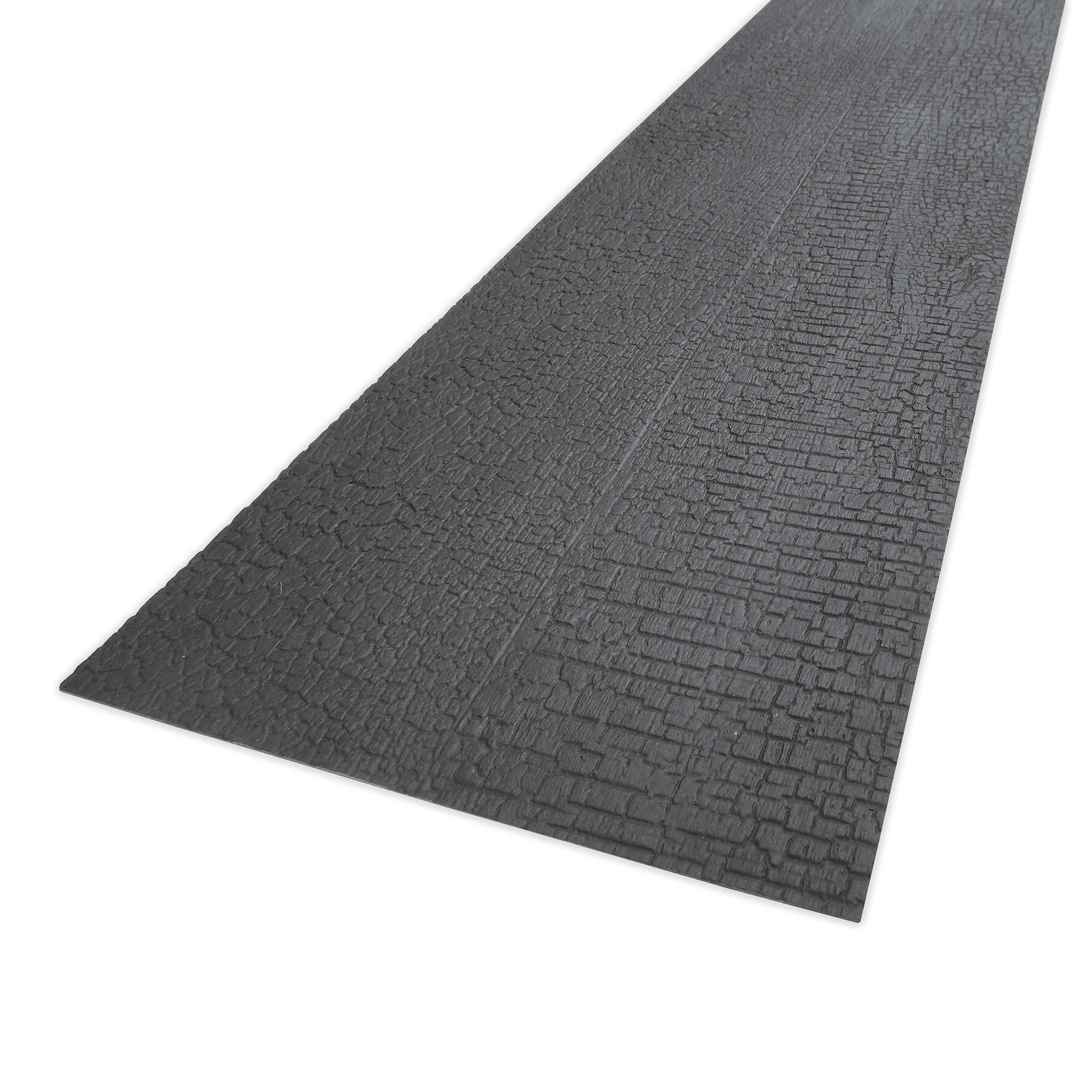
Creating charcoal burnt wood board isn't as simple as lighting a match. It's a careful dance between heat, time, and technique. Here's how it comes to life:
Not all wood takes charring equally. Craftsmen typically opt for dense, slow-growing species like pine, cedar, or cypress. These woods have tight grains that hold up well to heat, ensuring the charred layer bonds firmly to the core. Softer woods might burn too quickly, losing structural integrity, while overly hard woods can crack under high temperatures. It's about finding that sweet spot—wood that's strong enough to withstand the fire, yet porous enough to let the charring process penetrate just right.
Imagine a workshop where torches or controlled flames lick at the wood's surface. The key here is control: the fire is applied evenly, but not so intensely that it burns through the wood. Instead, it chars the outer 1-3 millimeters, turning that layer into carbon. This carbon acts as a shield—resistant to moisture, insects, and even UV rays. After charring, the wood is cooled (often with water or air) to stop the burning process, then brushed gently to remove loose ash, revealing the textured, charcoal-like surface underneath.
Once charred and cleaned, the board is sealed. This step is crucial. Without sealing, the charred layer might rub off over time. Craftsmen use natural oils (like linseed or tung oil) or clear sealants to lock in the texture and protect the wood from the elements. The sealant also brings out the depth of the charred color, making the contrast between blackened surface and natural grain even more pronounced.
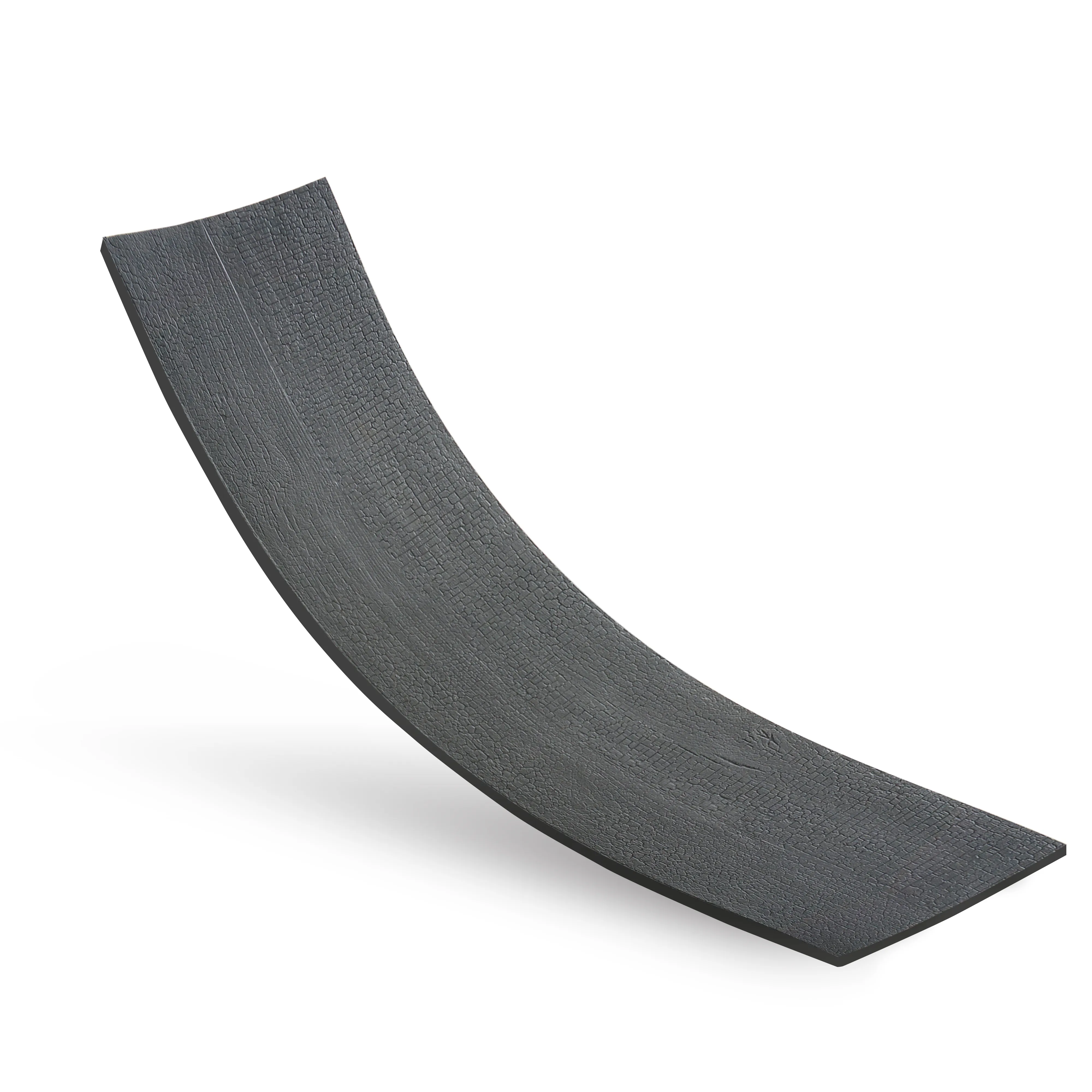
What makes charcoal burnt wood board more than just "burnt wood"? Let's break down its standout features:
There's no denying its visual impact. The charred surface has a matte, almost velvety texture, while the underlying grain—whether straight, wavy, or knotty—adds layers of complexity. It's a material that plays with light: in bright spaces, the blackened areas absorb light, making the grain pop; in dimmer rooms, it exudes warmth, like embers glowing long after the fire has died. It's bold without being overwhelming, making it a favorite for accent walls, statement furniture, and even ceiling panels.
Fire doesn't just change its look—it supercharges its durability. The carbon layer is naturally resistant to rot, mold, and pests (termites, for example, avoid charred wood). Unlike untreated wood, which might warp or decay in humid climates, charcoal burnt wood board holds steady. It's also surprisingly low-maintenance: a quick wipe with a damp cloth is usually enough to keep it clean, and re-sealing every few years will keep it looking fresh for decades.
Run your hand over a charcoal burnt wood board, and you'll notice the difference. The charred surface is slightly rough, with tiny indentations and ridges from the fire. It's tactile in a way that smooth, sanded wood isn't—inviting touch, and adding a sensory layer to any space. This texture also helps hide minor scratches, making it ideal for high-traffic areas like entryways or kitchen backsplashes.
This isn't a material limited to one type of space. Its versatility means it works everywhere from cozy homes to sleek commercial buildings. Let's explore where it fits best:
In homes, charcoal burnt wood board adds character without clashing. Imagine a living room with a feature wall behind the sofa—charred wood panels paired with soft neutrals and natural light, creating a focal point that feels both modern and rustic. Or a kitchen island with a charred wood countertop, where the dark surface contrasts beautifully with white cabinetry and brass fixtures. It even works in bedrooms: a headboard made of charcoal burnt wood adds a touch of drama to an otherwise calm space, proving that fire-kissed wood can be surprisingly serene.
Restaurants, hotels, and offices love this material for its ability to set a mood. A café might use it for tabletops, where the texture tells a story of craftsmanship, while a boutique hotel could line its lobby walls with charred wood panels to welcome guests with warmth and intrigue. It's also a favorite in retail: clothing stores use it for display shelves, where it lets the merchandise stand out against its dark backdrop. In short, it's a material that says, "This space has personality."
Thanks to its weather-resistant properties, charcoal burnt wood board thrives outdoors. It's perfect for patio flooring, where it stands up to rain, sun, and foot traffic. A charred wood fence adds privacy while looking striking against greenery, and outdoor benches made from this material won't rot or warp, even in humid summers or snowy winters. It's wood that's not afraid of the elements—and it looks good doing it.
Charcoal burnt wood board isn't the only woody option out there. Let's see how it stacks up against two popular alternatives: wood grain board and bamboo mat board.
| Feature | Charcoal Burnt Wood Board | Wood Grain Board | Bamboo Mat Board |
|---|---|---|---|
| Appearance | Deep, charred surface with visible natural grain; matte texture, high contrast. | Smooth surface with printed or embossed wood patterns; uniform look, mimics real wood. | Lightweight, with a woven, layered texture; often light in color (natural bamboo tone). |
| Durability | Excellent: Resistant to rot, pests, and moisture (thanks to charring). | Moderate: Depends on core material; may scratch or fade if not sealed. | Good: Bamboo is naturally strong, but less resistant to heavy moisture than charred wood. |
| Texture | Rough, tactile surface with fire-induced ridges and indentations. | Smooth or slightly embossed; minimal texture. | Softly woven, with subtle ridges from bamboo strips. |
| Best For | Accent walls, statement furniture, outdoor spaces, high-traffic areas. | Budget-friendly cabinetry, shelving, or surfaces where a uniform wood look is desired. | Lightweight furniture, wall panels, or eco-conscious projects. |
While wood grain board offers affordability and bamboo mat board shines for sustainability, charcoal burnt wood board brings something they can't: a unique, handcrafted feel. It's not just a material—it's a conversation starter.
You might wonder: isn't burning wood bad for the environment? Actually, charcoal burnt wood board can be surprisingly sustainable. Here's why:
First, the charring process extends the wood's lifespan. A longer-lasting material means less frequent replacement, reducing overall wood consumption. Second, many manufacturers use FSC-certified wood, ensuring the lumber comes from responsibly managed forests. Third, the process often uses minimal chemicals—just fire and natural sealants—unlike some treated woods that rely on harsh preservatives.
Of course, it's not without considerations. The charring process does require energy (usually from torches or gas burners), but advancements in technology are making it more efficient. And because it's so durable, it offsets that energy use over time by reducing waste. In short, when sourced and made responsibly, charcoal burnt wood board is a choice that honors both tradition and the planet.
Charcoal burnt wood board is a team player. It pairs beautifully with other materials, enhancing their strengths while holding its own. For example:
It depends on what you're looking for. If you want a material with personality, durability, and a story, this could be it. It's ideal for anyone who loves the look of wood but wants something beyond the ordinary—something with edge, history, and heart. It's not for those who prefer perfectly uniform, low-maintenance surfaces (though it is low-maintenance, it's never "perfect" in the clinical sense). But if you value character over conformity, this is wood with soul.
Charcoal burnt wood board is more than a building material. It's a reminder of the magic that happens when nature and human ingenuity collide. Fire, which can destroy, instead creates something stronger and more beautiful. Wood, which is already alive with history, gains a new chapter—one written in flame and carbon.
Whether you use it in a tiny apartment or a grand commercial space, it brings warmth, texture, and a sense of story. It's wood that's been through something—and it shows. In a world of mass-produced materials, that's a rare and precious thing. So the next time you see a charcoal burnt wood board, take a moment to appreciate it: it's not just burnt wood. It's art, science, and a little bit of fire—all in one.
Recommend Products












