
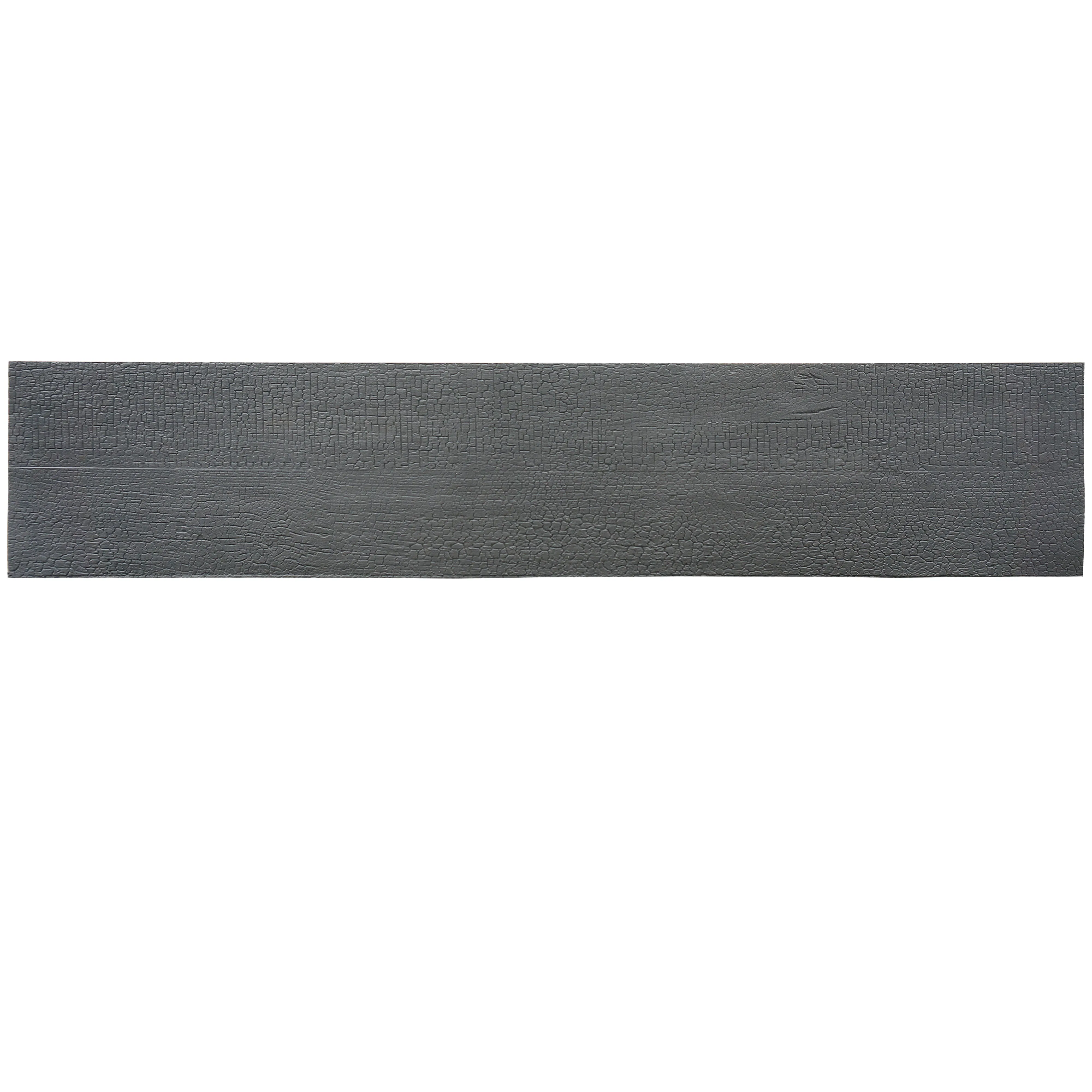
Walk into any well-designed space, and you'll notice it's the materials that breathe life into it—the cool touch of stone, the warmth of wood, the sleekness of metal. Among these, wood has always held a special place, evoking nature and nostalgia. But what if we could take that wood, infuse it with centuries of wisdom, and supercharge its durability? Enter charcoal burnt wood board —a material that feels both ancient and cutting-edge, blending the art of controlled fire with modern construction needs. Today, we're diving deep into what makes this board unique, why its pH matters, and how it stacks up against other building materials.
Let's start with the basics. Charcoal burnt wood board—sometimes called "shou sugi ban" after the traditional Japanese technique that inspired it—is wood that's been intentionally charred, then treated to enhance its properties. Picture this: skilled craftsmen select high-quality wood (often cedar, pine, or cypress), then carefully burn its surface at high temperatures (think 600–1,200°F). The fire chars the outer layer, turning it black and brittle, but here's the twist: that charred layer is exactly what makes the wood stronger. After burning, the surface is brushed to remove loose ash, then sealed with oils or waxes to lock in the benefits.
Why go through all this trouble? Charring does more than just give the wood a striking, textured look (though that's a big plus). It transforms the wood's chemistry: burning breaks down sugars and resins that attract pests, while the charred layer acts as a natural barrier against moisture, rot, and even fire. Suddenly, a material that might have warped or decayed in a few years becomes something that can stand up to rain, sun, and time—making it a star in both exterior and interior construction.
Now, let's talk about pH—a term you might remember from high school science, but one that's surprisingly critical in construction. pH measures how acidic or alkaline a substance is, on a scale from 0 (super acidic, like battery acid) to 14 (super alkaline, like drain cleaner). Most materials fall somewhere in the middle: pure water is 7 (neutral), your skin is slightly acidic (around 5.5), and baking soda is alkaline (around 9). But why does this matter for a piece of burnt wood?
In construction, materials don't exist in isolation. They're glued, nailed, painted, and paired with everything from concrete to metal to drywall. If two materials have drastically different pH levels, they might react badly. For example, acidic materials can corrode metal fasteners, while overly alkaline ones might break down paints or adhesives. Even long-term stability depends on pH: a material that's too acidic could leach chemicals into the environment, or warp as it interacts with moisture. For charcoal burnt wood board, pH isn't just a number—it's a clue to how well it will play with others and stand the test of time.
To understand this, let's think about what happens when wood burns. When you char wood, the heat breaks down its main components: cellulose (the "structure" of the wood), lignin (the "glue" that holds it together), and extractives (resins, sugars, etc.). As these burn, they release volatile compounds, leaving behind a layer of carbon (char) and ash. Ash, as you might guess, is alkaline—it's what's left when organic matter burns, rich in minerals like potassium and calcium. This ash is what gives charcoal burnt wood board its pH personality.
Most unburnt wood is slightly acidic, with a pH between 4.5 and 6.5 (think lemon juice is 2, vinegar is 3—so wood is milder, but still acidic). But after charring? The pH shifts. Studies and industry tests show that properly burnt and sealed charcoal burnt wood board typically has a pH between 7.5 and 9—slightly alkaline, like a mild baking soda solution. That shift is key: the charring process neutralizes the wood's natural acidity, replacing it with a gentle alkalinity that comes from the ash residues trapped in the charred layer.
But here's the thing: pH can vary a bit. If the wood is burnt longer or at higher temperatures, more ash forms, making it more alkaline. If it's burnt quickly, the pH might hover closer to neutral (7). Sealing also plays a role—oils or waxes can buffer the pH, keeping it stable over time. For builders, this mild alkalinity is a good thing: it means the wood is less likely to corrode metal nails or react with alkaline materials like concrete (which has a pH of 12–13). It also makes the board more compatible with most paints and sealants, which often work best in neutral to slightly alkaline environments.
To really appreciate charcoal burnt wood board, let's see how it measures up to other popular construction materials—including a few from that long list of keywords you provided. We'll focus on pH, durability, and common uses, because those are the details that matter when you're choosing materials for a project.
| Material | Typical pH Range | Key Durability Traits | Common Applications |
|---|---|---|---|
| Charcoal Burnt Wood Board | 7.5–9 (slightly alkaline) | Resistant to rot, pests, and fire; moderate water resistance | Exterior cladding, fencing, accent walls, decking |
| Wood Concrete Board (Light Grey/Dark Grey) | 6–7 (neutral to slightly acidic) | High strength, fire-resistant; made from wood fibers + concrete | Flooring, wall panels, structural insulation |
| Rough Granite Stone (Medium Grey/Dark Grey) | 6.5–8 (neutral to slightly alkaline) | Extremely durable; scratch and weather-resistant | Countertops, exterior facades, pathways |
| Travertine (Beige/Starry Green) | 7–8.5 (neutral to alkaline) | Porous but durable; develops patina over time | Indoor flooring, backsplashes, outdoor patios |
| Foamed Aluminium Alloy Board (Vintage Silver/Gold) | 7 (neutral, when coated) | Lightweight, corrosion-resistant; metallic finish | Modern facades, ceiling panels, decorative accents |
Notice a pattern? Most construction materials lean neutral to alkaline, which makes sense—alkaline environments are less hospitable to mold and decay. Charcoal burnt wood board fits right in, with its mild alkalinity, but it brings something unique: the warmth of wood. Unlike rough granite stone (stunning but heavy) or foamed aluminium alloy board (sleek but industrial), charcoal burnt wood board adds texture and organic charm without sacrificing durability.
pH is important, but it's just one piece of the puzzle. Let's talk about why charcoal burnt wood board is popping up in modern homes, restaurants, and offices:
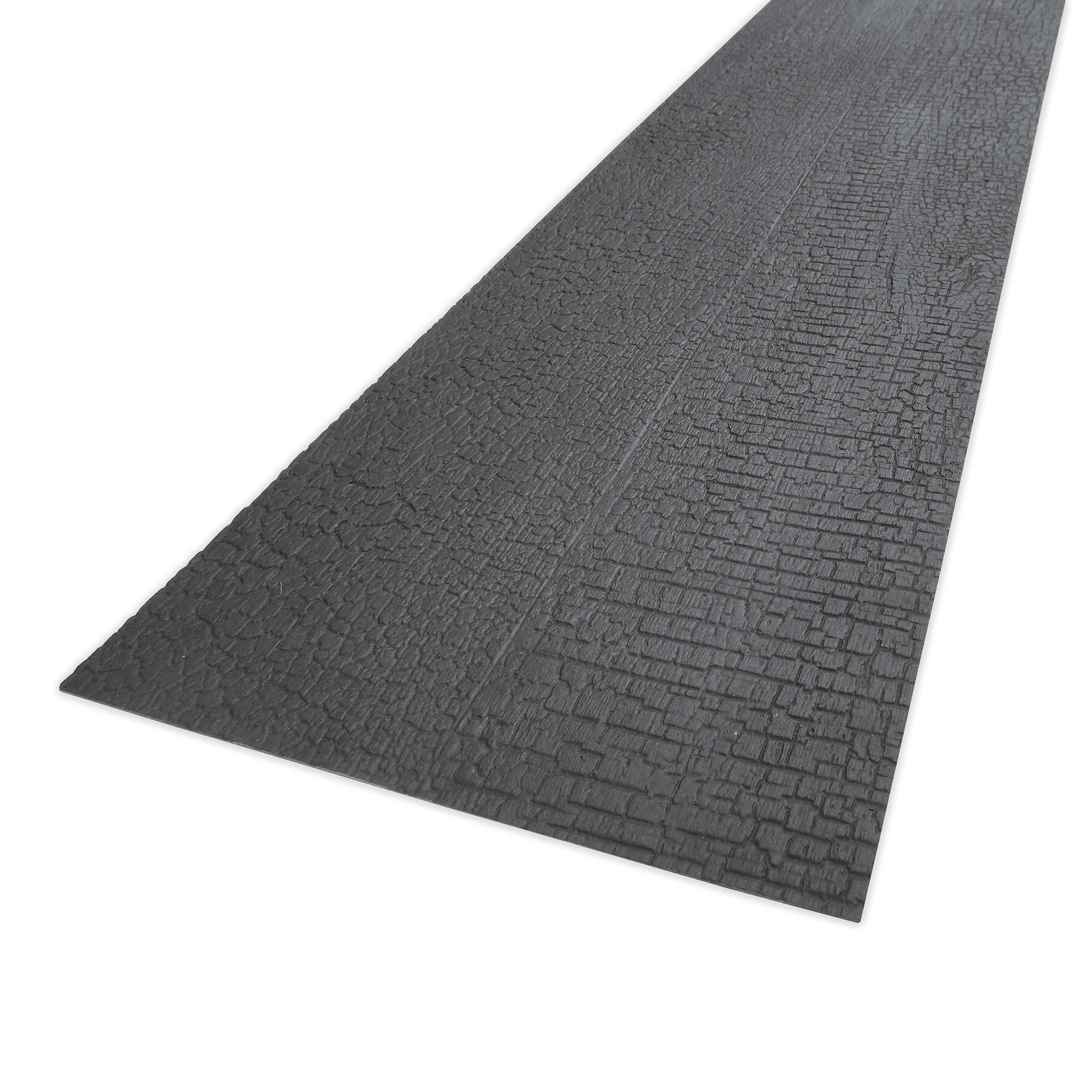
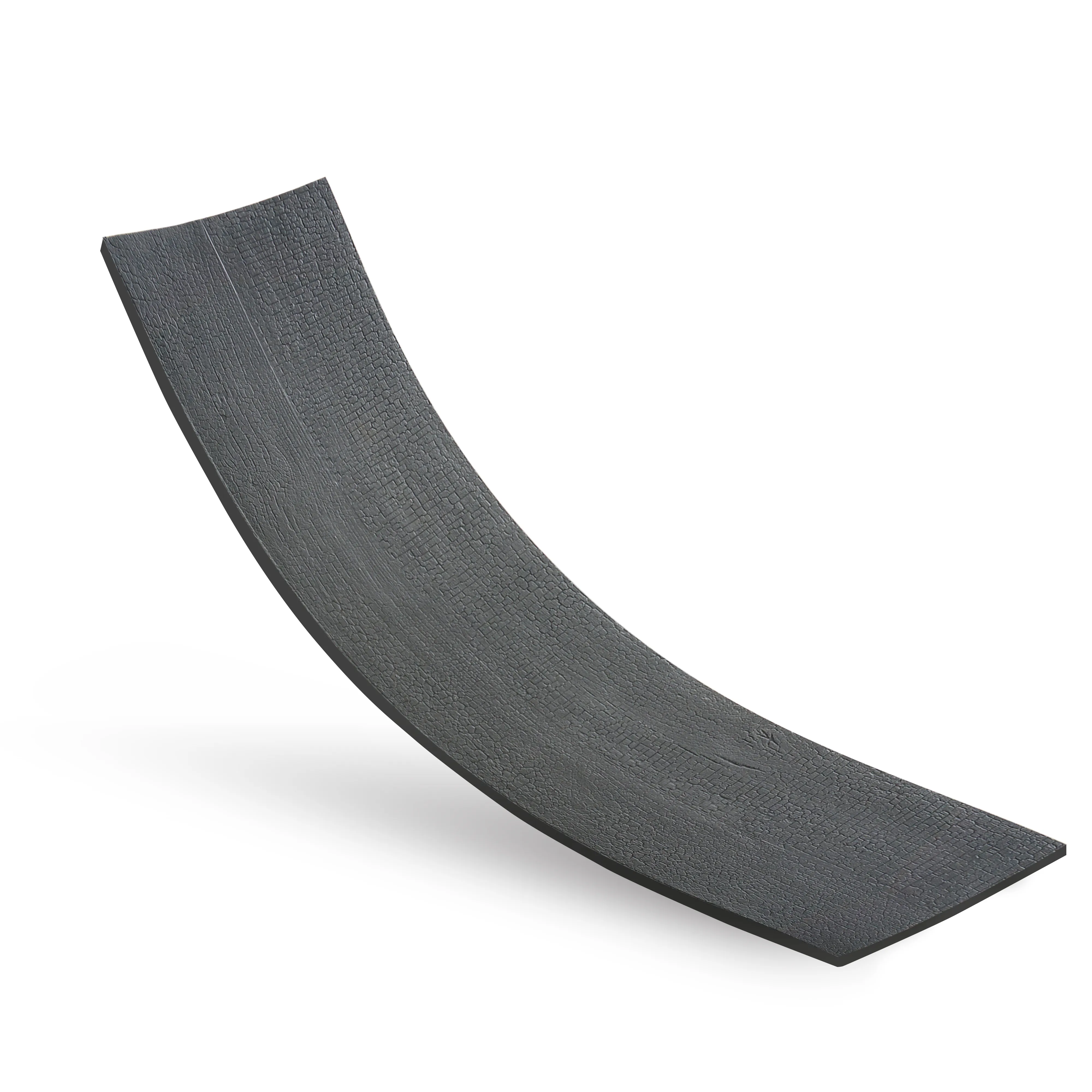
Aesthetic Appeal: That charred surface is impossible to ignore. It ranges from deep, jet-black to warm, smoky grays, with (texture) that catches light and shadow beautifully. It's rustic yet refined—perfect for adding depth to a minimalist space or complementing industrial decor.
Low Maintenance: Remember that charred layer? It's like a suit of armor. Unlike untreated wood, you won't need to stain or seal it every year (though a fresh coat of oil every 3–5 years helps). It resists termites, mold, and rot, so you can install it outdoors and forget about it (mostly).
Eco-Friendly: Charring is a chemical-free way to treat wood. No harsh preservatives, no toxic fumes—just fire and natural oils. Plus, because it lasts longer, you'll replace it less often, reducing waste.
Thermal Performance: The charred layer acts as insulation, keeping interiors cooler in summer and warmer in winter. Pair it with wood concrete board (another sustainable option) for a wall system that's both energy-efficient and stylish.
Let's get concrete (pun intended). Where does this board shine in real construction?
Exterior Cladding: Imagine a modern home with blackened wood siding, standing out against a green lawn. Charcoal burnt wood board holds up to rain, snow, and UV rays, making it a favorite for facades. It's lighter than stone (like travertine or granite) but just as tough, so it's easier to install on upper floors.
Interior Accent Walls: A living room with a charcoal burnt wood accent wall adds instant coziness. It pairs well with warm woods, neutral paints, or even metallic touches (hello, foamed aluminium alloy board trim!).
Fencing and Decking: Traditional wood fences need constant upkeep, but a charred wood fence? It'll look better with age, developing a silvery patina if left unsealed. Decking made from this board is slip-resistant (thanks to the textured charred surface) and gentle on bare feet.
Commercial Spaces: Cafes, boutiques, and hotels love it for its "Instagrammable" factor. A charred wood countertop or ceiling panel adds character without feeling cluttered.
With any niche material, myths can spread. Let's bust a few about charcoal burnt wood board's pH:
Myth: "Alkaline wood will damage paint or adhesives." Fact: Most paints and adhesives are designed to work with slightly alkaline surfaces (remember, concrete is alkaline too!). Just avoid acidic paints, and you'll be fine.
Myth: "The pH will get more alkaline over time." Fact: Once sealed, the pH stabilizes. The ash in the charred layer doesn't leach out easily, so the board stays in that 7.5–9 range for decades.
Myth: "It's too alkaline to use with metal fasteners." Fact: Galvanized or stainless steel fasteners are corrosion-resistant and work great with alkaline materials. Just skip plain steel, which might rust over time.
At the end of the day, charcoal burnt wood board is more than a construction material—it's a story. It's about taking a simple resource (wood) and honoring it with fire, turning it into something that lasts. Its slightly alkaline pH is a testament to that transformation, ensuring it plays nice with other materials and stands strong for years.
Whether you're building a backyard fence, designing a restaurant, or just want to add warmth to a room, this board offers a rare combo: beauty, durability, and a little bit of magic. And in a world of generic building materials, that magic is worth its weight in (charred) gold.
Recommend Products












