
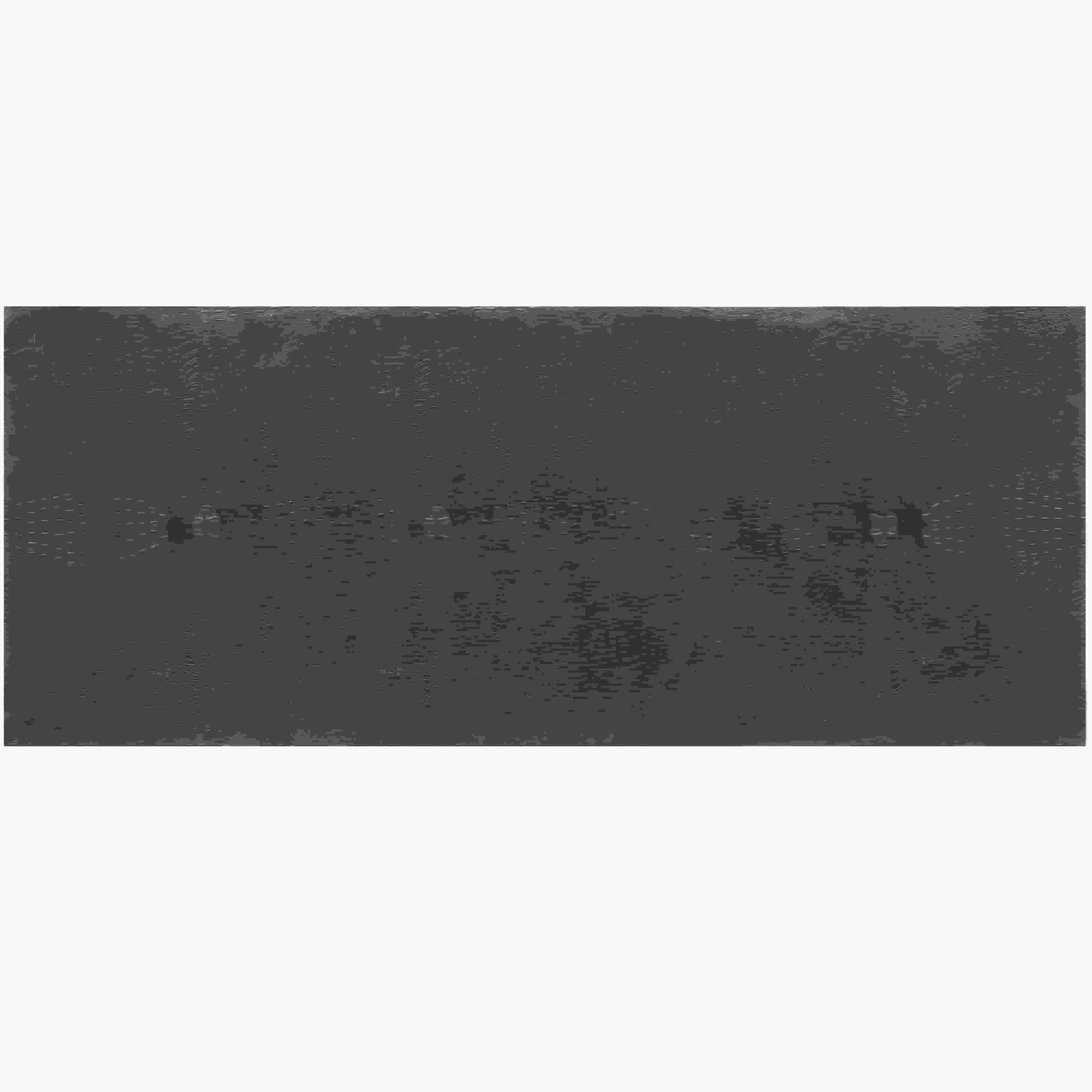
Walk into any contemporary space—a sleek boutique hotel lobby, a trendy café with Instagram-worthy walls, or a cutting-edge office designed to spark creativity—and you'll notice something: the materials used to build and decorate these spaces are no longer just "background." They're storytellers. They set the mood, evoke emotions, and even shape how we interact with the environment around us. In a world where design and functionality go hand in hand, building materials have evolved from mere construction elements to integral parts of the aesthetic narrative. And that's where Croco MCM comes in.
You might be wondering, "What even is MCM?" Let alone Croco MCM. Don't worry—you're not alone. For years, the building materials industry has been quietly revolutionizing how we think about cladding, facades, and interior surfaces. Traditional options like natural stone, brick, or concrete have their charm, but they often come with trade-offs: weight, fragility, limited design flexibility, or high maintenance. Croco MCM, developed by COLORIA, is part of a new generation of materials that's here to rewrite those rules. It's not just a product; it's a bridge between nature's beauty and human ingenuity, between durability and design freedom. Let's dive in and unpack what makes Croco MCM so special.
Before we get to Croco MCM, let's clarify the basics: MCM stands for Modified Composite Material. At its core, MCM is a blend of high-performance polymers, natural minerals (like stone powders or fibers), and sometimes reinforcing agents (think glass fibers or carbon fibers) engineered to mimic the look and feel of natural materials—without the drawbacks. Imagine taking the elegance of travertine, the warmth of wood, or the industrial edge of concrete, then supercharging it with flexibility, strength, and lightness. That's the MCM promise.
MCM panels are typically thin (often 3-6mm thick) and lightweight, making them easier to transport, handle, and install than traditional stone or brick. They're designed to be durable, weather-resistant, and low-maintenance, making them suitable for both interior and exterior use. But within the MCM category, not all products are created equal. COLORIA's Croco MCM stands out for its focus on flexibility , design versatility , and sustainability —three qualities that matter more than ever in today's fast-paced construction and design world.
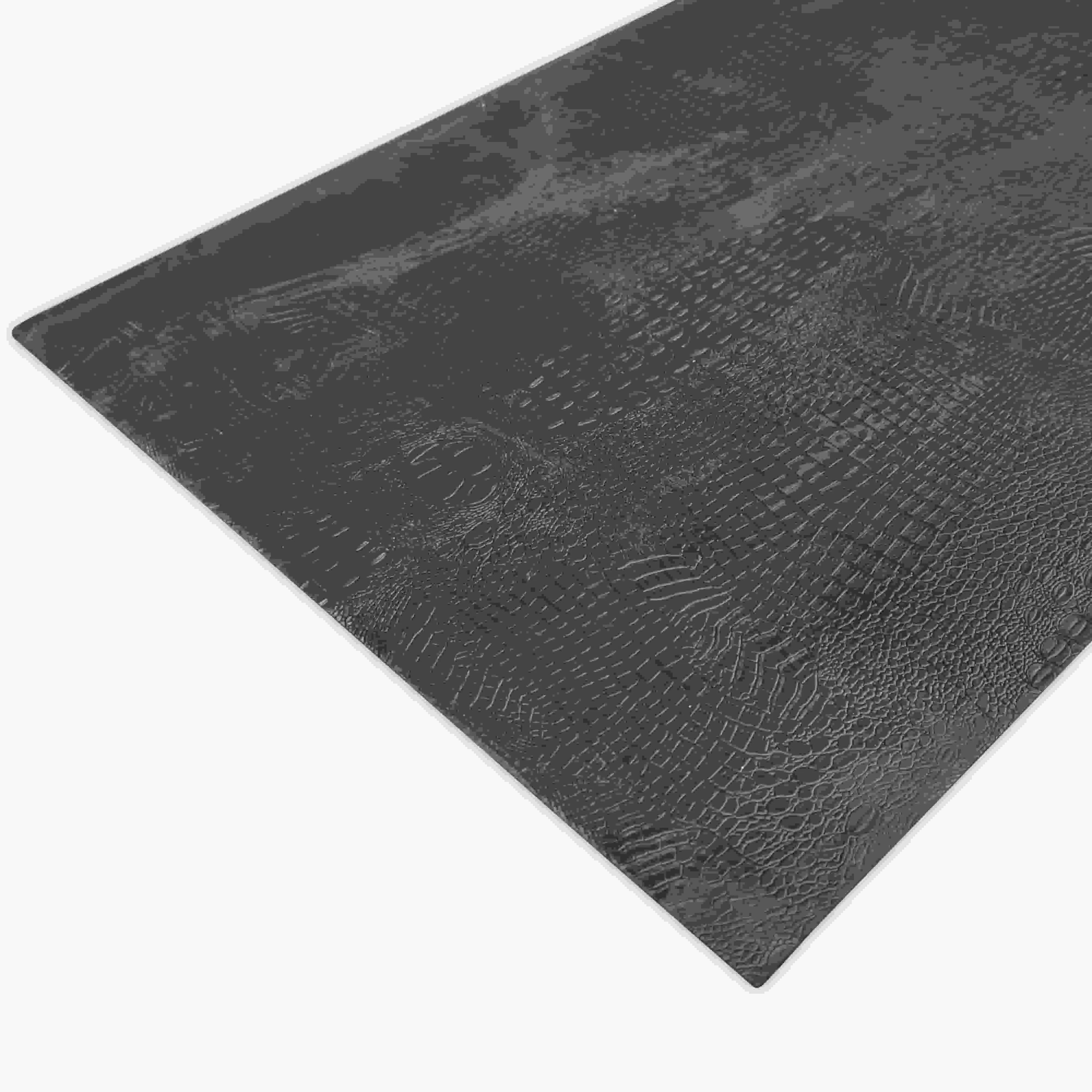
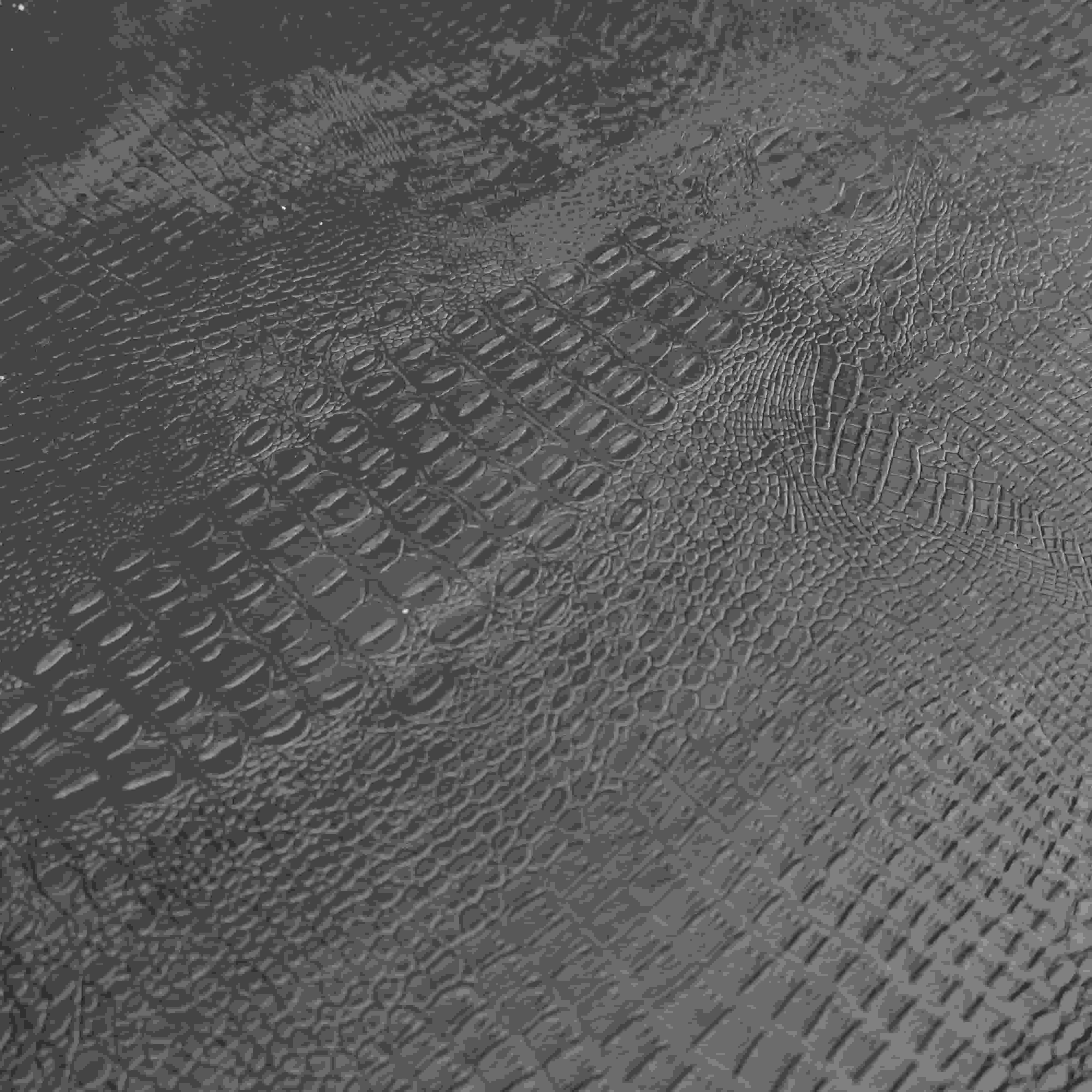
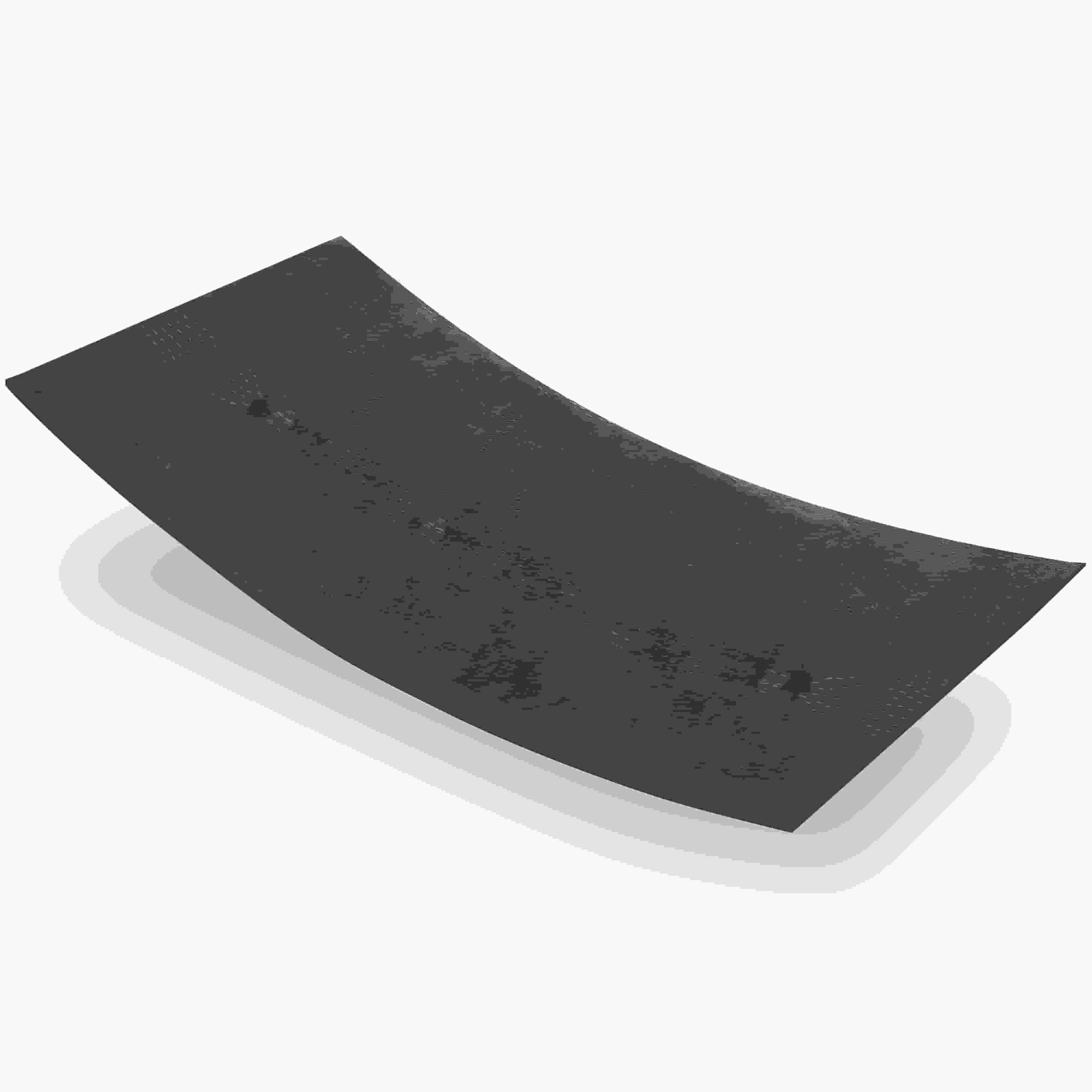
Croco MCM is COLORIA's flagship line of modified composite material panels, engineered to redefine how we approach building cladding and interior surfaces. The name "Croco" hints at its key trait: like a crocodile's skin—tough yet surprisingly flexible—Croco MCM combines robustness with bendability, allowing it to adapt to curved surfaces, complex architectural shapes, and creative design visions that would be impossible with rigid materials like natural stone or concrete.
At its heart, Croco MCM is a testament to material science. It starts with a base of high-quality polymers (think durable, weather-resistant plastics) mixed with natural mineral aggregates—often crushed stone, marble dust, or travertine particles—to capture the texture and depth of natural materials. To boost strength and flexibility, COLORIA adds reinforcing fibers, creating a composite that's both lightweight and tough. The result? A panel that can mimic the look of travertine (starry blue) with its celestial speckles, the earthy warmth of Bali stone , or the sleek sheen of foamed aluminium alloy board (vintage gold) —but with a flexibility that lets it wrap around columns, archways, or curved walls with ease. This is where mcm flexible stone truly shines: it's not just a stone-like material; it's a stone-like material that bends.
What makes Croco MCM more than just another building material? Let's break down its standout features, using real-world examples to bring them to life:
Traditional natural stone panels can weigh 20-30 kg per square meter; Croco MCM clocks in at just 4-6 kg/m². That's a massive difference. For architects and builders, this means reduced structural load on buildings—critical for retrofits or projects with weight restrictions. For installers, it means easier handling: no need for heavy machinery or teams of workers to lift panels. But the real magic is the flexibility. Croco MCM can bend up to a 30cm radius (depending on thickness), making it perfect for curved surfaces. Imagine a boutique hotel with a sweeping, curved lobby wall clad in travertine (starry blue) —the panels would wrap seamlessly around the curve, creating a focal point that feels both grand and organic. Traditional stone would require cutting small, rigid pieces, leading to visible seams and a clunky finish. Croco MCM eliminates that problem.
Don't let the lightweight nature fool you—Croco MCM is tough. It's resistant to UV radiation (so colors won't fade in sunlight), moisture (no warping or rotting), and temperature extremes (from freezing winters to scorching summers). It's also fire-retardant, meeting strict safety standards for both commercial and residential use. Compare that to natural wood, which can warp or rot, or even some traditional MCMs that might crack under impact. Croco MCM's composite structure absorbs shocks, making it ideal for high-traffic areas like retail stores or airport terminals. One project in Dubai, for example, used Croco MCM panels on an exterior facade exposed to 45°C summers and occasional sandstorms—after five years, the panels still look as vibrant as day one.
Here's where Croco MCM truly caters to the creative soul. COLORIA offers an almost overwhelming range of designs, textures, and colors, ensuring there's a Croco panel for every aesthetic. Whether you're aiming for a rustic vibe with rammed earth board (matcha green) —evoking the soft, earthy tones of Japanese tea ceremonies—or a futuristic look with foamed aluminium alloy board (vintage gold) that shimmers like liquid metal, Croco MCM delivers. The textures are incredibly realistic: you can run your hand over a Bali stone panel and feel the subtle grooves and pits that mimic the natural stone's weathered surface, or trace the delicate veining of a travertine (starry blue) panel and swear it was quarried from a mountain.
But COLORIA doesn't stop at mimicking nature. They also experiment with bold, contemporary designs: gradient colors, metallic finishes, and even 3D textures that add depth to walls. For example, the rammed earth board (matcha green) isn't just a solid color; it has subtle variations in tone, like real rammed earth, giving walls a warm, organic look that's perfect for wellness centers or eco-friendly homes. Meanwhile, foamed aluminium alloy board (vintage gold) adds a touch of luxury to corporate lobbies or high-end retail spaces, blending industrial edge with opulence.
Let's talk practicality: Croco MCM is a dream for busy homeowners, facility managers, and business owners. Unlike natural stone, which often requires sealing, polishing, or special cleaners, Croco MCM can be wiped clean with a damp cloth. Stains? They're rarely an issue, thanks to the non-porous surface. And because it's resistant to mold and mildew, it's ideal for humid environments like bathrooms or pool areas.
Sustainability is another key selling point. COLORIA uses recycled materials in its production process where possible, and the lightweight nature of Croco MCM reduces transportation emissions. Unlike natural stone quarrying, which can disrupt ecosystems, Croco MCM production has a lower environmental footprint. Plus, since the panels are durable and long-lasting, they reduce the need for frequent replacements—meaning less waste over time. For LEED-certified or green building projects, Croco MCM is often a top choice.
Still wondering how Croco MCM stacks up against the materials you're used to? Let's put it side by side with some common options in a handy table:
| Material | Weight (kg/m²) | Flexibility | Durability (UV/Moisture) | Design Options | Installation Ease | Maintenance |
|---|---|---|---|---|---|---|
| Croco MCM | 4-6 | High (bends to 30cm radius) | Excellent (resistant to fading, rot) | Extensive (colors, textures, finishes) | Easy (lightweight, can be cut on-site) | Low (wipe clean, no sealing) |
| Natural Travertine | 20-25 | Low (rigid, prone to cracking) | Good (but porous; needs sealing) | Limited (natural variations, fixed colors) | Hard (heavy, requires skilled labor) | High (seal every 1-2 years, stains easily) |
| Fair-Faced Concrete | 18-22 | Very Low (brittle, no bending) | Good (but prone to staining) | Limited (gray, smooth/rough textures) | Hard (requires formwork, heavy) | Moderate (may need sealing, stains hard to remove) |
| Foamed Aluminium Alloy (Vintage Gold) | 8-10 | Moderate (some flexibility) | Excellent (rust-resistant, UV-stable) | Limited (metallic finishes only) | Moderate (needs specialized cutting) | Low (wipe clean, scratch-resistant) |
As you can see, Croco MCM outperforms traditional materials in flexibility, weight, design options, and maintenance—all while matching or exceeding them in durability. It's a material that doesn't force you to choose between form and function.
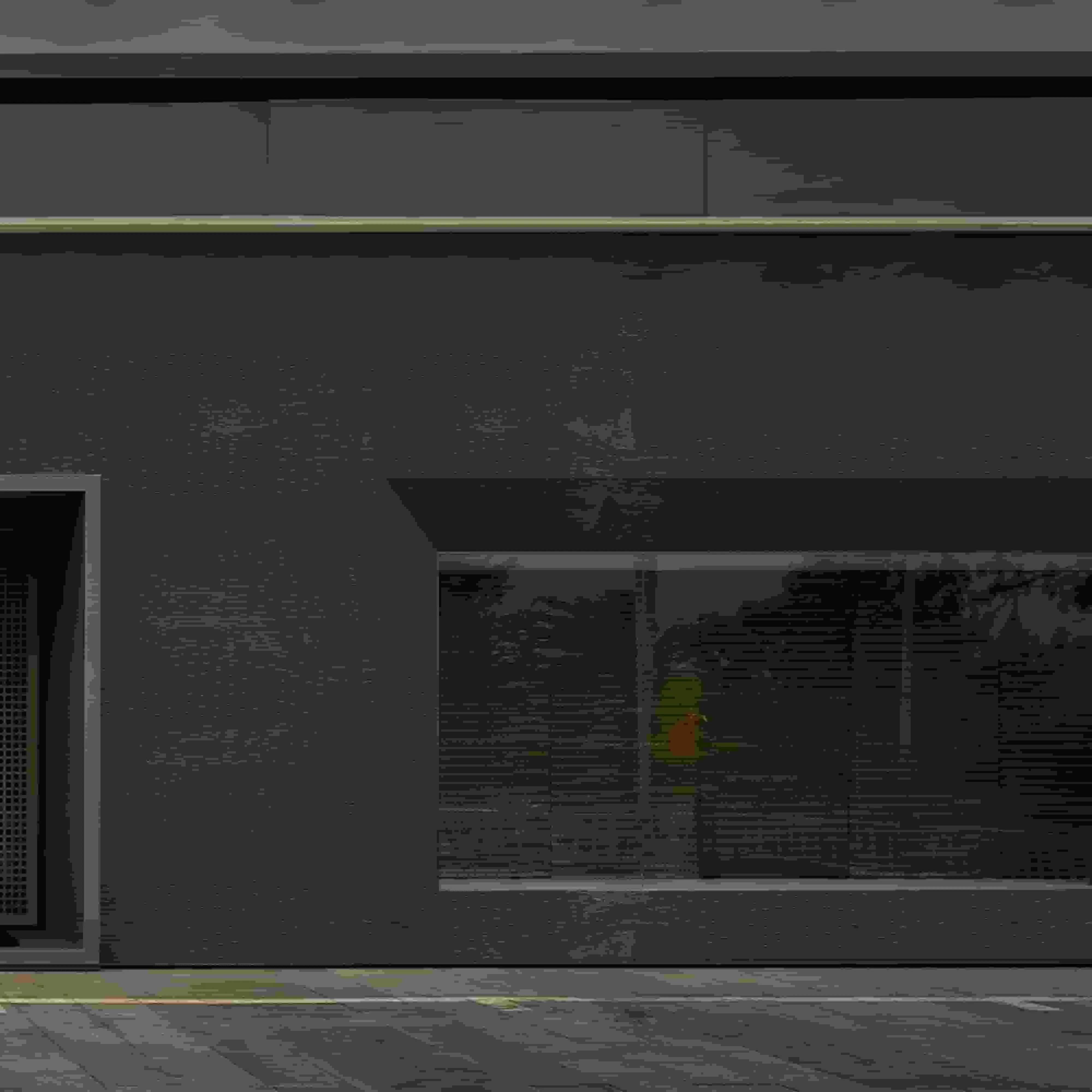
Croco MCM isn't just a theoretical innovation—it's transforming spaces around the world. Let's look at a few examples of how designers and architects are using it:
In a beachfront café in Bali, the owner wanted walls that felt like part of the ocean landscape—calm, serene, and full of depth. The design team chose Croco MCM panels in travertine (starry blue) , which mimics the look of travertine stone with tiny, iridescent "stars" that catch the light like sunlight on water. Because the café has curved, wave-like walls, the flexibility of Croco MCM was crucial: the panels bent seamlessly around the curves, creating a fluid, immersive space. And since Bali's climate is humid and salty, the panels' moisture resistance ensures they won't warp or discolor—even with daily exposure to sea air.
A tech startup in Singapore wanted an office that felt innovative and luxurious, reflecting their brand identity. Their design called for a feature wall in the lobby that would make a bold first impression. They chose foamed aluminium alloy board (vintage gold) from COLORIA's Croco line. The panels have a matte, aged gold finish that's sleek but not ostentatious, with a subtle texture that adds depth. Because the wall has a geometric, angular design with recesses and protrusions, the lightweight nature of Croco MCM made installation a breeze—no need for reinforced framing. The result? A lobby that feels both modern and timeless, with a material that's as durable as it is eye-catching.
A wellness retreat in Kyoto, Japan, aimed to create spaces that promote calm and connection with nature. For their yoga studio, they wanted walls that felt warm, earthy, and grounding—so they turned to rammed earth board (matcha green) from Croco MCM. The panels mimic the look of traditional rammed earth, with soft, muted green tones and subtle variations in texture that evoke the tranquility of a Japanese garden. Because the studio has a vaulted, curved ceiling, the flexibility of the panels allowed them to extend the rammed earth look up onto the ceiling, creating a cocoon-like atmosphere. And since the retreat prioritizes sustainability, the low environmental impact of Croco MCM aligned perfectly with their values.
A boutique hotel in Ubud, Bali, wanted to embrace local culture while offering modern comfort. They used Bali stone Croco MCM panels for their guest room headboards and bathroom walls. The panels capture the rough, weathered texture of traditional Balinese stone, adding authenticity to the space. But unlike real Bali stone, which is heavy and porous, Croco MCM is lightweight (so no extra structural support needed) and moisture-resistant (perfect for bathrooms). Guests love the tactile, natural feel, and the hotel staff appreciates how easy the panels are to clean between stays.
It's not just homeowners or business owners who are drawn to Croco MCM—designers and architects are raving about it, too. Here's why:
So, should you consider Croco MCM for your next project? Here are a few scenarios where it's an especially strong fit:
Of course, every project is unique. It's always a good idea to consult with a COLORIA representative or a local distributor to discuss your specific needs—they can help you choose the right texture, color, and thickness for your space.
In a world where we're constantly seeking balance—between beauty and practicality, nature and innovation, sustainability and durability—Croco MCM feels like a solution that gets it right. It's a material that doesn't just build spaces; it elevates them. Whether you're drawn to the celestial allure of travertine (starry blue) , the earthy warmth of rammed earth board (matcha green) , or the sleek luxury of foamed aluminium alloy board (vintage gold) , Croco MCM offers a canvas for creativity that's as durable as it is beautiful.
As we look to the future of architecture and design, materials like Croco MCM will play a pivotal role. They're not just replacing traditional options; they're expanding what's possible. So the next time you walk into a space that takes your breath away—whether it's a hotel lobby, a café, or a friend's home—take a closer look at the walls. Chances are, you might be looking at Croco MCM: a small panel with a big impact, redefining how we build, live, and experience the world around us.
Recommend Products












