
Walk into a modern boutique hotel, a cozy mountain cabin, or even a sleek urban apartment, and you might find your hand drifting across a surface that feels both ancient and alive. It's warm yet cool to the touch, with subtle pits and veins that tell a story millions of years in the making. Chances are, you're touching travertine—but not just any travertine. If the stone has a unique density, a hint of magnesium-rich depth, or a color that leans more earthy than creamy, it could be dolomitic travertine. In the world of natural stone, travertine is a beloved classic, but dolomitic travertine adds a layer of complexity that designers and homeowners can't get enough of. Let's dive into what makes this stone so special, from its geological roots to the way it transforms spaces today.
Before we get into the "dolomitic" part, let's recall what travertine itself is. Travertine is a type of limestone, but with a twist—it forms in hot springs, geysers, or other mineral-rich water sources where calcium carbonate (CaCO₃) precipitates out of the water as it cools or evaporates. Think of the terraces at Yellowstone's Mammoth Hot Springs: those tiered, otherworldly formations are travertine in action, built layer by layer over centuries. Regular travertine is porous, with tiny holes (vugs) left by gas bubbles or water flow, and it often has soft, creamy colors like travertine (beige) , with veins of white or gold.
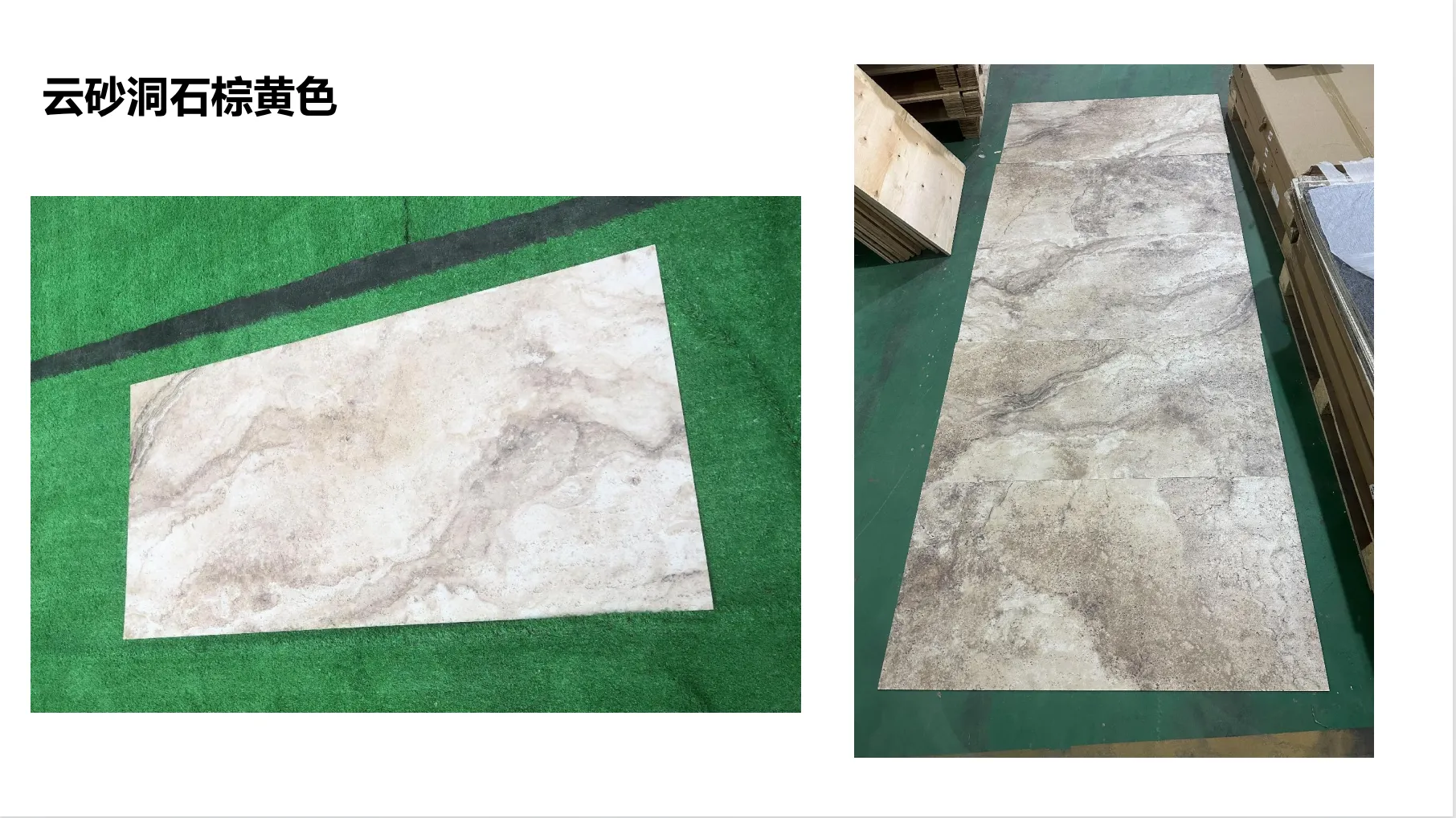
Now, dolomitic travertine is a variation where some of that calcium carbonate has been replaced by dolomite, a mineral composed of calcium magnesium carbonate (CaMg(CO₃)₂). This substitution isn't random—it happens over time, as magnesium-rich groundwater seeps through the travertine, altering its mineral structure. The result? A stone that's harder, less porous, and often more durable than standard travertine, with color variations that range from moody grays to warm terracottas. You've probably seen it without realizing: dolomitic travertine(dark grey) might clad a minimalist fireplace, while dolomitic travertine(claybank) could tile a sunlit kitchen backsplash, adding depth without overwhelming the space.
To understand dolomitic travertine, picture a journey that starts with water and ends with stone—over thousands, if not millions, of years. It all begins in regions with limestone bedrock and mineral-rich aquifers. Rainwater, slightly acidic from absorbing carbon dioxide in the air, percolates through the ground, dissolving calcium carbonate from the limestone. This mineral-laden water then rises to the surface via hot springs or geysers, where the sudden drop in pressure or temperature causes the calcium carbonate to precipitate out, forming travertine deposits.
But for travertine to become "dolomitic," another chapter unfolds. After the initial travertine forms, magnesium-rich water (often from nearby dolomite rock formations) flows through its porous structure. Over time, this water replaces some of the calcium ions in the calcium carbonate with magnesium ions, creating dolomite crystals within the stone. This process, called dolomitization, is slow—think of it like aging wine: the longer it sits, the more complex it becomes. The magnesium doesn't just change the mineral makeup; it tightens the stone's structure, filling in some of those characteristic pores and making the travertine denser. That's why dolomitic travertine is often chosen for high-traffic areas: it stands up to wear and tear better than its more porous cousin.
Geologists love studying dolomitic travertine because it's a window into Earth's past climates. The ratio of calcium to magnesium, the size of the crystals, even the presence of fossils (yes, sometimes leaves or insects get trapped in the layers!) can tell us about the temperature of the water, the speed of deposition, and the chemistry of the groundwater millions of years ago. It's not just stone—it's a history book written in minerals.
What exactly makes up dolomitic travertine? Let's break it down. While the exact composition varies by deposit, most dolomitic travertine is a mix of three main minerals, with trace elements adding color and character. Here's a closer look:
| Mineral | Chemical Formula | Typical Percentage | Role in the Stone |
|---|---|---|---|
| Dolomite | CaMg(CO₃)₂ | 30–60% | Hardens the stone, reduces porosity, adds durability. Responsible for gray or greenish hues. |
| Calcite | CaCO₃ | 20–50% | Original mineral in travertine; contributes to porosity and classic "travertine feel." Adds cream, beige, or gold tones. |
| Aragonite | CaCO₃ (orthorhombic form) | 5–15% | A less stable form of calcium carbonate that often converts to calcite over time. Adds subtle iridescence in some varieties. |
| Trace Elements (Iron, Manganese, Clay) | Fe, Mn, etc. | 1–5% | Create color variations: iron oxides add reds or yellows, manganese adds blacks or browns, clay adds earthy claybank tones. |
Compare this to regular travertine, which is mostly calcite (60–80%) with little to no dolomite, and you see why dolomitic travertine stands out. The dolomite content is the secret to its strength, while the trace elements are what make each slab unique. For example, dolomitic travertine(dark grey) gets its moody color from higher levels of manganese, while the claybank variant owes its warm, terracotta hue to iron oxides and clay particles trapped in the stone.
Beyond its mineral makeup, dolomitic travertine has physical properties that make it a star in both residential and commercial design. Let's start with durability: thanks to the dolomite, it's harder than regular travertine (rating 3.5–4 on the Mohs scale, compared to 3 for standard travertine). That means it resists scratches and chips better, making it ideal for flooring, countertops, or even outdoor patios. It's also less porous—though not completely non-porous—so it stains less easily. A quick seal every few years keeps it looking fresh, even in kitchens or bathrooms.
Then there's the texture. Dolomitic travertine retains some of travertine's classic pitted surface, but the dolomitization process smooths out the pores, giving it a more uniform feel. Run your hand over it, and you'll notice a matte, slightly rough finish that's warm to the touch—never cold or sterile like some polished stones. Light plays beautifully on its surface, too: the subtle veining and color variations mean no two slabs are identical. In a sunlit room, dolomitic travertine(claybank) glows with earthy warmth, while dolomitic travertine(dark grey) absorbs light, creating a cozy, intimate atmosphere.
Another perk? It ages gracefully. Unlike synthetic materials that fade or peel, dolomitic travertine develops a patina over time—small scratches, subtle color shifts—that add character. A kitchen floor made of dolomitic travertine won't just be a surface; it'll be a story of family meals, morning rushes, and quiet evenings, growing more beautiful with each passing year.
Travertine has been a building material for millennia—think of Rome's Colosseum, where travertine blocks were quarried and carved to create the iconic arches. Dolomitic travertine, with its added durability, has followed in those footsteps, finding its way into both historic restorations and cutting-edge contemporary design.
In residential spaces, it's a favorite for flooring, backsplashes, and shower walls. Imagine a bathroom with dolomitic travertine(claybank) tiles, paired with brass fixtures and white linens—the stone's warmth balances the cool metal, creating a spa-like retreat. Or a living room with dolomitic travertine(dark grey) fireplace surround, where the stone's depth contrasts with light wood floors and soft textiles. It's versatile, too: honed (matte) finishes add rustic charm, while polished finishes bring out the veining for a more formal look.
Commercial designers love it for its ability to make large spaces feel grounded. Hotels use it in lobbies to welcome guests with natural texture, while restaurants choose it for tabletops that stand up to daily use. Even outdoor spaces benefit: dolomitic travertine(dark grey) pavers can withstand rain, snow, and foot traffic, turning a patio into an extension of the home's interior. And when paired with other natural materials—like linear travertine(claybank) for a backsplash or stream limestone(claybank) for accent walls—it creates layered, organic designs that feel both intentional and effortless.
Two of the most popular dolomitic travertine varieties are dark grey and claybank, and while they share the same mineral roots, they couldn't be more different in vibe. Dolomitic travertine(dark grey) is the introvert of the family: moody, sophisticated, and perfect for creating drama. Its deep, charcoal-like base is often flecked with white or silver veins, adding contrast without brightness. It pairs beautifully with light woods, white walls, or bold pops of color (think emerald green or mustard yellow) to create a modern, editorial-worthy space.
On the flip side, dolomitic travertine(claybank) is the extrovert: warm, inviting, and full of sunshine. Its earthy, terracotta base has hints of orange and gold, with veins that range from soft beige to rust. It's at home in Mediterranean-style kitchens, desert-inspired living rooms, or coastal spaces where it brings a touch of warmth to cool ocean breezes. When paired with travertine (beige) accents, it creates a cohesive, layered look that feels like a walk through a Tuscan villa.
In an era where sustainability matters more than ever, dolomitic travertine has another ace up its sleeve: it's a natural, abundant resource. Unlike synthetic materials that rely on fossil fuels to produce, travertine is quarried from the earth, with minimal processing required. Reputable quarries also prioritize responsible mining practices, replanting vegetation and restoring ecosystems after extraction. Plus, because dolomitic travertine is so durable, it has a long lifespan—meaning less waste over time. A well-maintained dolomitic travertine floor could last generations, outliving trends and reducing the need for replacement.
When sourcing dolomitic travertine, look for suppliers who prioritize ethical mining and transparency. Many quarries in Italy, Turkey, and Iran have been producing travertine for centuries, with techniques that honor both the stone and the land. Ask about the stone's origin, how it was quarried, and whether it meets international sustainability standards—your designer can help guide you to responsible choices that align with your values.
Dolomitic travertine isn't just a building material; it's a piece of Earth's history, transformed by time, water, and minerals into something both functional and beautiful. From its formation in mineral-rich hot springs to its role in modern design, it bridges the gap between ancient geology and contemporary aesthetics. Whether you're drawn to the moody allure of dolomitic travertine(dark grey) or the warm charm of dolomitic travertine(claybank) , it's a stone that invites touch, tells a story, and grows more beloved with each passing year.
So the next time you encounter a surface that feels both solid and alive, take a moment to appreciate it. It might just be dolomitic travertine—nature's slow-cooked masterpiece, served up for us to enjoy.
Recommend Products












