
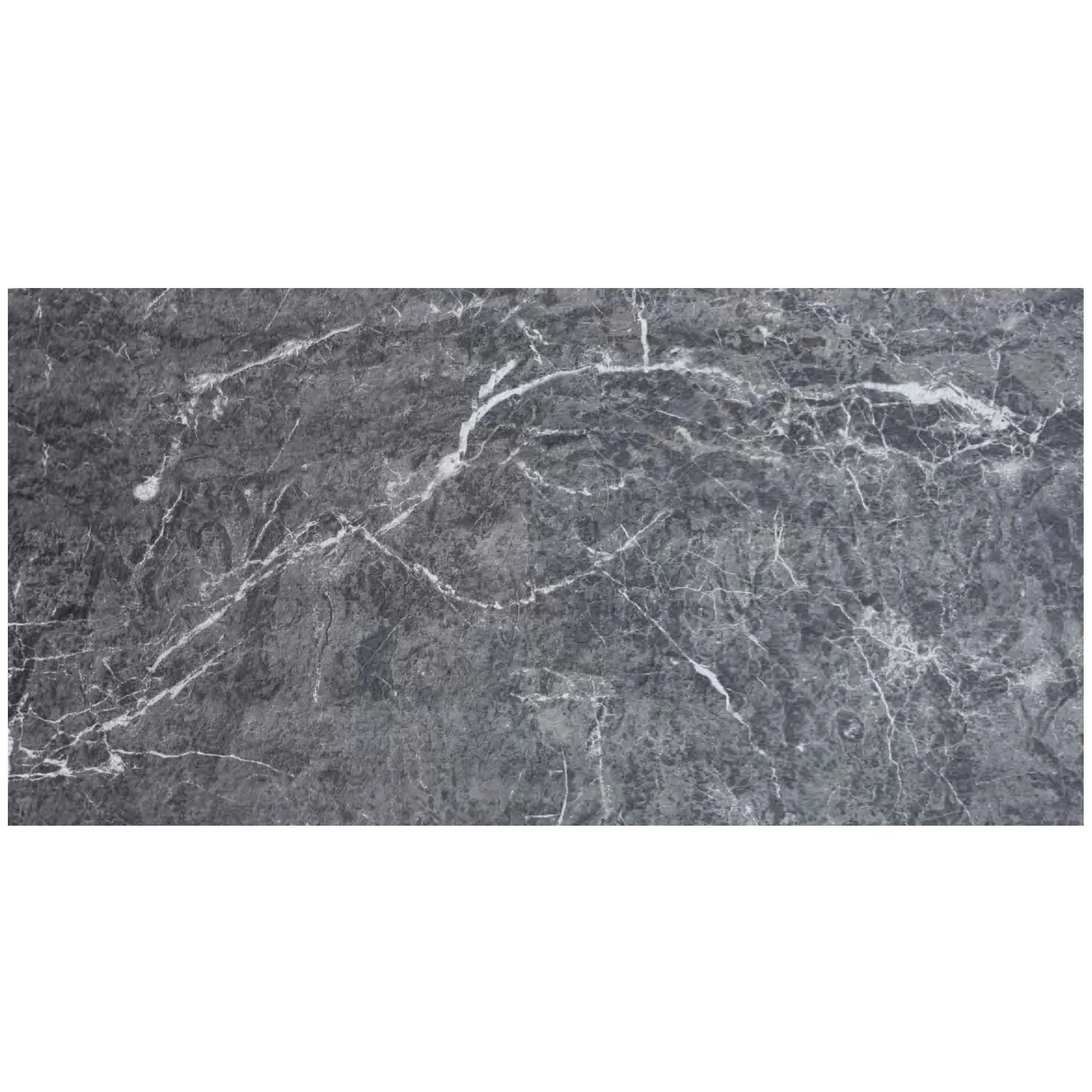
The facade of a building is more than just a protective layer—it's the first chapter of its story. It speaks to passersby, sets the tone for the spaces within, and bridges the gap between architecture and emotion. For decades, architects and designers have turned to natural stones like granite for their durability and timeless appeal. Among these, Granite Nero Margiua has long stood out, a symbol of strength and sophistication with its deep, velvety black hue. But as modern architecture pushes boundaries—demanding lighter materials, bolder designs, and greener solutions—this traditional staple is facing a new generation of challengers: MCM materials. Let's dive into what makes Granite Nero Margiua unique, why it's no longer the only star in the show, and how MCM (Modified Composite Material) alternatives are redefining contemporary facades.
Granite Nero Margiua isn't just a stone—it's a legacy. Quarried primarily from select regions in Italy and Brazil, this natural granite is prized for its intense black background, often flecked with tiny silver or gold mineral deposits that catch the light like distant stars. Its name, "Nero Margiua," evokes a sense of luxury; "nero" meaning black in Italian, and "Margiua" hinting at its noble origins. For centuries, it has adorned the exteriors of banks, government buildings, and high-end hotels, a material that whispers "permanence."
But what truly defines Granite Nero Margiua is its density. It's a hard, heavy stone, with a compressive strength that makes it ideal for withstanding harsh weather, pollution, and the test of time. Walk through any historic district, and you'll likely spot it—chiseled into grand columns, polished into sleek cladding, or left with a rough-hewn texture to add rustic charm. Its versatility in finishes (polished, honed, flamed) has made it a go-to for designers aiming to balance elegance with resilience.
Yet, for all its strengths, Granite Nero Margiua carries limitations that clash with the demands of modern architecture. Its weight—often exceeding 200 kg per square meter—requires reinforced structural support, driving up construction costs and limiting where it can be used. Installation is labor-intensive, involving heavy machinery and skilled stonemasons, which slows down project timelines. And while its color is striking, it offers little room for customization; nature dictates its pattern, leaving designers with limited control over the final aesthetic. In a world where buildings are expected to be dynamic, sustainable, and adaptable, these constraints are becoming harder to overlook.
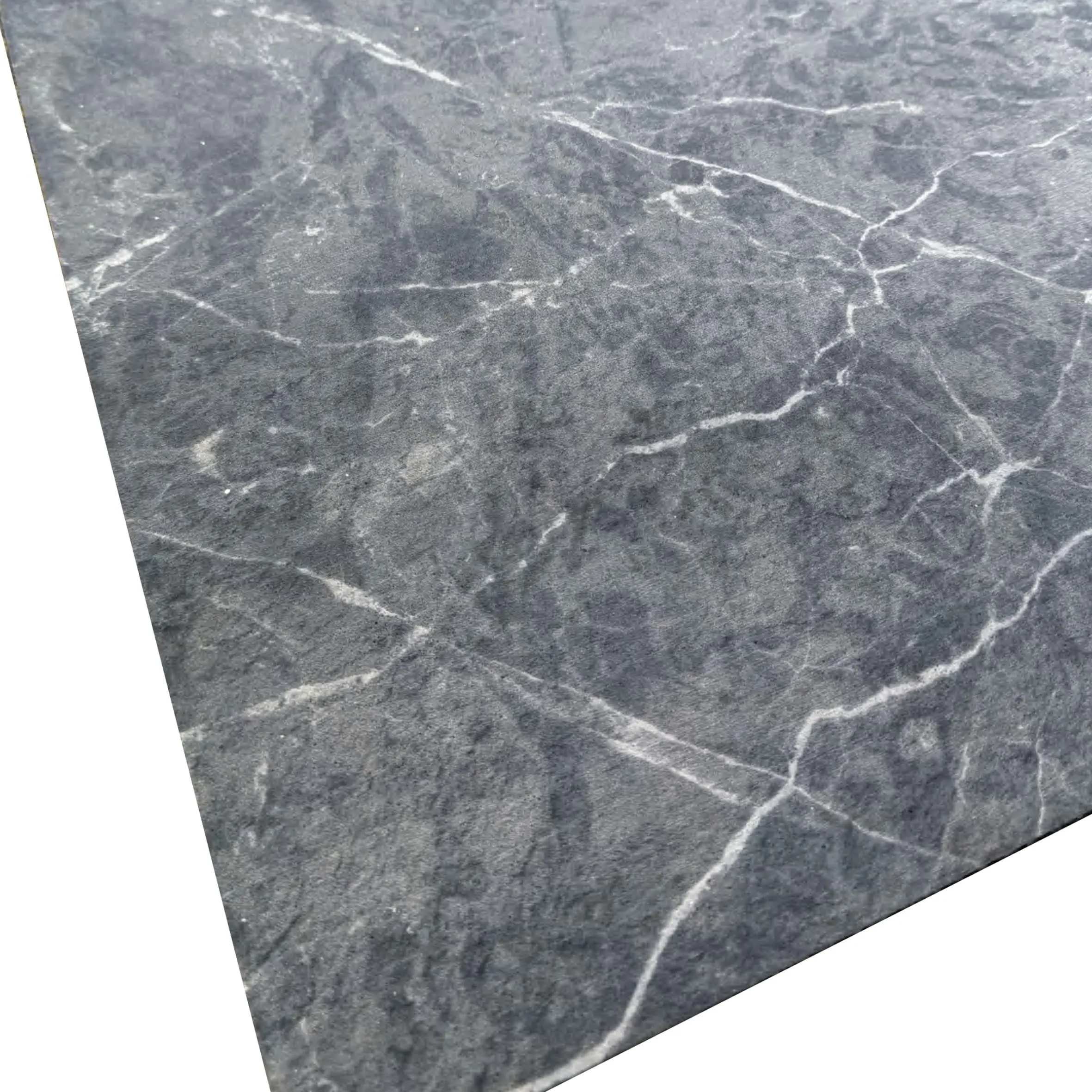
Enter MCM: Modified Composite Material. If traditional stones like Granite Nero Margiua are the grandfathers of facade materials, MCM is the innovative younger sibling—built on the wisdom of the past but reimagined for the future. MCM blends natural minerals (like stone powder or fibers) with high-performance polymers, creating a material that's lightweight, flexible, and surprisingly durable. Think of it as nature's beauty meets engineering's ingenuity.
What makes MCM a game-changer? For starters, it's lightweight —often weighing 70-80% less than natural granite. This reduces structural load, making it feasible for retrofits, high-rise buildings, and even curved or irregular surfaces where heavy stone would be impossible. Then there's design freedom : MCM can mimic the look of natural stones, metals, or wood with uncanny accuracy, but with endless color, texture, and pattern options. Want a facade that shimmers like starlight or has the weathered charm of aged metal? MCM delivers.
Sustainability is another key advantage. Unlike natural stone quarrying, which can disrupt ecosystems, MCM production uses fewer resources and generates less waste. Many MCM products are also recyclable or contain recycled materials, aligning with the growing demand for eco-conscious construction. And let's not forget durability : MCM resists fading, cracking, and moisture, standing up to extreme temperatures and urban pollution just as well as traditional stone—often with lower maintenance costs over time.
In short, MCM materials aren't just alternatives to Granite Nero Margiua—they're upgrades. They let architects dream bigger, builders work smarter, and property owners invest in materials that look good and do good. Now, let's explore some of the most exciting MCM alternatives that are stealing the spotlight in contemporary facade design.
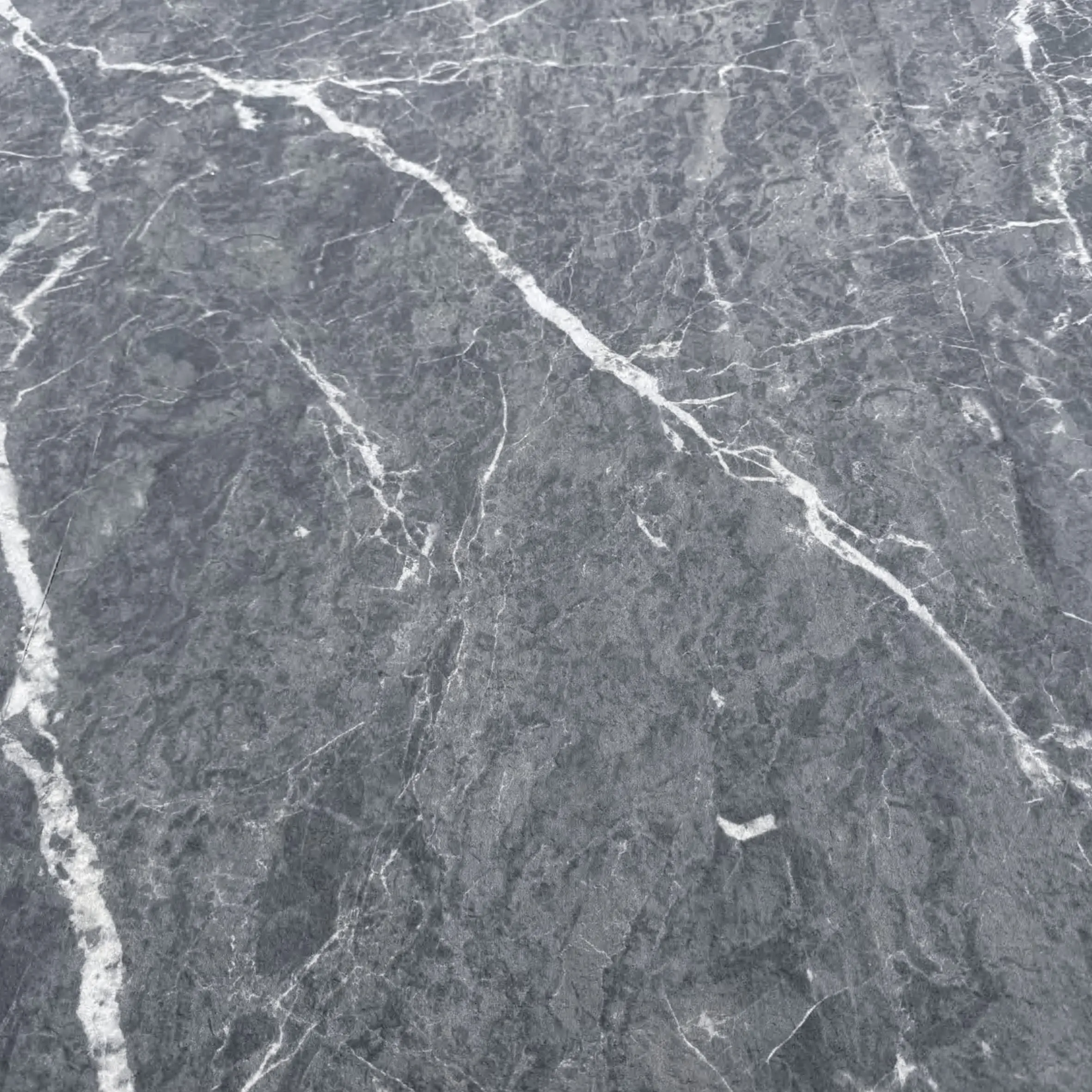
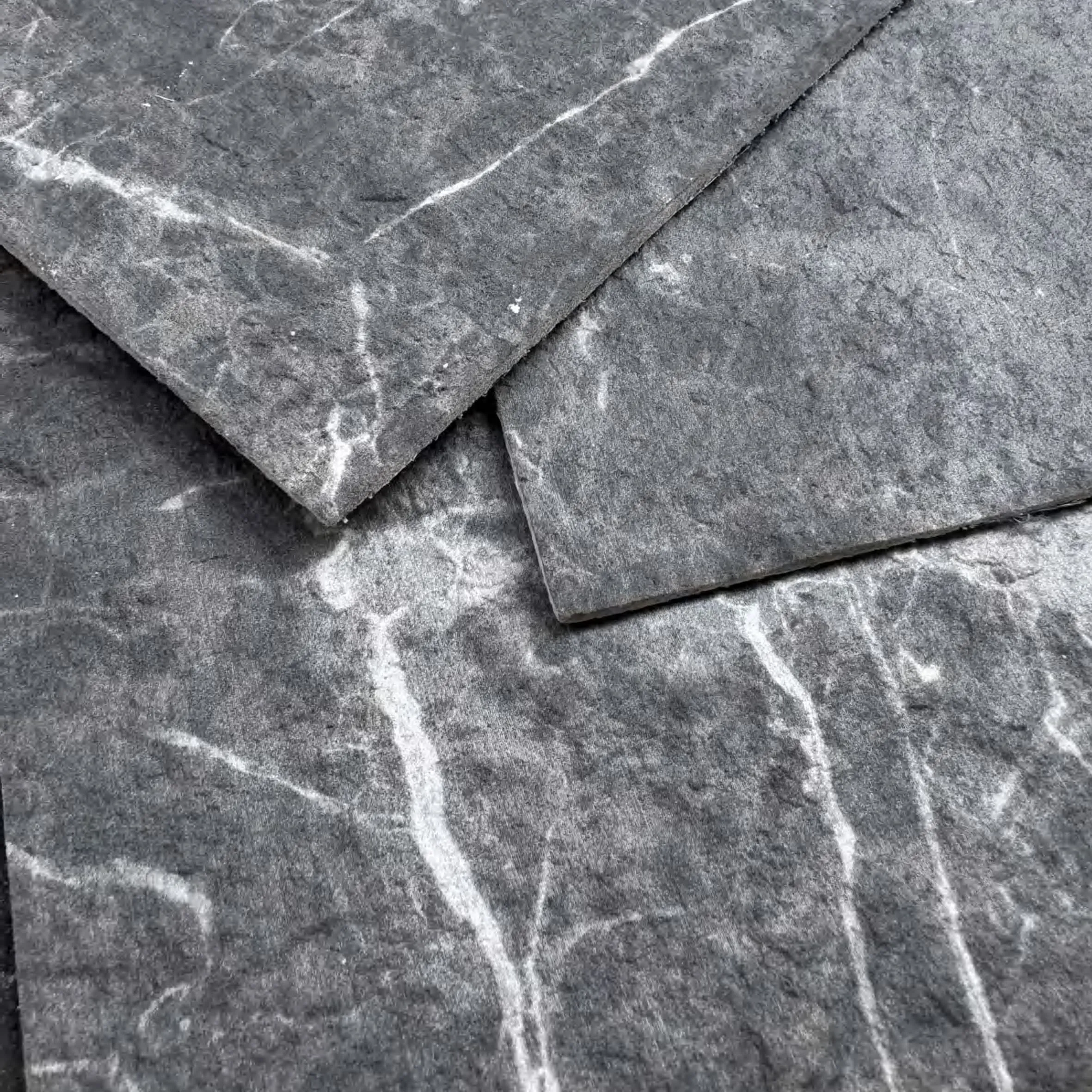
If you love the organic texture of natural stone but crave flexibility, MCM flexible stone is your answer. This material mimics the look of quarried stone—think rough-hewn granite, weathered limestone, or even crystalline marble—but with a bendable, sheet-like form. It's made by combining stone particles with a polymer matrix, resulting in a thin (often 3-5mm thick) panel that can wrap around columns, arches, or curved walls with ease.
What sets MCM flexible stone apart is its versatility. It comes in a range of colors, from deep charcoal (reminiscent of Granite Nero Margiua) to warm terracottas and soft beiges, and can be finished to look polished, honed, or even "split-faced" for a rugged aesthetic. Installation is a breeze compared to natural stone: it's lightweight enough to be cut on-site with standard tools and adhered directly to substrates like concrete or metal. For commercial buildings aiming for a rustic-industrial vibe or residential projects wanting a cozy, earthy feel, MCM flexible stone checks all the boxes.
For a facade that blends modern edge with timeless elegance, look no further than foamed aluminium alloy board in vintage silver. This MCM material takes the sleekness of aluminium and adds a touch of nostalgia with its "vintage" finish—think soft, muted silver with subtle texture that mimics aged metal. Unlike solid aluminium, the foamed structure makes it incredibly lightweight (around 3-5 kg per square meter) while maintaining strength and corrosion resistance.
Vintage silver foamed aluminium alloy board is a favorite for contemporary commercial spaces, such as tech offices, boutique hotels, or art galleries. Its metallic sheen catches the light beautifully, changing appearance from dawn to dusk—warm and golden at sunrise, cool and silvery under midday sun, and glowing softly at twilight. It pairs stunningly with glass or wood accents, adding depth to facades without overwhelming them. And because it's resistant to rust and fading, it stays looking fresh for decades, making it a smart long-term investment.
If you're drawn to the drama of Granite Nero Margiua's black hue but want more texture and character, boulder slab in vintage black is a showstopper. This MCM material mimics the look of massive, weathered boulders—think jagged edges, natural pits, and a rich, matte black finish that feels both primal and refined. It's as if a piece of the mountain was gently sliced and polished, then made lightweight enough for modern construction.
Vintage black boulder slab is perfect for making a bold statement. Imagine a boutique hotel with a facade that looks like it's carved from ancient rock, or a cultural center that blends into a natural landscape while still standing out. The material's rough texture adds tactile interest, inviting touch and creating dynamic shadows as light moves across it. And because it's MCM, it's easy to install in large panels, reducing seams and creating a seamless, monolithic look that's hard to achieve with natural stone.
For something truly out of this world, travertine (starry blue) MCM brings the magic of the night sky to building facades. Travertine is a natural stone known for its porous, pitted surface, but MCM takes it a step further: "starry blue" features tiny, iridescent particles embedded in a deep blue base, mimicking stars twinkling in a midnight sky. It's a material that blurs the line between architecture and art.
Starry blue travertine MCM is ideal for buildings that aim to inspire—museums, planetariums, or even residential projects with a whimsical streak. Its color shifts subtly depending on the light: by day, it's a calm, deep blue with hints of silver; by night, when illuminated, the "stars" glow, turning the facade into a celestial canvas. And like all MCM materials, it's lightweight and durable, making it suitable for both low-rise and high-rise applications. It's proof that facades don't have to be boring—they can tell stories, evoke wonder, and connect us to something larger than ourselves.
Last but never least, fair-faced concrete MCM offers a minimalist, industrial-chic alternative to Granite Nero Margiua. "Fair-faced" refers to concrete that's left exposed, with its natural texture and color on full display—no paint, no cladding, just the raw beauty of the material itself. MCM fair-faced concrete captures this aesthetic perfectly, with a smooth yet slightly tactile surface that feels both modern and timeless.
What makes this MCM variant special is its versatility. It comes in shades ranging from soft gray to deep charcoal, and can be customized with patterns, textures, or even embedded aggregates for added interest. It's a favorite among architects who embrace the "less is more" philosophy—think sleek office buildings, minimalist homes, or cultural spaces where the focus is on form and light. Fair-faced concrete MCM is also incredibly durable, resistant to fire and moisture, and requires little maintenance, making it a practical choice for busy urban environments. It's a reminder that sometimes, the most powerful designs are the ones that let the material speak for itself.
| Material | Weight (kg/m²) | Durability | Installation Ease | Design Flexibility | Sustainability |
|---|---|---|---|---|---|
| Granite Nero Margiua (Traditional) | 200-250 | High (resistant to wear, but prone to cracking if not supported) | Low (requires heavy machinery and skilled labor) | Limited (natural patterns, fixed colors) | Low (quarrying disrupts ecosystems, high transportation emissions) |
| MCM Flexible Stone | 8-12 | High (resistant to fading, moisture, and impact) | High (lightweight, cuttable on-site, adhesive installation) | High (custom colors, textures, and finishes; bendable) | High (minimal waste, recycled materials option) |
| Foamed Aluminium Alloy Board (Vintage Silver) | 3-5 | Very High (corrosion-resistant, fire-retardant) | High (lightweight, easy to cut and shape) | High (metallic finishes, custom sizes) | Medium-High (recyclable aluminium, low production waste) |
| Boulder Slab (Vintage Black) | 10-15 | High (weather-resistant, UV-stable) | Medium-High (lightweight but requires precise cutting for large panels) | High (textured, matte finish; mimics natural boulders) | High (low resource use, minimal quarrying impact) |
| Travertine (Starry Blue) | 7-10 | Medium-High (resistant to fading, but porous surface may need sealing) | High (flexible sheets, easy adhesion) | Very High (custom star patterns, color gradients) | High (synthetic pigments reduce need for rare natural stones) |
The future of facade design is bright—and it's flexible, lightweight, and full of personality. Granite Nero Margiua will always hold a special place in architectural history, a testament to nature's raw power and beauty. But as we build for a world that values innovation, sustainability, and creativity, MCM materials are stepping into the spotlight. They're not just replacing traditional stones—they're redefining what's possible.
Whether you're drawn to the organic texture of MCM flexible stone, the celestial charm of starry blue travertine, or the industrial elegance of fair-faced concrete, these materials offer a new language for architects and designers to tell stories through buildings. They prove that strength doesn't have to mean heaviness, and tradition doesn't have to mean rigidity. In the end, the best facades are the ones that feel alive—materials that adapt, inspire, and grow with the spaces they enclose. And with MCM leading the way, the next chapter of architectural design is sure to be unforgettable.
Recommend Products












