
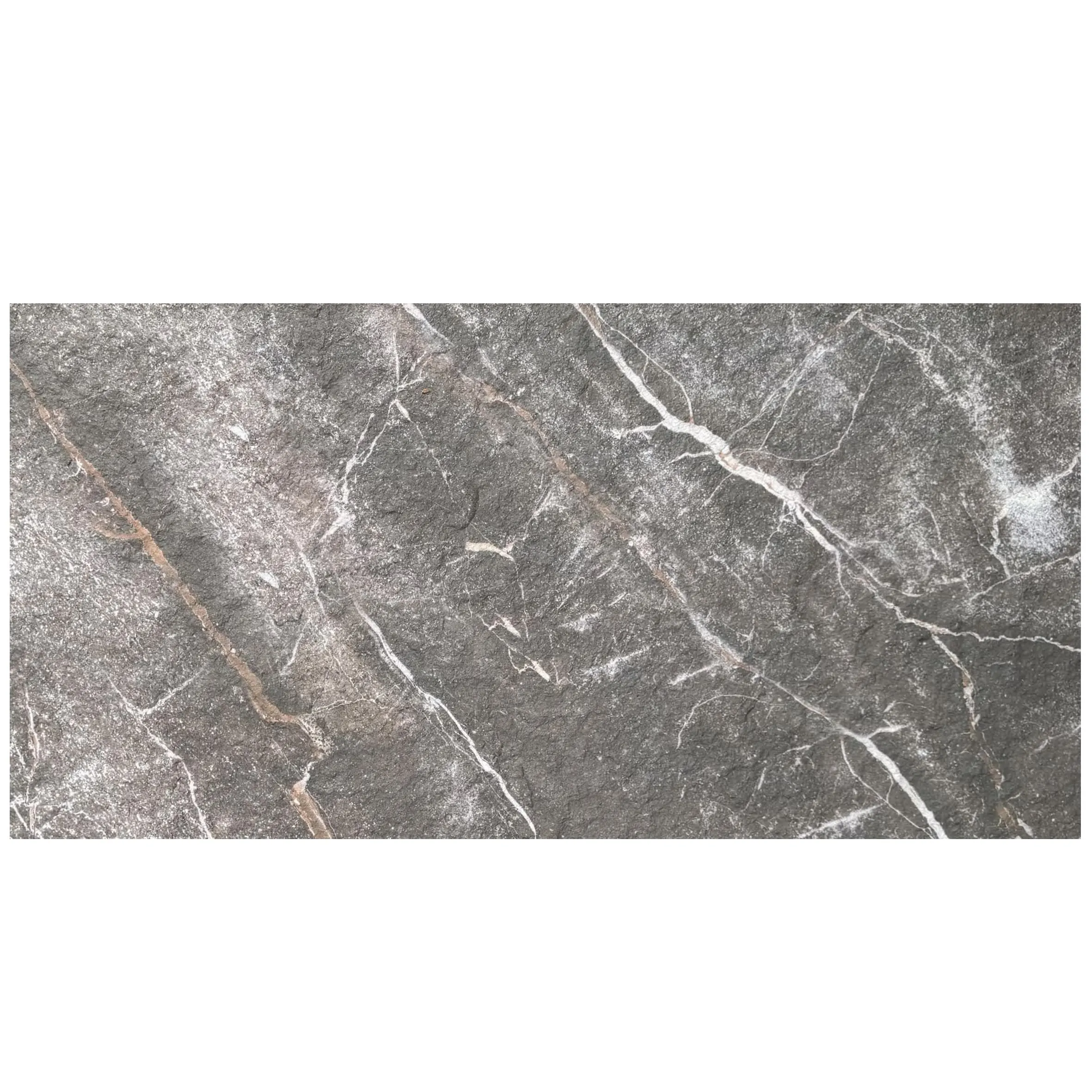
Imagine stepping into a luxury hotel lobby. The floors gleam under soft lighting, a deep, velvety black interrupted by threads of gold that catch the light like scattered sunlight. You run a hand along the wall, feeling the cool, polished surface that seems to defy time—no scratches, no wear, just a timeless elegance. Chances are, you're standing on or touching Granite Portoro. In the world of natural stone, few materials command attention quite like this striking granite. But what exactly is it? Where does it come from, and what makes it a favorite among architects and designers? Let's dive in.
First things first: Let's clear up any confusion. The name "Portoro" might ring a bell if you're familiar with marble—it's a legendary black marble from Italy, famous for its dramatic gold veins. But Granite Portoro? Think of it as marble's rugged, more durable cousin. It's a type of granite—an igneous rock formed deep within the Earth's crust—with a similar bold aesthetic: a rich black base swirled with golden, brass, or even coppery veins, often dotted with tiny flecks of white or silver. Unlike its marble namesake, though, Granite Portoro brings the best of both worlds: the luxury of natural veining and the toughness that makes granite a workhorse in high-traffic spaces.
But don't let the "granite" label fool you into thinking it's all brawn and no beauty. What sets Granite Portoro apart is its balance of strength and artistry. Each slab is a one-of-a-kind masterpiece, with veins that twist and turn like rivers of liquid gold through a midnight landscape. It's the kind of stone that doesn't just decorate a space—it transforms it, adding depth, drama, and a touch of old-world opulence.
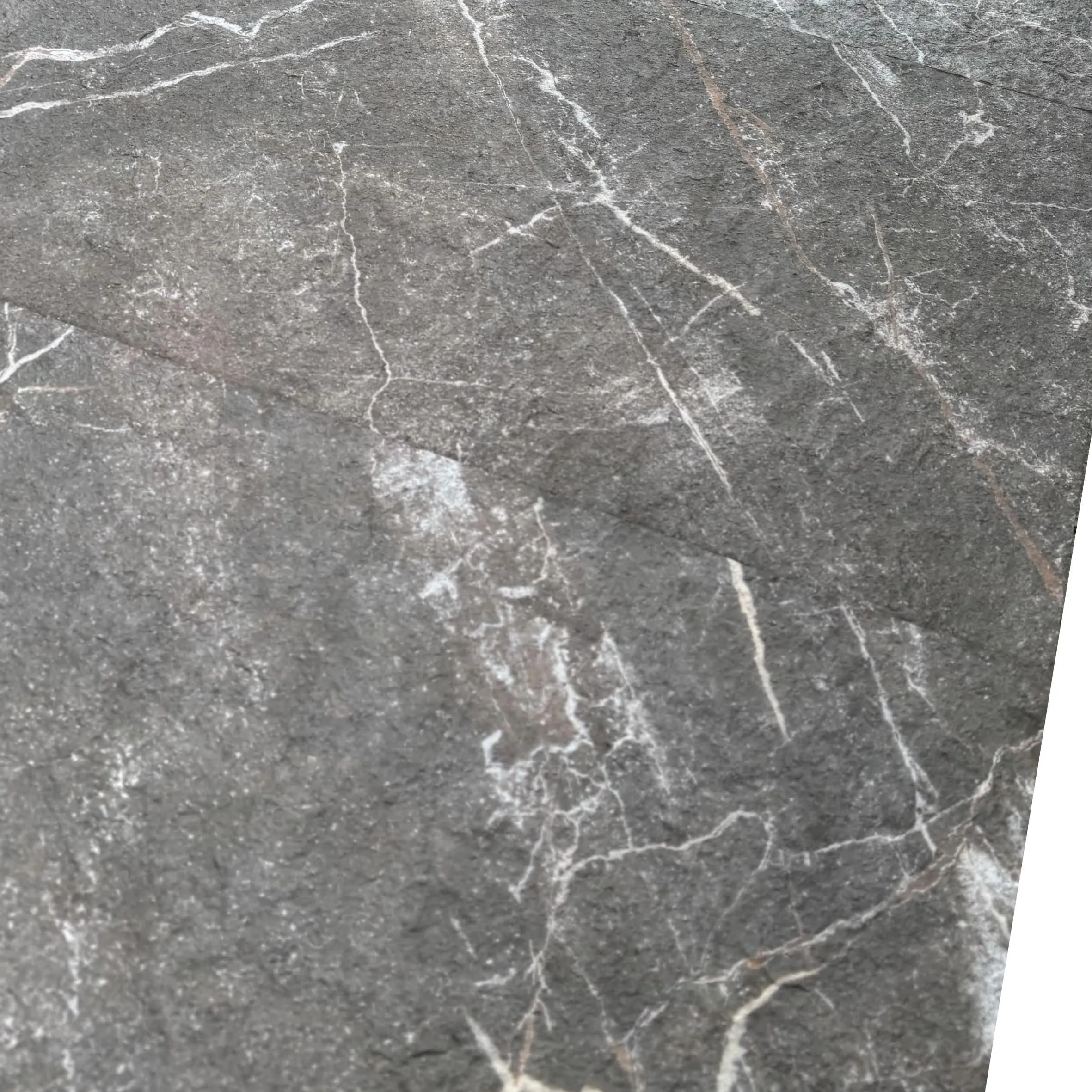
To understand Granite Portoro, we need to travel back millions of years—long before humans ever picked up a chisel. Granite itself forms when magma (molten rock) cools slowly beneath the Earth's surface, allowing minerals like quartz, feldspar, and mica to crystallize and grow. The result? A coarse-grained rock with a structure that's both strong and visually complex.
Granite Portoro's unique color palette comes from the specific mix of minerals in its composition. The deep black base is often due to biotite (a dark mica) or hornblende, while the golden veins? That's likely feldspar, stained by iron oxides, or pyrite (fool's gold) adding those metallic flashes. Geologists believe most Granite Portoro deposits formed in regions with high volcanic activity, where the slow cooling of magma allowed these minerals to separate and create those signature patterns.
While exact quarry locations are closely guarded secrets (mining companies love their exclusivity), Granite Portoro is most famously sourced from quarries in Brazil and India, though smaller deposits have been found in parts of Africa. These quarries are like treasure hunts—miners carefully extract large blocks, which are then sliced into slabs, polished, and shipped worldwide to become countertops, floors, and statement walls.
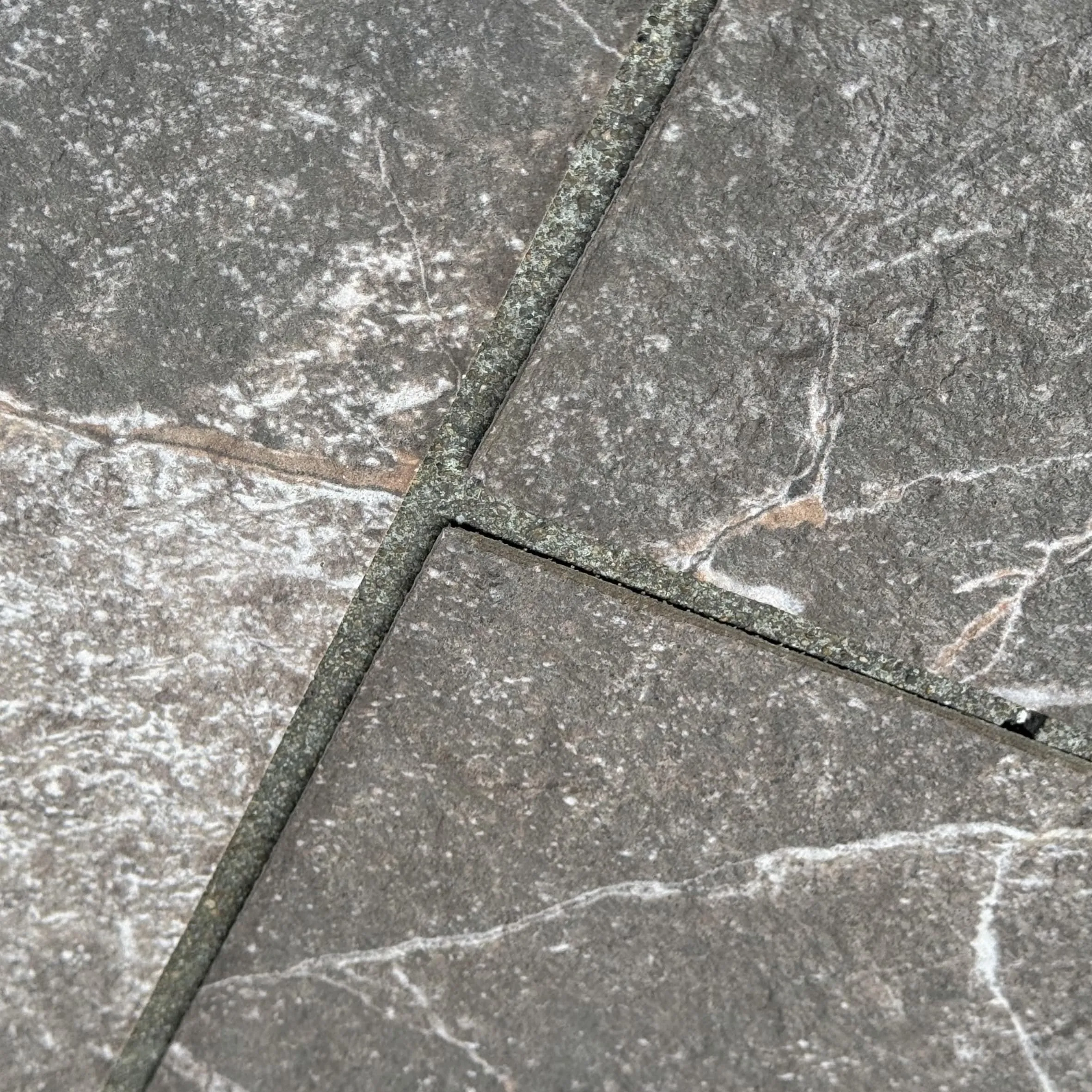
Beauty is subjective, but durability? That's science. Let's break down what makes Granite Portoro not just pretty, but practical.
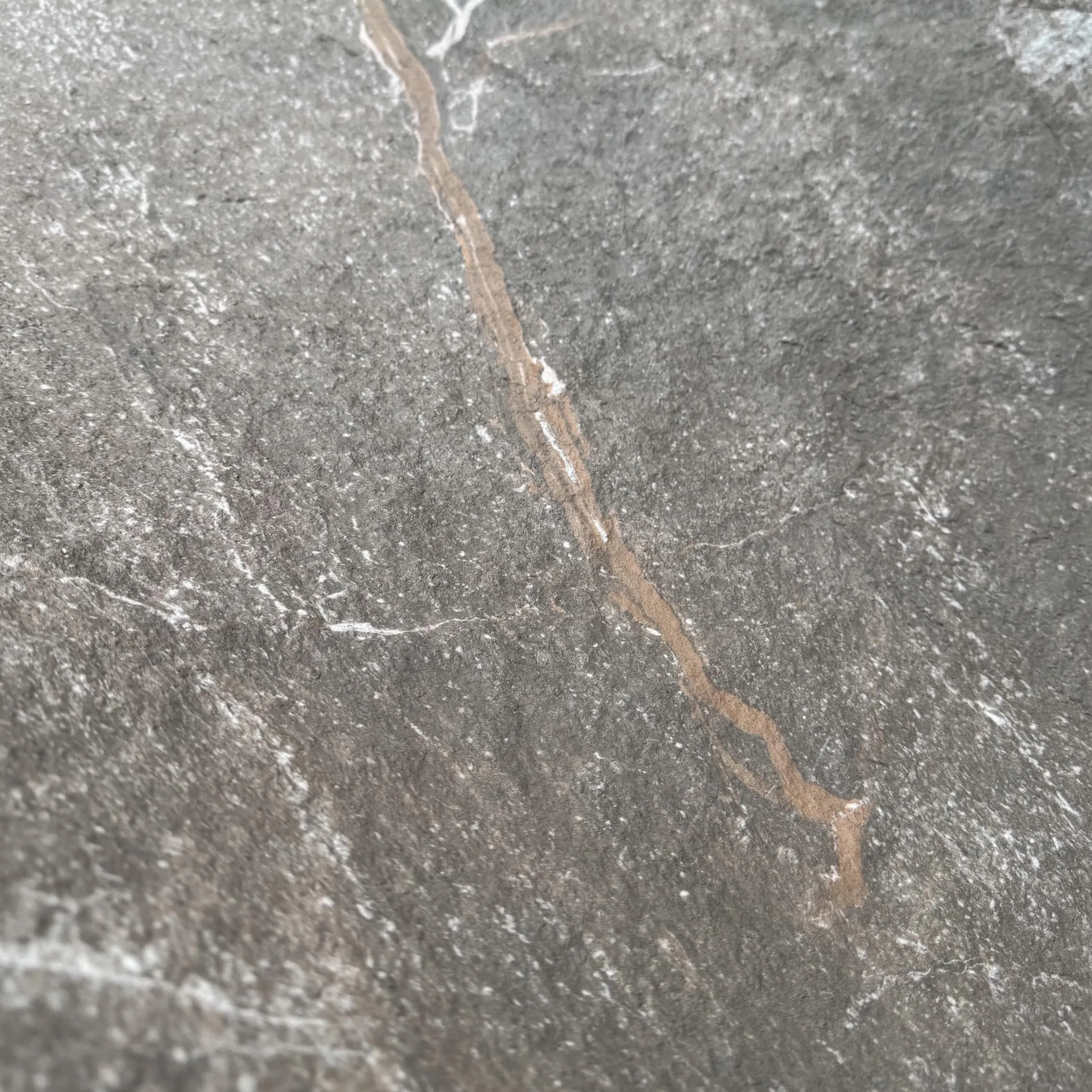
At first glance, Granite Portoro is all about contrast. The base color ranges from jet black to deep charcoal, with veins that can be bright gold, warm brass, or even coppery orange. Some slabs have thin, wispy veins that look painted on; others feature thicker, more dramatic streaks that resemble lightning bolts. Tiny white or silver flecks (often quartz or feldspar) add subtle texture, catching the light and preventing the stone from feeling flat.
When polished, the surface becomes mirror-like, highlighting every vein and fleck. But it can also be honed (matte) for a more understated, rustic look—though most designers opt for polished to maximize that "wow" factor.
Granite is known for being tough, and Portoro is no exception. On the Mohs scale of mineral hardness (which ranges from 1, talc, to 10, diamond), granite typically scores a 6-7. That means it's resistant to scratches from everyday items like keys or kitchen utensils. It's also heat-resistant—you could set a hot pan on a Granite Portoro countertop without worrying about burns (though we still recommend trivets, just to be safe).
Granite is less porous than marble or travertine, which is a big win for busy spaces. Unsealed, it might absorb liquids, but a good sealant (applied every 1-3 years) creates a barrier against stains from coffee, wine, or oil. Compare that to, say, Travertine (Starry Blue)—a stone with natural pits and pores that needs more frequent sealing—and you'll see why Granite Portoro is a favorite for high-use areas.
Granite is dense, which means it's heavy. A typical 2cm slab can weigh around 13 pounds per square foot, so installation requires professionals. But that density is a plus: it makes the stone resistant to chipping and cracking, even in high-traffic areas like hotel lobbies or airport terminals.
To really appreciate Granite Portoro, let's see how it holds up against other popular stones. We'll pit it against three contenders: Marble Interstellar Gray , Travertine (Starry Blue) , and Fair-faced Concrete .
| Feature | Granite Portoro | Marble Interstellar Gray | Travertine (Starry Blue) | Fair-faced Concrete |
|---|---|---|---|---|
| Base Color | Black/charcoal | Light to medium gray | Pale blue with dark veins | Gray (varies by mix) |
| Pattern | Bold gold/brass veins | Subtle, cloud-like veining | Porous with "stars" (holes) and blue-gray swirls | Industrial, uniform with slight texture |
| Hardness (Mohs) | 6-7 | 3-4 (softer, prone to scratches) | 4-5 (porous, needs sealing) | 5-6 (depends on curing) |
| Best For | High-traffic, luxury spaces | Low-traffic, elegant interiors (walls, fireplaces) | Accent walls, outdoor patios (with sealing) | Modern, industrial designs |
| Maintenance | Low (seal every 1-3 years) | High (seal monthly, avoid acidic cleaners) | Medium (seal every 6 months, fill pores) | Low (seal annually, resistant to stains) |
So, what's the takeaway? If you want drama and durability, Granite Portoro is hard to beat. Marble Interstellar Gray is softer and more delicate—gorgeous for a bedroom wall, but not ideal for a kitchen. Travertine (Starry Blue) has a unique, organic charm but needs more TLC. Fair-faced concrete is trendy and budget-friendly, but lacks the natural artistry of Granite Portoro.
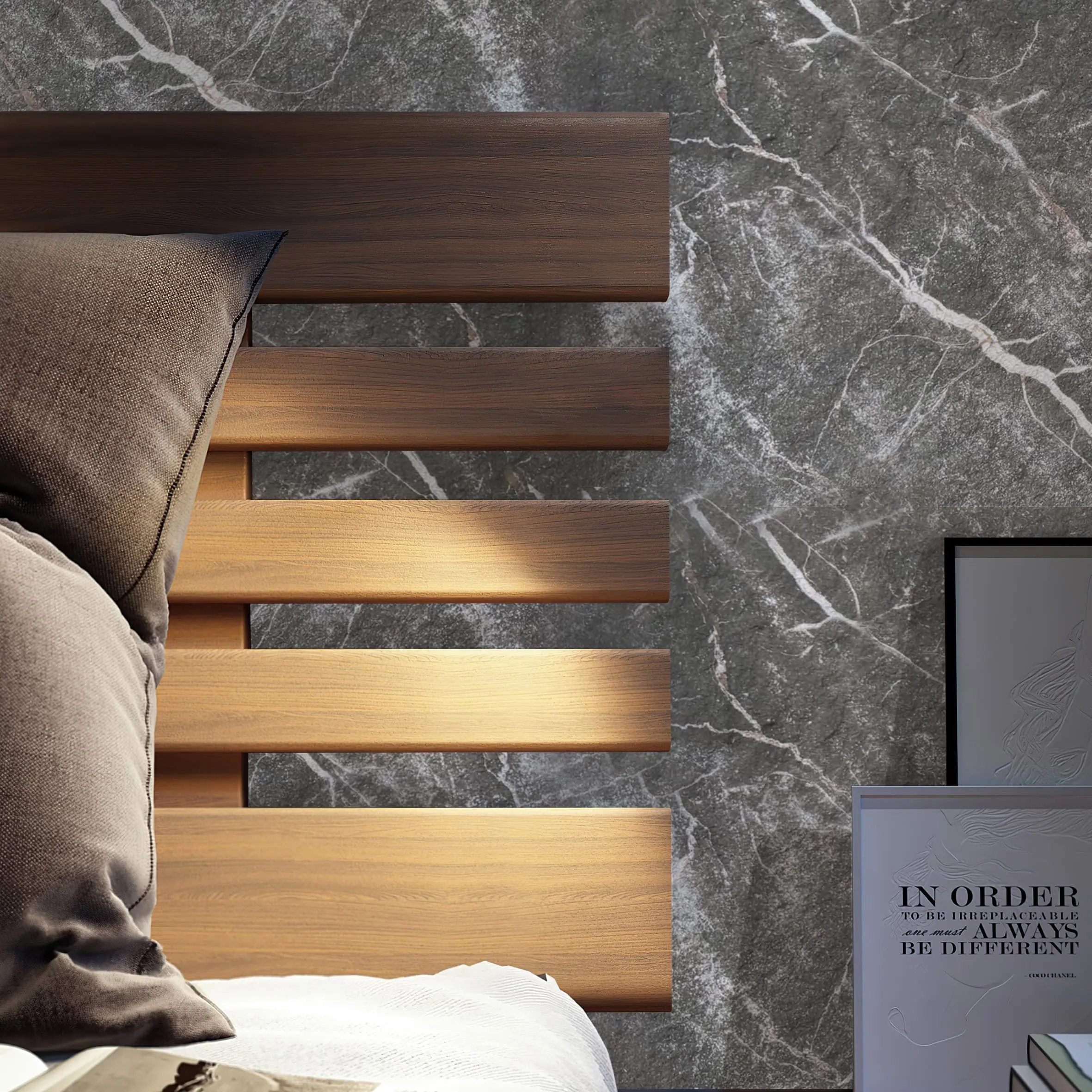
Granite Portoro isn't just a stone—it's a statement. Here are some of the most popular ways designers and architects use it:
Imagine a sleek, modern kitchen with white cabinetry and stainless steel appliances. The countertop? A slab of Granite Portoro, its black surface making the gold veins pop like jewelry. It's heat-resistant (perfect for hot pots), scratch-resistant (no need to panic over a dropped knife), and its non-porous surface (when sealed) means spills wipe right up. It's a workhorse that feels luxurious.
In high-end hotels, lobbies, and luxury homes, Granite Portoro floors are showstoppers. Polished slabs reflect light, making spaces feel larger, while the bold pattern adds visual interest without overwhelming. On walls, it can be used as an accent (think a fireplace surround or a feature wall in a dining room) or full coverage for a dramatic, cocoon-like effect.
Thanks to its resistance to weather, UV rays, and frost, Granite Portoro works outdoors too. Picture a patio with a Portoro dining table, or steps leading up to a pool, their black surfaces contrasting beautifully with greenery. Just avoid honed finishes outdoors—polished can get slippery when wet.
The Grand Azure, a 5-star hotel in Dubai, used Granite Portoro throughout its lobby and spa. The lobby features a sweeping staircase with Portoro treads, their gold veins catching the light from the glass ceiling. In the spa, a wall of honed Granite Portoro adds warmth to the minimalist design, proving that even in serene spaces, this stone can feel calm and luxurious.
Granite Portoro is tough, but it's not invincible. With a little care, it'll stay stunning for decades:
Even though granite is low-porosity, sealing is a must—especially for countertops and floors. Most installers seal it before delivery, but you'll need to re-seal every 1-3 years (check with a water test: sprinkle water on the surface; if it beads up, it's sealed; if it soaks in, it's time to reseal).
Stick to mild soap and warm water for daily cleaning. Avoid acidic cleaners (vinegar, lemon, bleach) as they can etch the surface over time. For tough stains (like wine or oil), make a paste of baking soda and water, let it sit for 10-15 minutes, then wipe away.
Use coasters under glasses, trivets under hot pans, and cutting boards on countertops. While Granite Portoro resists scratches, dragging heavy furniture across floors can still cause damage—use felt pads on chair legs.
In a world of synthetic materials and quick trends, Granite Portoro is a reminder of nature's artistry. It's bold yet versatile, durable yet luxurious, making it a favorite for designers who want spaces that feel both timeless and alive. Whether you're remodeling a kitchen, designing a hotel, or just dreaming of your future home, Granite Portoro isn't just a stone—it's a legacy. And that, in a world that's always rushing, is something truly precious.
Recommend Products












