
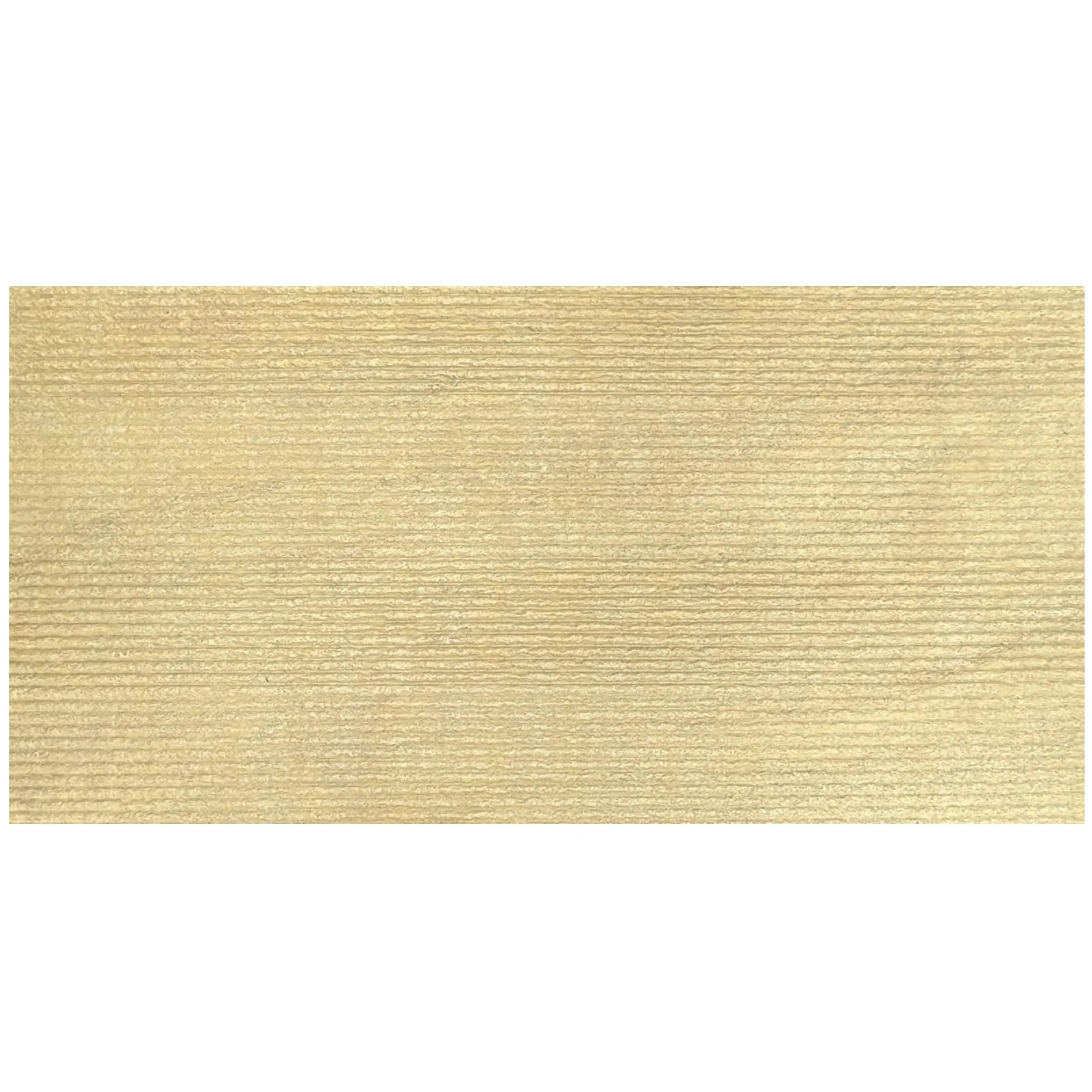
In the world of architecture and design, natural stone has long been more than just a building material—it is a storyteller. From the towering pyramids of Egypt to the intricate carvings of Indian temples, stone has carried the weight of history, culture, and human ingenuity. Among the myriad of natural stones that grace our built environment, one name has been quietly gaining prominence for its unique blend of earthiness, durability, and timeless charm: Gravel Omani Stone. Hailing from the arid landscapes of Oman, this stone is not just a product of geological processes but a testament to the region's rich heritage and the resilience of nature. In this article, we will delve deep into the heart of Gravel Omani Stone, exploring its definition, tracing its origins, examining its key characteristics, and understanding why it has become a favorite among architects, designers, and homeowners alike. Whether you are a design enthusiast, a professional in the construction industry, or simply someone who appreciates the beauty of natural materials, join us on a journey to uncover the allure of this extraordinary stone.
At its core, Gravel Omani Stone is a sedimentary rock formed over millions of years through the accumulation and compaction of gravel-sized particles, minerals, and organic matter. What sets it apart from other sedimentary stones like sandstone or limestone is its distinct gravelly texture—a result of the varying sizes of rock fragments (ranging from 2mm to 64mm) embedded within its matrix. These fragments, often composed of quartz, feldspar, and other minerals, give the stone its characteristic "speckled" appearance, as if the earth itself has sprinkled a handful of stars into its surface. Unlike uniform stones such as marble or granite, Gravel Omani Stones imperfection, with each slab telling a unique story of the geological forces that shaped it.
Geologically speaking, Gravel Omani Stone is classified as a conglomerate —a type of sedimentary rock made up of rounded or angular clasts (gravel-sized particles) cemented together by a fine-grained matrix. The cementing material in Gravel Omani Stone is typically calcium carbonate, silica, or iron oxide, which not only binds the fragments but also contributes to the stone's color palette. Depending on the minerals present, the stone can range from warm beige and terracotta to deeper hues of rust and amber, with the gravel fragments adding contrast and depth. This natural variation is one of its most celebrated features, as no two pieces of Gravel Omani Stone are exactly alike, making each installation a one-of-a-kind work of art.
Beyond its geological definition, Gravel Omani Stone is also defined by its cultural and practical identity. In Oman, where it is quarried, the stone is known locally as "Hajar al-Ramal," translating to "stone of the sand," a nod to its origins in the country's desert and wadi (valley) regions. For centuries, it has been used by local craftsmen to build homes, fortresses, and even ancient trade routes—earning it a place alongside materials like historical pathfinders stone as a symbol of Omani resilience and resourcefulness. Today, as modern technology meets traditional craftsmanship, Gravel Omani Stone has evolved from a regional building material to a global design icon, cherished for its ability to bridge the gap between the past and the present.
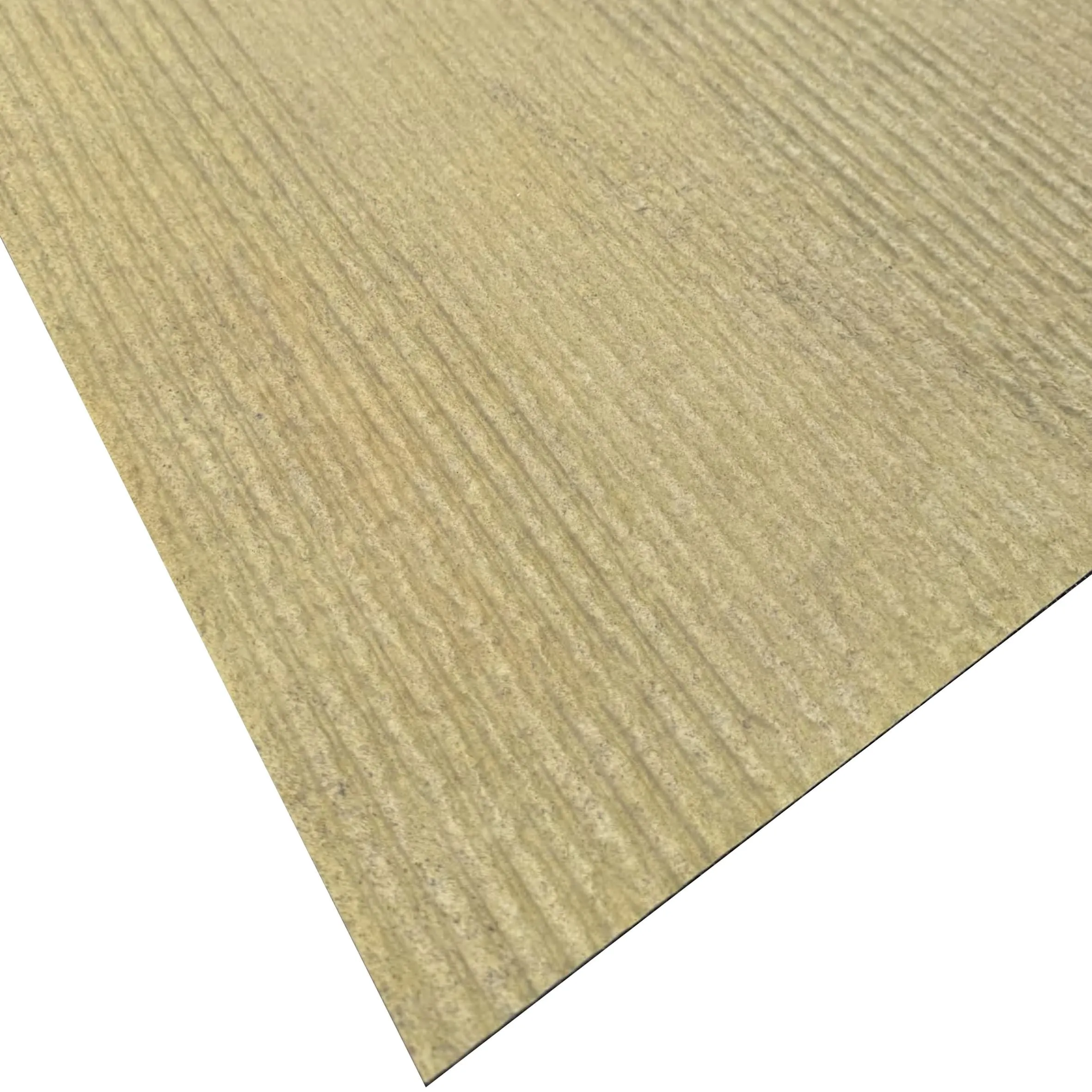
To understand the origins of Gravel Omani Stone, we must first turn to the geological landscape of Oman—a country where mountains, deserts, and coastlines collide to create a playground for rock formation. Located on the southeastern coast of the Arabian Peninsula, Oman is home to the Hajar Mountains, a range that stretches over 700 kilometers and rises to heights of over 3,000 meters. It is here, in the wadis (dry riverbeds) and alluvial plains at the foot of these mountains, that Gravel Omani Stone is formed. For millions of years, the Hajar Mountains have been subjected to erosion by wind, rain, and flash floods, which have broken down larger rocks into gravel-sized fragments. These fragments are then carried downstream by seasonal rivers, deposited in low-lying areas, and over time, compressed and cemented together by minerals dissolved in groundwater. The result is the unique conglomerate we know today as Gravel Omani Stone.
The specific conditions of Oman's climate play a crucial role in shaping the stone's characteristics. The region's extreme temperature fluctuations—scorching heat during the day and cool nights—cause rocks to expand and contract, accelerating weathering and fragment formation. Meanwhile, occasional heavy rains trigger flash floods in the wadis, which transport the gravel fragments over long distances, rounding their edges and sorting them by size. This process, known as "fluvial sorting," ensures that the gravel in Gravel Omani Stone is relatively uniform in size, giving the stone its balanced, aesthetically pleasing texture. Additionally, the high mineral content in Oman's groundwater, rich in calcium and iron, contributes to the stone's strong cementation and vibrant coloration—with iron oxide, for example, infusing the matrix with warm reds and oranges.
Gravel Omani Stone's story is not just one of geology—it is also a tale of human ingenuity. For centuries, the people of Oman have relied on local materials to build their communities, and Gravel Omani Stone has been a staple in their architectural toolkit. Historical records and archaeological findings suggest that the stone was used in the construction of ancient forts, such as the 17th-century Nizwa Fort, where its durability and availability made it ideal for withstanding attacks and the harsh desert climate. Local legend even claims that historical pathfinders stone —a term used to describe stones that marked trade routes and water sources in the desert—often included fragments of Gravel Omani Stone, due to its visibility and resistance to weathering. These pathfinders, etched with symbols or piled into cairns, guided travelers across Oman's vast deserts, turning the stone into a silent navigator of human journeys.
In traditional Omani architecture, Gravel Omani Stone was often used in conjunction with mud bricks and palm fronds, creating structures that were not only functional but also in harmony with the environment. The stone's natural insulation properties helped keep homes cool in the summer and warm in the winter, a testament to the wisdom of desert dwellers. Even today, in rural parts of Oman, you can find villages where Gravel Omani Stone walls still stand, their surfaces weathered by time but their structure unyielding. This deep-rooted cultural connection has ensured that the stone is not just a material but a symbol of national identity, cherished for its role in preserving Oman's heritage.
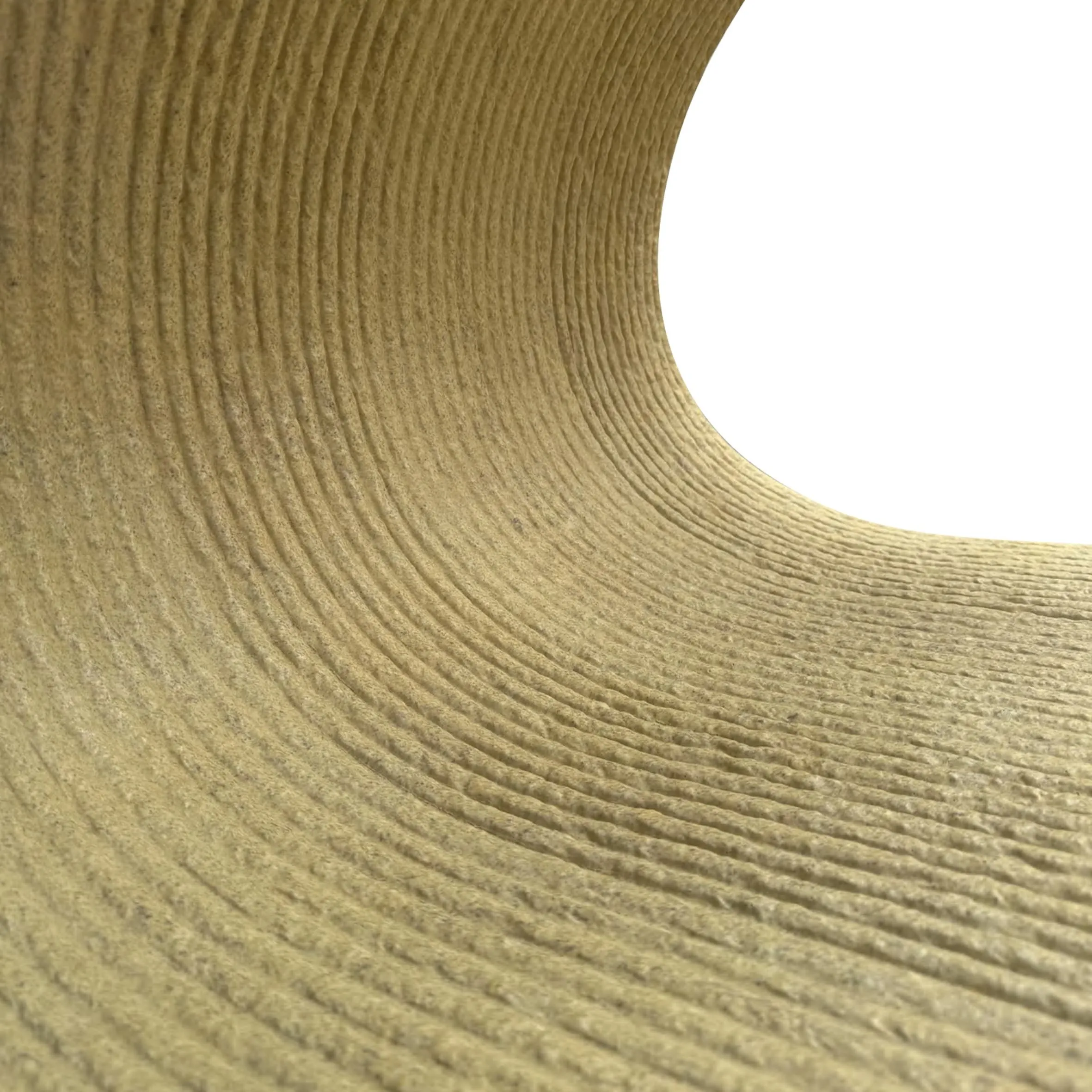
Gravel Omani Stone's growing popularity is no accident—it boasts a set of characteristics that make it stand out in a crowded market of natural and synthetic materials. From its tactile texture to its impressive durability, let's explore the features that define this extraordinary stone.
Perhaps the most immediately striking feature of Gravel Omani Stone is its texture. Run your hand over a slab, and you'll feel the distinct crunch of gravel fragments beneath your fingertips—a tactile experience that synthetic materials like fair-faced concrete or even polished marble cannot replicate. The gravel particles, ranging from fine pebbles to small stones, create a surface that is both rough and smooth, with the matrix (the fine-grained material binding the gravel) filling in the gaps and softening the overall feel. This duality of texture—rough yet refined—adds depth to any space, making walls, floors, or countertops feel alive with movement and history.
The stone's texture also plays a practical role. Its slightly uneven surface provides traction, making it ideal for flooring in areas prone to moisture, such as bathrooms, kitchens, or outdoor patios. Unlike polished stones, which can be slippery when wet, Gravel Omani Stone's gravelly finish reduces the risk of slips and falls, combining safety with aesthetics. Additionally, the texture helps to mask minor scratches and stains, making the stone a low-maintenance option for high-traffic areas—a quality that has endeared it to both homeowners and commercial property managers.
In the world of natural stones, durability is non-negotiable—and Gravel Omani Stone delivers in spades. Thanks to its strong cementation and the hardness of its gravel components (quartz, in particular, is one of the hardest minerals on Earth), the stone is highly resistant to wear and tear. It scores a 6-7 on the Mohs scale of mineral hardness, placing it above materials like marble (3-4) and on par with many granites. This means it can withstand heavy foot traffic, impacts, and even the weight of furniture without chipping or cracking.
Another key durability feature is its resistance to weathering. Gravel Omani Stone's low porosity (a result of its dense cementation) makes it less susceptible to water absorption, reducing the risk of freeze-thaw damage in cold climates and mold growth in humid environments. It also holds up well against UV radiation, with its color fading minimally even after years of exposure to sunlight. This makes it suitable for both indoor and outdoor applications, from exterior cladding to pool surrounds. In fact, in Oman, where temperatures can exceed 50°C (122°F) in the summer, Gravel Omani Stone walls have been known to last for decades without significant deterioration—a testament to its resilience.
Gravel Omani Stone's versatility is another feather in its cap. Unlike some natural stones that are limited to specific applications (e.g., marble for countertops, slate for roofing), Gravel Omani Stone adapts to a wide range of uses, both residential and commercial. Its ability to be cut into various sizes and shapes—from large slabs for flooring to small tiles for backsplashes—makes it a flexible choice for designers. For example, in a modern kitchen, large-format Gravel Omani Stone countertops can serve as a bold focal point, while smaller tiles can add texture to a bathroom shower wall. Externally, the stone can be used for cladding, paving, or even garden features like retaining walls or water fountains.
The stone also pairs beautifully with other materials, allowing designers to create layered, visually interesting spaces. For instance, combining Gravel Omani Stone with MCM flexible stone —a modern composite material known for its lightweight and customizable designs—can balance the warmth of natural stone with the sleekness of contemporary aesthetics. In a living room, Gravel Omani Stone fireplace surrounds can be complemented by MCM flexible stone accent walls, creating a space that feels both grounded and cutting-edge. Similarly, pairing the stone with wood or metal accents enhances its earthy charm, making it suitable for styles ranging from rustic to industrial.
Last but certainly not least, Gravel Omani Stone is a visual delight. Its color palette, inspired by the Omani desert, ranges from soft beige and cream to rich terracotta, rust, and amber, with the gravel fragments adding pops of white, gray, or black. This neutral yet warm spectrum makes the stone easy to integrate into any color scheme, whether you prefer muted tones or bold accents. The stone's natural variation—no two slabs are identical—adds character to spaces, avoiding the monotony of uniform synthetic materials.
In terms of finish, Gravel Omani Stone is typically left in its natural state or given a honed (matte) finish, which enhances its texture and earthiness. While polished finishes are possible, they are less common, as they tend to smooth out the stone's signature gravelly texture. Designers often opt for the natural finish to embrace the stone's raw, organic quality, which aligns with the growing trend toward "biophilic design"—an approach that seeks to connect people with nature through the use of natural materials. In a world dominated by sleek, artificial surfaces, Gravel Omani Stone offers a breath of fresh air, bringing the rugged beauty of the outdoors into our homes and workplaces.
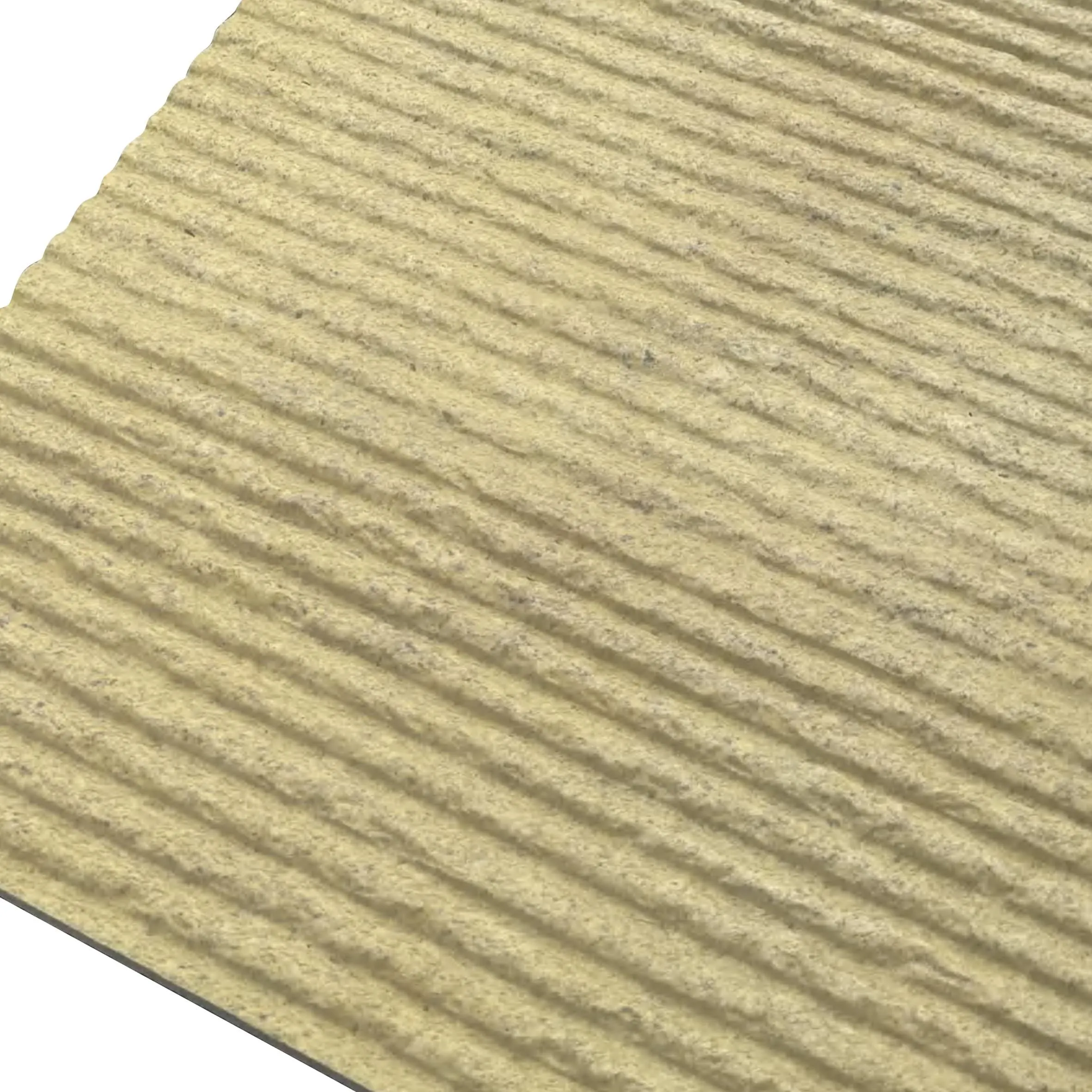
To truly appreciate Gravel Omani Stone's uniqueness, it helps to compare it to other popular materials in the design world. Below is a table contrasting Gravel Omani Stone with two notable alternatives: fair-faced concrete (a modern, industrial material) and travertine (starry blue) (a popular natural stone with a distinct appearance).
| Feature | Gravel Omani Stone | Fair-Faced Concrete | Travertine (Starry Blue) |
|---|---|---|---|
| Texture | Gravelly, uneven surface with visible rock fragments; tactile and warm. | Smooth to slightly rough, with a uniform, industrial finish; can be stamped for texture. | Porous, with characteristic "holes" (vugs) and a matte, velvety surface; cool to the touch. |
| Durability | Highly durable (Mohs 6-7); resistant to wear, weathering, and moisture. | Durable but prone to cracking if not properly reinforced; susceptible to staining without sealant. | Moderate durability (Mohs 3-4); porous, requiring regular sealing to prevent staining. |
| Primary Use Cases | Flooring, countertops, cladding, outdoor paving, fireplace surrounds. | Walls, floors, countertops, furniture; popular in industrial and minimalist designs. | Interior flooring, backsplashes, decorative accents; best suited for low-traffic areas. |
| Aesthetic Vibe | Earthy, timeless, and organic; blends traditional and modern styles. | Sleek, modern, and industrial; evokes a sense of urban sophistication. | Luxurious, soft, and serene; adds a touch of elegance to spaces. |
As the table illustrates, Gravel Omani Stone occupies a unique niche, offering the best of both worlds: the durability of industrial materials like fair-faced concrete and the natural beauty of stones like travertine (starry blue). Its gravelly texture and warm color palette set it apart, making it a material that feels both rooted in tradition and relevant to contemporary design trends.
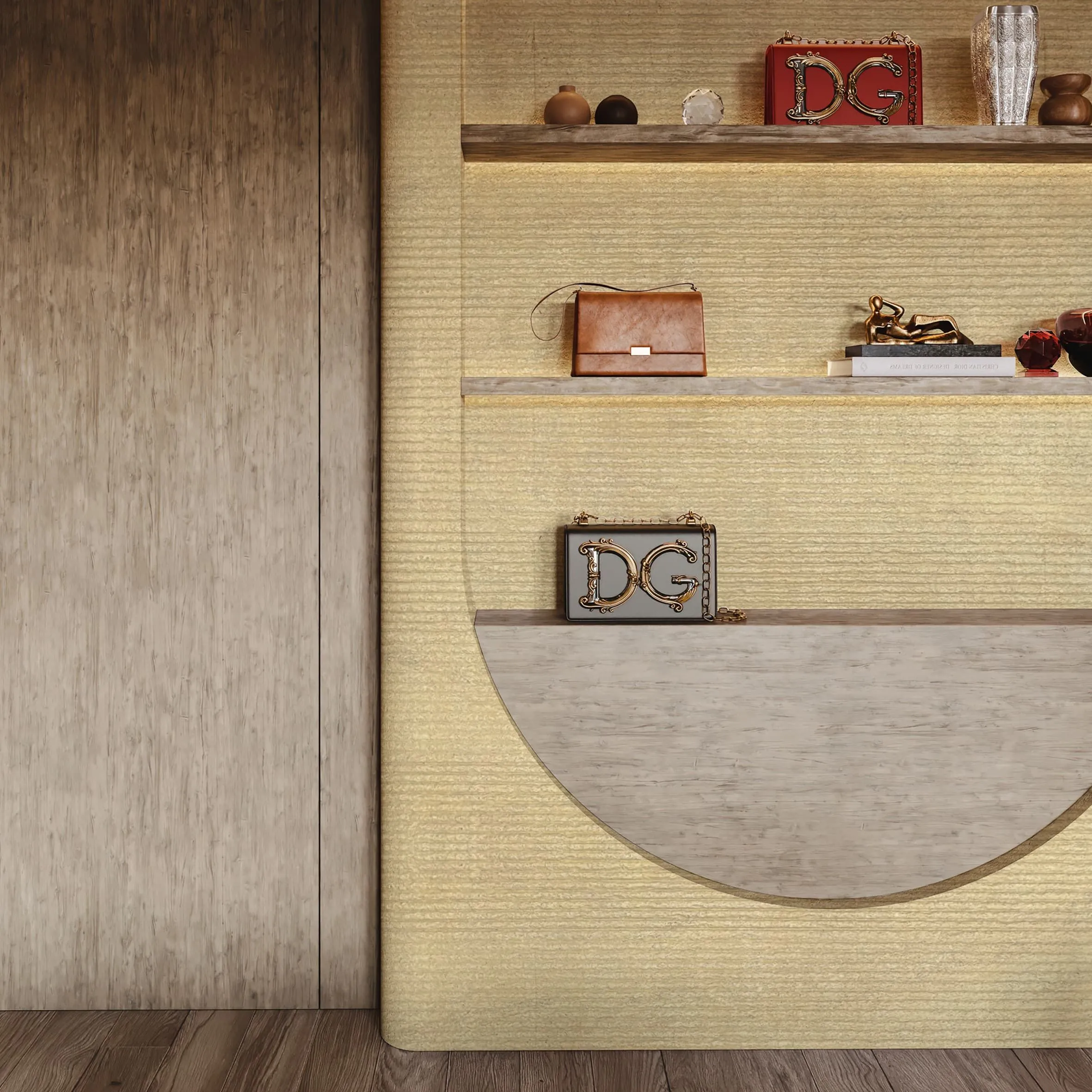
Gravel Omani Stone's versatility and charm have made it a go-to choice for a wide range of applications. Let's explore some of the most popular ways to incorporate this stone into residential and commercial spaces.
In homes, Gravel Omani Stone adds warmth and character to both interior and exterior spaces. One of its most popular uses is in flooring, where its durability and traction make it ideal for high-traffic areas like entryways, kitchens, and living rooms. A Gravel Omani Stone floor in a kitchen, for example, can withstand spills, dropped utensils, and heavy foot traffic, all while adding a rustic yet sophisticated touch. Pair it with wooden cabinetry and stainless steel appliances, and you have a space that feels both cozy and modern.
Fireplace surrounds are another area where Gravel Omani Stone excels. The stone's natural texture and warm colors create a focal point that draws the eye, turning a functional element into a work of art. Whether the fireplace is traditional (with a mantel) or modern (frameless), Gravel Omani Stone adds depth and dimension, making winter evenings by the fire even more inviting. In bathrooms, the stone can be used for shower walls or flooring, where its slip-resistant surface and moisture resistance ensure safety and longevity. A bathroom clad in Gravel Omani Stone feels like a desert oasis, with the stone's earthy tones and texture evoking the tranquility of nature.
In commercial settings, Gravel Omani Stone is equally impressive, adding a touch of luxury and authenticity to hotels, restaurants, offices, and retail spaces. In boutique hotels, for instance, the stone can be used for lobby flooring or reception desks, creating a warm and welcoming atmosphere that sets the tone for guests' stays. Its durability ensures that it can handle the constant foot traffic of hotel lobbies, while its aesthetic appeal leaves a lasting impression.
Restaurants and cafes also benefit from Gravel Omani Stone's charm. Whether used for accent walls, bar fronts, or outdoor patios, the stone creates a cozy, inviting ambiance that encourages patrons to linger. Imagine a Mediterranean-inspired restaurant with Gravel Omani Stone walls, paired with wooden tables and soft lighting—the stone's earthy tones complementing the warm hues of the cuisine and the vibrancy of the space. In offices, the stone can be used in breakout areas or meeting rooms, adding a touch of nature to corporate environments and boosting employee well-being.
Gravel Omani Stone is more than just a building material—it is a bridge between the past and the present, between nature and human creativity. From its geological origins in Oman's wadis to its historical role as a historical pathfinders stone , this stone carries with it the weight of time and the stories of a people deeply connected to their land. Its key characteristics—gravelly texture, durability, versatility, and aesthetic appeal—make it a standout choice in the world of natural stones, offering a unique alternative to both traditional options like travertine and modern materials like fair-faced concrete.
As we look to the future of design, where sustainability and authenticity are increasingly valued, Gravel Omani Stone is poised to shine. Its natural origins, low environmental impact (when sourced responsibly), and timeless beauty align with the growing demand for materials that are both eco-friendly and meaningful. Whether used in a cozy home or a bustling commercial space, Gravel Omani Stone does more than decorate—it transforms spaces, infusing them with the warmth of the desert and the resilience of nature.
In the end, Gravel Omani Stone is a reminder that the most beautiful materials are often those shaped by both time and human hands. It is a stone that tells a story—a story of mountains and rivers, of ancient pathfinders and modern designers, of tradition and innovation. And as we continue to build and create, it is a story that will undoubtedly continue to unfold, one slab at a time.
Recommend Products












