For millennia, stone has been the bedrock of human civilization. From the pyramids of Giza to grand cathedrals and humble cottages, the enduring strength and natural beauty of stone masonry have left an indelible mark on our built environment. It's more than just stacking rocks; it's an art form, a science, and a testament to human ingenuity. But what exactly is masonry stone? How has it evolved, and what are its defining characteristics? Let's take a deep dive into this timeless construction method, exploring its rich history, diverse types, and the exciting innovations that are shaping its future.
At its core, masonry stone refers to the construction method where individual stone units are laid in a pattern and bound together with mortar to form a durable structure. These individual units can be natural stones, cut and shaped, or even engineered composite materials designed to emulate natural stone. The mortar acts as the adhesive, filling the gaps between stones, distributing loads, and preventing water penetration. The beauty of masonry lies in its ability to create robust, long-lasting, and aesthetically pleasing structures that can withstand the test of time and the elements. It's a craft that requires skill, precision, and an understanding of material properties.
Historically, the stone units were always natural, quarried directly from the earth. Think of massive blocks of granite, intricately carved sandstone, or elegant marble slabs. Today, while natural stone remains a premium choice, the definition has expanded to include manufactured stones and innovative materials that offer similar aesthetic and structural benefits, often with enhanced properties like lighter weight, greater flexibility, and superior sustainability.
A Journey Through Time: The Enduring Legacy of Stone Masonry
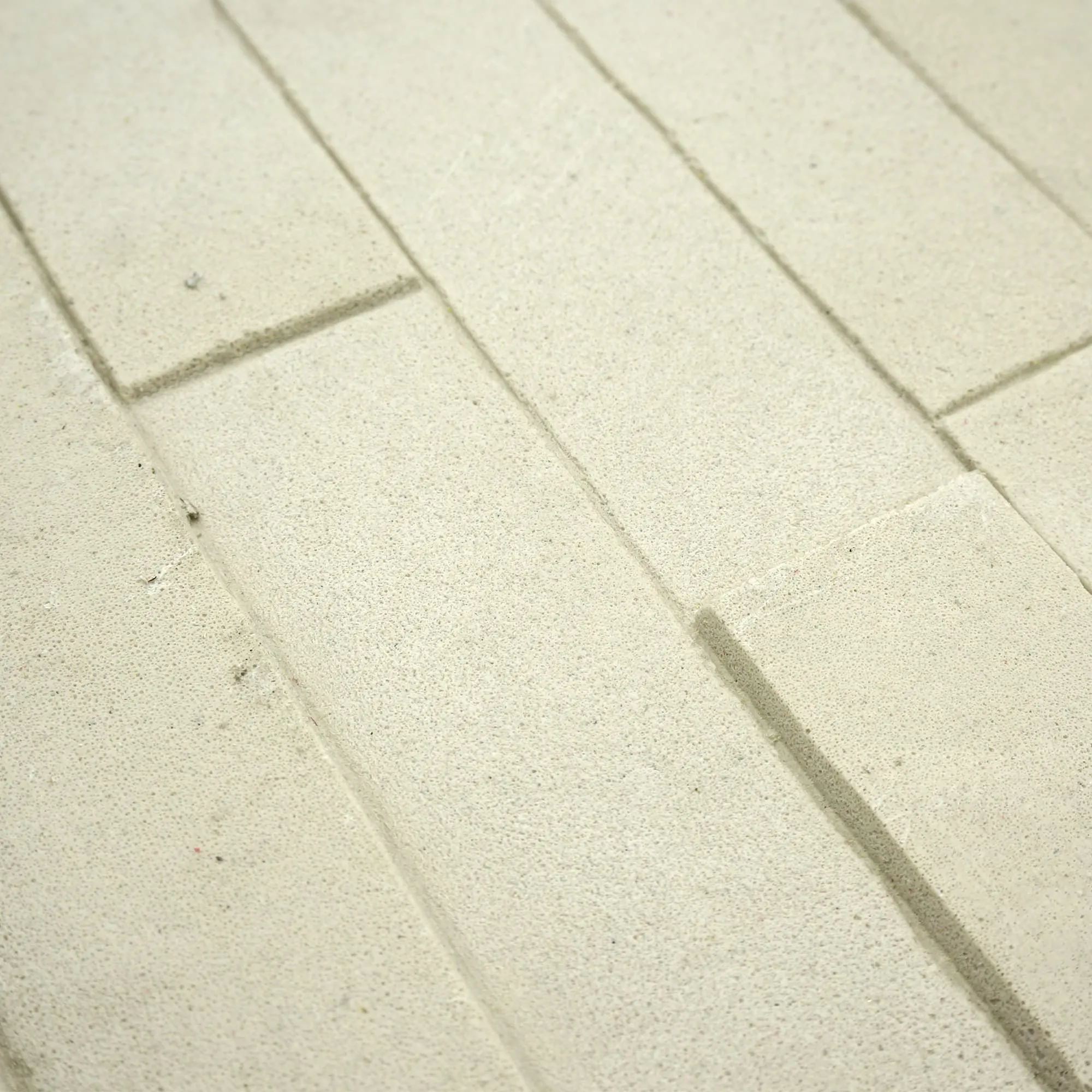
The story of stone masonry is, in many ways, the story of human civilization. Our ancestors quickly learned the strength and permanence of stone, using it not just for shelter but for monuments, defenses, and sacred sites.
-
Prehistoric Era:
Early humans used dry-stack masonry (stones without mortar) to build basic shelters and megalithic structures like Stonehenge.
-
Ancient Civilizations:
The Egyptians mastered precision cutting for their pyramids, while the Romans perfected the use of mortar, developing early forms of concrete and revolutionizing construction with arches and domes. Their impressive aqueducts and coliseums, built with incredible skill, still stand as testaments to their mastery of stone.
-
Medieval Period:
This era saw the rise of magnificent castles and cathedrals across Europe, all constructed from stone. The Gothic cathedrals, with their soaring spires and intricate carvings, represent the pinnacle of stone masonry artistry and engineering.
-
Renaissance and Beyond:
As architectural styles evolved, so did the use of stone, from grand palaces to the sophisticated facades of urban buildings. Stone remained a primary building material, often combined with new techniques and materials.
-
Modern Era:
While steel and concrete became dominant in skyscraper construction, stone masonry has continued to thrive, particularly in veneers, landscaping, and high-end residential and commercial projects. It's cherished for its timeless appeal, durability, and ability to evoke a sense of permanence and luxury.
The enduring appeal of stone masonry lies in its inherent qualities: its natural beauty, incredible durability, and resistance to fire and pests. It tells a story of craftsmanship and legacy, connecting us to the past while providing a strong foundation for the future.
The Earth's Bounty: Types of Natural Stones Used in Masonry
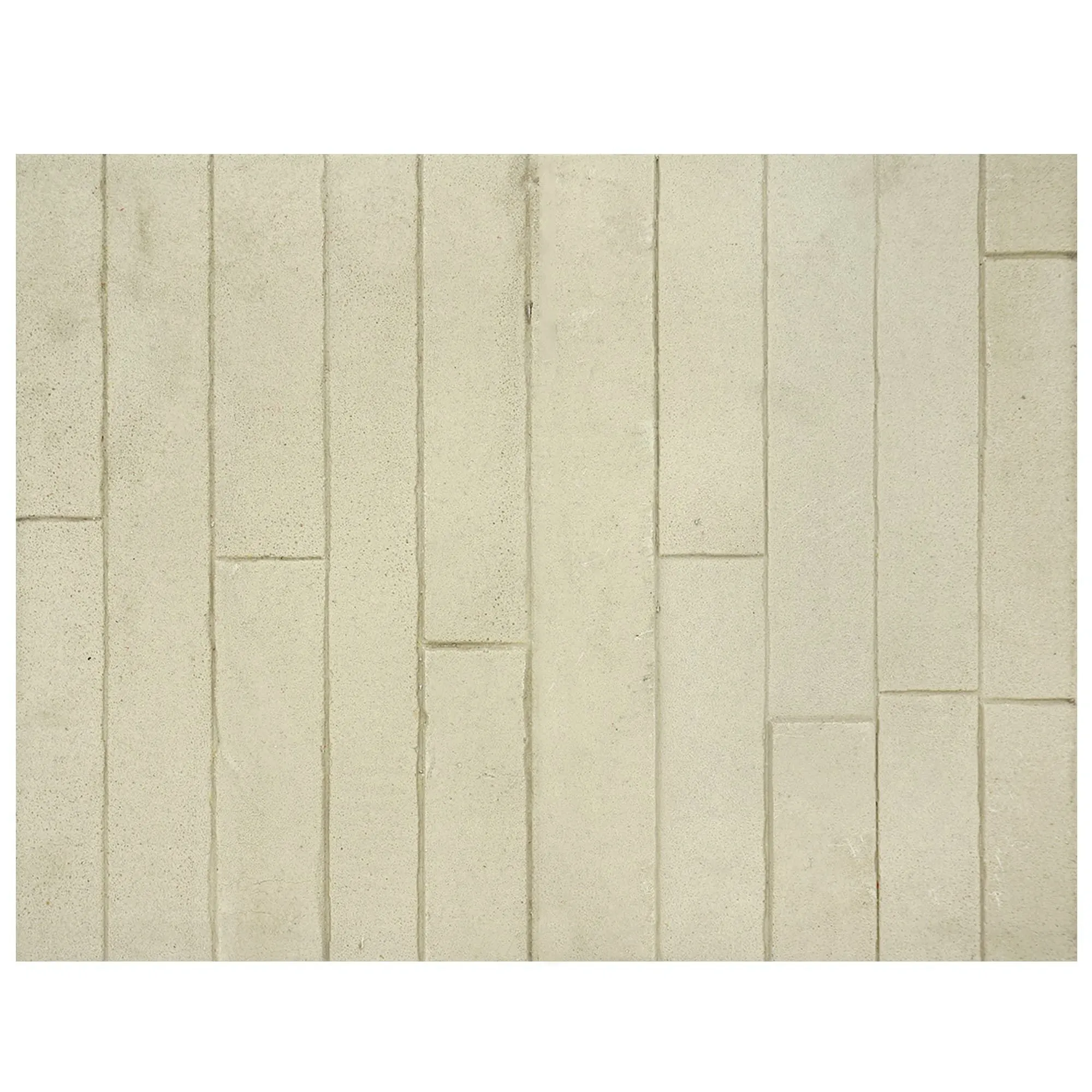
When we talk about masonry stone, we often think of the natural varieties that have been quarried for centuries. Each type of stone boasts unique characteristics, colors, textures, and performance traits, making them suitable for different applications. Understanding these differences is crucial for any construction project.
1. Granite
-
Definition:
An igneous rock formed from magma, known for its granular, crystalline structure.
-
Characteristics:
Extremely hard, dense, and resistant to scratching, heat, and chemicals. Available in a wide array of colors (pinks, grays, blacks, whites) with varying patterns.
-
Uses:
Widely used for structural components, flooring, countertops, monuments, and exterior cladding due to its exceptional durability.
-
Pros:
Unmatched durability, low maintenance, high resistance to weathering and abrasion.
-
Cons:
Very heavy, difficult to cut and install, can be expensive, and requires specialized tools.
2. Marble
-
Definition:
A metamorphic rock, primarily composed of calcite, formed from limestone under heat and pressure.
-
Characteristics:
Known for its elegant veining and luxurious appearance. Comes in white, gray, black, pink, green, and other colors. Softer than granite, making it more susceptible to etching and scratching.
-
Uses:
Prized for interior applications like flooring, wall cladding, countertops (though less ideal for kitchens due to porosity), sculptures, and decorative elements.
-
Pros:
Exquisite beauty, timeless appeal, can be polished to a high sheen.
-
Cons:
Porous, susceptible to staining and etching from acids, requires regular sealing and careful maintenance, heavy.
3. Limestone
-
Definition:
A sedimentary rock composed primarily of calcium carbonate, often formed from the shells and skeletons of marine organisms.
-
Characteristics:
Softer than granite and marble, with a more muted, earthy color palette (creams, grays, tans). It often features visible fossils.
-
Uses:
Popular for facades, flooring, paving, and decorative carvings, particularly in areas where a classic, understated look is desired.
-
Pros:
Easy to cut and shape, offers a warm, natural aesthetic, good thermal properties.
-
Cons:
Porous and susceptible to staining and acid erosion, not as durable as granite, requires sealing.
4. Sandstone
-
Definition:
Another sedimentary rock, formed from sand grains cemented together by minerals like silica, calcium carbonate, or iron oxide.
-
Characteristics:
Varies widely in hardness and porosity depending on the cementing agent. Colors include red, brown, yellow, gray, and white. Features a distinctive grainy texture.
-
Uses:
Common for building facades, paving, garden walls, and decorative elements. Often used where a rustic or natural appearance is desired.
-
Pros:
Good workability, wide range of natural colors, excellent slip resistance for paving.
-
Cons:
Can be susceptible to weathering and erosion depending on its composition, some varieties are quite soft.
5. Slate
-
Definition:
A fine-grained, foliated metamorphic rock, created by the alteration of shale or mudstone by low-grade regional metamorphism.
-
Characteristics:
Known for its ability to be split into thin, durable sheets. Typically dark in color (gray, black, green, purple, red) with a naturally cleft, textured surface.
-
Uses:
Traditionally used for roofing tiles, flooring, paving, and wall cladding due to its water resistance and durability.
-
Pros:
Very durable, water-resistant, fire-resistant, excellent for roofing, unique natural texture.
-
Cons:
Can be brittle and challenging to work with, heavy for roofing, can be expensive.
-
Definition:
A form of limestone deposited by mineral springs, especially hot springs.
-
Characteristics:
Characterized by its porous, pitted surface and earthy tones (creams, tans, browns). Often filled and polished for interior use.
-
Uses:
Popular for flooring, wall cladding, countertops, and bathroom surfaces, offering an ancient, rustic charm.
-
Pros:
Beautiful, warm aesthetic, good thermal insulation.
-
Cons:
Porous (requires filling and sealing), susceptible to etching, can be prone to scratching.
Crafting the Structure: Types of Masonry Construction
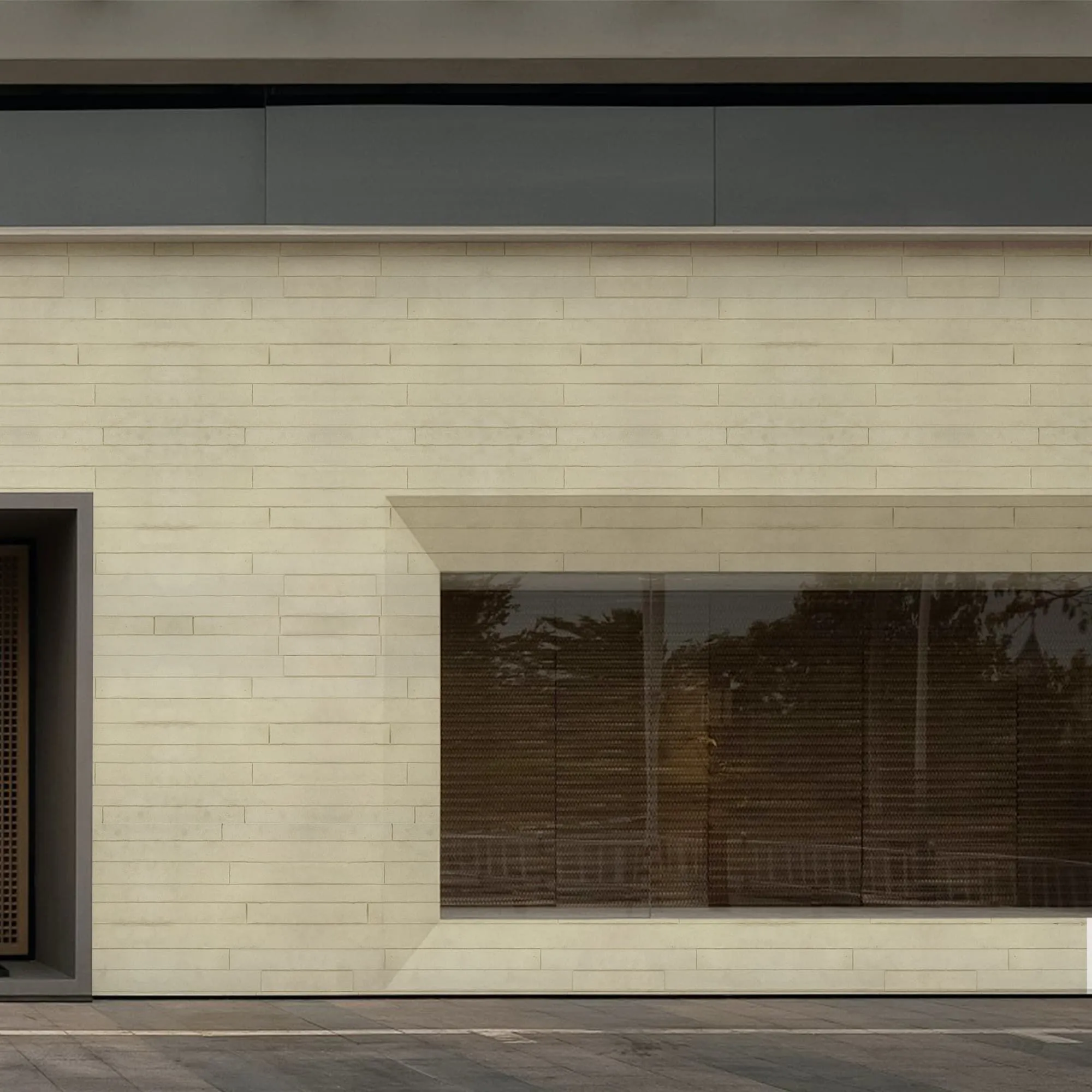
Beyond the type of stone, the way stones are cut, shaped, and laid dramatically impacts the final appearance and structural integrity of masonry.
-
Rubble Masonry:
Uses rough, irregular stones, either naturally occurring or lightly shaped. It's often the most economical and creates a rustic aesthetic. It can be coursed (laid in approximate horizontal layers) or uncoursed (randomly laid).
-
Ashlar Masonry:
Involves precisely cut and dressed stones with square corners and uniform bed and end joints. This creates a highly refined, formal, and strong structure. It can also be coursed (uniform height blocks) or random (blocks of varying sizes and heights).
-
Random Rubble Masonry:
Features stones of various shapes and sizes, laid without specific horizontal courses. It has a very natural, organic look.
-
Coursed Rubble Masonry:
Similar to random rubble but with stones laid in more or less horizontal courses, giving it a slightly more organized appearance.
-
Random Ashlar Masonry:
Utilizes ashlar blocks of varying sizes laid in a non-uniform pattern, offering a more dynamic yet still refined look compared to coursed ashlar.
-
Dry Stack Masonry:
As mentioned, this is stone laid without mortar, relying on gravity and precise fitting. It's common in retaining walls and garden features.
The Benefits and Challenges of Traditional Stone Masonry
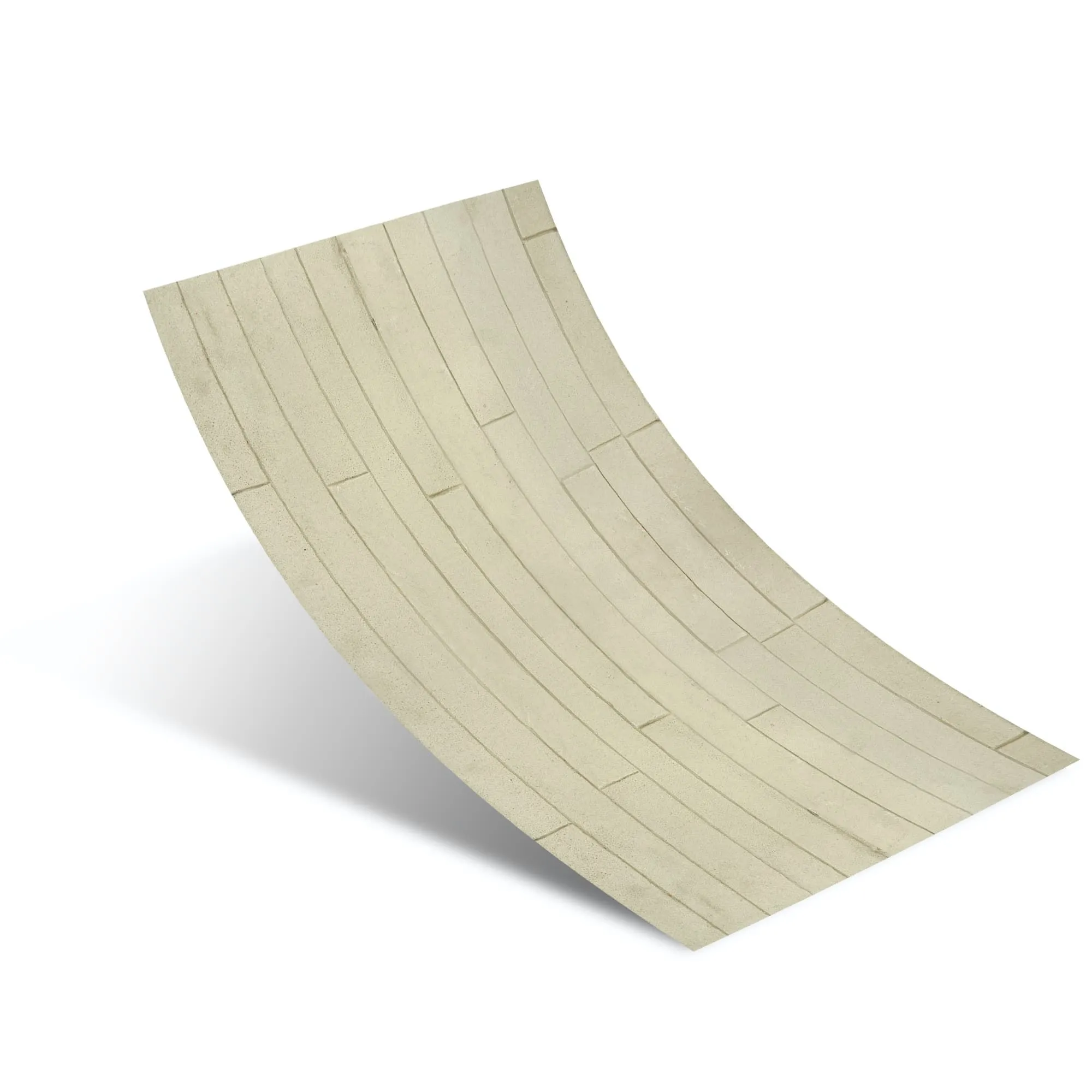
There's no denying the allure of traditional stone masonry. It offers a unique blend of aesthetics and performance that few other materials can match. However, it also comes with its own set of challenges, especially in modern construction.
Key Advantages:
-
Exceptional Durability and Longevity:
Stone structures can last for centuries, resisting decay, pests, and many forms of weathering.
-
Timeless Aesthetic Appeal:
The natural beauty of stone, with its unique patterns and colors, creates an unmatched sense of elegance, grandeur, and permanence.
-
Thermal Mass:
Stone's high thermal mass helps regulate indoor temperatures, keeping buildings cooler in summer and warmer in winter, potentially reducing energy costs.
-
Fire Resistance:
Natural stone is inherently non-combustible, offering excellent fire protection.
-
Low Maintenance (Structural):
Once built, the structural integrity of stone masonry requires minimal upkeep compared to other materials.
-
Increased Property Value:
Buildings featuring natural stone often command higher market values due to their perceived quality and luxury.
Primary Challenges:
-
High Material Cost:
Sourcing, quarrying, and transporting natural stone can be very expensive, especially for exotic or rare varieties.
-
Significant Weight:
Stone is incredibly heavy, requiring substantial structural support, which adds to foundation costs and complexity.
-
Labor-Intensive Installation:
Working with natural stone demands skilled labor, precise cutting, and slow installation processes, increasing labor costs and project timelines.
-
Limited Flexibility and Design Constraints:
While beautiful, natural stone can be rigid in design, making intricate curves or highly customized shapes difficult and costly to achieve.
-
Environmental Impact of Quarrying:
Quarrying operations can have significant environmental footprints, including habitat disruption and energy consumption for extraction and transport.
-
Vulnerability to Moisture and Efflorescence:
Some porous stones can absorb moisture, leading to efflorescence (salt deposits) or freeze-thaw damage in cold climates.
-
Thermal Bridging:
Solid stone walls can act as thermal bridges, transferring heat more readily than insulated cavity walls if not properly designed.
The Future is Now: COLORIA GROUP and the Evolution of Masonry Materials
While natural stone masonry holds an undisputed place in history and architecture, the demands of modern construction — for efficiency, sustainability, innovative design, and cost-effectiveness — have spurred the development of advanced materials. This is where companies like
COLORIA GROUP
step in, bridging the gap between traditional aesthetics and contemporary requirements. We are not just a supplier; we are a dedicated
one-stop solution provider
in the building materials sector, focusing on bringing high-quality interior and exterior finishes to projects worldwide.
Our approach is built on innovation and understanding the evolving needs of both residential and commercial projects. With decades of industry experience and a global reach, including a strong presence through our agency in Saudi Arabia, we're at the forefront of introducing smarter material choices. Our flagship offerings, particularly our advanced
MCM (Modified Cementitious Material) series products
, exemplify this forward-thinking philosophy.
What is MCM (Modified Cementitious Material)?
MCM represents a revolutionary category of building materials. Unlike traditional stone, MCM is an engineered composite that mimics the aesthetic and tactile qualities of various natural materials—stone, wood, leather, and more—but with significantly enhanced performance characteristics. It's crafted from inorganic mineral powders, polymer emulsions, and a variety of additives, then cured at low temperatures to produce an incredibly versatile and durable material. Essentially, it offers the beauty of nature with the benefits of modern technology.
How COLORIA GROUP's MCM Products Redefine Masonry:
Our MCM products offer compelling alternatives and complements to traditional masonry stone, particularly for
interior and exterior wall decoration
. They address many of the challenges associated with natural stone while retaining its desired aesthetic appeal.
-
MCM Big Slab Board Series:
Imagine large-format panels that replicate the grandeur of massive stone slabs but are incredibly lightweight and flexible. These are perfect for expansive facades, grand lobbies, or feature walls where minimizing seams and maximizing visual impact are key. Their ease of installation drastically reduces labor and project timelines.
-
MCM Project Board Series:
Designed with the practicalities of large-scale construction in mind, this series offers robust and adaptable solutions for various architectural applications. It provides the durability and aesthetic of stone with superior handling and installation efficiency.
-
MCM 3D Printing Series:
This is where
customization
truly shines! Leveraging advanced 3D printing technology, we can create intricate patterns, textures, and bespoke designs that would be impossible or prohibitively expensive with natural stone. Architects and designers gain unprecedented freedom to bring unique visions to life, crafting truly one-of-a-kind surfaces.
-
MCM Flexible Stone Series:
One of the most groundbreaking innovations, our flexible stone looks and feels like natural stone but can be bent and curved. This opens up a world of possibilities for curved surfaces, columns, and intricate detailing that rigid natural stone cannot achieve without extensive and costly cutting. It's remarkably lightweight, making it suitable for renovations where structural load is a concern.
The COLORIA GROUP Difference: Innovation Meets Sustainability
Our commitment goes beyond just providing materials; it's about delivering holistic solutions that benefit our clients and the planet. We understand that in today's world,
green and environmentally friendly
practices are not just a trend, but a necessity.
Key Advantages of COLORIA GROUP's MCM Materials:
-
Lightweight:
Drastically reduces structural load, simplifying engineering requirements and making installation easier and faster.
-
Flexible and Durable:
Many MCM products offer a degree of flexibility unknown in natural stone, expanding design possibilities, while still being highly resistant to impact, abrasion, and weathering.
-
Eco-Friendly Production:
Our MCM products are manufactured using sustainable processes, often utilizing recycled content, consuming less energy, and producing fewer emissions compared to traditional quarrying and stone processing. They are a genuinely
green and environmentally friendly
choice.
-
Water-Resistant and Breathable:
Designed to offer excellent resistance to water penetration while allowing the wall to breathe, preventing moisture buildup.
-
UV and Fire Resistance:
Engineered to maintain color stability under UV exposure and provide superior fire-retardant properties.
-
Extensive Customization:
Through various textures, colors, and the innovative 3D printing series,
customization
is at the heart of our offerings, allowing for unique architectural expressions.
-
Cost-Effective:
While offering a premium look, MCM materials can significantly reduce overall project costs due to easier transportation, faster installation, and less need for heavy-duty structural reinforcement.
-
Versatility:
Suitable for a vast range of applications, from intricate
interior and exterior wall decoration
to flooring and landscaping features.
For architects, developers, and builders, choosing
COLORIA GROUP
means choosing a partner who provides not just materials but intelligent, sustainable, and aesthetically brilliant solutions. We empower projects to achieve stunning results, efficiently and responsibly.
Comparative Analysis: Natural Stone vs. COLORIA GROUP's MCM
To truly understand the value proposition of modern alternatives, let's look at how COLORIA GROUP's MCM products stack up against traditional natural stone masonry.
|
Feature
|
Traditional Natural Stone Masonry
|
COLORIA GROUP's MCM (Modified Cementitious Material)
|
|
Weight
|
Extremely heavy, requires substantial structural support.
|
Significantly lightweight (often 1/10th the weight), reducing structural load.
|
|
Flexibility
|
Rigid and brittle; cannot be curved or bent without specialized cutting.
|
High flexibility (especially MCM Flexible Stone), allowing for curved surfaces and intricate designs.
|
|
Installation
|
Labor-intensive, requires skilled masons, slow process, heavy lifting equipment.
|
Easier and faster installation, less labor, reduced need for heavy equipment.
|
|
Cost (Material & Labor)
|
High material cost, high transportation cost, high labor cost.
|
Competitive material cost, lower transportation cost, significantly reduced labor cost.
|
|
Aesthetics/Customization
|
Natural variations, limited shapes and patterns; high cost for bespoke carving.
|
Wide range of natural stone looks, extensive
customization
via textures, colors, and 3D printing capabilities.
|
|
Sustainability
|
Quarrying has significant environmental impact; high energy for extraction/transport.
|
Green and environmentally friendly
production, low energy consumption, often uses recycled materials.
|
|
Application
|
Primarily for structural walls, robust
interior and exterior wall decoration
, flooring.
|
Versatile for
interior and exterior wall decoration
, facades, columns, decorative elements, renovations.
|
|
Durability
|
Excellent long-term durability, but some types prone to etching/staining.
|
High durability, resistant to weathering, UV, impact; consistent quality.
|
|
Maintenance
|
Some stones require regular sealing and specific cleaning agents.
|
Generally low maintenance, easy to clean.
|
The Lasting Impression: Why Material Choice Matters
Choosing building materials is one of the most critical decisions in any construction project. It impacts not only the initial cost and construction timeline but also the long-term performance, maintenance, and ultimate aesthetic appeal of a structure. While the timeless allure of traditional masonry stone remains, the advancements in materials science have given us powerful alternatives.
COLORIA GROUP
is committed to offering these cutting-edge solutions, particularly with our
MCM (Modified Cementitious Material) series products
. We understand that architects and builders are constantly seeking materials that blend beauty with practicality, tradition with innovation. Our role as a
one-stop solution provider
means we not only supply these materials but also offer the expertise to help integrate them seamlessly into diverse projects, whether it's a new commercial high-rise or a residential renovation.
The ability to achieve the majestic look of natural stone without its inherent drawbacks—be it weight, cost, or installation complexity—is a game-changer. The flexibility to innovate with
customization
options through our 3D Printing Series, or to wrap a curved facade with our Flexible Stone, opens up new vistas for design. Furthermore, our unwavering dedication to
green and environmentally friendly
production methods ensures that aesthetic excellence doesn't come at the expense of our planet.
From the grandest facades to the most intricate
interior and exterior wall decoration
, the choice of material defines the character and legacy of a building. By embracing modern materials like MCM, we're not just building structures; we're crafting the future of architecture, one beautiful, sustainable, and innovative surface at a time.













