
Walk into any well-designed space—a cozy café, a sleek office lobby, or a modern home—and you'll quickly realize that building materials do more than just fill gaps. They set the tone, evoke emotions, and turn ordinary rooms into memorable experiences. Today, we're diving into two materials that have been making waves in the design world: MCM (Modified Composite Material) and Poly Wood Board. By the end, you'll understand what makes them unique, how they stack up against each other, and which might be the perfect fit for your next project.
Let's start with the basics: MCM stands for Modified Composite Material, but don't let the technical name fool you. At its core, MCM is a master of adaptability—a blend of natural minerals, high-performance polymers, and reinforcing fibers that results in a material that's lightweight, flexible, and surprisingly tough. Think of it as the chameleon of construction: it can mimic the look of stone, wood, metal, or even concrete, but with none of the drawbacks of those traditional materials.
What truly sets MCM apart is its flexibility. Unlike rigid stone slabs or heavy tiles, MCM can bend and curve, making it ideal for architectural designs that push boundaries. Want a curved accent wall in your home? MCM can handle it. Dream of a rooftop bar with undulating surfaces? MCM won't crack under the pressure. This flexibility also makes installation a breeze—contractors love it because it's lighter than traditional materials, reducing structural load and cutting down on labor time.
Durability is another feather in MCM's cap. Thanks to its composite makeup, it's resistant to water, UV rays, and even extreme temperatures. That means it works just as well for exterior cladding (think building facades or patio walls) as it does for interior features like kitchen backsplashes or bathroom showers. And because it's low-maintenance—no sealing, polishing, or frequent repairs—homeowners and business owners alike are falling for its practical charm.
"MCM changed the game for my studio," says Mia, an interior designer based in Chicago. "I recently used MCM flexible stone in a client's restaurant, and the result was stunning. We went with Travertine (Starry Green) —a finish that has these tiny, iridescent flecks that catch the light like stars. The wall curves around the dining area, and guests keep asking if it's real stone. When I tell them it's MCM, they're shocked it's not heavier or more fragile. It's opened up so many possibilities for creative designs without sacrificing durability."
But MCM isn't just about function—it's about aesthetics, too. Manufacturers have gotten creative with finishes, offering everything from the organic texture of Wood Grain Board to the industrial edge of Foamed Aluminium Alloy Board (Vintage Silver) . Whether you're going for a rustic, earthy vibe or a sleek, futuristic look, there's an MCM style to match. And because it's made with precision, each panel is consistent in color and texture, ensuring a seamless look across large surfaces.
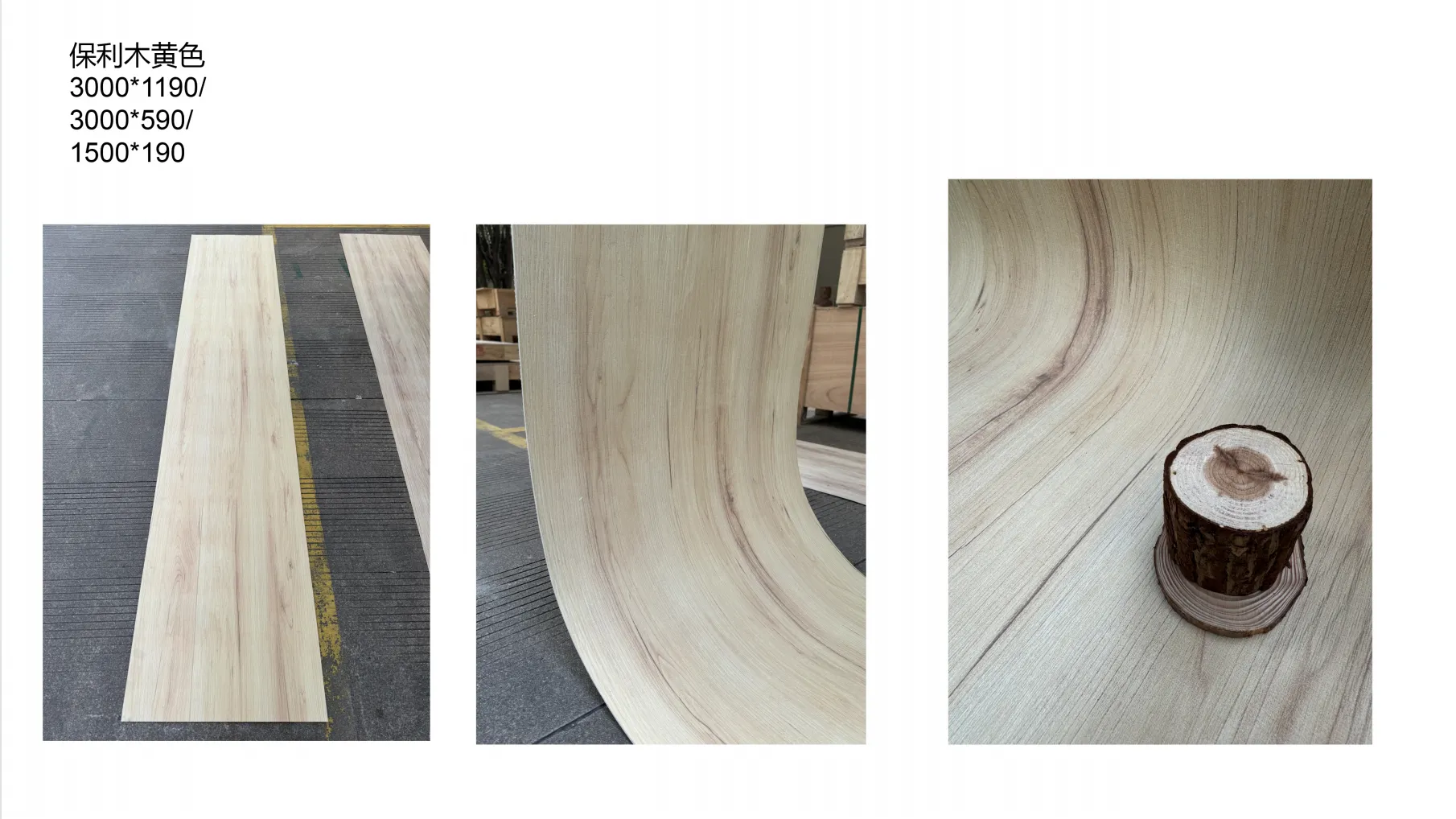
Now, let's shift gears to Poly Wood Board—a material that's all about bringing the timeless appeal of wood into modern spaces, minus the upkeep. If MCM is the chameleon, Poly Wood Board is the nostalgia lover, blending the best of natural wood with the resilience of synthetic materials. Made from recycled wood fibers, plastic polymers, and additives, it's designed to mimic the look and feel of real wood while resisting rot, warping, and insect damage.
What draws people to Poly Wood Board is its warmth. There's something inherently inviting about wood grain, and Poly Wood Board nails that texture—from the subtle knots to the natural variation in tone. It's the kind of material that makes a room feel cozy, whether it's used for a kitchen island front, a bedroom accent wall, or a outdoor deck ceiling. Unlike real wood, though, it won't splinter, fade, or require annual staining. That makes it a hit in high-traffic areas or spaces with moisture, like bathrooms or poolside patios.
Another perk? Sustainability. Many Poly Wood Board products are made from recycled materials, which means choosing them is a small step toward reducing environmental impact. And since they last longer than real wood (no need to replace warped boards every few years), they're a more eco-friendly option in the long run, too.
"We renovated our backyard last year, and I insisted on using Poly Wood Board for the patio ceiling," says Raj, a homeowner in Arizona. "Real wood looked great, but with our monsoon seasons and intense sun, I knew it would warp or rot within a few years. Poly Wood Board has held up perfectly—no cracks, no fading, and it still looks like new. Plus, it matches the Wood Line accents in our kitchen, so the indoor-outdoor flow feels seamless. Best decision we made for the project!"
Poly Wood Board isn't just for exteriors, though. Interior designers are using it to add texture to spaces where real wood might be too delicate. Imagine a boutique clothing store with Poly Wood Board shelving—sturdy enough to hold heavy merchandise, but warm enough to make customers feel at home. Or a home office with a Poly Wood Board desk front, adding a touch of nature to an otherwise tech-driven space.
Now that we've explored each material individually, let's put them head-to-head. The table below breaks down their key features, best uses, and maintenance needs to help you decide which is right for your project.
| Feature | MCM (e.g., MCM Flexible Stone) | Poly Wood Board |
|---|---|---|
| Composition | Natural minerals, polymers, reinforcing fibers | Recycled wood fibers, plastic polymers, additives |
| Weight | Lightweight (5-8 kg/m²) | Moderate (8-12 kg/m²) |
| Flexibility | Highly flexible (can bend up to 90°) | Semi-rigid (minor flexibility, but not for sharp curves) |
| Aesthetic Range | Wide: stone, metal, concrete, wood, etc. (e.g., Foamed Aluminium Alloy Board (Vintage Silver) , Travertine (Starry Green) ) | Focused on wood looks (natural grain, knots, tones) |
| Best For | Curved surfaces, exterior cladding, high-moisture areas (showers, pools) | Interior accent walls, shelving, outdoor decks, low-moisture exteriors |
| Maintenance | Low: wipe clean with soap and water; no sealing needed | Low: occasional cleaning; resistant to rot and fading |
| Durability | Excellent: resistant to UV, water, extreme temps; 20+ year lifespan | Very Good: resistant to rot, insects, warping; 15+ year lifespan |
| Eco-Friendliness | Often uses recycled materials; low VOC emissions | Made from recycled wood and plastic; reduces deforestation |
One of the most exciting things about MCM is the sheer variety of finishes available. Manufacturers have developed lines that cater to every design taste, from the organic to the futuristic. Let's take a closer look at a few standout options that have designers and homeowners buzzing:
If you're craving a touch of the outdoors without sacrificing modernity, Travertine (Starry Green) is a showstopper. This MCM finish mimics the look of natural travertine stone but with a twist: tiny, reflective particles embedded in the surface that glimmer like stars when hit by light. It's earthy yet ethereal, making it perfect for feature walls in living rooms or hotel lobbies. Imagine hosting a dinner party with soft lighting bouncing off your Travertine (Starry Green) wall—your guests won't be able to take their eyes off it.
For spaces that lean into industrial or mid-century modern design, Foamed Aluminium Alloy Board (Vintage Silver) is a game-changer. This MCM finish has a matte, brushed texture that looks like aged metal, adding a touch of rugged elegance to any room. It's lightweight enough to use for ceiling panels or room dividers, and its metallic sheen pairs beautifully with warm woods or bold colors. A popular trend? Using it as a backsplash in kitchens with stainless steel appliances—suddenly, the space feels cohesive and intentionally designed.
Love the look of wood but hate the upkeep? Wood Grain Board MCM has you covered. This finish replicates the texture of real wood—think oak, pine, or walnut—down to the subtle grain patterns and knots. But unlike real wood, it won't warp in humid bathrooms or fade in sunny living rooms. It's a favorite for bedroom accent walls, where it adds warmth without the risk of damage from moisture or daily wear and tear.
Poly Wood Board may have a narrower aesthetic range than MCM, but what it lacks in variety, it makes up for in charm. Let's explore some real-world scenarios where Poly Wood Board shines:
Sarah, the owner of a small café in Portland, wanted her space to feel like a "home away from home." She chose Poly Wood Board for her ceiling and banquette backs, opting for a light oak finish. "Real wood would have been too expensive and hard to maintain with all the steam from the espresso machines," she explains. "Poly Wood Board looks just as warm, and I don't have to worry about it warping or staining. Plus, customers often comment on how 'inviting' the space feels—mission accomplished!"
Beach homes are notoriously hard on materials—saltwater, humidity, and sand can destroy even the sturdiest wood. That's why Mark, a homeowner in Florida, used Poly Wood Board for his outdoor shower walls and patio furniture. "I wanted that coastal, driftwood look, but real driftwood would have rotted within a year," he says. "Poly Wood Board has held up through hurricanes and summer heatwaves. It still looks brand new, and I never have to sand or seal it. It's the best of both worlds."
So, how do you decide between MCM and Poly Wood Board? It all comes down to three factors: your design vision, the space's purpose, and your maintenance preferences.
Choose MCM if… you're working with curved surfaces, need a material that works indoors and out, or want a wide range of design options (stone, metal, concrete, etc.). It's also the better pick for high-moisture areas like bathrooms or pool surrounds, thanks to its water resistance.
Choose Poly Wood Board if… you're set on a wood look and want to prioritize warmth and sustainability. It's ideal for interior spaces where you want to add texture without the risk of rot or warping, or for outdoor areas like decks and patios where real wood would struggle.
Of course, there's no rule saying you can't mix them! Many designers pair MCM and Poly Wood Board to create contrast—for example, using Travertine (Starry Green) MCM for a feature wall and Poly Wood Board for shelving below. The result? A space that feels layered, intentional, and uniquely yours.
At the end of the day, MCM and Poly Wood Board are more than just building materials—they're tools to bring your vision to life. Whether you're drawn to MCM's flexibility and chameleon-like versatility or Poly Wood Board's warm, sustainable charm, both offer a fresh alternative to traditional options. They prove that practicality and beauty don't have to be mutually exclusive—that you can have a space that looks stunning and stands the test of time.
So, what's next? Grab a sample of Travertine (Starry Green) MCM or a swatch of Poly Wood Board, run your hand over the texture, and imagine how it would transform your space. Because when it comes to design, the best materials aren't just seen—they're felt.
Recommend Products












