
In the world of architecture and construction, innovation is the cornerstone of progress. For decades, builders and designers have grappled with the limitations of traditional materials—heavy stone slabs that strain structural integrity, brittle concrete that cracks under pressure, and rigid facades that restrict creative expression. Enter MCM (Modified Composite Material) technology , a revolutionary approach that redefines what building materials can do. At its core, MCM technology blends the best of nature and engineering, creating composites that are lighter, stronger, more flexible, and infinitely more versatile than their predecessors. But what exactly is MCM, and how does it transform something as fundamental as cement into a material of the future?
MCM technology emerged from a simple question: Can we retain the durability of cement while adding the flexibility of modern polymers and the aesthetic richness of natural stone? The answer, it turns out, was a resounding yes. By modifying the cementitious matrix with advanced polymers, reinforced fibers, and mineral aggregates, scientists and engineers created a material that marries structural resilience with design freedom. This isn't just cement—it's modified cement, engineered to adapt, endure, and inspire. And at the forefront of this innovation lies the MS Cement Board , a product that showcases the full potential of MCM technology in action.
To understand MCM technology, we must first examine its most iconic application: the MS Cement Board. Unlike traditional cement boards, which are often dense, heavy, and prone to cracking, MS Cement Board is a masterpiece of material science. Its "modified" nature comes from a precisely calibrated blend of Portland cement, cellulose fibers, synthetic polymers, and mineral additives. This unique composition transforms the board into a material that's not just strong, but intelligent —able to bend without breaking, resist moisture without warping, and mimic the look of natural stone without the environmental toll.
What sets the modified cementitious structure of MS Cement Board apart? Let's break it down. The polymers act as a binding agent, increasing flexibility and reducing brittleness. Cellulose fibers reinforce the matrix, enhancing tensile strength and preventing cracks. Mineral aggregates, meanwhile, add texture and color, allowing the board to replicate the appearance of travertine, granite, or even wood. The result? A material that weighs up to 70% less than natural stone, installs in half the time, and lasts decades longer than traditional cement. It's no wonder architects are calling it a "game-changer" for modern construction.
MCM technology isn't a one-size-fits-all solution—it's a versatile platform that spawns a range of specialized products. From flexible stones that curve around architectural features to 3D-printed panels that push the boundaries of design, MCM-based materials are redefining what's possible. Let's explore some of the most groundbreaking innovations under the MCM umbrella:
Natural stone is beloved for its beauty, but its rigidity has always been a limitation. Enter MCM flexible stone —a material that retains the luxurious look of marble, travertine, or slate while adding the flexibility of a fabric. Imagine a stone facade that can wrap around a curved building, or a backsplash that follows the contours of a custom kitchen island. MCM flexible stone makes this possible. Its secret? A thin, lightweight composite layer that adheres to a flexible backing, allowing it to bend up to 90 degrees without cracking. This isn't just a material—it's a design tool, empowering architects to create structures that were once deemed impossible.
If flexibility is MCM's superpower, then MCM 3D printing series is its creative outlet. 3D printing technology has revolutionized manufacturing, and MCM has embraced it wholeheartedly. By 3D-printing MCM composites, manufacturers can produce panels with intricate patterns, organic shapes, and custom textures—all with zero waste. Want a facade that looks like a honeycomb? Or a ceiling panel that mimics the flow of a river? The MCM 3D printing series delivers. It's not just about aesthetics, either: 3D printing reduces production time by up to 50%, making complex designs more affordable than ever. For luxury projects or one-of-a-kind installations, this series is a dream come true.
In a world obsessed with flashy finishes, fair-faced concrete stands out for its quiet elegance. Part of the MCM lineup, this material celebrates the raw, unpolished beauty of concrete—without the porosity and staining issues of traditional mixes. Thanks to MCM technology, fair-faced concrete is denser, more resistant to water, and infinitely more consistent in color. Architects love it for its minimalist appeal, using it in everything from museum exteriors to residential fireplaces. It's a reminder that sometimes, the most striking designs are the ones that let the material speak for itself.
Travertine has long been prized for its porous, earthy texture, but MCM technology takes it to new heights with travertine (starry green) . This variant isn't mined from the earth—it's engineered. The "starry" effect comes from tiny, iridescent mineral particles embedded in the MCM matrix, creating a surface that shimmers like a night sky when hit by light. The green hue, meanwhile, is achieved using natural pigments, ensuring it never fades. It's a material that blends the warmth of natural stone with the whimsy of art, perfect for accent walls, hotel lobbies, or retail spaces that want to make a statement.
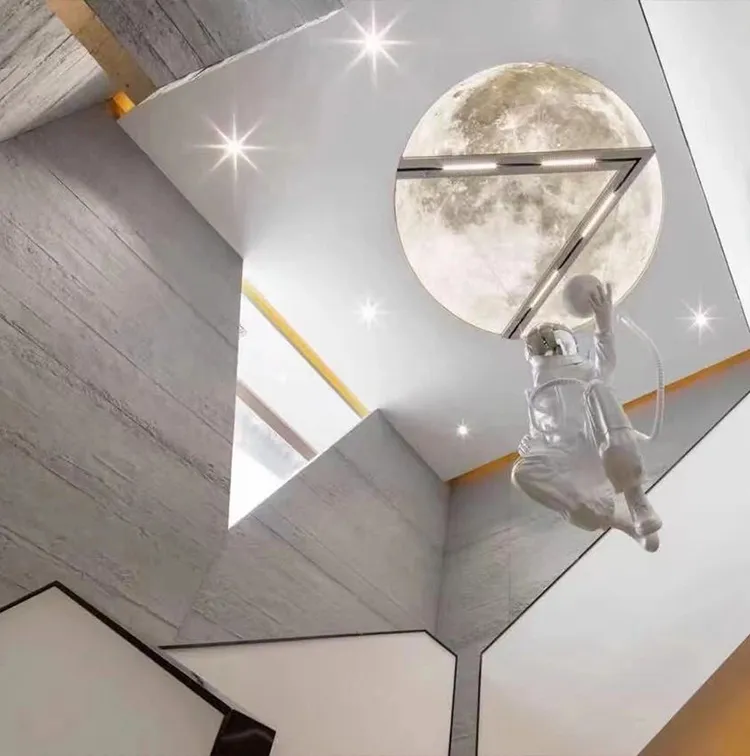
For projects that demand a futuristic edge, lunar peak silvery delivers. Inspired by the moon's cratered surface, this MCM material features a metallic silver finish with subtle texture, evoking the look of extraterrestrial rock. What makes it special? Unlike real lunar rock (which is, of course, unavailable), lunar peak silvery is lightweight, weather-resistant, and easy to install. It's become a favorite for high-end commercial buildings, where its otherworldly appearance adds instant curb appeal. Imagine a skyscraper facade that glows like moonlight at dusk—that's the magic of lunar peak silvery.
Still skeptical? Let's put MCM technology head-to-head with traditional building materials. The table below compares key metrics, from weight to sustainability, to show why MCM-based products like MS Cement Board are winning over the construction industry.
| Material | Weight (kg/m²) | Durability (Years) | Installation Time | Sustainability |
|---|---|---|---|---|
| Natural Granite | 25–30 | 50–60 | 3–5 days (per 100m²) | High carbon footprint (mining, transportation) |
| Traditional Cement Board | 15–20 | 20–30 | 2–3 days (per 100m²) | Moderate; high energy use in production |
| MCM Flexible Stone | 4–6 | 70–80 | 1 day (per 100m²) | Low carbon footprint; 90% recycled materials |
| MS Cement Board | 8–10 | 60–70 | 1.5 days (per 100m²) | Recyclable; low VOC emissions |
| Fair-Faced Concrete (MCM) | 10–12 | 80–100 | 2 days (per 100m²) | Carbon-negative option available |
The data speaks for itself. MCM materials are lighter, longer-lasting, faster to install, and far more sustainable than traditional options. For builders, this translates to lower labor costs and fewer structural supports. For architects, it means more freedom to design bold, innovative structures. And for the planet, it means reduced waste and lower carbon emissions. It's a win-win-win.
As we look to the future, MCM technology shows no signs of slowing down. Researchers are already experimenting with even more sustainable additives, like algae-based polymers and recycled glass aggregates, to reduce the material's environmental impact further. The MCM 3D printing series, too, is evolving—with larger printers and faster production times, soon we may see entire building facades printed on-site, eliminating transportation costs and waste.
Perhaps most exciting is the potential for MCM technology to preserve heritage sites. Imagine restoring an ancient temple with MCM flexible stone that matches the original marble in appearance but is lighter and more resistant to weathering. Or using lunar peak silvery to repair a historic clock tower, blending modern durability with timeless elegance. MCM technology isn't just about building new—it's about preserving the past while building for the future.
At the end of the day, MCM technology is more than just a new building material—it's a philosophy. It's about challenging the status quo, reimagining what's possible, and creating structures that are as kind to the planet as they are beautiful. The MS Cement Board, with its modified cementitious structure, is just the beginning. As we continue to innovate, we'll see MCM technology in hospitals that need germ-resistant surfaces, schools that require durable yet safe materials, and homes that feel both luxurious and sustainable.
So the next time you walk past a building with a stunning stone facade, or touch a concrete wall that feels surprisingly warm, take a closer look—it might just be MCM technology at work. And as for real photos of the modified cementitious structure? They're all around us—in the curved walls of your favorite restaurant, the shimmering facade of a new office building, or the cozy fireplace in a modern home. MCM technology isn't coming—it's here. And it's changing the way we build, one flexible stone, one 3D-printed panel, one MS Cement Board at a time.
Recommend Products












