
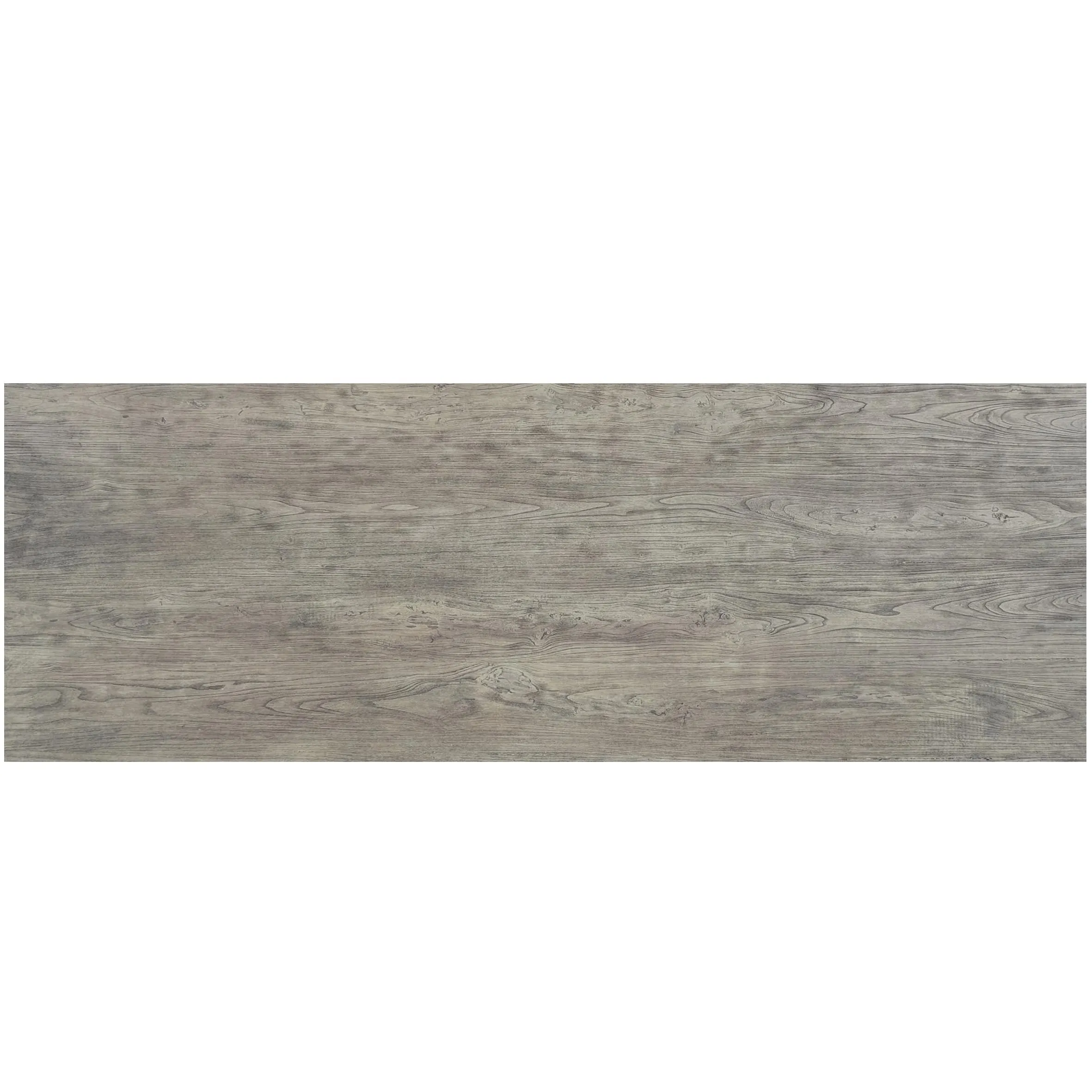
Wood has always been one of the most popular materials for wall cladding, but it comes with real drawbacks: it rots, warps, attracts termites, and struggles to pass modern fire codes. MCM wood grain board offers a practical way to keep the warm look of timber without those headaches. It is a flexible wall panel made from modified clay that reproduces the grain, color, and texture of natural wood on a thin, bendable mineral base.
COLORIA GROUP, a Foshan-based building materials manufacturer founded in 2010, produces a full range of these modified clay materials, including the wood grain board featured in this article. The company supplies architects, contractors, and distributors with one-stop building material solutions for residential and commercial projects around the world.
MCM stands for Modified Clay Material. To make a wood grain board, manufacturers blend natural mineral powders and inorganic clay with a small amount of polymer, then press the mixture into thin sheets. High-definition printing and mould embossing add the wood grain pattern, and a protective coating seals the surface. The result is a panel roughly 3 to 5 millimetres thick that looks like solid timber but weighs only a fraction of it.
Because the base is mineral rather than wood, the panel does not absorb much water, does not feed insects, and cannot burn the way timber does. It also stays flexible, which is why the material is sometimes grouped together with other soft cladding products such as MCM flexible stone in the same family of lightweight decorative panels.
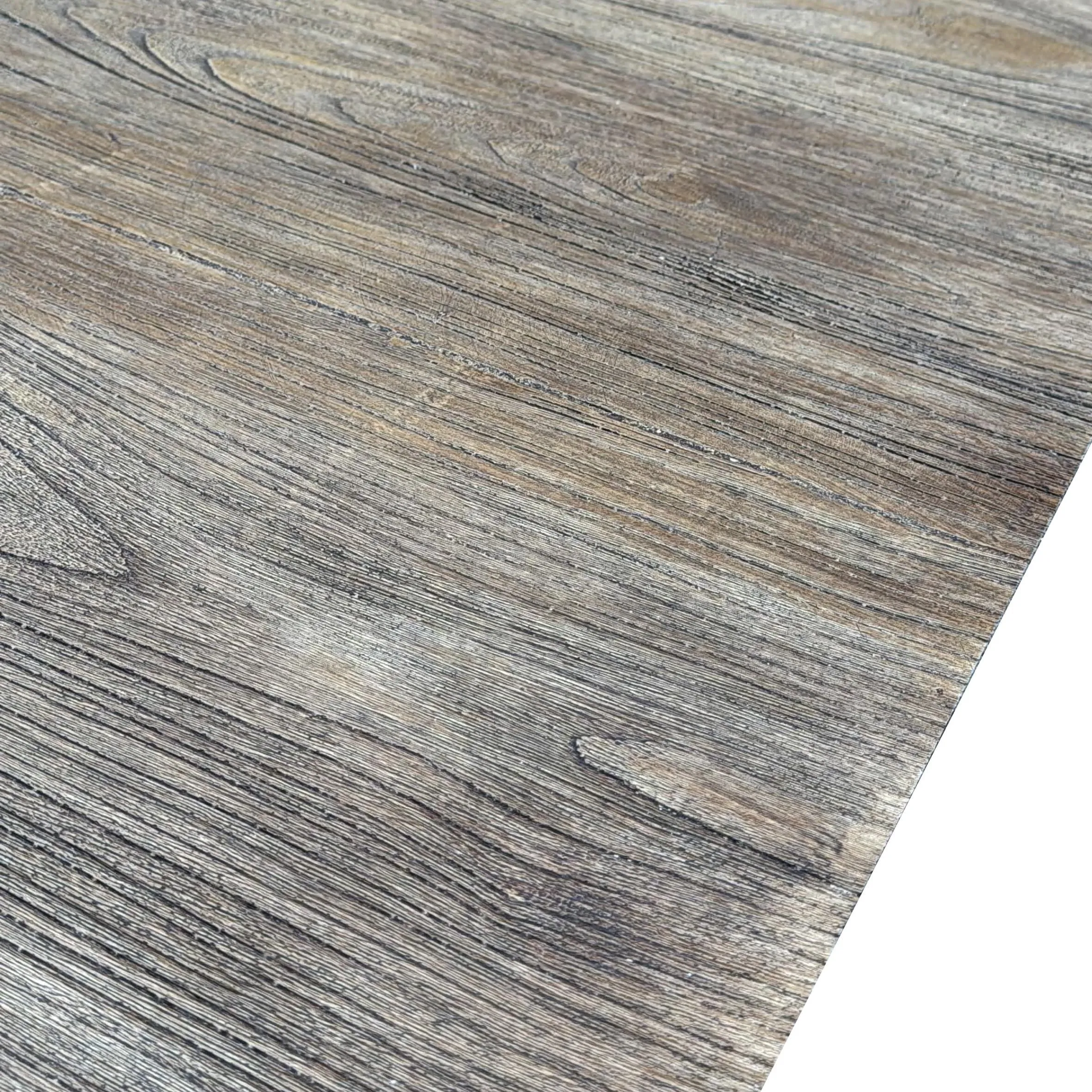
The main appeal of an MCM wood grain board is that it delivers the visual warmth of wood while solving the problems that make real timber difficult to maintain. The features that matter most in practice include:
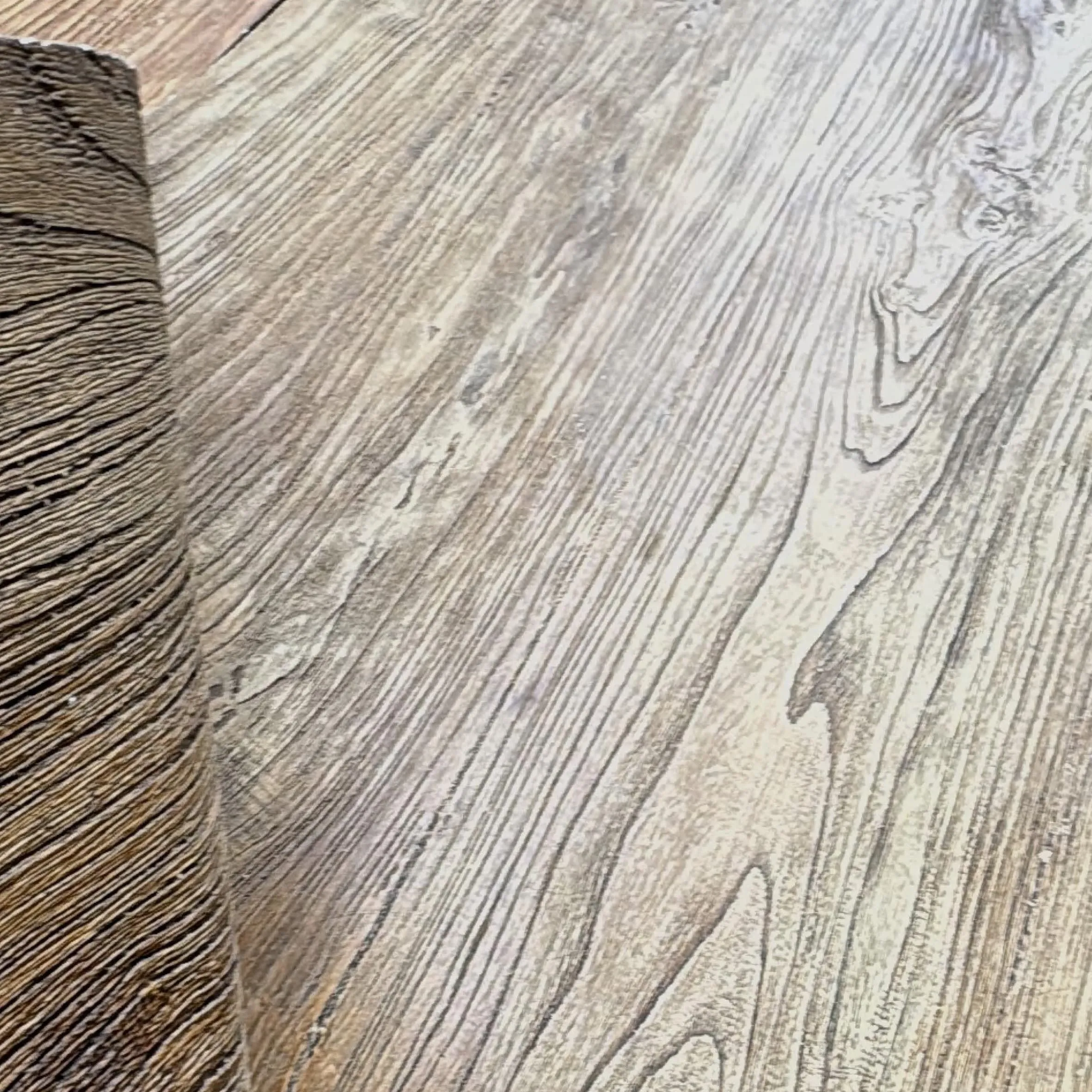
Because the panels work both indoors and outdoors, they suit a wide range of projects. On residential buildings, they replace heavy timber siding on villa facades and courtyard walls while keeping the natural look homeowners want. In commercial settings, they appear on hotel lobbies, restaurant feature walls, office corridors, and retail storefronts where fire regulations rule out real wood.
The material is also a good fit for renovation work. Since it is thin and light, it can be applied directly over existing walls, insulation boards, or concrete without major structural changes. That makes it attractive for upgrading older buildings and for projects where speed and low dead load matter.
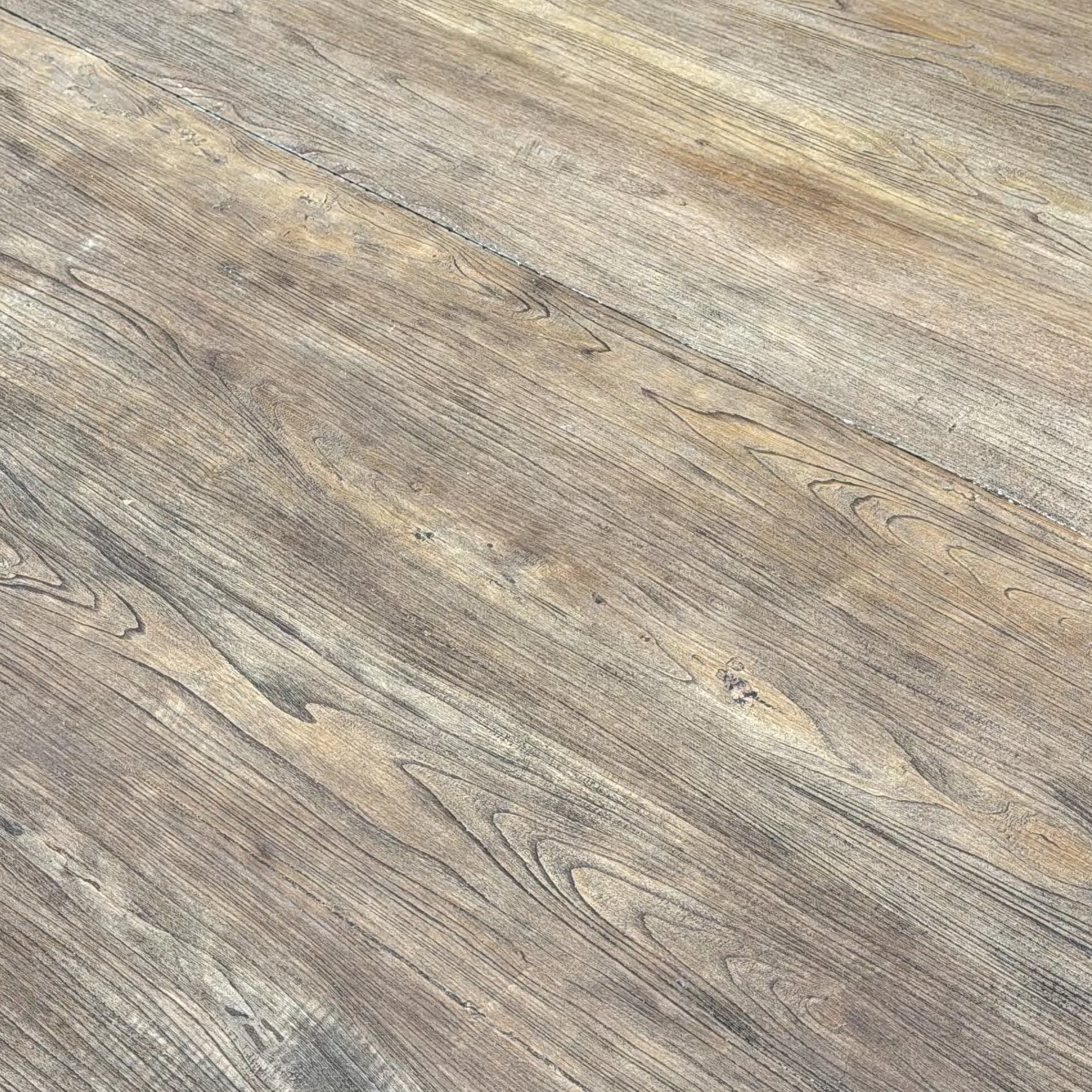
The clearest way to understand the product is to compare it with the material it replaces. The table below summarises the differences that usually drive the decision.
| Aspect | MCM wood grain board | Natural wood cladding |
|---|---|---|
| Weight | Light, low structural load | Heavy, needs strong framing |
| Fire performance | Non-combustible mineral base | Flammable without treatment |
| Maintenance | Occasional cleaning only | Regular sealing and staining |
| Durability | Resists rot, insects, and fading | Prone to rot, warping, and pests |
| Curved surfaces | Bends to follow curves | Rigid, hard to shape |
| Environmental impact | No trees harvested | Uses timber resources |
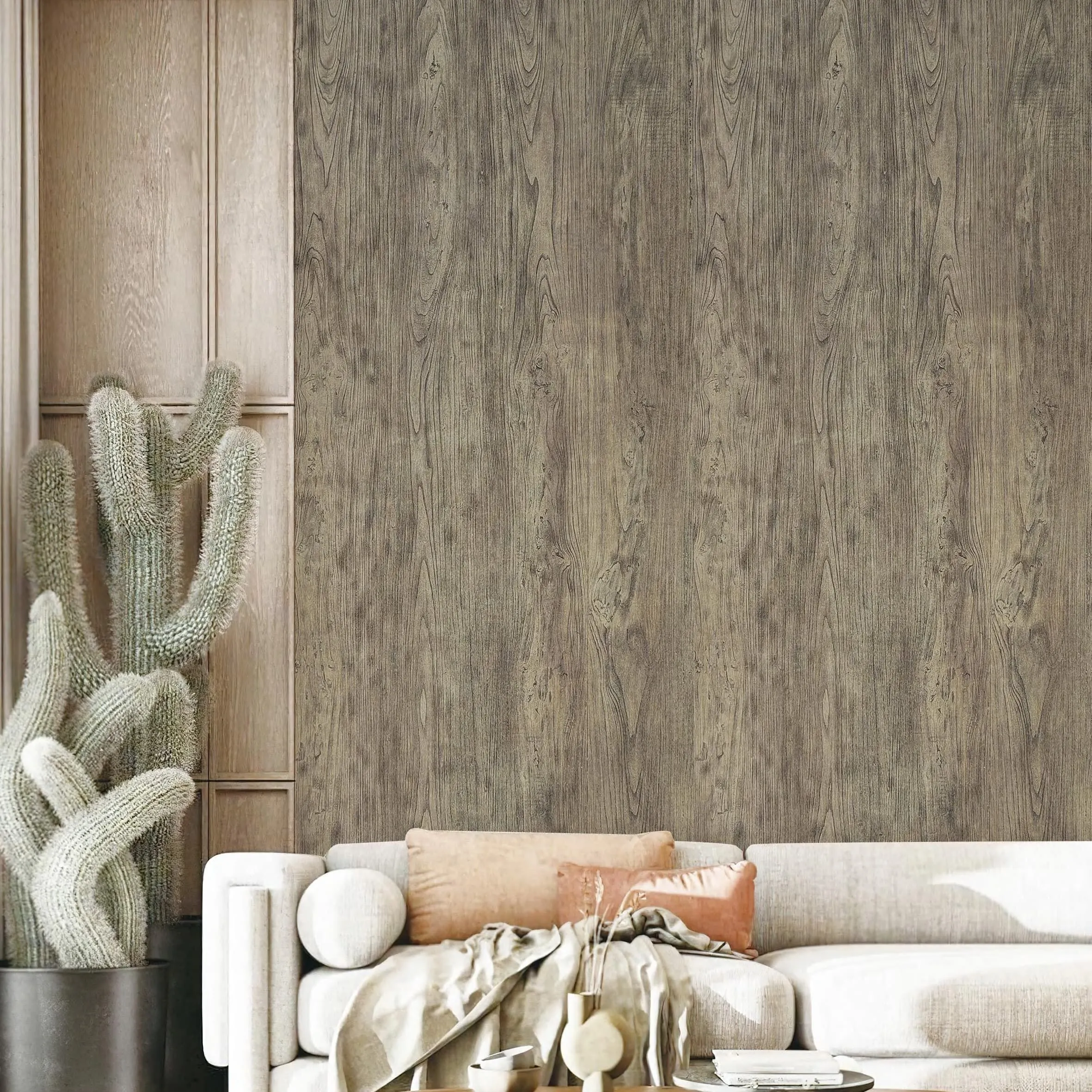
COLORIA GROUP has spent more than a decade building its reputation as a one-stop source for modified clay building materials. Beyond the wood grain board, the company's catalogue covers MCM big slab boards, project boards, 3D printing series, and a wide range of flexible stone textures in travertine, marble, granite, and slate finishes. This breadth means a single supplier can cover most of a project's cladding needs, simplifying sourcing and keeping quality consistent across the site.
The company serves customers internationally, with an established agent in Saudi Arabia and decades of combined experience in the building materials trade. Whether you are an architect specifying materials for a large facade, a contractor managing a renovation, or a distributor building a product range, COLORIA GROUP offers custom sizes, colors, and grain patterns to match your project requirements.
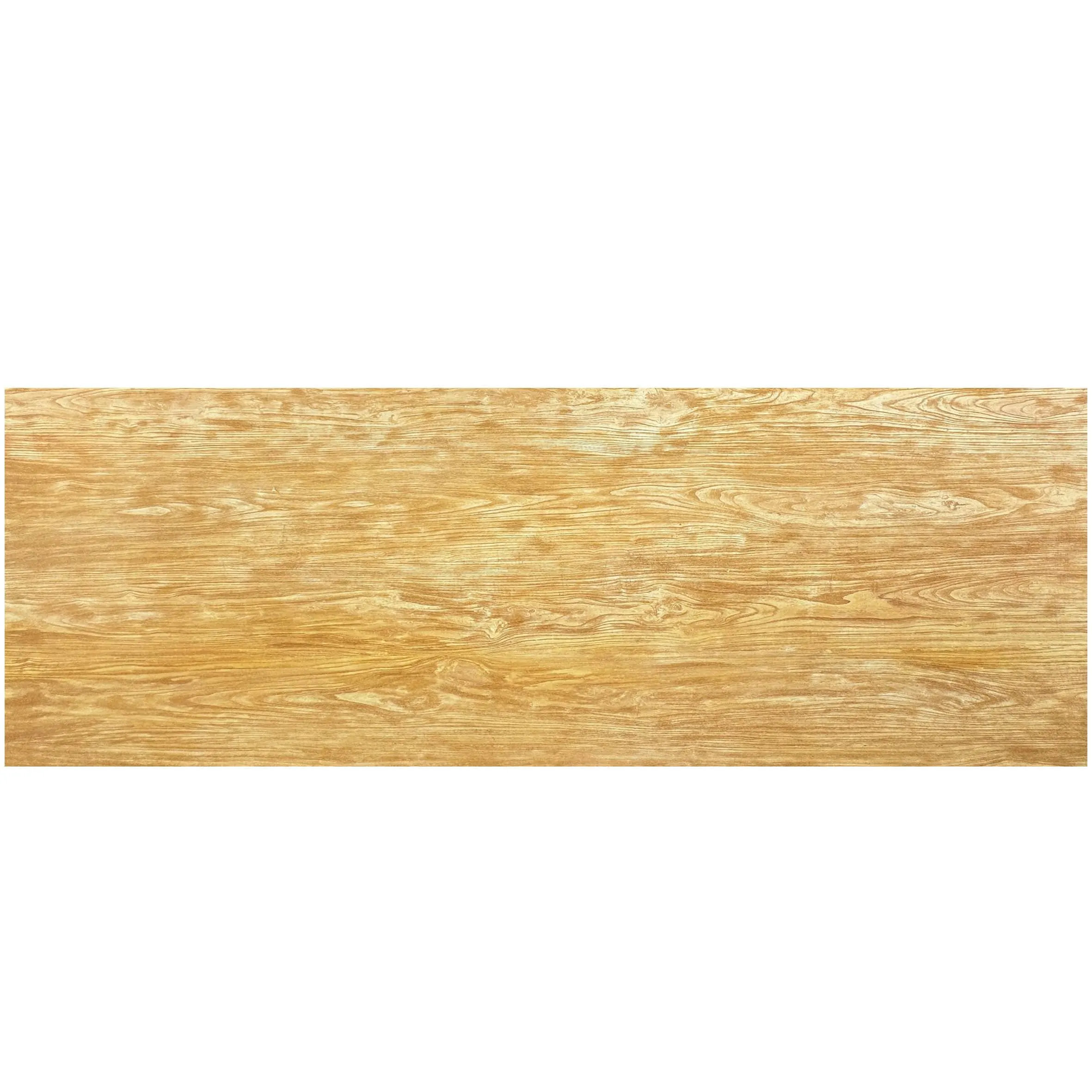
MCM wood grain board is a simple answer to a common problem: how to get the beauty of wood without the maintenance, fire risk, and weight of the real thing. It is lightweight, weatherproof, fire-safe, and flexible enough for curved walls, and it works equally well indoors and out. If you are planning a facade, an interior feature wall, or a large-scale commercial project, it is worth adding to your material shortlist. Contact COLORIA GROUP to request samples, technical data, or a quotation tailored to your project.
Recommend Products












