
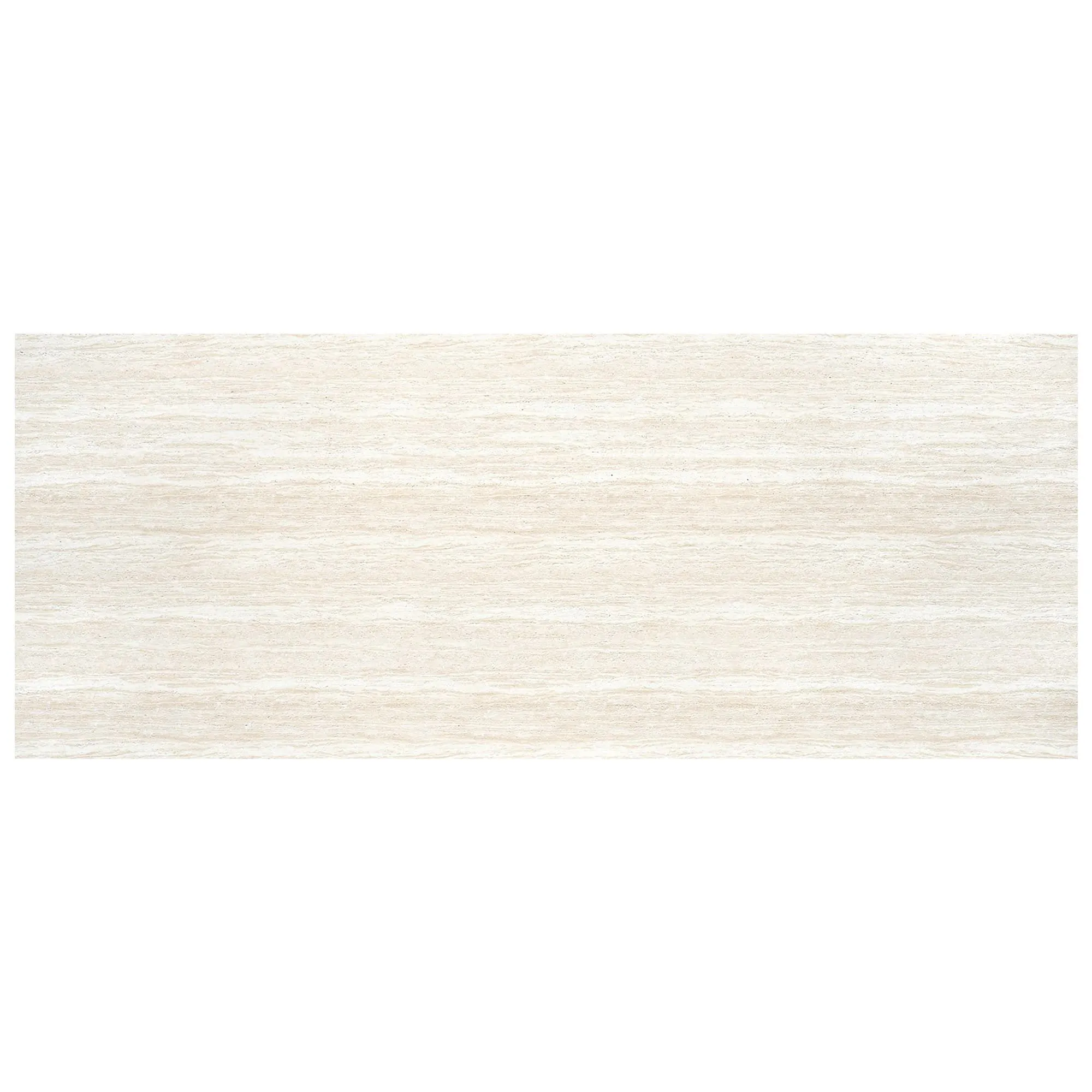
Walk into a boutique hotel lobby, and your eyes might drift to a wall that feels both timeless and modern—textured, warm, and reminiscent of aged wood, yet with a resilience that suggests it's built to last decades. Or step into a restaurant patio where the ceiling beams look like they were hewn from a forest, but stand strong against rain, sun, and even the occasional spill. Chances are, what you're looking at isn't natural wood at all. It's MCM Wood Line—a building material that's redefining how we think about texture, durability, and design in architecture and interiors.
In a world where homeowners and designers crave the beauty of natural materials but demand the practicality of modern engineering, MCM Wood Line has emerged as a bridge between aesthetics and function. It's not just a trend; it's a solution to a common dilemma: how to bring the warmth of wood into spaces without sacrificing longevity, sustainability, or versatility. Let's dive deep into what makes MCM Wood Line so special, from its composition to its applications, and why it's quickly becoming a favorite among architects, designers, and DIY enthusiasts alike.
First things first: MCM stands for Modified Composite Material. Think of it as a high-tech blend of nature and innovation. MCM Wood Line specifically refers to a subset of these materials designed to mimic the look, texture, and even the feel of wood—from the rough-hewn charm of a barn plank to the smooth grain of a polished oak table. But unlike natural wood, which is prone to warping, rotting, or pest damage, MCM Wood Line is engineered to be tough, adaptable, and low-maintenance.
At its core, MCM Wood Line is made by combining cement (for structure), natural fibers (like cellulose or glass fibers for flexibility), and polymers (for strength and water resistance). This mix is then molded, textured, and colored to replicate various wood species, grains, and finishes. The result? A material that looks so much like wood, even close inspection might leave you second-guessing—until you realize it's far more durable than anything Mother Nature could grow.
Within the MCM Wood Line family, you'll find a range of styles tailored to different design visions. There's the wood grain board , which captures the intricate patterns of real wood—think the swirling lines of walnut, the straight grains of pine, or the bold knots of cedar. Then there's the bamboo mat board , which mimics the delicate crisscross weave of bamboo, adding an airy, tropical vibe to spaces. And for those who love the contrast of wood and concrete, wood concrete board (available in light grey and dark grey) blends the organic look of wood fibers with the industrial edge of concrete, creating a material that's equal parts rustic and modern.
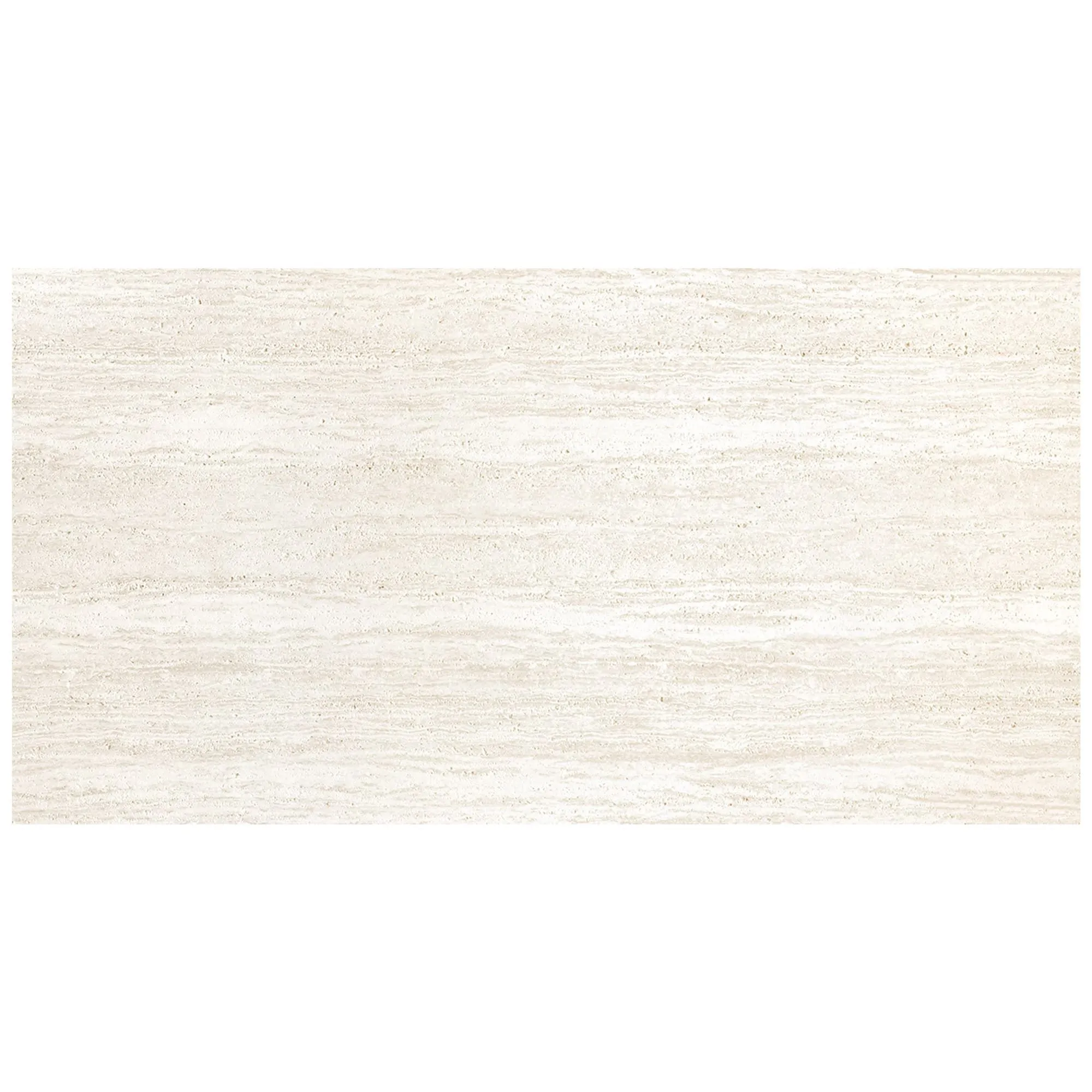
What makes MCM Wood Line more than just a "wood lookalike"? Let's break down its most impressive traits:
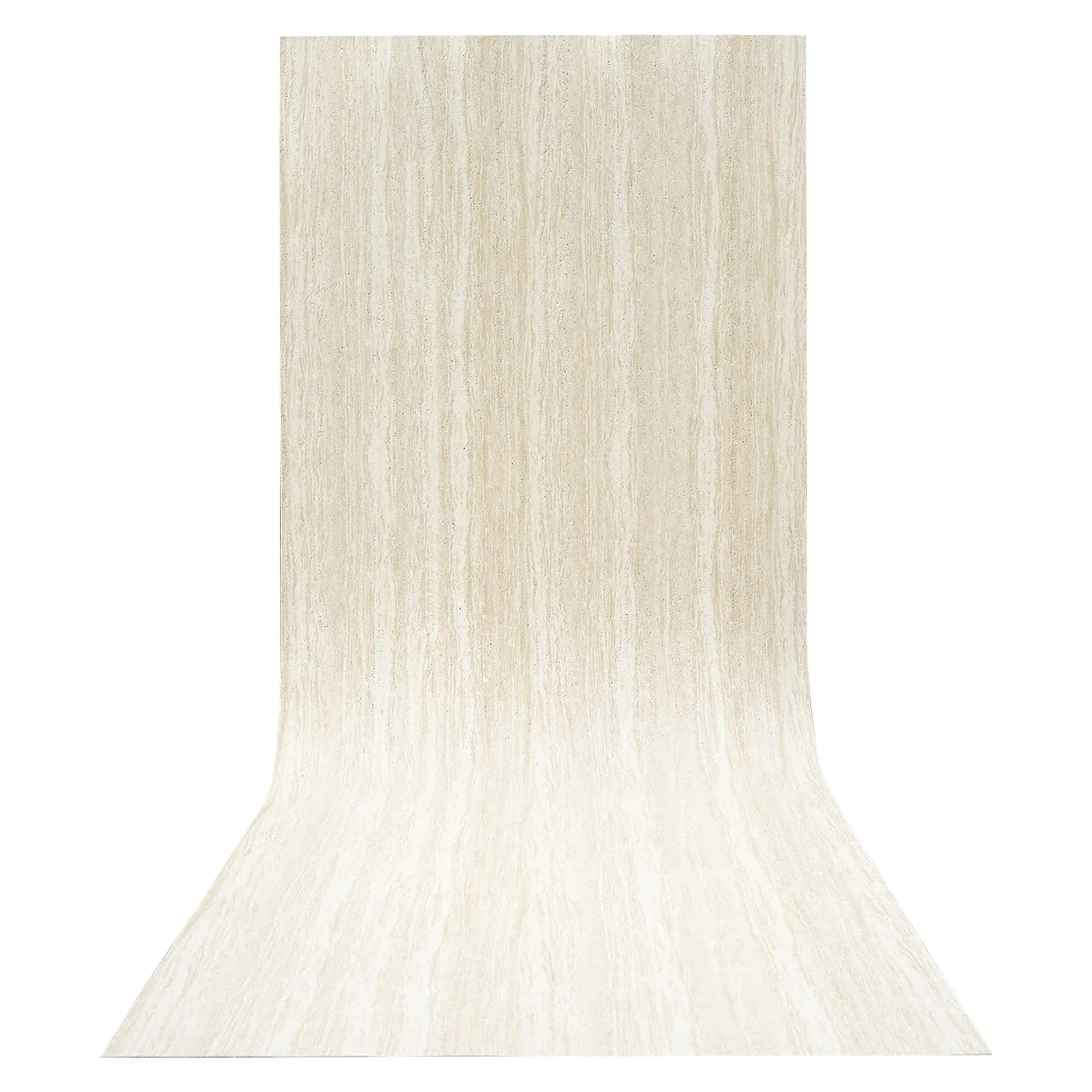
Curious about what goes into creating that perfect wood-like finish? The manufacturing process is a mix of art and engineering, designed to balance realism with performance.
It starts with the "recipe": a base of Portland cement (or sometimes lime) mixed with aggregates like sand or fly ash (a recycled byproduct from coal plants, which boosts sustainability). To this, manufacturers add reinforcing fibers—often cellulose (from plants) or glass fibers—to flexibility and prevent cracking. Polymers, like acrylic or epoxy resins, are then blended in to improve water resistance and adhesion, ensuring the material bonds tightly during curing.
Once the mixture is ready, it's time to shape and texture. For wood grain board , the wet mixture is pressed into molds that replicate the exact texture of wood—down to the pores, knots, and grain direction. Some manufacturers use 3D scanning technology to capture the details of real wood planks, ensuring the mold is a precise copy. For bamboo mat board, the mold mimics the woven pattern of bamboo strips, creating a surface that looks handcrafted.
After molding, the material is cured—either air-dried or baked in controlled environments—to harden it. Finally, it's colored using pigments (mixed into the base or applied as a topcoat) to match wood tones: warm browns, soft beiges, deep charcoals, or even weathered greys. The result is a panel that's not just a "print" of wood, but a three-dimensional texture that invites touch and feels authentic.
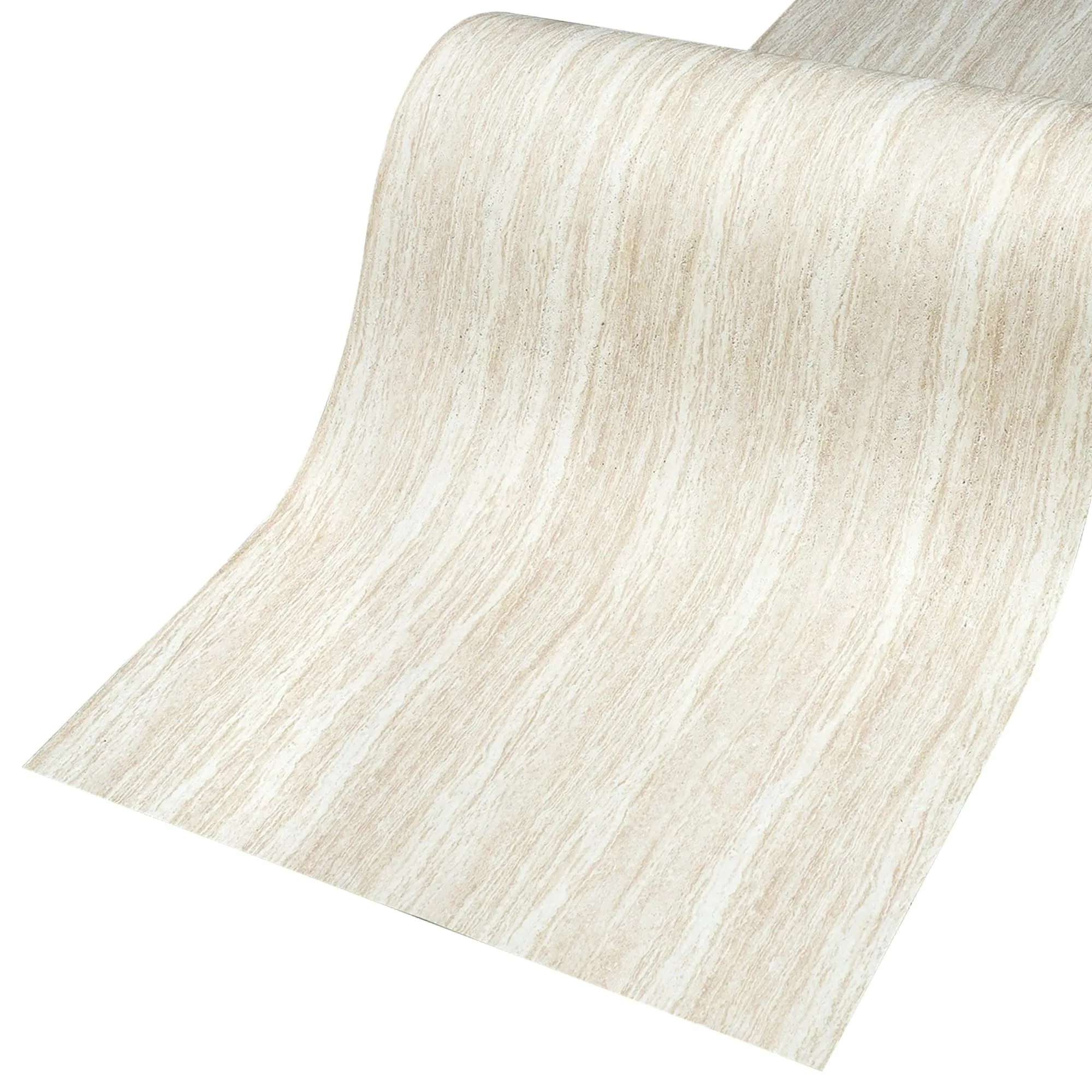
One of the best things about MCM Wood Line is its versatility. It's not limited to walls or floors—its lightweight nature and durability make it suitable for both indoor and outdoor use, in residential and commercial settings. Here are just a few ways designers and homeowners are using it:
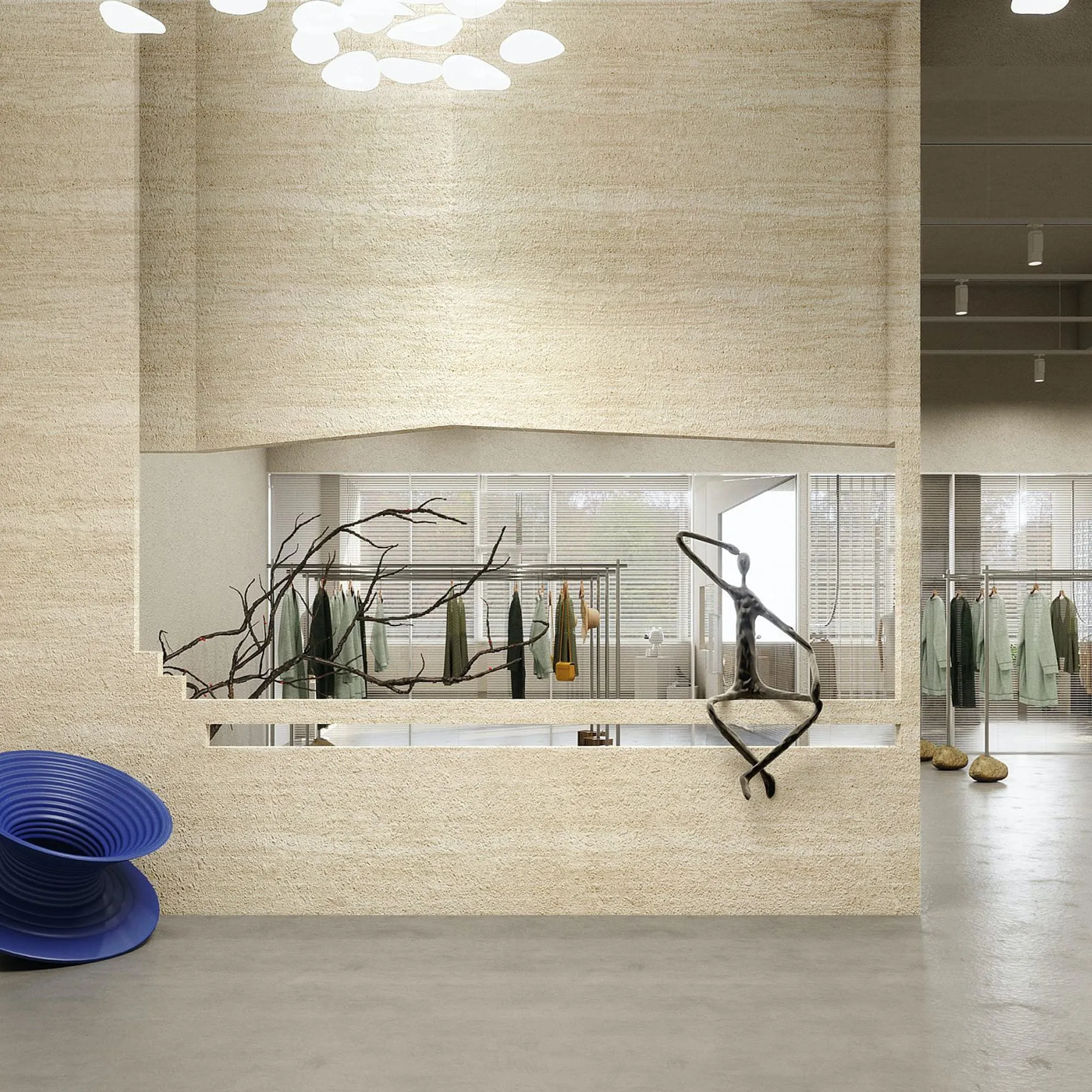
Still on the fence about whether MCM Wood Line is right for your project? Let's see how it stacks up against common alternatives like natural wood, engineered wood, and vinyl siding.
| Feature | MCM Wood Line | Natural Wood | Engineered Wood | Vinyl Siding |
|---|---|---|---|---|
| Durability | Resistant to rot, pests, and warping; lasts 30+ years | Prone to rot, termites, and warping; lasts 10-20 years with maintenance | More stable than natural wood but still vulnerable to moisture; lasts 15-25 years | Resistant to moisture but can crack in extreme cold; lasts 20-30 years |
| Maintenance | Low: Wipe clean with soap and water; no sealing or painting needed | High: Annual sanding, staining, and sealing required | Moderate: Occasional cleaning; may need refinishing every 5-10 years | Low: Easy to clean but can fade; hard to repair if cracked |
| Installation | Lightweight and flexible; can be cut with standard tools; suitable for DIY | Heavy; requires specialized tools for cutting and fastening | Moderate weight; may need professional installation for large projects | Lightweight but can be brittle; requires precise cutting |
| Sustainability | Eco-friendly: Uses recycled materials; reduces deforestation | Depends on sourcing; may contribute to deforestation if not FSC-certified | Uses wood fibers but still relies on tree harvesting | Made from PVC; not biodegradable; energy-intensive to produce |
| Aesthetics | Highly realistic wood look; wide range of grains, colors, and textures | Authentic but limited by natural variation; can look uneven over time | Consistent appearance but less depth than natural wood or MCM | Plastic-like appearance; limited texture options |
One of the biggest perks of MCM Wood Line is how little effort it takes to keep it looking great. Unlike natural wood, which demands regular upkeep, MCM Wood Line thrives on minimal care. Here's how to make sure your investment lasts:
In an era where sustainability is more than a buzzword—it's a responsibility—MCM Wood Line shines as an eco-conscious choice. Here's why:
First, it reduces reliance on natural wood. By mimicking wood's beauty without cutting down trees, MCM Wood Line helps combat deforestation, a critical issue for global carbon levels and biodiversity. Many manufacturers also use recycled materials in their mixes, such as fly ash (a waste product from coal-fired power plants) or recycled polymers, diverting waste from landfills.
Second, MCM Wood Line is energy-efficient to produce compared to some alternatives. The manufacturing process uses less energy than producing solid wood (which requires logging, transportation, and drying) or vinyl (which involves plastic extrusion). Plus, its durability means fewer replacements over time—less waste, less energy spent on manufacturing new materials, and a lower carbon footprint overall.
Finally, at the end of its long life, MCM Wood Line can often be recycled or crushed and used as aggregate in new construction projects, closing the loop on sustainability.
MCM Wood Line isn't just a passing trend. It's a material that solves a fundamental problem: the desire for beauty without sacrifice. Whether you're building a new home, renovating a space, or designing a commercial project, it offers the best of both worlds—the warmth and texture of wood, with the strength and practicality of modern engineering.
From the intricate details of wood grain board that make a living room feel like a mountain cabin, to the sleek versatility of wood concrete board in a downtown loft, MCM Wood Line adapts to any vision. It's durable enough for outdoor use, elegant enough for interiors, and sustainable enough to feel good about. In a world where we want more from our materials—more beauty, more durability, more responsibility—MCM Wood Line delivers.
So the next time you see a space that feels both timeless and tough, take a closer look. It might just be MCM Wood Line—proving that sometimes, the best innovations are the ones that make the old feel new again.
Recommend Products












