
Walk into any modern architectural marvel today, and you'll likely spot a material that seems to defy the rules of traditional building—walls that mimic the rugged beauty of ancient stone but curve gracefully around corners, facades that shimmer like polished marble yet weigh so little they're installed in hours, and textures so intricate they look hand-carved, yet are produced with precision. Chances are, that material is Modified Cementitious Material (MCM) . For architects, designers, and homeowners tired of choosing between durability, aesthetics, and practicality, MCM isn't just a new product—it's a revolution in how we build and beautify spaces.
In a world where "sustainable," "versatile," and "stunning" are often competing demands, MCM bridges the gap. It's the answer to the age-old frustration of natural stone being too heavy, concrete too cold, or wood too fragile. But what exactly is MCM? How does it work? And why are names like MCM flexible stone , lunar peak silvery , and travertine (starry green) becoming buzzwords in design circles? Let's dive in.
To understand MCM, let's start with the basics: traditional cement-based materials. For decades, cement boards were the workhorses of construction—sturdy, fire-resistant, and affordable, but limited. They were rigid, heavy, and about as visually inspiring as a blank canvas. Enter MCM: a modified version of cementitious material that swaps brittleness for flexibility, bulk for lightness, and monotony for endless design possibilities.
At its core, MCM is a composite material. Think of it as cement reimagined: blended with high-performance polymers, natural fibers, and mineral aggregates, then engineered to be flexible (yes, it can bend!), lightweight (up to 70% lighter than natural stone), and incredibly durable (resistant to moisture, fire, and even extreme temperatures). This isn't just cement with a makeover—it's a material designed for the way we live and build today: bold, efficient, and unapologetically beautiful.
One of the most exciting things about MCM is its versatility. Unlike natural stone, which is limited by quarry yields, or wood, which fades and warps, MCM can be crafted into virtually any texture, color, or pattern. Want the look of 200-year-old travertine with a modern metallic sheen? Done. Dream of a wall that looks like it's woven from desert sand? Possible. Need a facade that can withstand coastal salt spray without corroding? MCM delivers. It's no wonder brands like MS (a leader in MCM innovation) have developed entire series dedicated to pushing these boundaries—from the MCM 3D printing series (think custom 3D-textured panels) to the MCM big slab board series (seamless 12-foot-wide slabs that make walls look like they're carved from a single stone).
Before we dive into the stunning array of MCM products (we're talking lunar peak golden , rust square line stone , and foamed aluminium alloy board (vintage silver) , to name a few), let's talk about why this material has architects and designers rethinking their go-to choices. Here's what makes MCM stand out:
Natural stone can weigh up to 150 pounds per square foot—requiring reinforced structures and heavy machinery to install. MCM? A mere 8–12 pounds per square foot. That means it can be installed on wood frames, drywall, or even existing surfaces without extra support. But don't let the weight fool you: MCM is engineered to resist impact, cracking, and fading. It's water-resistant (no more mold in bathrooms!), fire-rated (ideal for commercial spaces), and UV-stable (so that travertine (starry blue) facade will stay vibrant for decades, even in harsh sunlight).
Imagine a material that can mimic the veining of marble, the grain of oak, the roughness of desert stone, or even the sparkle of a starry night. MCM's manufacturing process (which often involves advanced molding and texturing techniques) lets designers create textures and colors that would be impossible or prohibitively expensive with natural materials. Want a wall that looks like it's covered in rammed earth board (matcha green) for a zen retreat? Or a ceiling that shimmers like boulder slab (vintage gold) for a luxury hotel lobby? MCM makes it possible—without the hassle of sourcing rare stones or dealing with inconsistent natural patterns.
In an era where "green building" is more than a trend, MCM shines. Many MCM products are made with recycled materials (like fly ash or reclaimed aggregates), and their lightweight nature reduces transportation emissions. Since they're durable and low-maintenance, they also reduce the need for frequent replacements (unlike wood, which rots, or paint, which chips). Plus, MCM is often installed with minimal waste—no cutting giant slabs of stone on-site, just precision-fit panels that snap into place.
Any contractor will tell you: time is money. MCM panels are lightweight, easy to cut with standard tools, and often install with simple adhesives or mechanical fasteners. A team can cover an entire exterior wall in a day, compared to a week for natural stone. And because MCM is flexible, it can bend around curves and corners—perfect for modern, organic architectural designs. No more unsightly seams or cracked edges from rigid materials!
Now that we understand why MCM is taking the construction world by storm, let's explore some of the most popular MCM product lines. MS, a leading manufacturer, offers a range of series tailored to different design needs—each with its own unique personality and applications. Below, we'll break down the standout series and highlight some of their most eye-catching products (many of which you've seen in "real photos" across design blogs and project showcases).
If MCM had a "fan favorite" series, it would be MCM flexible stone . As the name suggests, these panels are thin (often 3–5mm thick) and flexible, making them ideal for curved surfaces, accent walls, and even furniture. They're designed to mimic natural stone—travertine, marble, slate, and more—but with a lightweight, install-anywhere convenience. Let's meet some of the stars of this series:
For spaces where "grand" is the goal, the MCM big slab board series reigns supreme. These large-format panels (often 4x8 feet or larger) create seamless, dramatic surfaces that make walls, floors, and countertops feel expansive and cohesive. They're especially popular in commercial spaces like airports, hotels, and malls, where a unified look is key. Here are some standouts:
The MCM 3D printing series is where MCM truly leans into innovation. Using advanced 3D printing technology, manufacturers can create panels with intricate, three-dimensional textures that would be impossible with traditional molding. From wave-like patterns to geometric grids to organic, coral-inspired shapes, these panels are art first, building material second. A standout here is the wave panel —a flowing, undulating texture that mimics ocean waves. It's stunning as a backdrop in a beach house, a spa, or even a corporate lobby, where it adds movement and energy to static spaces.
For designers who love the look of metal but hate the weight and cost, foamed aluminium alloy board is a game-changer. These panels are made by bonding a thin layer of aluminium alloy to a lightweight foam core, resulting in a material that looks like solid metal but weighs a fraction of the real thing. Available in vintage silver , vintage gold , and gold , they're perfect for adding a touch of glamour to exteriors (think high-rise facades) or interiors (bar fronts, ceiling accents). Unlike real aluminium, they're scratch-resistant and won't tarnish, so that vintage gold finish will stay lustrous for years.
With so many options, choosing the right MCM product can feel overwhelming. To help, here's a quick comparison of some popular choices, including their best uses and key features:
| Product Name | Series | Texture/Finish | Best For | Key Benefit |
|---|---|---|---|---|
| Travertine (Starry Green) | MCM Flexible Stone | Porous travertine with iridescent green flecks | Bedroom accent walls, boutique hotels | Adds warmth and whimsy without heaviness |
| Lunar Peak Silvery | MCM Flexible Stone | Matte metallic silver with crater-like texture | Tech offices, modern lobbies | Sleek yet textured; resists fingerprints |
| Boulder Slab (Vintage Gold) | MCM Big Slab | Polished, marbled gold with boulder-like veining | Luxury hotel feature walls, high-end retail | Seamless large format; opulent without being gaudy |
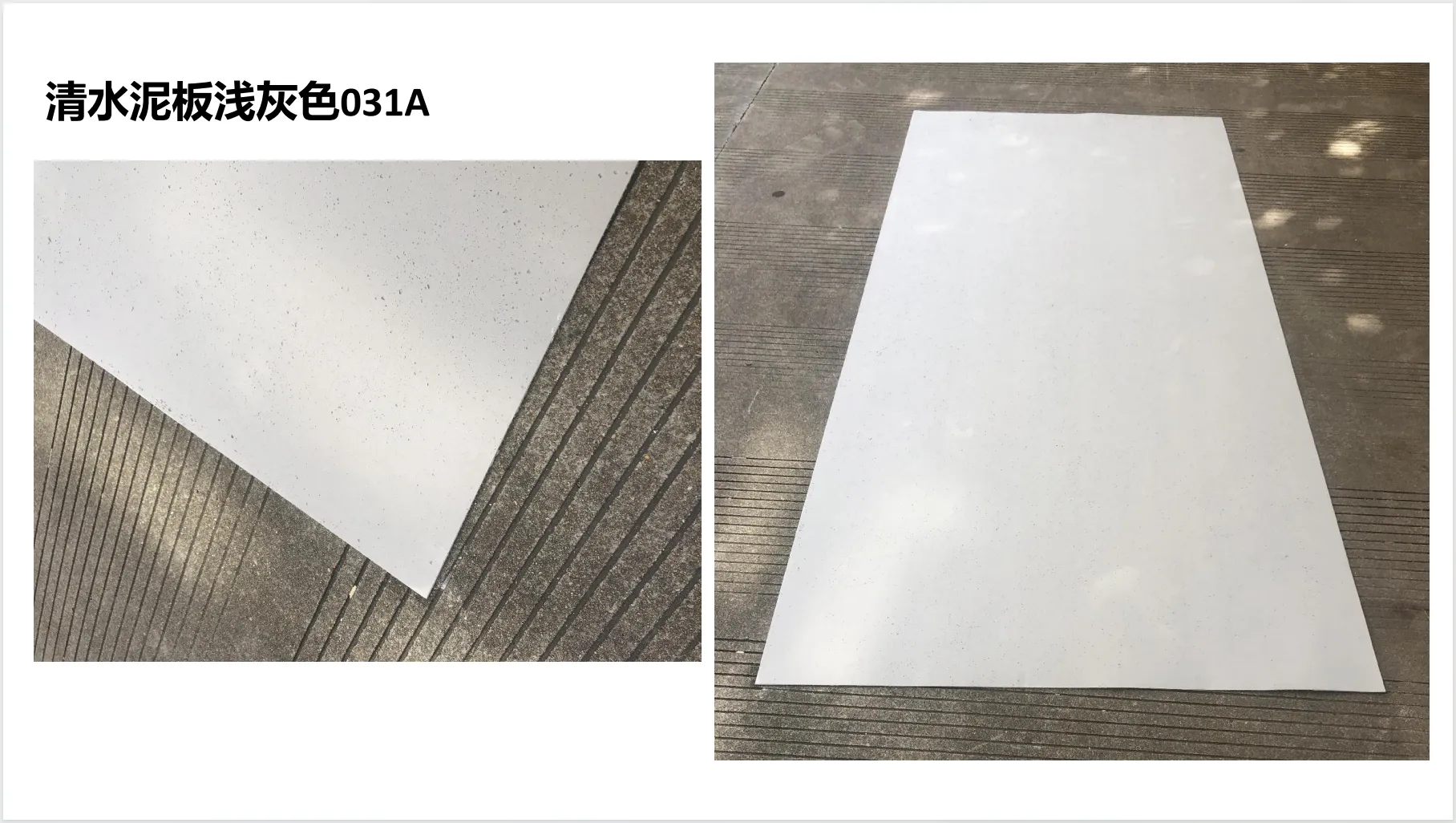
| Fair-Faced Concrete | MCM Big Slab | Smooth, uniform concrete look | Industrial-style restaurants, airports | Low maintenance; pairs with wood/metal |
| Foamed Aluminium Alloy (Vintage Silver) | Metallic Series | Brushed silver with vintage patina | Exterior facades, bar fronts | Lightweight; resists corrosion and fading |
| Rammed Earth Board (Matcha Green) | Textured Series | Layered, earthy green with soft ridges | Zen spas, yoga studios, home retreats | Evokes nature; calming, organic vibe |
Still not sure how MCM could work in your project? Let's look at a few hypothetical (but realistic!) scenarios:
A beachside café wants to evoke the desert-meets-ocean vibe of its location. The designer chooses gobi panel (a textured, sand-colored MCM that mimics desert stone) for the main walls, paired with foamed aluminium alloy board (vintage silver) for the awning and trim. The result? A space that feels warm and earthy (thanks to the gobi panels) but has a modern, reflective edge (from the silver aluminium) that complements the ocean views. Best of all, the MCM panels are salt-resistant, so they'll stand up to the coastal breeze without rusting or fading.
A remote worker wants a home office that's both inspiring and calming. They opt for lunar peak black (a deep, matte black with subtle crater texture) on one accent wall, paired with wood grain board (which mimics the look of oak) on the opposite wall. The black adds drama and focus, while the wood grain brings warmth and prevents the space from feeling too stark. The MCM panels are easy to install, so the worker can DIY the accent wall in a weekend—no need for a contractor.
A boutique hotel in a mountain town wants to stand out with a "night sky" theme. The lobby features a travertine (starry blue) feature wall—deep blue with silver and white flecks that shimmer under recessed lighting—paired with bali stone (a warm, beige stone with tropical-inspired texture) for the floors. The effect is breathtaking: guests feel like they're standing under the stars, even indoors. And because MCM is fire-rated, the hotel meets safety codes without sacrificing design.
We get it: natural stone has a timeless appeal. But when you stack MCM against, say, marble or travertine, the differences are clear. Let's break it down:
| Factor | MCM | Natural Stone |
|---|---|---|
| Weight | 8–12 lbs/sq ft | 100–150 lbs/sq ft |
| Installation Time | 1–2 days for a standard wall | 1–2 weeks (requires specialized labor) |
| Design Consistency | Uniform texture/color (no surprises!) | Inconsistent veining/patterns (can be a pro or con) |
| Maintenance | Wipe clean with soap and water; no sealing needed | Requires sealing every 1–3 years; prone to staining |
| Sustainability | Often made with recycled materials; low transportation emissions | Quarrying can damage ecosystems; high carbon footprint |
| Cost | $20–$50/sq ft (materials + installation) | $50–$150/sq ft (materials + installation + sealing) |
For many projects, natural stone will always have a place—there's nothing like the uniqueness of a one-of-a-kind marble slab. But for most designers and homeowners, MCM offers a better balance of beauty, practicality, and cost. It's not about replacing natural stone; it's about expanding the toolkit.
As technology advances, MCM is only going to get more innovative. Manufacturers are already experimenting with 3D art concrete board (which allows for custom 3D-printed textures), gradient color rammed earth board (panels that fade from one hue to another), and even "smart" MCM that integrates lighting or heating elements. Imagine a travertine (starry red) wall that lights up for holidays, or a lunar peak golden ceiling that doubles as a radiant heater. The possibilities are endless.
At the end of the day, MCM is more than just a building material. It's a tool that empowers designers to dream bigger, homeowners to create spaces that reflect their personalities, and builders to work more efficiently. Whether you're drawn to the starry sparkle of travertine (starry green) , the industrial edge of rust square line stone , or the timeless elegance of boulder slab (vintage black) , MCM offers something for every style and project.
So the next time you walk into a space that takes your breath away—whether it's a sleek office, a cozy café, or a stunning home—take a closer look. Chances are, you're looking at MCM: a material that proves you don't have to choose between beauty, durability, and practicality. In the world of building, the future is flexible, lightweight, and absolutely stunning. And it's here, now, in the form of Modified Cementitious Material.
Recommend Products












