
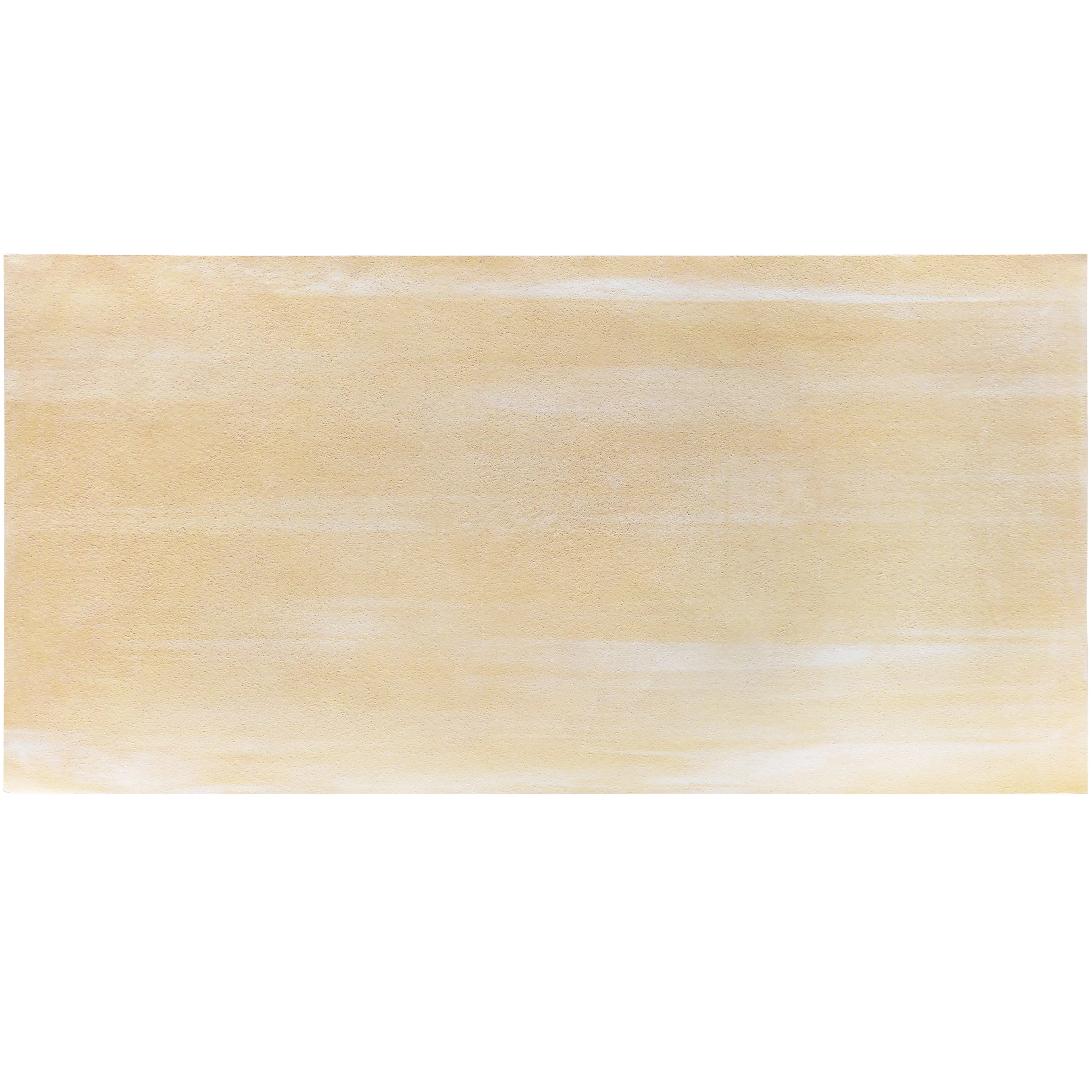
Last month, I visited a friend's newly renovated café in the city center. What stopped me in my tracks wasn't the latte art or the indie music—it was the wall behind the counter. It had this soft, almost tactile texture, like sandstone but with a subtle shimmer, and when I ran my hand over it, it didn't feel cold or rigid like concrete. "That's Modified Cementitious Sandstone Cloude," my friend said, grinning. "COLORIA's new stuff. It's changed how we think about walls." That moment stuck with me. Building materials, I realized, aren't just about function—they shape how we experience space. They can make a room feel cozy, grand, or full of wonder. And COLORIA, a brand quietly revolutionizing the industry, is turning that idea into reality with their Modified Cementitious Sandstone Cloude (MCSC). Let's dive into what makes this material so special, and how COLORIA's core technology is redefining the future of architecture and design.
Let's start with the basics. MCSC isn't your average building material. It's a carefully engineered blend of cementitious binders, high-performance polymers, and natural aggregates—think crushed stone, sand, and even recycled minerals—all fused together with COLORIA's proprietary technology. The result? A material that looks and feels like natural sandstone but behaves like something out of a sci-fi novel. It's lightweight, flexible, and infinitely customizable, yet just as durable as traditional concrete. But to call it "sandstone with a twist" would be underselling it. MCSC is a reimagining of what a building material can be: one that marries the warmth of natural stone with the adaptability modern architects crave.
Traditional sandstone, for all its beauty, is heavy and brittle. Transporting large slabs is a logistical nightmare, and installing them requires specialized labor. Concrete, on the other hand, is tough but cold, lacking the organic charm of natural materials. MCSC bridges that gap. It weighs a fraction of natural stone—around 8-12 kg per square meter, compared to 25-30 kg for standard sandstone—making it easier to transport and install. And here's where the "modified" part comes in: COLORIA adds a network of microfibers and polymers that give MCSC a surprising amount of flexibility. Imagine bending a stone slab without it cracking—that's the magic of flexible stone technology at work. It can curve around corners, wrap columns, or even be used on curved facades, opening up design possibilities that were once impossible.
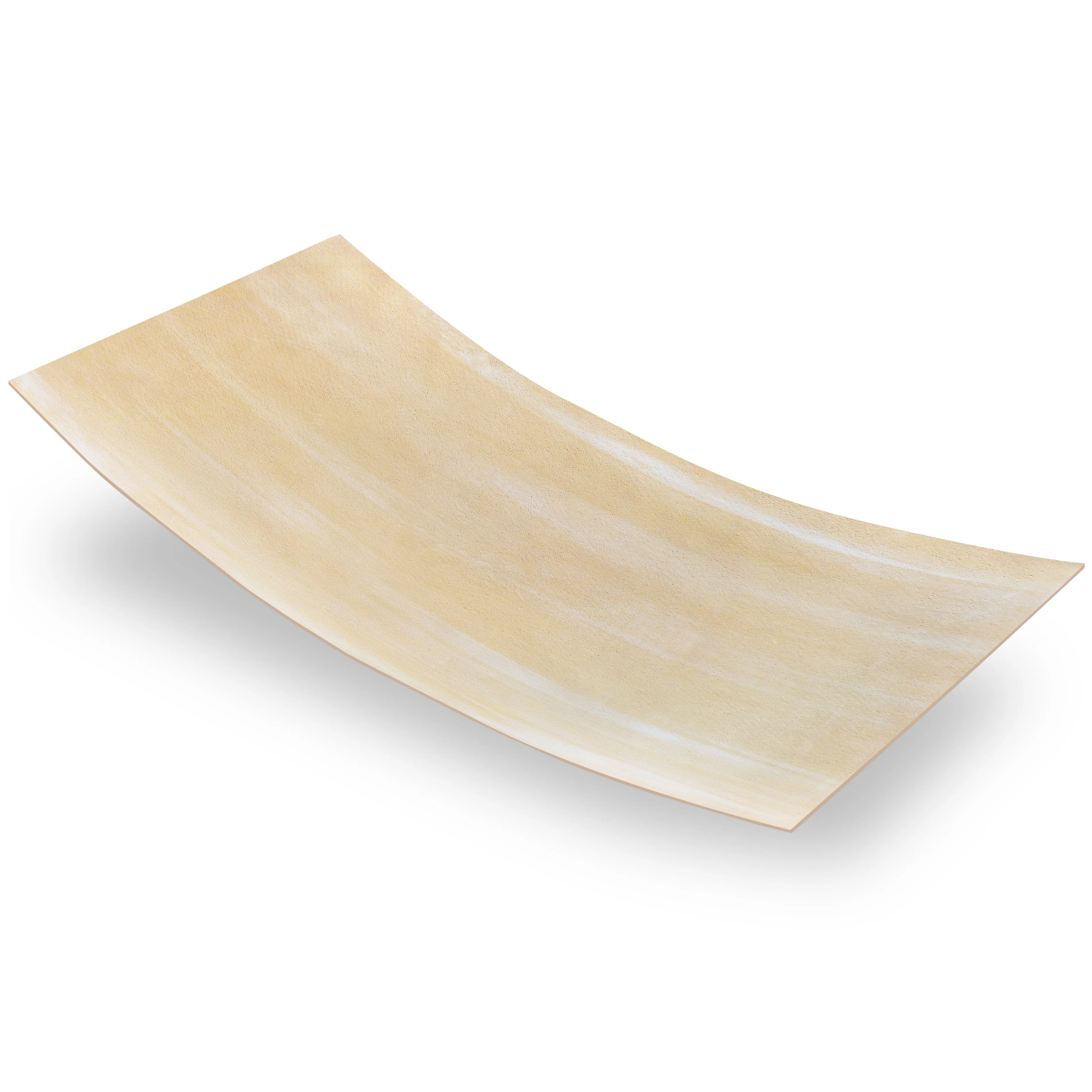
COLORIA didn't just stumble upon MCSC. It took years of research, collaboration with materials scientists, and a refusal to accept "good enough." Their core technology boils down to three pillars: smart material science , precision manufacturing , and sustainable innovation . Let's unpack each.
At the heart of MCSC is COLORIA's unique formula. They start with a base of eco-friendly cementitious materials—low-carbon cement that reduces CO2 emissions by up to 30% compared to traditional cement. Then, they add a dash of "secret sauce": a blend of polymers that act like a microscopic glue, binding the aggregates together while allowing for flexibility. But the real breakthrough? Nanofiber reinforcement. These ultra-thin fibers, thinner than a human hair, are distributed evenly throughout the mixture, creating a internal "skeleton" that absorbs stress. That's why MCSC can bend without breaking—it's not just strong; it's resilient .
Take, for example, COLORIA's travertine (starry blue) finish. Travertine is a classic natural stone, but it's porous and prone to staining. MCSC's version mimics travertine's signature pitted texture and warm tones, but with a twist: the "starry" effect comes from embedded mineral crystals that catch light, and the surface is sealed with a polymer layer that repels water and dirt. It's the best of both worlds—natural beauty without the high maintenance.
COLORIA doesn't just mix materials in a bucket. Their manufacturing process is a symphony of technology and craftsmanship. They use advanced mixing techniques to ensure every batch of MCSC has consistent texture and strength, then employ 3D modeling to shape the material into custom designs. Want a wall that looks like it's been carved by wind and time? Or a panel with the intricate pattern of a wood grain board ? COLORIA's digital fabrication tools can replicate even the most complex textures with pinpoint accuracy.
One of their most impressive feats? Integrating MCSC with other innovative materials, like foamed aluminium alloy board (vintage silver) . Foamed aluminium is lightweight and has a sleek, metallic finish—perfect for modern designs. By combining it with MCSC, COLORIA creates hybrid panels that blend the warmth of stone with the industrial edge of metal. A recent project in Tokyo, for instance, used MCSC in a soft beige tone paired with vintage silver foamed aluminium accents to create a lobby that feels both grounded and futuristic. It's design harmony, achieved through technical precision.
In an era where "sustainability" is often just a buzzword, COLORIA walks the walk. MCSC is designed to minimize environmental impact from start to finish. The production process uses recycled aggregates (up to 40% in some formulations), reducing the need for quarrying natural stone. It also requires less water than traditional concrete production, and COLORIA's factories run on renewable energy—solar panels and wind turbines power much of their manufacturing.
But sustainability isn't just about production; it's about longevity. MCSC is built to last. Unlike paint or wallpaper, which fade or peel over time, MCSC retains its color and texture for decades. And when a building is renovated, MCSC panels can be recycled or repurposed, reducing construction waste. Compare that to fair-faced concrete , which often ends up in landfills once a structure is demolished. COLORIA's approach? "Build once, build well, and build green."
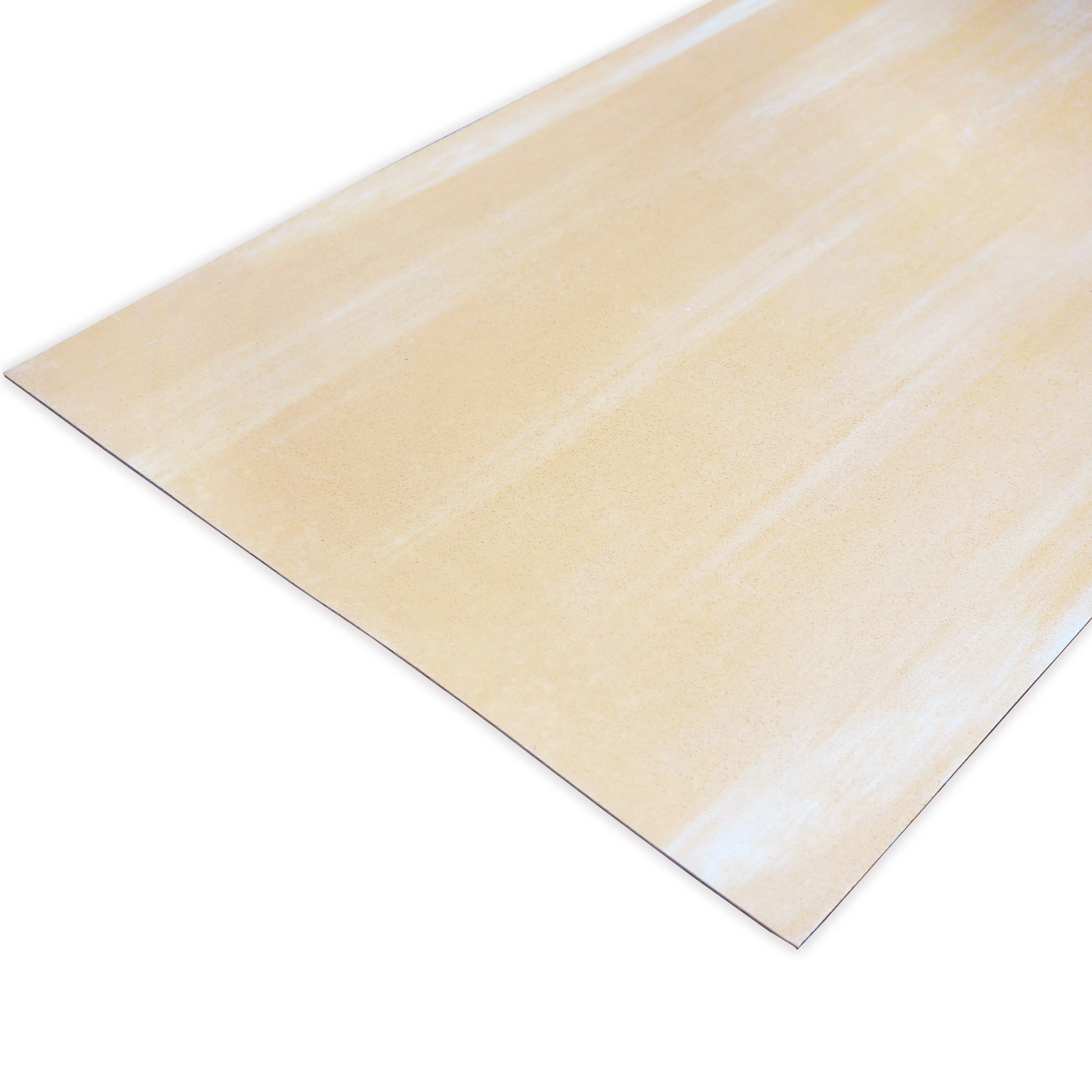
Okay, so MCSC is cool—but why should you care? Let's talk about the real-world benefits that make architects, designers, and homeowners obsessed.
Flexibility = Freedom: Remember that curved café wall I mentioned earlier? With traditional stone, that would have required custom-cutting each piece, a process that's expensive and error-prone. MCSC panels bend and flex, so they can follow any curve or contour. This isn't just about aesthetics—it's about functionality. In tight urban spaces, where every inch counts, MCSC lets designers maximize space without sacrificing style.
Lightweight = Easier Installation: A standard 4x8-foot MCSC panel weighs around 30 pounds. That means two people can carry and install it without heavy machinery. This cuts down on labor costs and installation time—what might take a week with traditional stone can be done in a day with MCSC. For contractors, that's a game-changer. For homeowners, it means less disruption during renovations.
Customizable = Your Space, Your Style: Whether you're going for a rustic cabin vibe or a minimalist penthouse, MCSC has a finish for you. Love the look of travertine (starry blue) for a bathroom backsplash? Or prefer the warmth of a wood grain board for a bedroom accent wall? COLORIA offers hundreds of textures, colors, and patterns, including limited-edition "artisan series" designed in collaboration with artists and designers. Your walls don't have to be boring—they can be a reflection of you .
| Feature | Modified Cementitious Sandstone Cloude (MCSC) | Traditional Natural Stone | Standard Concrete |
|---|---|---|---|
| Weight (per sq. meter) | 8-12 kg | 25-30 kg | 20-24 kg |
| Flexibility | Bends up to 15° without cracking | Brittle; prone to chipping | Rigid; minimal flexibility |
| Installation Time | 1-2 days for a standard wall | 3-5 days (requires custom cutting) | 2-3 days (heavy lifting needed) |
| Sustainability | 40% recycled materials; recyclable | High quarrying impact; non-recyclable | High CO2 emissions; limited recycling |
| Design Options | Custom textures, colors, and finishes | Limited by natural variation | Basic finishes; limited customization |
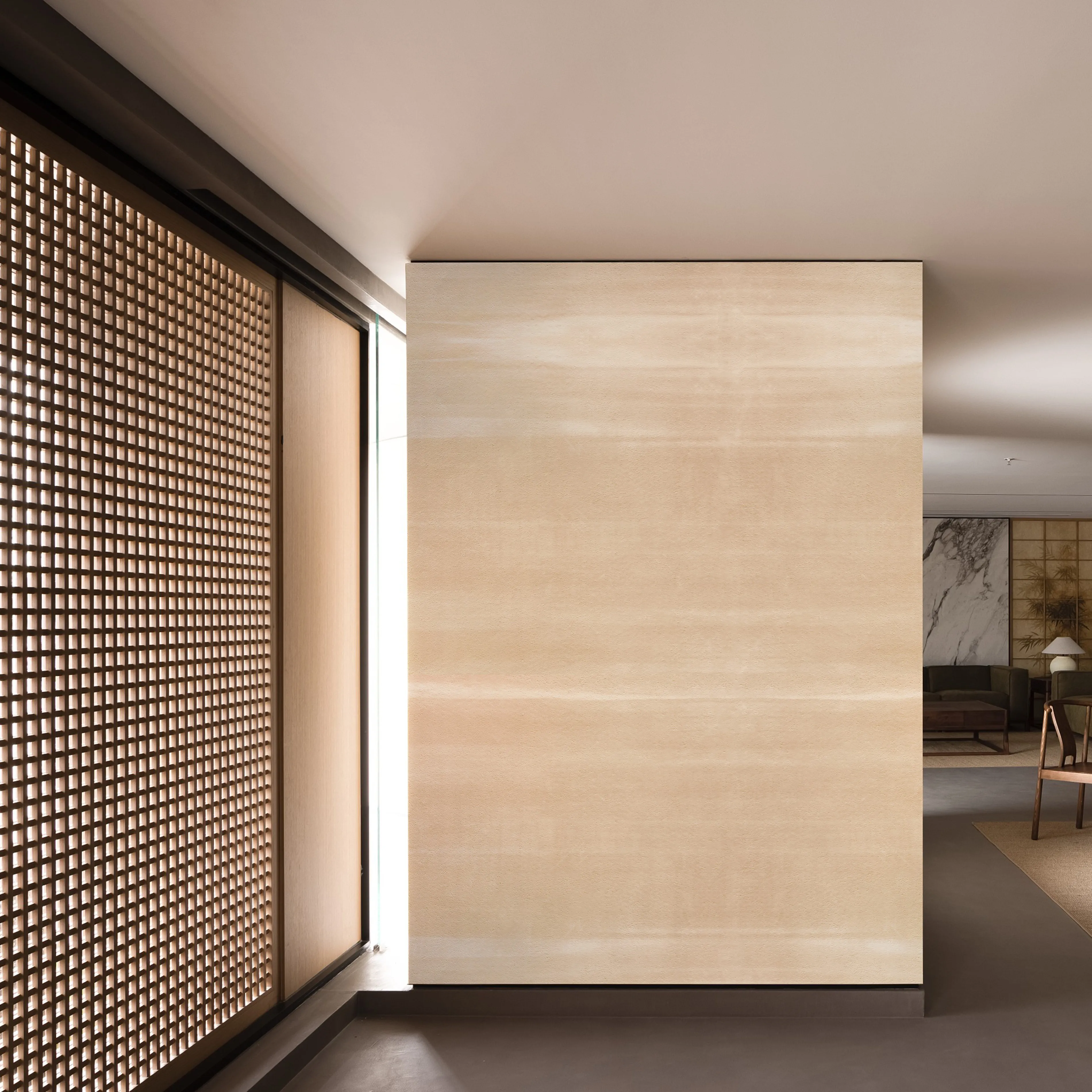
MCSC isn't just for cafés. Its versatility means it's popping up in all kinds of spaces, from cozy homes to towering commercial buildings. Let's take a look at a few standout examples:
Residential Retreats: A family in Portland, Oregon, used MCSC in their backyard oasis. They wrapped their outdoor kitchen island in travertine (starry orange) panels, which catch the sunset and turn the space into a warm, golden haven. The lightweight panels were easy to install on the existing concrete base, and they're weather-resistant—rain or shine, that island looks as good as the day it was built.
Commercial Cool: A tech startup in Berlin wanted their office to feel like a "creative cave"—a space that inspires innovation. They chose MCSC in a deep, earthy tone for the main walls, paired with foamed aluminium alloy board (vintage gold) for accent panels. The result? A space that feels both grounded and forward-thinking, where employees say they "never want to leave."
Historic Renovations: In Rome, a 17th-century villa was being restored, and the architects needed a material that matched the original stone walls but was lighter and easier to work with. MCSC in a custom "antique travertine" finish stepped in. It blends seamlessly with the villa's historic stone, preserving its character while making the restoration feasible.
At the end of the day, MCSC is just a material. What makes COLORIA special is the vision behind it: a belief that buildings should connect with people. They shouldn't feel cold or sterile; they should evoke emotion, tell stories, and adapt to how we live.
I think back to that café wall again. It wasn't just a wall—it was a conversation starter. Customers would run their hands over it, ask about it, and leave with a new appreciation for the space. That's the power of MCSC. It turns buildings into experiences.
As cities grow and design tastes evolve, we need materials that can keep up. MCSC isn't just a trend—it's a glimpse into the future: one where sustainability, functionality, and beauty coexist. COLORIA's core technology proves that we don't have to choose between "practical" and "pretty," between "strong" and "flexible," or between "modern" and "natural."
So the next time you walk into a space and feel that "wow" moment—whether it's a café, a hotel, or even a friend's living room—take a closer look at the walls. Chances are, it might just be Modified Cementitious Sandstone Cloude. And behind it? COLORIA, quietly building a world where every surface tells a story.
Recommend Products












