
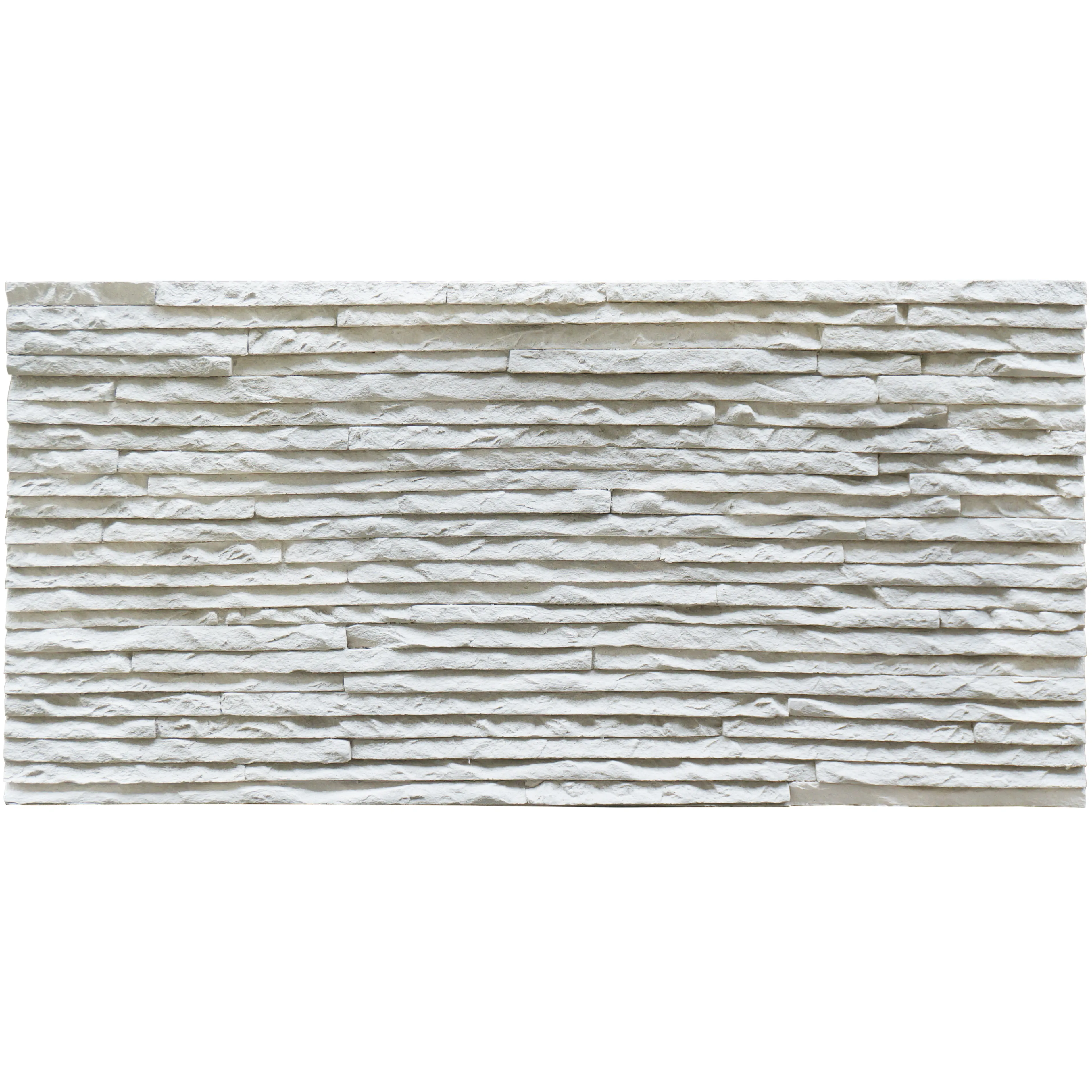
Exploring the warmth, versatility, and innovation behind a modern classic in building materials
Walk into any space that feels truly alive—whether it's a cozy café with sun-dappled walls, a grand hotel lobby that exudes timeless elegance, or a heritage home that whispers stories of the past—and you'll notice something crucial: the materials. They're not just backdrop; they're the soul of the place. They shape how light plays, how sound echoes, and even how we feel when we're there. In a world where so much of our built environment leans on cold, sterile surfaces, there's a growing hunger for materials that bridge the gap between nature and innovation. Enter Muretto Stone (Beige)—a quiet revolutionary in the world of architecture, and a standout in COLORIA GROUP's MCM flexible stone lineup. Let's dive into what makes this material so special, and why it's capturing the hearts of designers, architects, and homeowners alike.
Let's start with the basics. Muretto Stone (Beige) is part of COLORIA GROUP's MCM flexible stone collection—a family of building materials that reimagines what stone can be. MCM, or Modified Composite Material, is the secret sauce here. Think of it as nature and technology shaking hands: a blend of natural mineral aggregates (like crushed stone, marble dust, or quartz), high-performance polymers, and eco-friendly binders. The result? A material that looks and feels like natural stone but behaves in ways traditional stone never could—lightweight, flexible, and surprisingly durable.
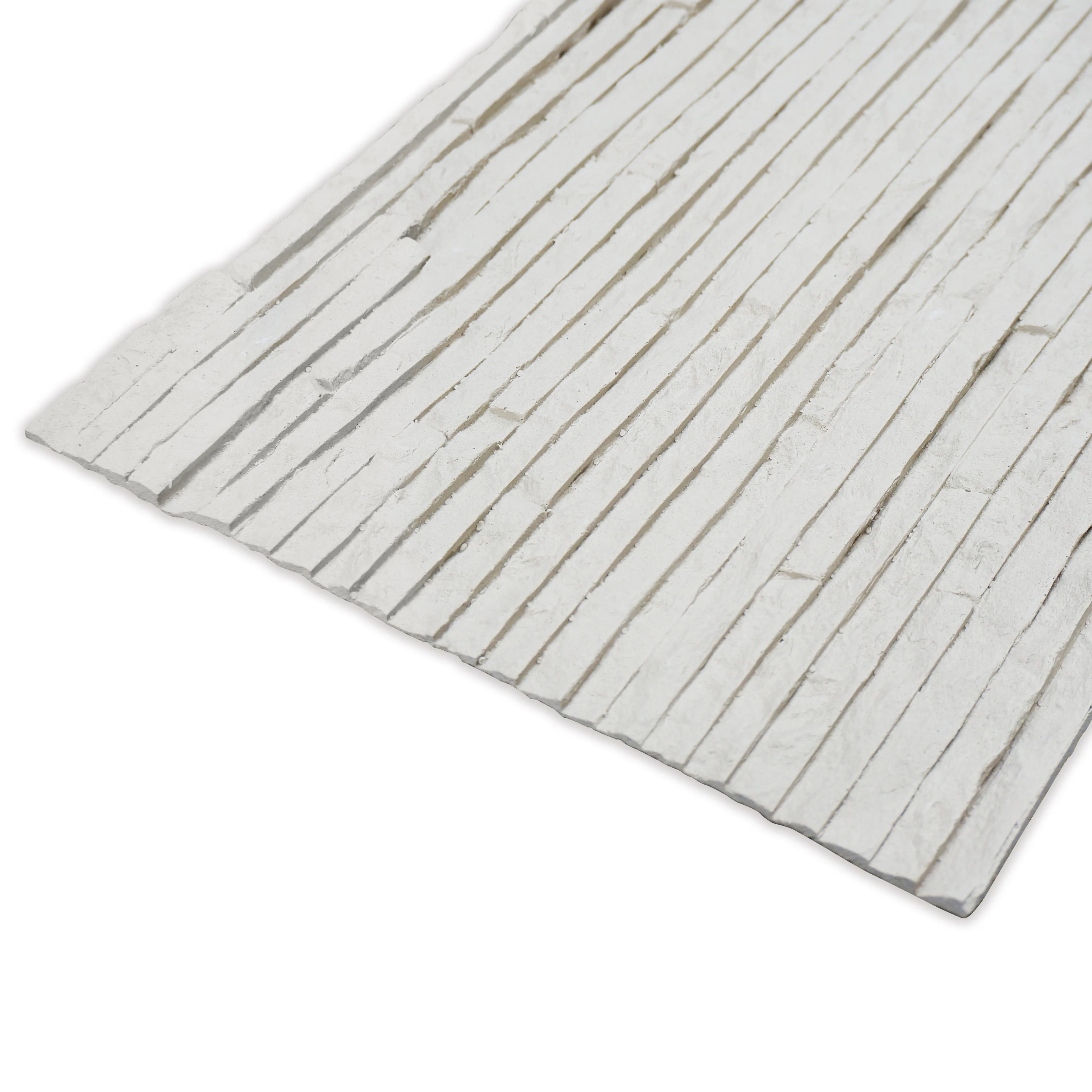
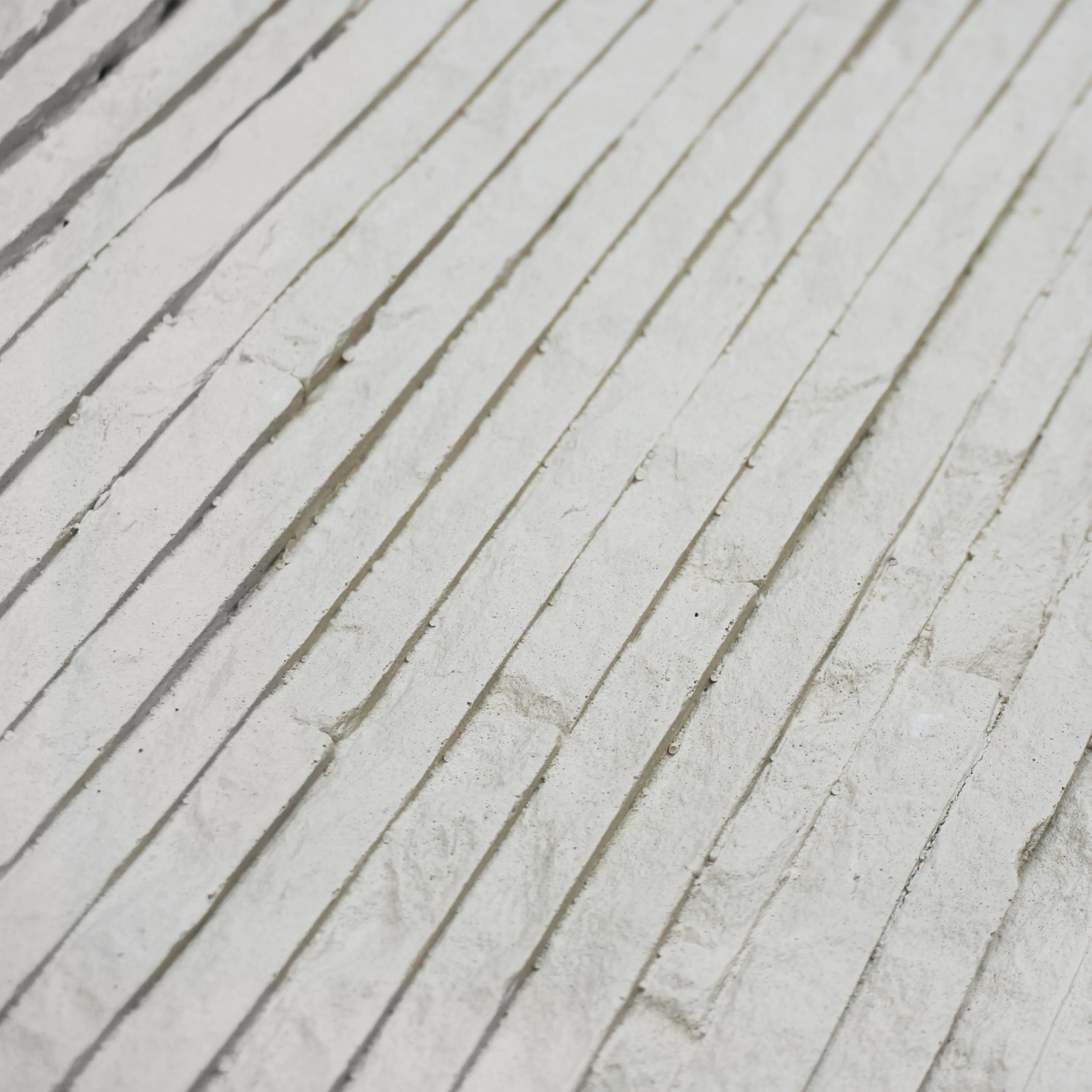
But Muretto Stone (Beige) isn't just any MCM product. It's designed to capture the understated beauty of beige stone—warm, earthy, and endlessly versatile. Picture the color of sand at sunrise, or the soft hue of aged limestone that's been kissed by the sun for decades. That's the vibe: not too yellow, not too gray, just a perfect neutral that plays well with other colors and textures. And the texture? It's where Muretto really shines. Run your hand over it, and you'll feel the subtle, organic patterns—tiny pits, gentle ridges, and a matte finish that catches light without glaring. It's like holding a piece of the outdoors, polished just enough to feel refined but not so much that it loses its soul.
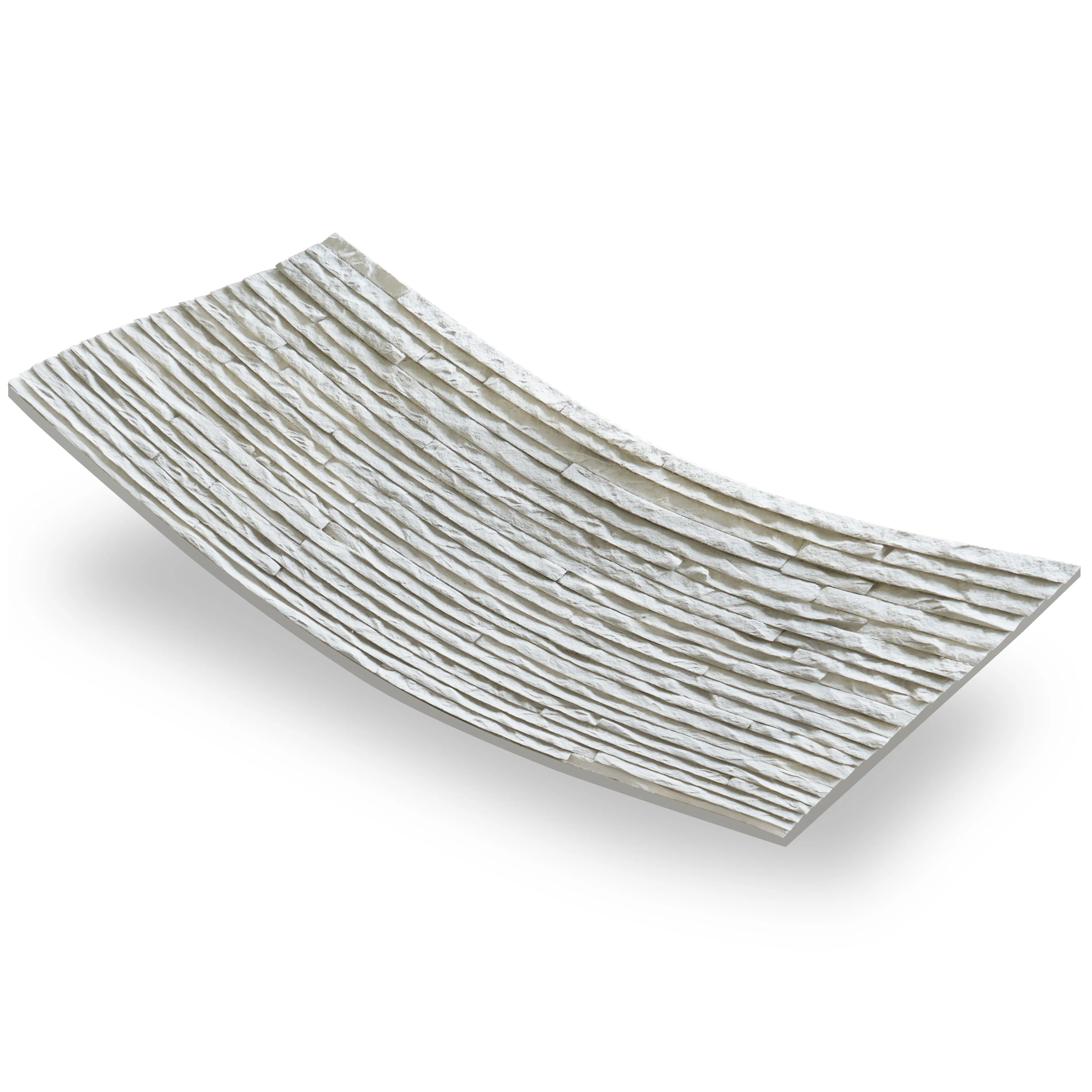
Traditional stone—think marble, granite, or even travertine (beige)—is stunning, but it comes with trade-offs. It's heavy, which means structural challenges and higher installation costs. It's rigid, so it cracks under stress or if the building shifts. And quarrying it? Let's just say it's not always kind to the planet. MCM flexible stone flips the script. Here's how:
To really get why Muretto Stone (Beige) is a standout, let's compare it to some familiar building materials. We'll look at fair-faced concrete (that raw, industrial favorite), travertine (beige) (a classic natural stone), historical pathfinders stone (a heritage-inspired option), and rammed earth board (beige) (another earthy contender). Spoiler: Muretto holds its own—and then some.
| Material | Weight (kg/m²) | Installation Ease | Durability (UV/Weather) | Aesthetic Vibe | Sustainability |
|---|---|---|---|---|---|
| Muretto Stone (Beige) | 8-12 | Easy (lightweight, flexible; can be cut on-site) | Excellent (resists fading, moisture, and cracks) | Warm, earthy, organic texture; versatile neutral | High (recycled aggregates, low energy use) |
| Fair-Faced Concrete | 22-25 | Challenging (heavy, requires formwork) | Good (but prone to cracking; stains easily) | Industrial, raw, gray; can feel cold in large doses | Moderate (high cement use; limited recycled content) |
| Travertine (Beige) | 25-30 | Difficult (heavy; requires professional installation) | Moderate (porous; needs sealing; prone to etching) | Timeless, natural; visible pores and veins | Low (quarrying impacts ecosystems; high waste) |
| Historical Pathfinders Stone | 20-24 | Moderate (heritage texture, but rigid) | Good (but heavy; prone to weathering over time) | Antique, rustic; tells a "historical" story | Moderate (some recycled stone, but high transport costs) |
| Rammed Earth Board (Beige) | 18-22 | Moderate (brittle; requires careful handling) | Fair (absorbs moisture; fades in direct sun) | Earthy, textured; like compressed soil | High (uses local soil; low carbon footprint) |
See the pattern? Muretto Stone (Beige) isn't just a "good alternative"—it's often the better choice, balancing aesthetics, practicality, and sustainability in a way few materials do. It takes the warmth of travertine (beige), the texture of historical pathfinders stone, and the eco-credentials of rammed earth board (beige), then adds flexibility and lightness to the mix. No wonder designers are taking notice.
One of the best things about Muretto Stone (Beige) is how adaptable it is. It doesn't box itself into one type of space—it thrives in them all. Let's paint a few pictures:
Imagine a living room where the feature wall is clad in Muretto Stone (Beige). The sun streams through the windows, hitting the textured surface and casting soft, dappled shadows. It pairs with a plush gray sofa, a wooden coffee table, and a few potted plants, creating a space that feels calm and grounded. Or a kitchen backsplash: no more cold, shiny tiles—just Muretto's earthy texture, making even morning coffee feel like a retreat. It works indoors and out, too: a patio wall that stands up to rain and snow, or a garden path that looks like it's been there for years but stays slip-free and easy to clean.
Commercial spaces need materials that can handle traffic, look professional, and still feel welcoming. Muretto Stone (Beige) nails all three. Think of a boutique hotel lobby: walls wrapped in Muretto, greeting guests with warmth as they check in. Or a restaurant where the bar front is clad in the same material, paired with brass fixtures and soft lighting—rustic meets refined. Even offices benefit: a reception area that feels less like a corporate box and more like a cozy retreat, helping clients and employees alike relax. And because it's so lightweight, it's perfect for high-rise buildings where every kilogram counts.
Here's where Muretto really surprises: it's a hit in heritage projects. Let's say you're restoring a historic building that originally had limestone walls, but traditional stone would be too heavy or costly. Muretto Stone (Beige) steps in, mimicking the aged texture and color of the original stone but with modern durability. It's lightweight enough to avoid stressing old structures, and flexible enough to fit uneven surfaces. Architects love it because it lets them preserve a building's character without sacrificing safety or longevity.
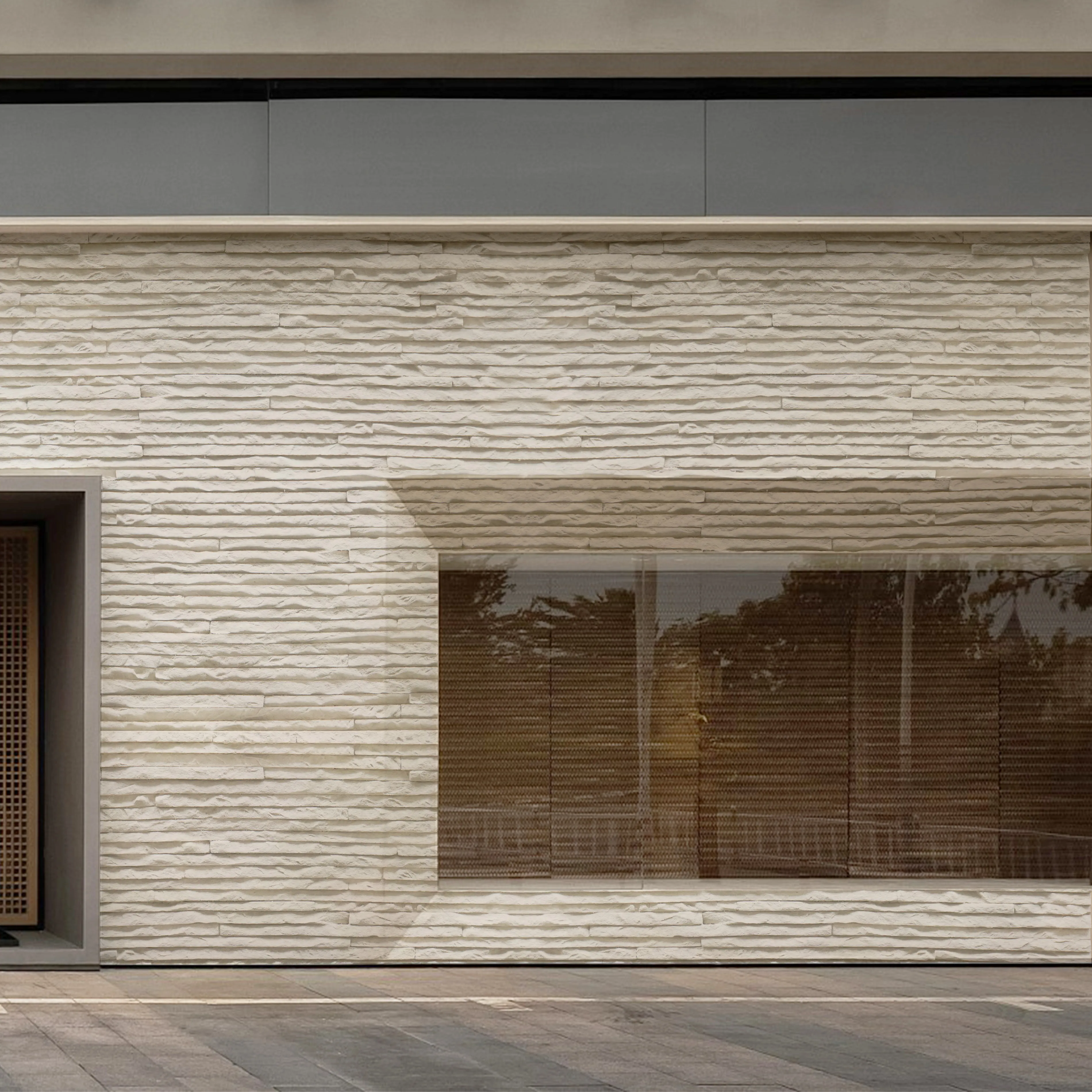
Designers talk a lot about "materiality"—the way a material makes a space feel. Muretto Stone (Beige) has materiality in spades. It's not just a surface; it's a storyteller. It says, "This space was designed with care—for people, for the planet, and for beauty." But beyond that, it's practical. Designers don't have to compromise on vision to meet budgets or building codes. Want a curved wall? Muretto bends. Need to cover a large area quickly? It installs fast. Concerned about the environment? It checks that box, too.
And let's not forget versatility. Beige is the ultimate team player. It pairs with bold colors (think deep greens, terracottas, or navy) for a statement, or with soft neutrals (whites, grays, light woods) for a serene vibe. It works with modern, minimalist designs and traditional, rustic ones. It's like the little black dress of building materials—always in style, always appropriate.
At the end of the day, Muretto Stone (Beige) is about more than building materials. It's about creating spaces that feel human. Spaces that don't just look good, but make you feel good—calm, connected, and at home. In a world that's always rushing, it's a reminder to slow down and appreciate the little things: the texture of a wall, the warmth of a color, the quiet beauty of something that's both new and timeless.
Whether you're an architect designing a skyscraper, a homeowner renovating a kitchen, or a designer curating a boutique, Muretto Stone (Beige) offers something rare: the best of nature and innovation, wrapped in a warm, earthy package. It's not just changing how we build—it's changing how we live in the spaces we build. And that, more than anything, is why it's here to stay.
Recommend Products












