
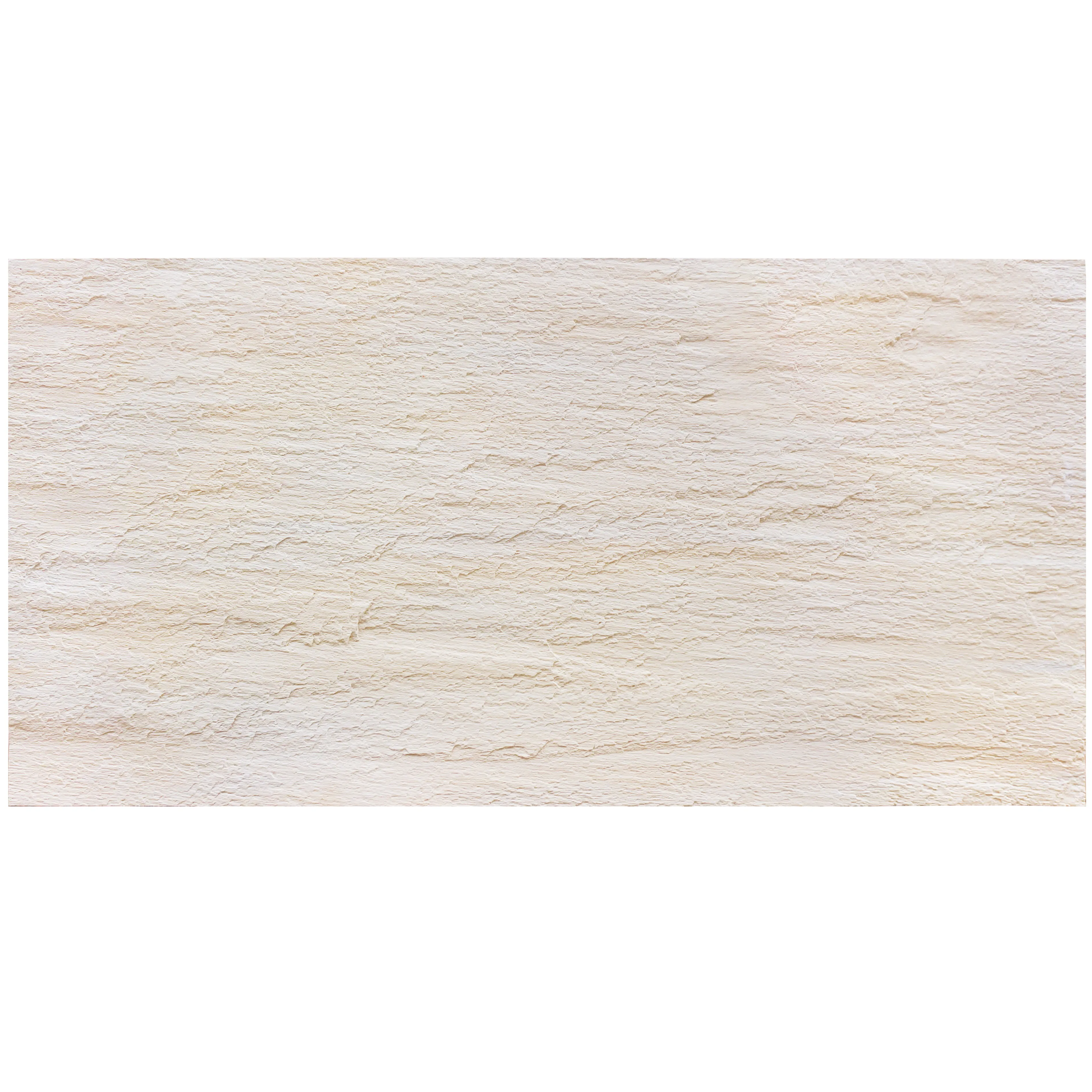
Picture this: You're strolling down a tree-lined street on a sunny afternoon, and your eye is drawn to a building that seems to blend seamlessly with its surroundings—yet stands out in the most captivating way. Its exterior shimmers softly, with a texture that looks like weathered stone but feels surprisingly light to the touch when you reach out (admit it, you've done that too). You find yourself wondering, What is that material? Chances are, you're looking at Oasis Stone Foge —a star player in the world of Modified Composite Material (MCM) exterior solutions that's quietly redefining how we think about building facades.
In an era where architecture demands both beauty and brains—materials that look stunning and perform under pressure—Oasis Stone Foge emerges as a game-changer. It's not just another cladding option; it's a bridge between nature's timeless allure and cutting-edge engineering. In this guide, we'll dive deep into what makes Oasis Stone Foge unique, how it's made, why designers and builders are falling in love with it, and how it stacks up against other popular exterior materials like fair-faced concrete and historical pathfinders stone . Whether you're a homeowner dreaming of a standout facade, an architect hunting for the next big thing, or simply a curious passerby, let's unpack the magic of Oasis Stone Foge.
Let's start with the basics: Oasis Stone Foge is a premium exterior cladding material rooted in MCM technology. If you're new to MCM, think of it as nature's best kept secret, upgraded with a modern toolkit. MCMs (Modified Composite Materials) take the raw, organic beauty of natural aggregates—think crushed stone, sand, and minerals—and blend them with high-performance polymers and modifiers. The result? A material that's lightweight, flexible, and durable, while retaining the depth, color, and texture of the real deal. Oasis Stone Foge takes this concept a step further, focusing on creating a finish that evokes the serenity of desert landscapes (hence the "Oasis" in the name) with a subtle, misty "Foge" texture that softens harsh lines and adds depth.
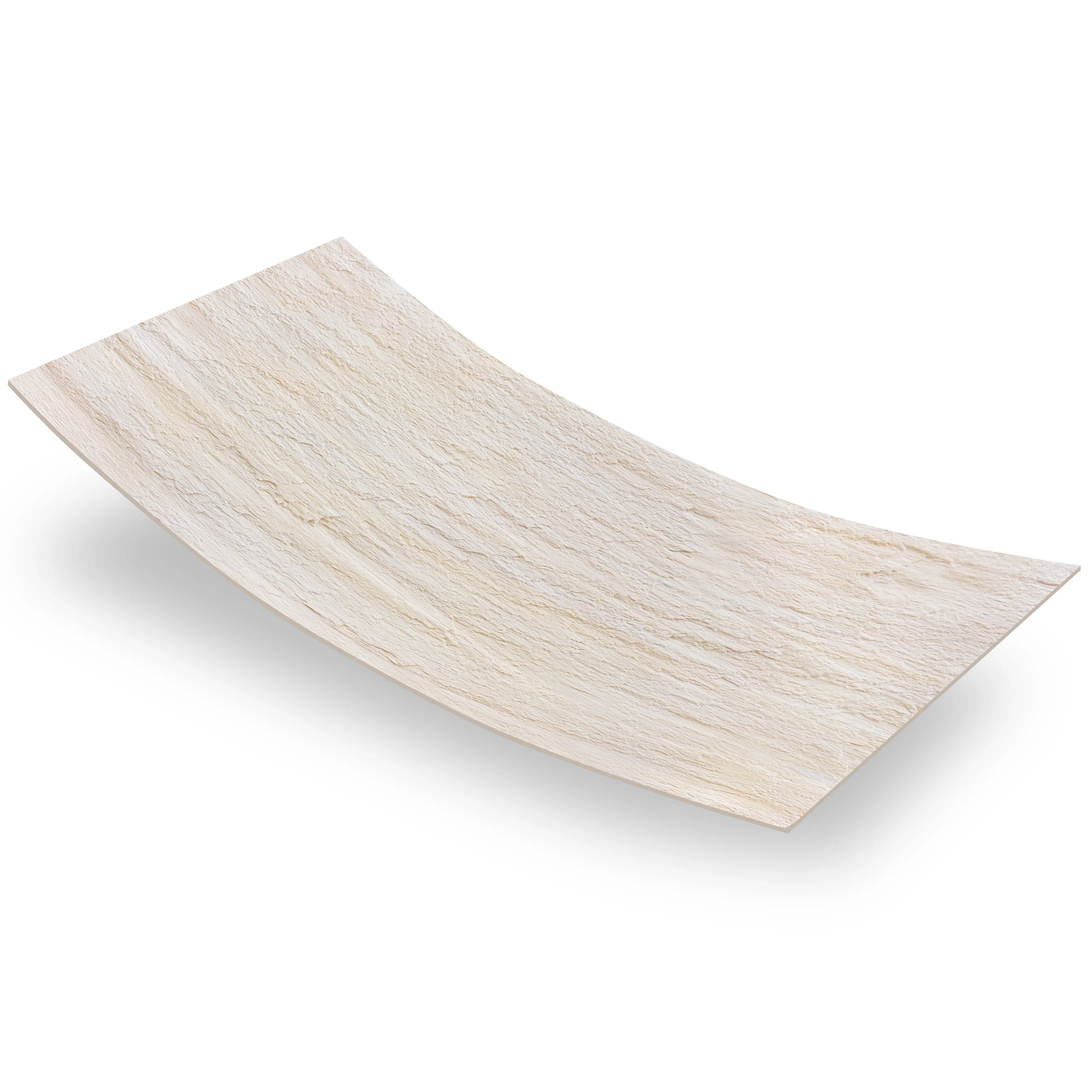
But here's the twist: Unlike traditional stone cladding, which is heavy, brittle, and often tricky to install, Oasis Stone Foge is designed to be adaptable . It bends without breaking (yes, you read that right), making it ideal for curved surfaces or buildings with unique architectural details. Run your hand over it, and you'll notice a texture that's somewhere between smooth river stone and softly weathered rock—warm, tactile, and inviting. It's the kind of material that doesn't just look natural; it feels like it belongs in the world, even when wrapped around a sleek, modern high-rise.
At its core, Oasis Stone Foge is a celebration of balance. It's tough enough to withstand rain, wind, and UV rays, yet gentle enough to complement delicate garden landscapes. It's lightweight enough to reduce structural load (goodbye, costly foundation upgrades!), yet dense enough to insulate and protect. And perhaps most importantly, it's designed to age gracefully—developing a subtle patina over time that adds character, rather than fading or cracking like some synthetic alternatives.
Ever wondered how a material can look like it was plucked from a desert plateau but behave like a high-tech marvel? Let's pull back the curtain on the manufacturing process—it's equal parts science and art.
Step 1: Sourcing the "Soul" of the Material. The journey starts with selecting the finest natural aggregates. For Oasis Stone Foge, manufacturers often draw inspiration from earthy, desert-inspired hues—think warm beiges (echoing lime stone(beige) ), soft grays, and muted terracottas. These aggregates are crushed into a fine powder, then mixed with mineral pigments to enhance color depth. Unlike some synthetic materials that rely on harsh dyes, Oasis uses natural oxides, ensuring the color won't fade or look "plastic" over time.
Step 2: The "Secret Sauce" – Modified Polymers. Here's where MCM technology shines. The natural aggregates are blended with a proprietary mix of polymers—think of these as the "glue" that holds everything together, but with superpowers. These polymers are modified to be flexible yet strong, allowing the material to bend without cracking (a game-changer for curved walls or decorative panels). They also add water resistance and UV protection, ensuring the facade stays vibrant even in harsh climates.
Step 3: Molding and Curing. The mixture is then pressed into molds that replicate the texture of natural stone—think the subtle pits of travertine, the layered look of gobi panel , or the smooth flow of river stone. Some manufacturers even use 3D printing (a nod to the MCM 3D printing series ) to create hyper-detailed textures that mimic rare or fragile natural stones without depleting finite resources. Once molded, the panels are cured under controlled heat and pressure, locking in strength and flexibility.
Step 4: The Finishing Touch. Finally, each panel is treated with a protective sealant that enhances durability without sacrificing texture. The result? A cladding material that weighs in at just 4-6 kg per square meter (compared to 20-30 kg for natural stone), making installation a breeze, and offering endless design possibilities.
Fun fact: Oasis Stone Foge panels are so lightweight that a single installer can carry and position them solo—no heavy machinery required. This not only cuts down on labor costs but also reduces the risk of on-site accidents. Talk about form meeting function!
One of the biggest reasons Oasis Stone Foge is taking the architecture world by storm is its versatility. It's not limited to one "look"—it's a chameleon that adapts to the vision of the designer. Let's break down the design possibilities:
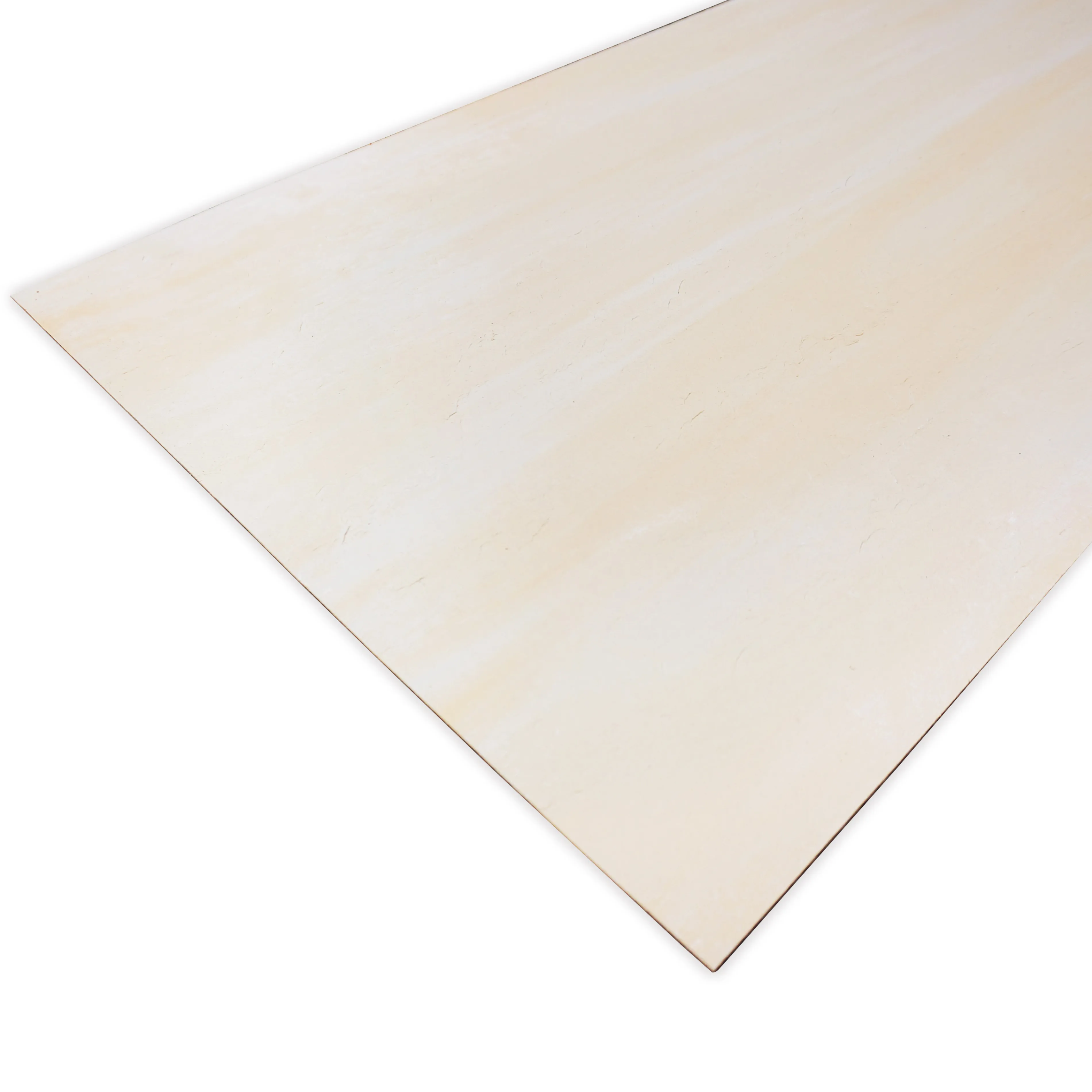
Oasis Stone Foge comes in a palette inspired by the natural world, but with modern twists. Love the warm, sunbaked tones of a desert? Opt for shades that mirror lime stone(beige) or the golden hues of lunar peak golden . Craving something moodier? There are deep grays and blacks that nod to lunar peak black or stormy skies. What's most impressive is how the colors interact with light: a beige panel might glow soft gold at dawn, shift to warm taupe at noon, and take on a honeyed hue at sunset. It's like having a facade that changes with the day, keeping your building dynamic and alive.
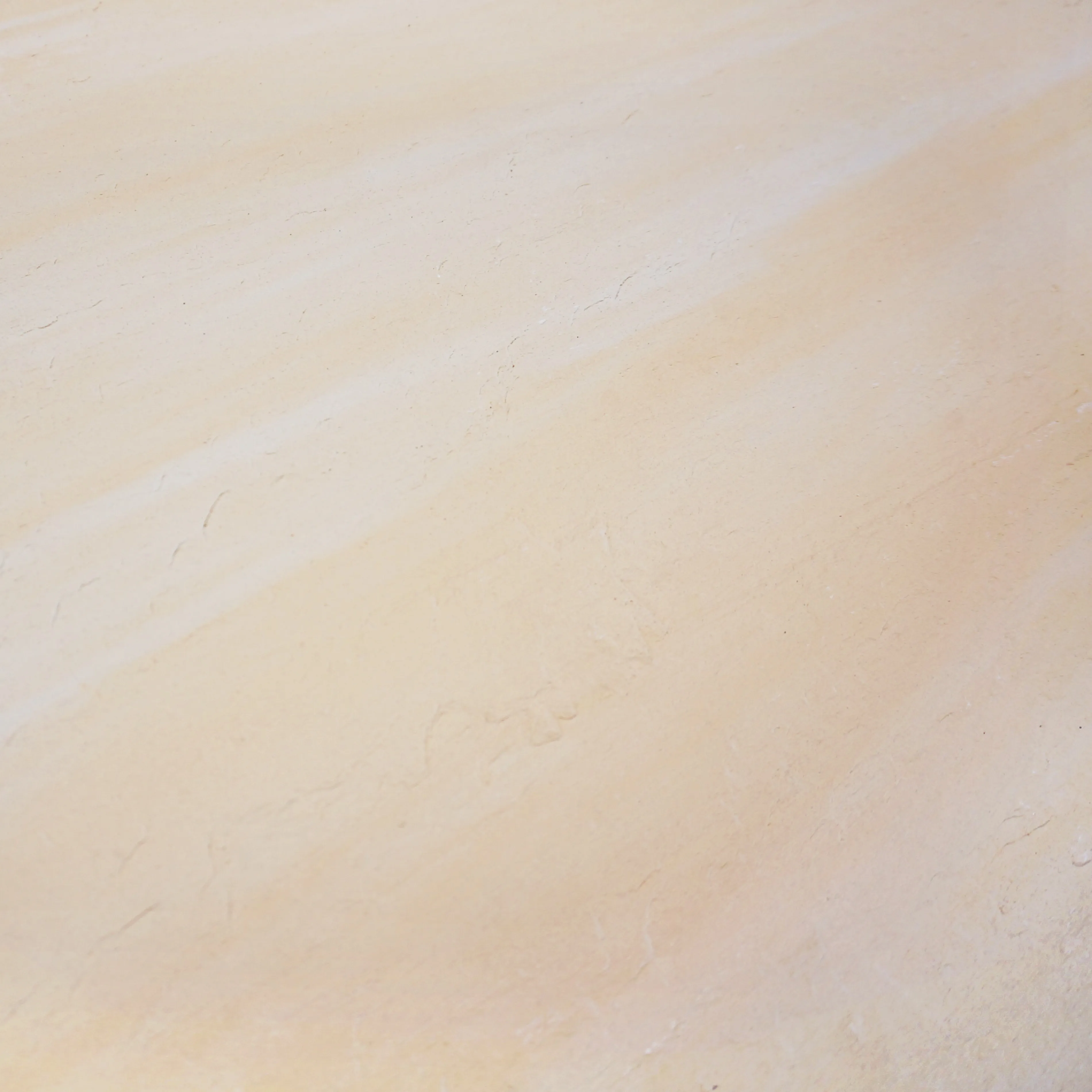
Texture is where Oasis Stone Foge truly shines. Unlike flat, lifeless synthetic cladding, its surface is rich with detail. Run your fingers over it, and you might feel the gentle ridges of a gobi panel -inspired finish, the pitted texture of travertine, or the smooth, undulating waves of a "stream" pattern. For a more dramatic look, designers can opt for a rough-hewn texture that mimics historical pathfinders stone —perfect for adding a sense of age and character to new builds. The best part? These textures aren't just for show; they add depth to the facade, casting shadows that make the building feel less like a box and more like a sculpture.
Oasis Stone Foge isn't confined to square panels (though those are available too!). Thanks to its flexibility, it can be cut into custom shapes—arches, curves, even intricate patterns for accent walls. Want a facade that looks like it's draped in fabric? There's a "weave" texture option. Dreaming of a modernist grid? Large-format panels (up to 1200x600mm) create clean, seamless lines. And for heritage projects, smaller, irregularly shaped panels can mimic the look of hand-laid historical pathfinders stone without the weight or cost.
Real-world example: A boutique hotel in Marrakech recently used Oasis Stone Foge in a custom "ripple" texture, paired with lunar peak silvery accents, to evoke the movement of sand dunes. Guests often comment that the facade feels "alive" at different times of day—proof that good design isn't just about looks; it's about emotion.
Let's get practical: A pretty facade is great, but if it cracks after the first storm or fades in the sun, what's the point? Oasis Stone Foge isn't just a pretty face—it's built to withstand the elements, and it does so with a smaller environmental footprint than many traditional materials. Here's how:
Oasis Stone Foge is tested to handle extremes: freezing temperatures, scorching heat, heavy rain, and even salt spray (hello, coastal properties!). Its polymer blend resists water absorption, so you won't get mold, mildew, or cracking from freeze-thaw cycles. UV stabilizers in the mix prevent fading, meaning that vibrant desert-inspired hue you fell in love with will still look fresh 20 years down the line. Compare that to natural stone, which can absorb water and develop stains, or fair-faced concrete , which often requires regular sealing to prevent discoloration.
And let's talk impact resistance: Ever seen a stone facade with a chip from a stray basketball or a hailstorm? Oasis Stone Foge's flexibility acts like a shock absorber, reducing the risk of cracks or dents. It's not indestructible (nothing is), but it's far more forgiving than rigid materials.
In an age where "sustainable" is more than a buzzword, Oasis Stone Foge delivers. Here's why eco-conscious builders are on board:
To really understand Oasis Stone Foge's value, let's stack it up against two popular alternatives: fair-faced concrete (a staple in modern architecture) and historical pathfinders stone (a go-to for rustic, heritage-inspired designs). We'll focus on the factors that matter most to builders, designers, and homeowners: weight, durability, design flexibility, and sustainability.
| Feature | Oasis Stone Foge | Fair-Faced Concrete | Historical Pathfinders Stone |
|---|---|---|---|
| Material Type | MCM (Modified Composite Material) | Reinforced concrete | Natural stone veneer |
| Weight (kg/m²) | 4–6 kg/m² (lightweight) | 22–25 kg/m² (heavy) | 18–22 kg/m² (moderate-heavy) |
| Flexibility | High (can bend up to 30° without cracking) | Low (rigid, prone to cracking) | Low (brittle, breaks under stress) |
| Installation Complexity | Easy (lightweight, can be cut on-site; ideal for DIY or small teams) | Complex (requires formwork, curing time, and skilled labor) | Moderate (heavy, requires structural support and precise fitting) |
| Durability (Lifespan) | 30+ years (resistant to water, UV, and impact) | 50+ years (but prone to staining and cracking over time) | 50+ years (but porous; needs regular sealing) |
| Design Customization | High (100+ colors, textures, and shapes; 3D printing compatible) | Low (limited to gray; texture depends on formwork) | Moderate (natural variations, but limited to stone types available) |
| Sustainability Score (1–10) | 9/10 (recycled content, low maintenance, lightweight) | 6/10 (durable but high carbon footprint in production) | 7/10 (natural, but heavy transport and quarrying impact) |
| Best For | Modern, rustic, or heritage designs; curved surfaces; eco-friendly projects | Industrial, minimalist aesthetics; large, flat surfaces | Heritage restorations, rustic cabins, earthy, traditional designs |
The takeaway? Oasis Stone Foge isn't trying to replace these materials—it's offering a third way : the warmth of natural stone, the sleekness of concrete, and the performance of modern composites, all in one lightweight, sustainable package. For projects that demand both beauty and practicality, it's hard to beat.
Oasis Stone Foge's versatility means it's at home in just about any exterior setting. Let's explore some of the most popular applications:
Imagine pulling up to your house and being greeted by a facade that feels both cozy and sophisticated. Oasis Stone Foge is perfect for homeowners who want to stand out without going over-the-top. Use it for entire exteriors, accent walls, or even garage doors. Pair a warm lime stone(beige) -inspired finish with wooden accents for a cottage-like vibe, or go bold with a lunar peak black texture for a modern, dramatic look. It's also a hit for pool surrounds and outdoor kitchens—slip-resistant and easy to clean, even with splashes of chlorine or BBQ sauce.
First impressions matter for businesses, and Oasis Stone Foge delivers. Retail stores use it to create inviting, Instagram-worthy facades that draw customers in. Restaurants opt for earthy textures to evoke a "farm-to-table" feel, while hotels use it to blend luxury with local culture (think a beach resort using a gobi panel -inspired texture to nod to nearby deserts). Office buildings love it too—its clean lines and durability make it perfect for high-traffic areas, and its lightweight nature reduces construction time, getting businesses up and running faster.
Museums, community centers, and heritage sites are turning to Oasis Stone Foge to balance preservation with innovation. For example, a museum housing ancient artifacts might use historical pathfinders stone for its main entrance and Oasis Stone Foge for its modern extension, creating a visual dialogue between past and present. Public parks use it for signage and seating walls, adding texture that invites people to touch and interact. Even religious buildings are embracing it—its natural, organic feel complements spiritual spaces without feeling cold or industrial.
Case study: The Al-Mansoori Cultural Center in Abu Dhabi recently renovated its exterior using Oasis Stone Foge in a custom "dune ripple" texture, paired with lunar peak golden accents. The design pays homage to the region's desert heritage while using modern materials that can withstand the harsh Gulf climate. Visitors often remark that the building "feels like it's been here for centuries, but looks like it was built yesterday."
At this point, you might be thinking, This all sounds great, but is Oasis Stone Foge right for me? Let's distill the benefits into the reasons that matter most:
As architecture continues to evolve, materials like Oasis Stone Foge are leading the charge toward a future where buildings are more than just shelters—they're experiences. Here's what we can expect to see next:
Smart Integration: Imagine Oasis Stone Foge panels embedded with subtle LED lighting that illuminates at night, or sensors that monitor temperature and energy usage. MCM technology is already compatible with smart building systems, and we'll likely see more "connected" cladding options in the years ahead.
Hyper-Realistic Textures: Thanks to advances in MCM 3D printing series technology, future iterations of Oasis Stone Foge could mimic even the rarest natural stones—think the iridescence of peacock marble or the veining of onyx—without the environmental cost of quarrying those materials.
Custom Color Matching: Want your facade to match the exact shade of your favorite sunset? Manufacturers are already offering custom color mixing, using digital tools to replicate any hue under the sun.
At the end of the day, building exteriors are about more than keeping the rain out. They're about creating a feeling—a sense of place, identity, and connection. Oasis Stone Foge excels at this because it's rooted in authenticity. It doesn't just look like nature; it honors it, while embracing the innovation needed to build for the future.
Whether you're drawn to its lightweight practicality, its design versatility, or its eco-friendly ethos, one thing is clear: Oasis Stone Foge isn't just a trend. It's a glimpse into the future of architecture—where beauty and function coexist, where nature and technology dance, and where every building has a story to tell.
So the next time you pass by that eye-catching facade and wonder, What is that material? , you'll know. It's Oasis Stone Foge—proof that the best exterior solutions don't just build walls; they build moments .
Recommend Products












