
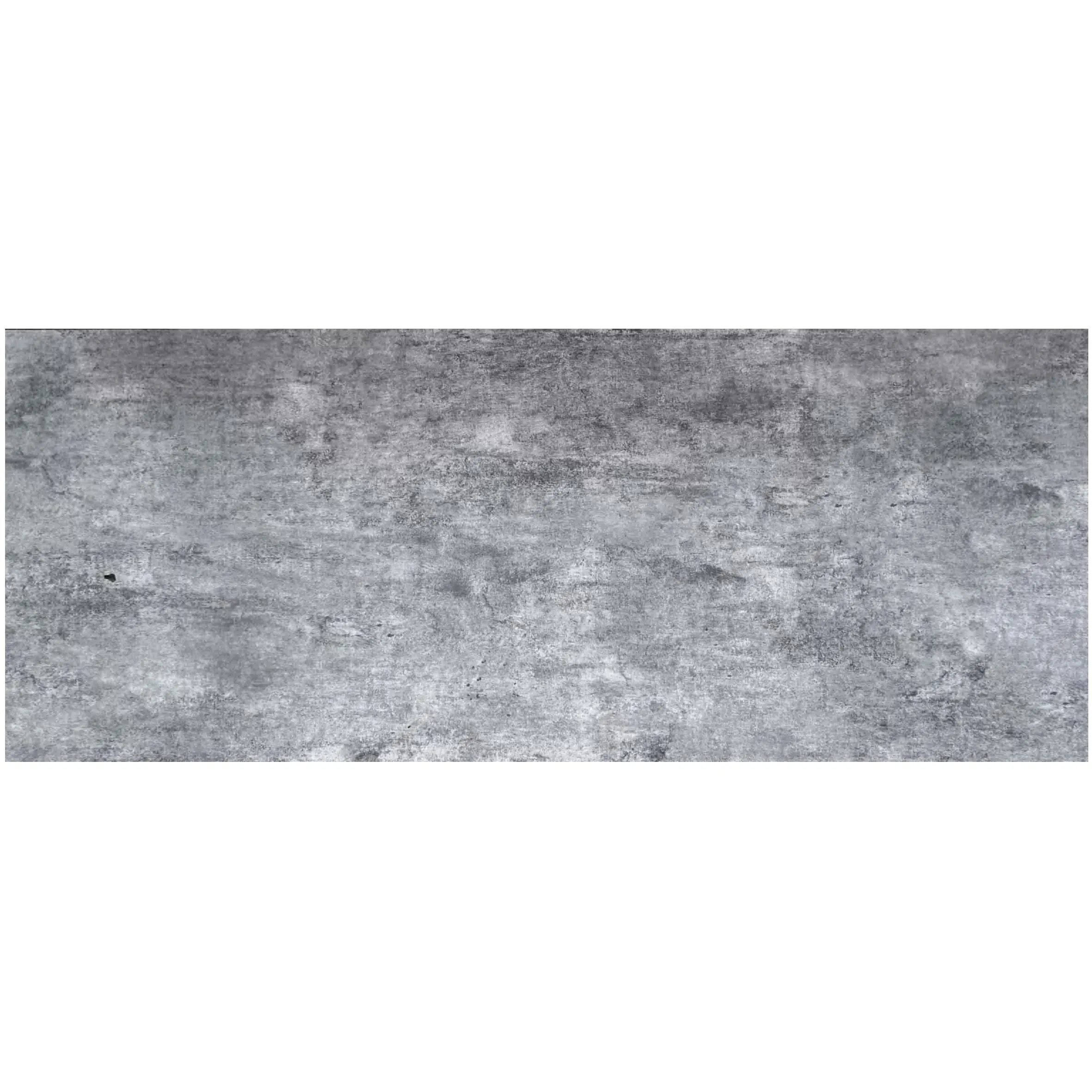
At its core, polish concrete is a type of concrete surface that has been treated with a series of mechanical grinding and polishing steps to create a smooth, glossy finish. Unlike traditional concrete, which is often left rough or covered with tiles, carpet, or hardwood, polish concrete transforms the material itself into the focal point. The process involves grinding the concrete surface with progressively finer diamond abrasives, then sealing it with a chemical hardener to enhance durability and sheen. The result? A surface that's not only tough enough to withstand heavy foot traffic but also boasts a unique, variegated appearance—with flecks of aggregate, subtle color variations, and a reflective quality that adds depth to any space.
But polish concrete isn't limited to floors. Today, designers are using it on walls, countertops, and even furniture, drawn to its versatility and raw, industrial charm. From matte to high-gloss finishes, and from natural gray to custom-stained hues, polish concrete adapts to a range of aesthetic preferences, making it a favorite in both commercial and residential settings.
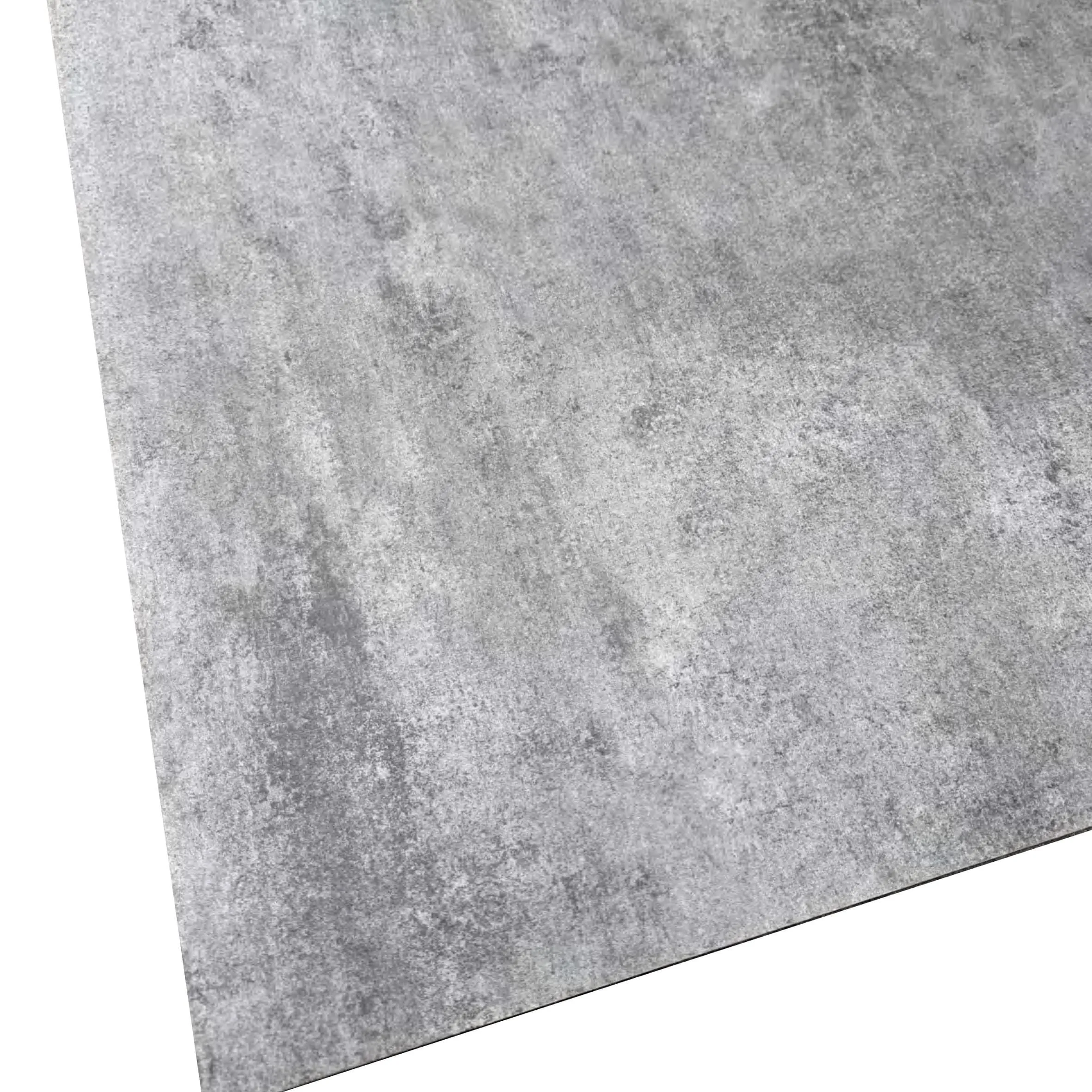
Why has polish concrete become such a go-to material? Let's break down its most compelling advantages:
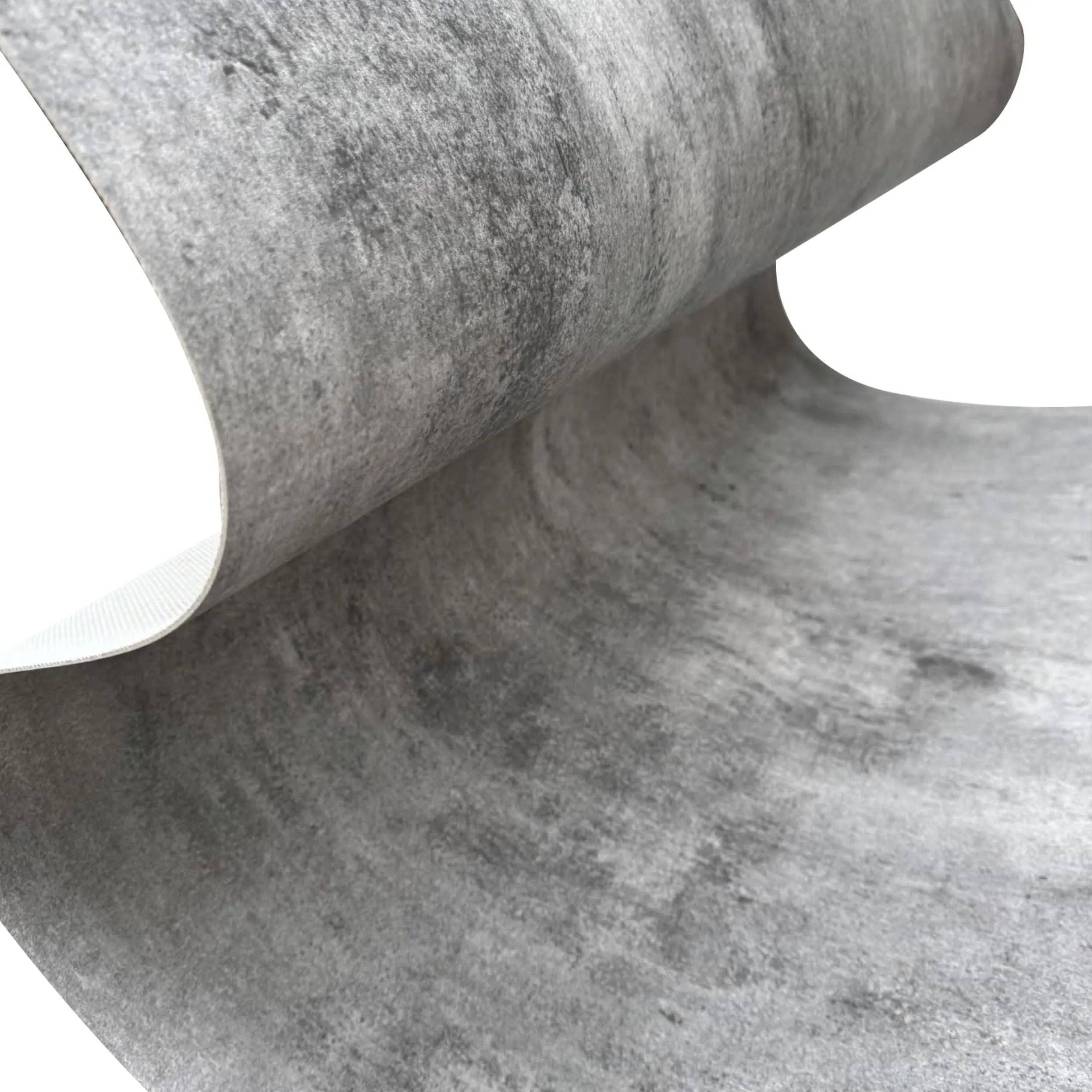
While traditional polish concrete is impressive, COLORIA GROUP saw room for innovation. Enter their MCM modified solutions. MCM, or Modified Composite Material, is a cutting-edge technology that enhances traditional building materials—like concrete, stone, and metal—by blending them with advanced polymers and composites. The result? Materials that are lighter, more flexible, and more durable than their conventional counterparts, without sacrificing aesthetic appeal.
COLORIA's MCM modified solutions take polish concrete and other classic materials to new heights, addressing common pain points in construction and design. For example, traditional concrete is heavy, making it challenging to use in high-rise buildings or on upper floors. MCM technology reduces weight by up to 70% while maintaining strength, opening up new possibilities for architects. Similarly, natural stone is prone to cracking and difficult to install on curved surfaces—but MCM flexible stone bends and adapts, allowing for creative, organic designs that were once impossible.
At the heart of COLORIA's approach is a commitment to merging tradition with innovation. By modifying composite materials at the molecular level, they've created products that honor the beauty of natural materials while adding practical benefits that modern builders and designers demand.
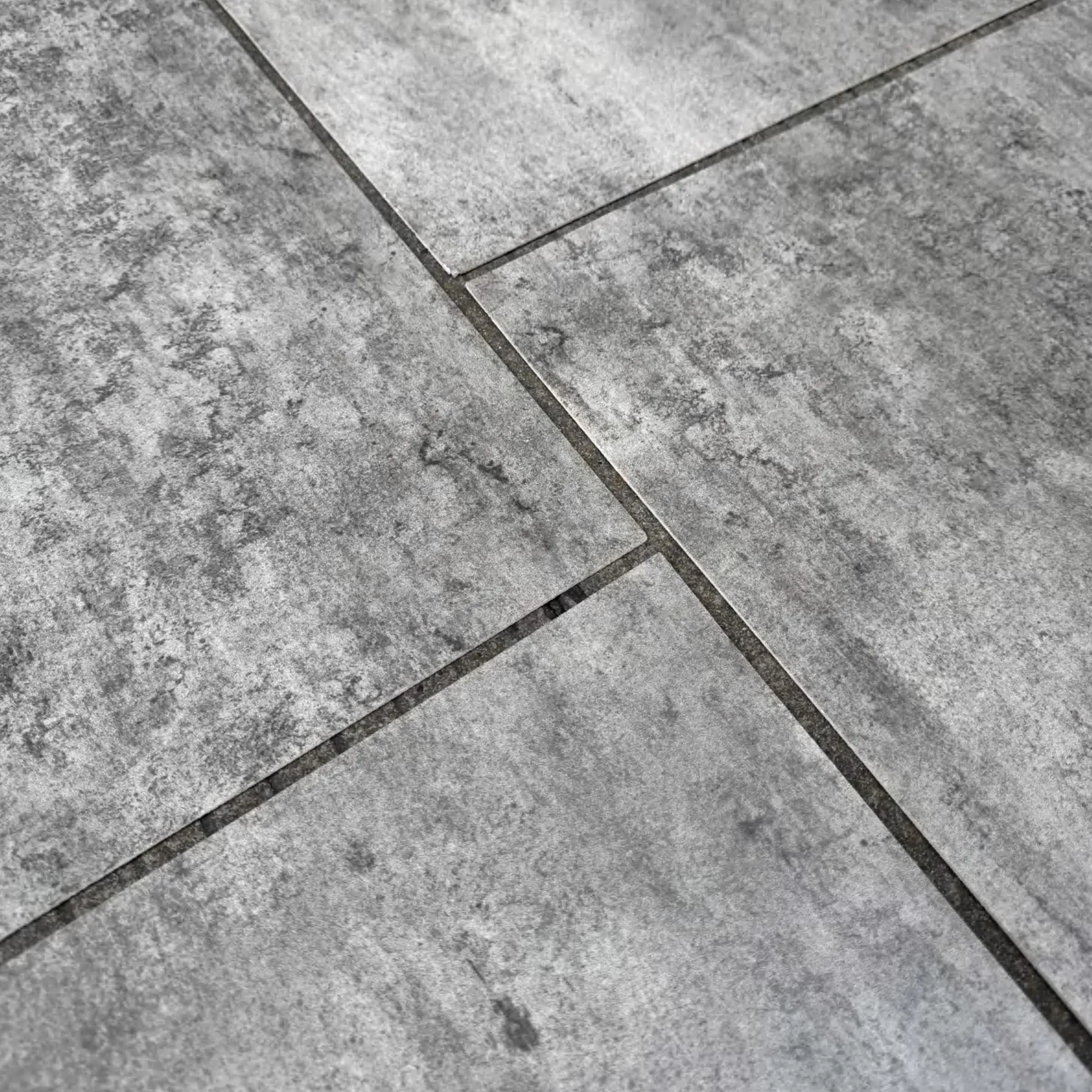
While polish concrete is a star in COLORIA's portfolio, their MCM modified solutions encompass a wide range of materials, each designed to solve specific design challenges. Let's explore a few standout products:
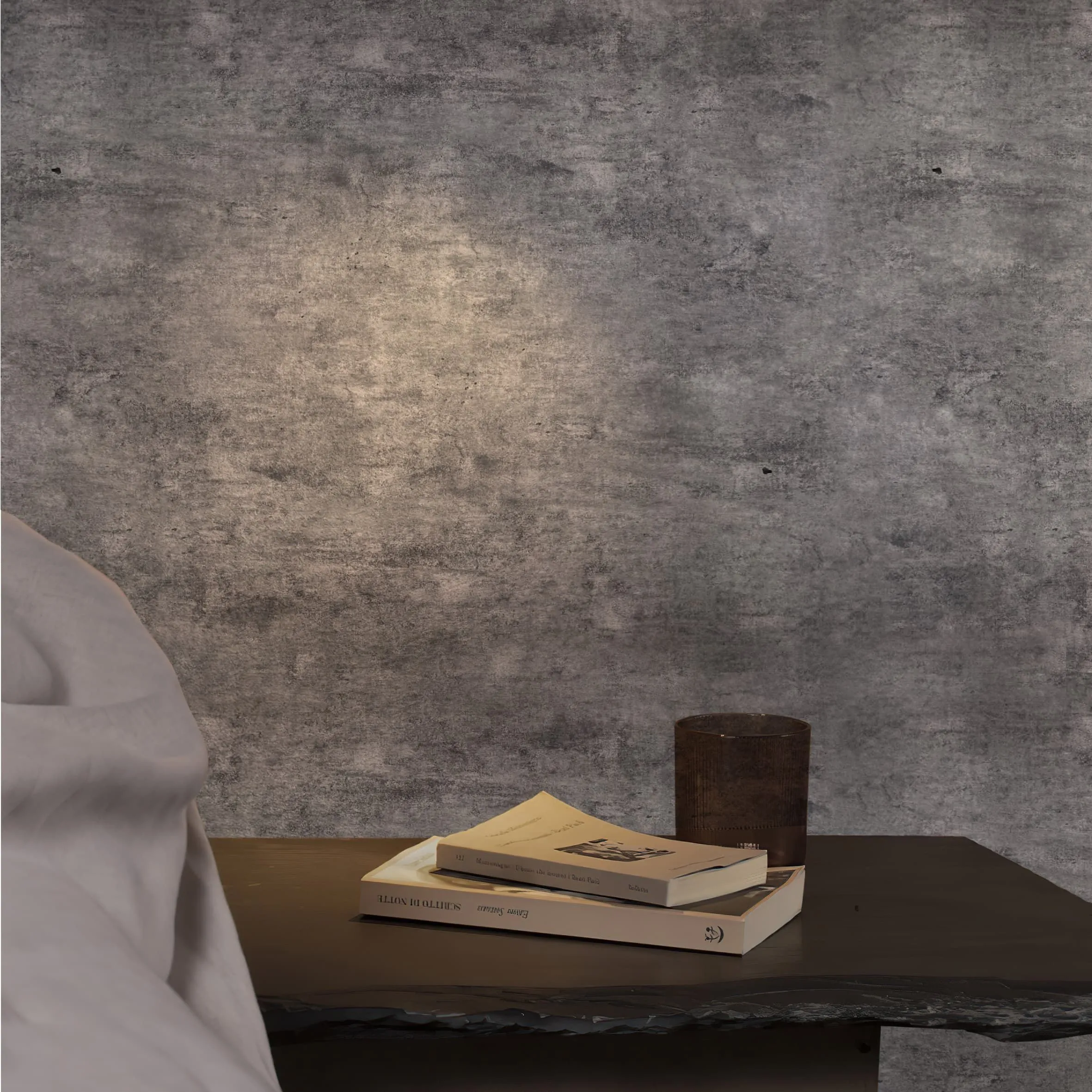
COLORIA's take on polish concrete elevates the material with MCM technology. Their modified polish concrete is lighter, more stain-resistant, and offers enhanced color consistency compared to traditional versions. It also comes in a variety of finishes, from the subtle matte of fair-faced concrete (a raw, uncoated look popular in minimalist design) to high-gloss options that mimic the sheen of marble. What's more, COLORIA's MCM polish concrete can be customized with integral pigments, creating hues that range from soft neutrals to bold statement colors—perfect for adding personality to any space.
For those who love the look of wood but crave the durability of composite materials, wood grain board is a game-changer. Made with MCM technology, this product replicates the texture and warmth of real wood—complete with visible grain patterns and natural variations—while being water-resistant, scratch-proof, and easy to install. Unlike solid wood, which warps in humidity or fades in sunlight, COLORIA's wood grain board maintains its appearance for years, making it ideal for kitchens, bathrooms, or outdoor patios. It's also lightweight, so it can be used on walls or ceilings to add a cozy, organic touch to commercial spaces like restaurants or hotels.
Metallic finishes are trending in modern design, and foamed aluminium alloy board (vintage silver) is leading the charge. This product combines the strength of aluminium with the lightweight properties of foam, creating a material that's perfect for facades, accent walls, or decorative panels. The vintage silver finish adds a touch of industrial chic, with a muted metallic sheen that complements both warm and cool color palettes. Unlike solid aluminium, which is heavy and expensive, COLORIA's foamed aluminium alloy board is easy to cut, shape, and install—making it a favorite for architects looking to add texture and visual interest to building exteriors.
As mentioned earlier, MCM flexible stone is a standout product in COLORIA's lineup. Made by bonding natural stone aggregates with flexible polymers, this material retains the look and feel of real stone—think travertine, marble, or granite—but can bend up to 90 degrees without cracking. This flexibility makes it ideal for curved walls, columns, or even furniture pieces. Imagine a lobby with a sweeping, curved wall clad in MCM flexible stone that mimics the look of rough-hewn granite—that's the kind of design magic this material enables. It's also lightweight, reducing the load on building structures, and resistant to moisture and temperature changes, making it suitable for both indoor and outdoor use.
To understand just how revolutionary COLORIA's MCM modified solutions are, let's compare traditional materials with their MCM counterparts:
| Feature | Traditional Polish Concrete | COLORIA MCM Polish Concrete | Traditional Natural Stone | COLORIA MCM Flexible Stone |
|---|---|---|---|---|
| Weight | Heavy (2400 kg/m³) | Lightweight (700–1000 kg/m³) | Very heavy (2700–3000 kg/m³) | Ultra-light (600–800 kg/m³) |
| Flexibility | Brittle; prone to cracking on uneven surfaces | Flexible; withstands minor substrate movement | Rigid; cracks under stress | Bends up to 90° without damage |
| Installation | Requires heavy machinery; long curing time | Lightweight panels; quick, dry installation | Requires skilled labor; time-consuming | Easy to cut and shape; DIY-friendly options |
| Durability | Durable but prone to stains | Stain-resistant; UV-protected | Durable but porous; needs sealing | Non-porous; resistant to scratches and fading |
| Design Options | Limited colors; basic finishes | Custom colors, finishes, and textures | Limited by natural variations | Replicates any stone look; consistent patterns |
COLORIA's MCM modified solutions aren't just innovative—they're incredibly versatile. Here are a few ways architects and designers are using them to transform spaces:
Restaurants, retail stores, and office buildings demand materials that can handle heavy use without losing their appeal. COLORIA's MCM polish concrete floors stand up to spills, scuffs, and foot traffic, while foamed aluminium alloy board (vintage silver) adds a modern, industrial edge to facades. In hospitality settings, wood grain board creates warm, inviting waiting areas, and MCM flexible stone clads feature walls, adding texture without adding weight to upper floors.
Homeowners are increasingly turning to MCM solutions for their durability and design flexibility. Imagine a kitchen with MCM polish concrete countertops—stain-resistant, heat-proof, and customized to match cabinetry. Or a living room with wood grain board accent walls that bring the outdoors in, minus the worry of termites or water damage. Even outdoor spaces benefit: MCM flexible stone can be used to clad fire pits or garden walls, adding elegance that withstands rain, snow, and UV rays.
From airports to train stations, public spaces require materials that are both functional and visually cohesive. COLORIA's fair-faced concrete panels, for example, are used in subway stations to create a clean, modern look that's easy to maintain. Foamed aluminium alloy boards, with their lightweight properties, reduce structural load in high-rise public buildings, while their metallic finishes add a touch of sophistication to otherwise utilitarian spaces.
With so many building materials on the market, what makes COLORIA's MCM solutions stand out? Here are a few key reasons:
Polish concrete has come a long way from its industrial roots, and COLORIA GROUP is leading the charge in redefining what's possible with building materials. Through their MCM modified solutions—from lightweight, flexible stone to durable, customizable polish concrete—they're proving that functionality and beauty don't have to be mutually exclusive. Whether you're designing a commercial space, a residential home, or a public project, COLORIA's products offer the perfect blend of innovation, sustainability, and style.
As the demand for smarter, more versatile building materials grows, MCM technology is set to become the standard. And with COLORIA at the helm, the future of design looks lighter, more flexible, and infinitely more creative. So, the next time you step into a space with sleek floors, textured walls, or a unique facade, take a closer look—chances are, it's COLORIA's MCM magic at work.
Recommend Products












