
Exploring the innovative modified composite material reshaping modern architecture and design
In an era where architecture demands more than just functionality—where spaces must tell stories, evoke emotions, and stand the test of time—the building materials industry has undergone a quiet revolution. Gone are the days when designers were limited to heavy stone, high-maintenance wood, or sterile concrete. Today, innovation lies in materials that blend the warmth of nature with the precision of engineering. Enter poly wood board: a modified composite material panel that's redefining what's possible in interior and exterior design. More than just a "wood alternative," it's a testament to how modern technology can honor tradition while pushing boundaries.
Whether you're an architect designing a sustainable commercial complex, a homeowner revamping your living room, or a designer chasing that perfect balance between rustic charm and urban sleekness, poly wood board deserves a spot on your radar. Let's dive into what makes this material unique, how it's made, and why it's quickly becoming a staple in green building materials portfolios worldwide.
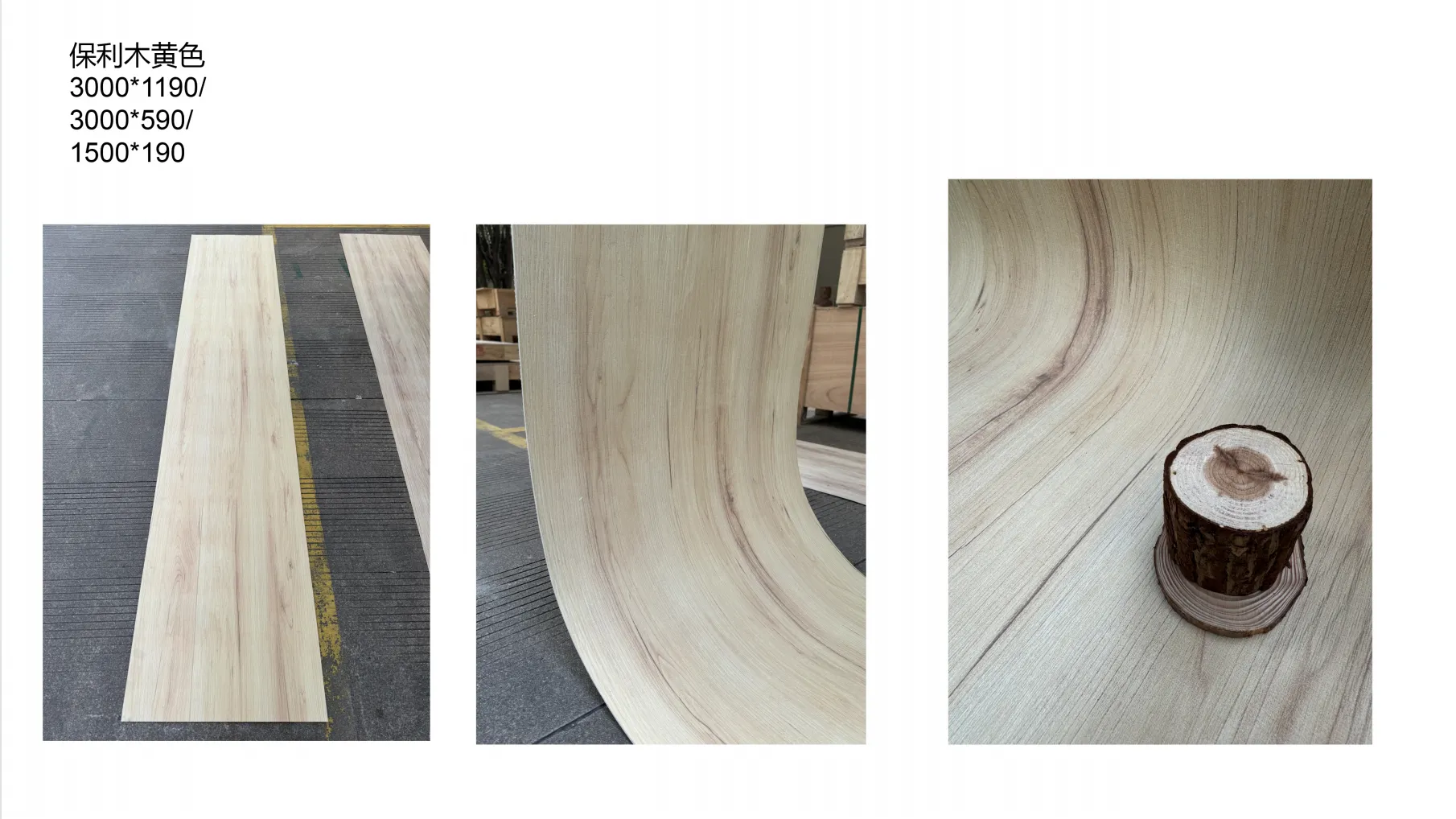
At first glance, you might mistake poly wood board for natural wood. Its surface bears the subtle knots, grains, and textures we associate with oak, pine, or teak. But look closer, and you'll realize it's something entirely different: a modified composite material panel engineered to outperform nature's original while retaining its most beloved qualities. Unlike solid wood, which is prone to warping, rotting, or insect damage, poly wood board is a hybrid of natural fibers and high-performance polymers, designed to thrive in environments where traditional materials fail.
Think of it as wood's smarter cousin. It inherits the aesthetic appeal of natural timber but swaps out the vulnerabilities for strength, flexibility, and longevity. And because it's a composite, it's not limited by the constraints of tree growth—manufacturers can craft it into virtually any shape, size, or texture, from sleek wood grain board finishes to bold, rustic patterns that mimic reclaimed lumber.
The magic of poly wood board starts in the lab and ends with cutting-edge manufacturing techniques, often leveraging technologies like the MCM 3D printing series for precision and consistency. Here's a breakdown of its journey from raw materials to finished panel:
The process begins with selecting high-quality raw materials. Most poly wood boards blend recycled wood fibers (from sawdust, wood chips, or post-consumer wood waste) with thermoplastic polymers (like HDPE or PP) and a mix of additives. This focus on recycled content is why poly wood board aligns so well with green building materials standards—it reduces reliance on virgin timber and diverts waste from landfills.
The wood fibers and polymers are mixed in precise ratios, along with additives that enhance performance: UV stabilizers to prevent fading, fire retardants for safety, and colorants to achieve rich, consistent hues. This blend is heated and extruded into pellets, creating a uniform "feedstock" ready for shaping.
Using MCM 3D printing technology, the pellets are melted and layered to form panels. This method allows manufacturers to replicate intricate wood grain patterns, deep textures, or even custom designs (like the subtle ridges of a bamboo mat board or the flowing curves of a wave panel). Unlike traditional woodworking, which often results in uneven surfaces or waste, 3D printing ensures every panel is identical in thickness, texture, and strength.
After printing, the panels are cooled rapidly to set their shape, then trimmed, sanded, and treated with a protective topcoat. This coat adds an extra layer of resistance to scratches, stains, and moisture—ensuring the panel retains its beauty for decades with minimal upkeep.
What truly sets poly wood board apart is its impressive list of properties. Let's break down why designers and builders are choosing it over traditional materials:
| Property | Benefit | Comparison to Natural Wood |
|---|---|---|
| Durability | Resistant to rot, insects, and moisture; won't warp or crack in extreme temperatures. | Natural wood requires sealing/staining to resist rot; prone to termite damage and warping. |
| Flexibility | Can be bent or curved for custom designs (e.g., wave panels, semicircle board accents). | Solid wood is rigid; bending often requires steaming and risks cracking. |
| Eco-Friendliness | Made from recycled materials; low VOC emissions; reduces deforestation. | Requires harvesting trees; may involve harmful chemicals in treatment. |
| Low Maintenance | No painting, staining, or sealing needed; clean with soap and water. | Needs annual sealing/staining; may require sanding to fix scratches. |
| Aesthetic Versatility | Available in wood grain board patterns, bamboo mat board textures, and custom finishes. | Limited by natural grain patterns; color variation can be inconsistent. |
Imagine a beachfront restaurant with exterior cladding that faces salt spray, intense sunlight, and humidity year-round. Natural wood would warp and gray within months, requiring constant repairs. Poly wood board, though? It stays vibrant, intact, and beautiful—no sanding, no repainting, just a quick hose-down now and then. That's the kind of performance that makes it a favorite for coastal homes, pool areas, and outdoor kitchens.
Or consider a busy office lobby with high foot traffic. A wood grain board accent wall made of poly wood can withstand scuffs, bumps, and the occasional coffee spill without showing wear. Its resistance to fading also means it won't dull under harsh fluorescent lighting—keeping that warm, inviting glow for years.
Poly wood board's versatility makes it suitable for almost any project, indoors or out. Here are some of the most popular ways designers and builders are using it:
From boutique hotels to retail stores, poly wood board is becoming a go-to for commercial designers. Its ability to mimic expensive materials (like teak or oak) at a fraction of the cost, combined with its low maintenance needs, makes it a budget-friendly yet high-impact choice. Imagine a café with wave panel ceilings made of poly wood, or a co-working space with wood grain board partitions that divide areas while maintaining an open, airy feel.
In a world increasingly focused on reducing environmental impact, poly wood board checks all the boxes for green building materials . Here's why:
By using recycled wood fibers, poly wood board decreases the demand for virgin timber. This helps preserve forests, which are critical for absorbing carbon dioxide and maintaining biodiversity.
The manufacturing process emits fewer greenhouse gases than traditional wood processing, especially when using renewable energy sources. Additionally, its lightweight nature reduces transportation emissions compared to hauling heavy stone or solid wood.
Poly wood board lasts 20–30 years (or more) with minimal upkeep, meaning fewer replacements and less material ending up in landfills. When it does reach the end of its life, many poly wood boards are recyclable, closing the loop on sustainability.
Unlike some composite materials that release harmful VOCs (volatile organic compounds), poly wood board is formulated to have low emissions, contributing to healthier indoor environments—a must for homes, schools, and healthcare facilities.
With so many building materials on the market, how does poly wood board stack up against alternatives like wood grain board or bamboo mat board ? Let's break it down:
Wood grain board is often a thin veneer of real wood glued to a substrate (like plywood or MDF). While it offers authentic wood appearance, it lacks the durability of poly wood board. Wood grain board is prone to peeling, water damage, and scratches, whereas poly wood's composite structure makes it far more resilient. Plus, poly wood board can mimic wood grain board patterns but with more texture options and better performance in wet or humid areas.
Bamboo mat board is a natural, sustainable option, but it's still organic and susceptible to moisture damage without heavy treatment. Poly wood board, on the other hand, offers the same earthy, textured look as bamboo mat board but with built-in water resistance and UV protection. It's also more flexible, making it easier to install on curved surfaces or for custom designs.
Foamed aluminium alloy boards (like vintage silver or gold finishes) are sleek and modern but lack the warmth of wood. Poly wood board bridges the gap between industrial and organic design, offering the best of both worlds—durability and a natural aesthetic.
One of the biggest perks of poly wood board is how little effort it takes to keep it looking great. Here are a few simple tips:
As technology advances, we can expect even more innovations in poly wood board design and performance. Manufacturers are already experimenting with new textures inspired by exotic materials (think lunar peak silvery or travertine (starry blue) finishes) and integrating smart features like thermal insulation or sound-dampening properties. With the push for green building materials showing no signs of slowing down, poly wood board is poised to become a staple in sustainable architecture—proving that sometimes, the best materials are the ones that blend the old with the new.
Poly wood board isn't just a building material; it's a design solution. It's for the homeowner who wants the warmth of wood without the hassle, the architect chasing sustainable innovation, and the designer craving both style and substance. By combining the best of natural aesthetics with engineered performance, it's redefining what we expect from our building materials—proving that you don't have to sacrifice beauty for durability, or sustainability for versatility.
So whether you're planning a backyard deck, a restaurant renovation, or a custom home, consider poly wood board. It's not just a trend—it's the future of building materials, one panel at a time.
Recommend Products












