
There's a quiet magic in materials that bridge the gap between nature's organic beauty and the precision of modern design. For centuries, wood has been a cornerstone of this connection—its warm grains, tactile texture, and timeless appeal turning houses into homes and commercial spaces into stories. But as designers and builders strive to create larger, more cohesive environments, a familiar challenge arises: how to capture wood's soul while taming its unpredictability. Enter the world of quarter sawing wood boards, a traditional craft celebrated for its stability and striking grain. Yet even this revered method has limits. Today, we explore how MCM's innovative approach—particularly through products like wood grain board and wood concrete board—reimagines this classic material, offering a uniformity that transforms how we build and design.
To understand the allure of quarter sawing wood boards, we first step into the workshops of master craftsmen, where the hum of saws and the scent of fresh timber fill the air. Quarter sawing is more than a cutting technique—it's a deliberate dance with the tree's natural growth. Unlike flat sawing, which slices logs parallel to their diameter, quarter sawing starts by dividing the log into four quarters lengthwise. Each quarter is then cut perpendicular to the growth rings, producing boards with a grain pattern that's both distinctive and durable.
The result? A surface adorned with tight, vertical grains, often interspersed with "ray flecks"—those shimmering, star-like patterns that make quarter-sawn oak, for example, a favorite in high-end furniture and cabinetry. Beyond aesthetics, this method yields boards with exceptional stability. By cutting against the grain, quarter sawing reduces the wood's tendency to warp, shrink, or cup, making it ideal for applications where longevity matters. Historically, this made quarter-sawn wood a prized material for flooring, musical instruments, and even shipbuilding—testaments to its strength.
Yet for all its virtues, traditional quarter sawing comes with trade-offs. The process is labor-intensive, requiring skilled artisans and specialized equipment, which drives up costs. Natural wood, too, is inherently variable: knots, color shifts, and mineral streaks add character but can derail projects demanding consistency. For designers working on large-scale spaces—a hotel lobby, a retail chain, or a sprawling residential complex—these inconsistencies can become a logistical headache, forcing compromises between vision and reality.
Imagine walking into a boutique where the walls are clad in wood. You notice a panel with a deep, amber hue next to one that's pale and honeyed; a knot here, a hairline crack there. For some, this "imperfection" is part of wood's charm. But for others—architects tasked with creating a cohesive brand identity, contractors managing tight deadlines, or homeowners craving a polished look—these variations can feel like flaws.
Uniformity isn't just about aesthetics; it's about functionality. In commercial settings, consistency builds trust. A restaurant chain, for instance, wants every location to evoke the same warm, inviting atmosphere—customers should feel at home whether they're in New York or Tokyo. In residential projects, homeowners investing in high-end finishes expect their floors or accent walls to look seamless, not patchy. Even installation teams face challenges: mismatched boards mean more time sorting, cutting, and discarding materials, driving up labor costs and waste.
Then there's maintenance. Natural wood, even quarter-sawn, demands care: regular sealing, polishing, and protection from moisture. Over time, exposure to sunlight and humidity can exacerbate color differences, turning a once-cohesive wall into a patchwork of shades. For busy families or businesses, this upkeep becomes a burden—a reminder that nature's beauty often comes with a price.
This is where MCM steps in—not to replace natural wood, but to reimagine it. MCM, short for Modern Composite Materials, has built its reputation on crafting building materials that honor nature's aesthetics while embracing modern engineering. Among its standout offerings are wood grain board and wood concrete board—products designed to capture the essence of quarter-sawn wood without its limitations.
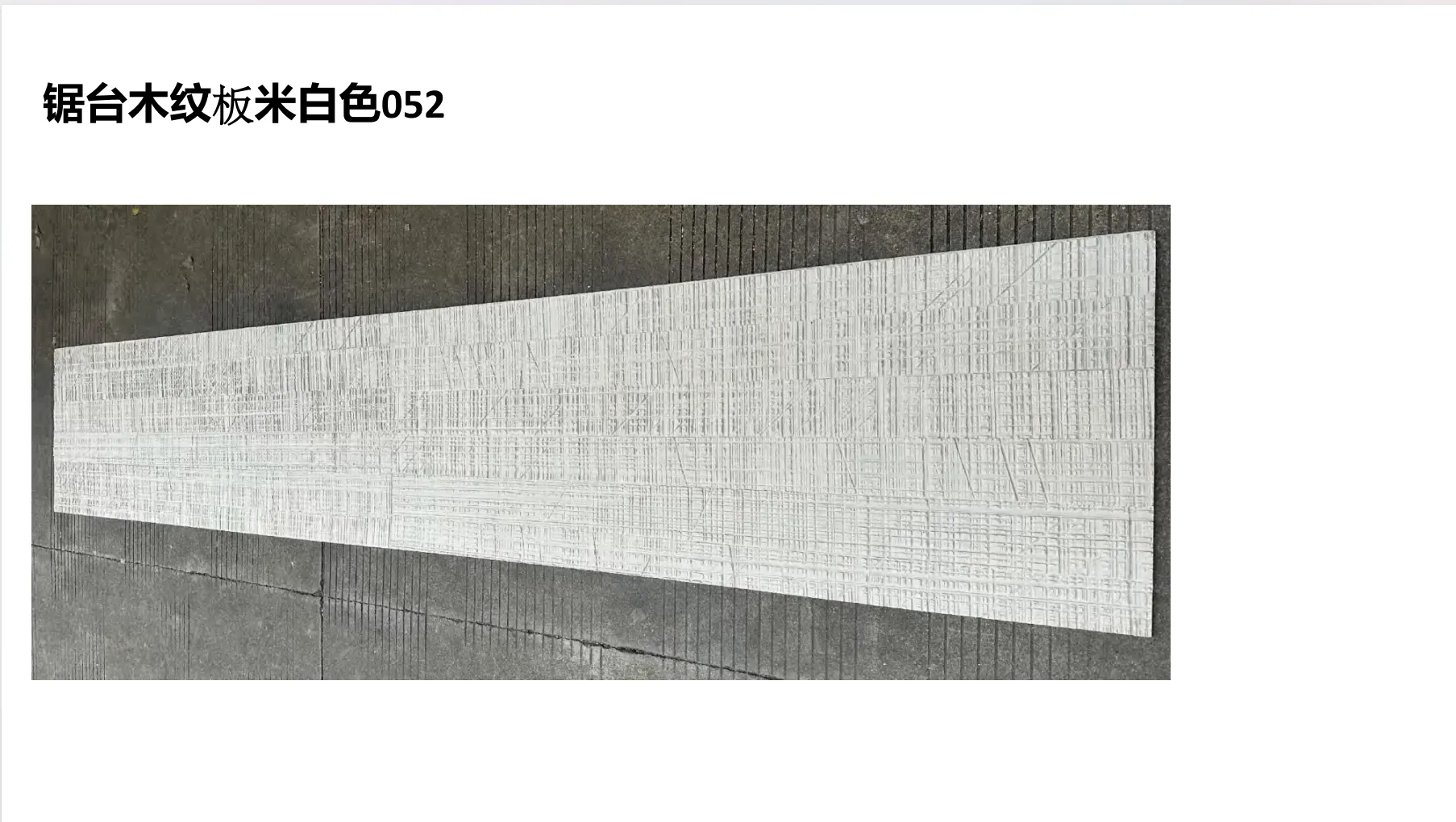
MCM's wood grain board is a masterclass in mimicry—only better. Using advanced printing and texturing technologies, MCM recreates the intricate grain patterns of quarter-sawn wood, from the tight vertical lines to the subtle ray flecks. But unlike natural wood, every board is consistent in color, texture, and thickness. No more hunting for matching panels or accepting "character" that clashes with your vision.
What makes this possible? MCM starts with a durable base—often a composite of minerals, polymers, or recycled materials—engineered for strength and stability. Then, high-definition printing layers on the wood grain, followed by a protective coating that resists scratches, stains, and UV damage. The result is a material that looks and feels like premium quarter-sawn wood but stands up to the chaos of daily life: kids, pets, spills, and sunlight.
For projects craving a blend of wood's warmth and concrete's ruggedness, MCM's wood concrete board is a revelation. This hybrid material marries the organic grain of wood with the sleek, modern texture of concrete, creating a surface that's both inviting and industrial. Like its wood grain counterpart, wood concrete board prioritizes uniformity: each panel boasts consistent color and pattern, making it perfect for feature walls, countertops, or flooring in spaces where design harmony is key.
Imagine a co-working space where the walls are wrapped in wood concrete board—warm enough to foster creativity, durable enough to withstand daily use. Or a kitchen backsplash that mimics the look of weathered barn wood but wipes clean with a cloth. MCM's wood concrete board turns these visions into realities, proving that uniformity doesn't mean sacrificing personality.
At first glance, uniformity might sound like a buzzword for "boring." But in the world of design and construction, it's a superpower—one that unlocks efficiency, creativity, and long-term value. Let's break down why MCM's commitment to uniformity sets its products apart:
While wood grain and wood concrete boards steal the spotlight, they're just two stars in MCM's constellation of innovative materials. The brand's commitment to uniformity extends across its product lines, from flexible stone that mimics the look of natural travertine or marble (think travertine with starry red or starry blue hues) to 3D printing series panels that add texture and depth to walls. Even specialty products like lunar peak silvery or foamed aluminium alloy board (vintage gold) prioritize consistency, ensuring that no matter the material, your vision stays intact.
Take MCM's flexible stone, for example. Traditional natural stone is stunning but notoriously variable—veins, color patches, and thickness differences can derail a project. MCM's flexible stone, by contrast, is engineered to replicate the look of stone—from the porous texture of travertine to the sleekness of marble—with uniform color and thickness. It's lightweight, easy to install, and adaptable to curved surfaces, opening up design possibilities that natural stone can't match.
Quarter sawing wood boards remind us of nature's artistry—the way a tree's growth rings tell a story of time and place. But in a world that demands both beauty and consistency, MCM offers a new chapter. Through wood grain board, wood concrete board, and beyond, MCM proves that we don't have to choose between nature's charm and modern reliability. We can have both.
Whether you're a designer crafting a brand's identity, a homeowner building your dream space, or a contractor seeking efficiency, MCM's materials invite you to reimagine what's possible. They're not just building products—they're tools for storytelling, for creating spaces that feel intentional, cohesive, and alive. So the next time you set out to bring nature indoors, remember: uniformity isn't the enemy of beauty. With MCM, it's the key to unlocking it.
Recommend Products












