

Walk into a modern boutique hotel lobby, and you might find your gaze lingering on walls that seem to pulse with life—deep reds swirled with terracotta, each crevice and vein telling a story written by millennia of natural artistry. That's red travertine, a stone that marries raw, earthy charm with timeless elegance, making it a beloved choice for architects and designers aiming to infuse spaces with warmth and character. More than just a building material, red travertine is a conversation starter, a surface that invites touch and contemplation, and a bridge between nature and human creativity.
In this guide, we'll dive into the world of red travertine—from its geological origins to its stunning variants like travertine (starry red) , travertine (starry orange) , and travertine (starry blue) . We'll explore how it's used in architecture, why it stands out among other stones, and how to care for it so its beauty endures. Whether you're planning a home renovation or simply curious about the stones shaping our built environment, let's uncover what makes red travertine a true masterpiece of nature.
To understand red travertine, we must first travel to the heart of nature's workshop: hot springs, mineral-rich lakes, and thermal vents. Travertine, in general, is a type of limestone formed by the rapid precipitation of calcium carbonate from mineral-laden water. As groundwater heated by the earth's core rises to the surface, it releases carbon dioxide, causing the calcium carbonate to crystallize and build up layer by layer—slowly, over centuries—into the stone we know.
What gives red travertine its distinctive hue? The answer lies in trace minerals, particularly iron oxides. When iron-rich water interacts with the calcium carbonate deposits, it stains the stone in shades ranging from soft terracotta to deep, almost burgundy red. Imagine a painter mixing pigments: nature adds just the right amount of iron to the calcium carbonate "canvas," resulting in a spectrum of reds that feel both vibrant and grounded.
But red travertine isn't just about color—it's about texture, too. Its surface is naturally porous, with tiny holes and channels left behind by gas bubbles trapped during formation. These pores aren't flaws; they're part of the stone's personality, giving it a tactile quality that feels alive. Run your hand over a slab, and you'll notice a gentle roughness, a reminder of its journey from mineral-rich water to solid stone.
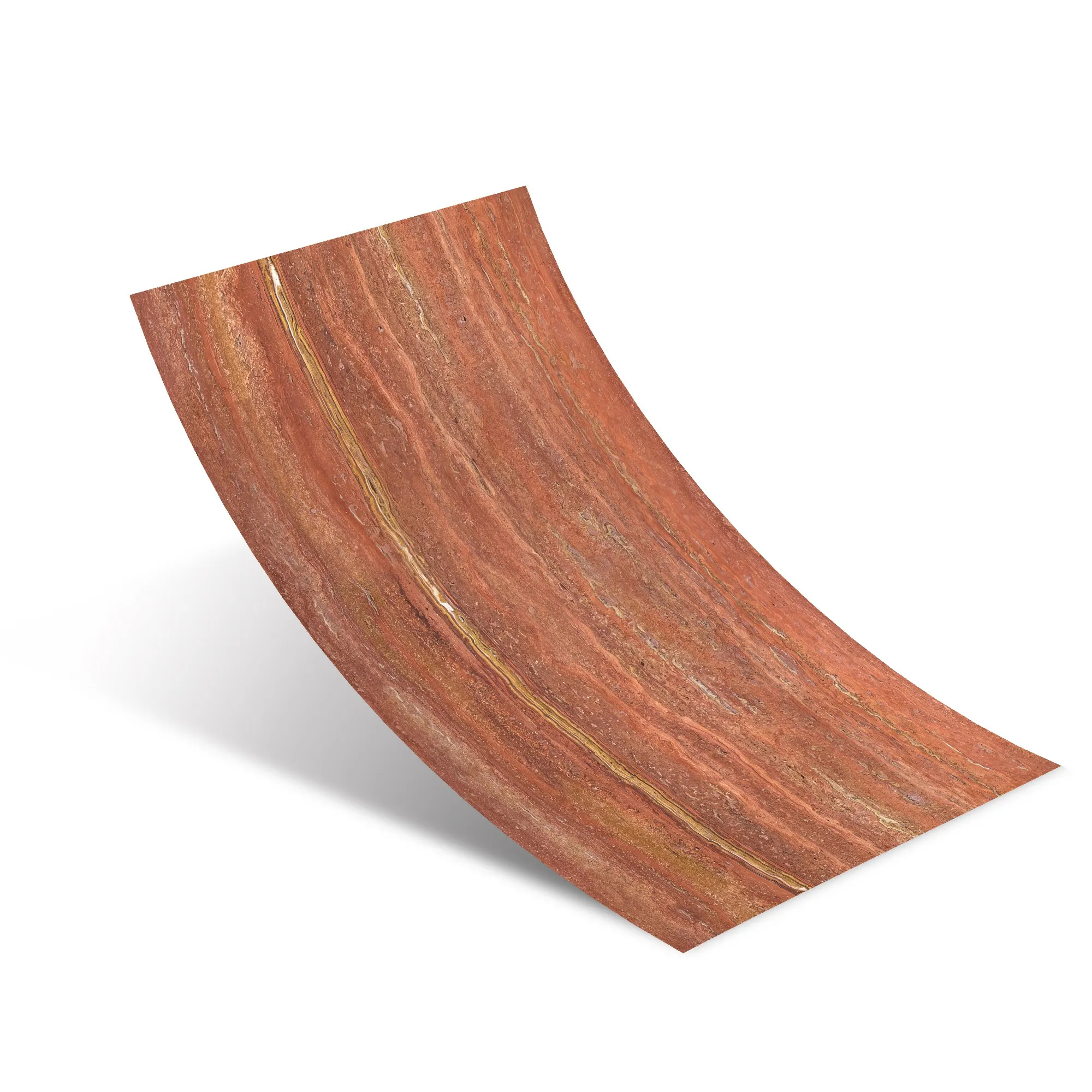
Red travertine isn't a one-note stone. Within its family are captivating variants that add extra layers of beauty, each with its own personality. Among the most striking are the "starry" travertines—stones that seem to hold pieces of the night sky within their depths. Let's shine a light on three standout members: travertine (starry red) , travertine (starry orange) , and travertine (starry blue) .
If standard red travertine is a warm embrace, travertine (starry red) is a red-carpet entrance. This variant takes the base red hue and amplifies it with tiny, glittering inclusions—minerals like pyrite or crystalline deposits that catch and reflect light, creating the illusion of stars scattered across a dark sky. Imagine a hotel ballroom with walls clad in travertine (starry red) : as chandeliers cast their glow, the stone shimmers, turning the space into a scene from a fairy tale. It's not just stone; it's ambiance, designed to make guests feel like they've stepped into something extraordinary.
For spaces that crave energy and warmth, travertine (starry orange) delivers in spades. Its base color leans into sunset-inspired tones—amber, peach, and soft tangerine—with the same starry sparkles as its red cousin. This variant feels youthful and vibrant, making it a favorite for cafes, boutique retail stores, or creative offices. Picture a neighborhood coffee shop where the counter is wrapped in travertine (starry orange) : the stone's warm glow complements the aroma of freshly brewed coffee, turning a simple morning routine into a small, joyful experience. It's a stone that doesn't just decorate—it elevates mood.
On the cooler end of the spectrum lies travertine (starry blue) , a variant that feels like a calm ocean or a clear night sky. Its base hues range from soft aquamarine to deep teal, with starry inclusions that mimic moonlight on water. This stone is made for spaces meant to soothe: spas, meditation rooms, or coastal homes. Imagine a bathroom with a travertine (starry blue) shower wall—each time you step under the water, you're surrounded by a texture that feels both grounding and ethereal. It's a reminder that nature's palette includes not just earthy reds and oranges, but also serene blues that whisper of tranquility.
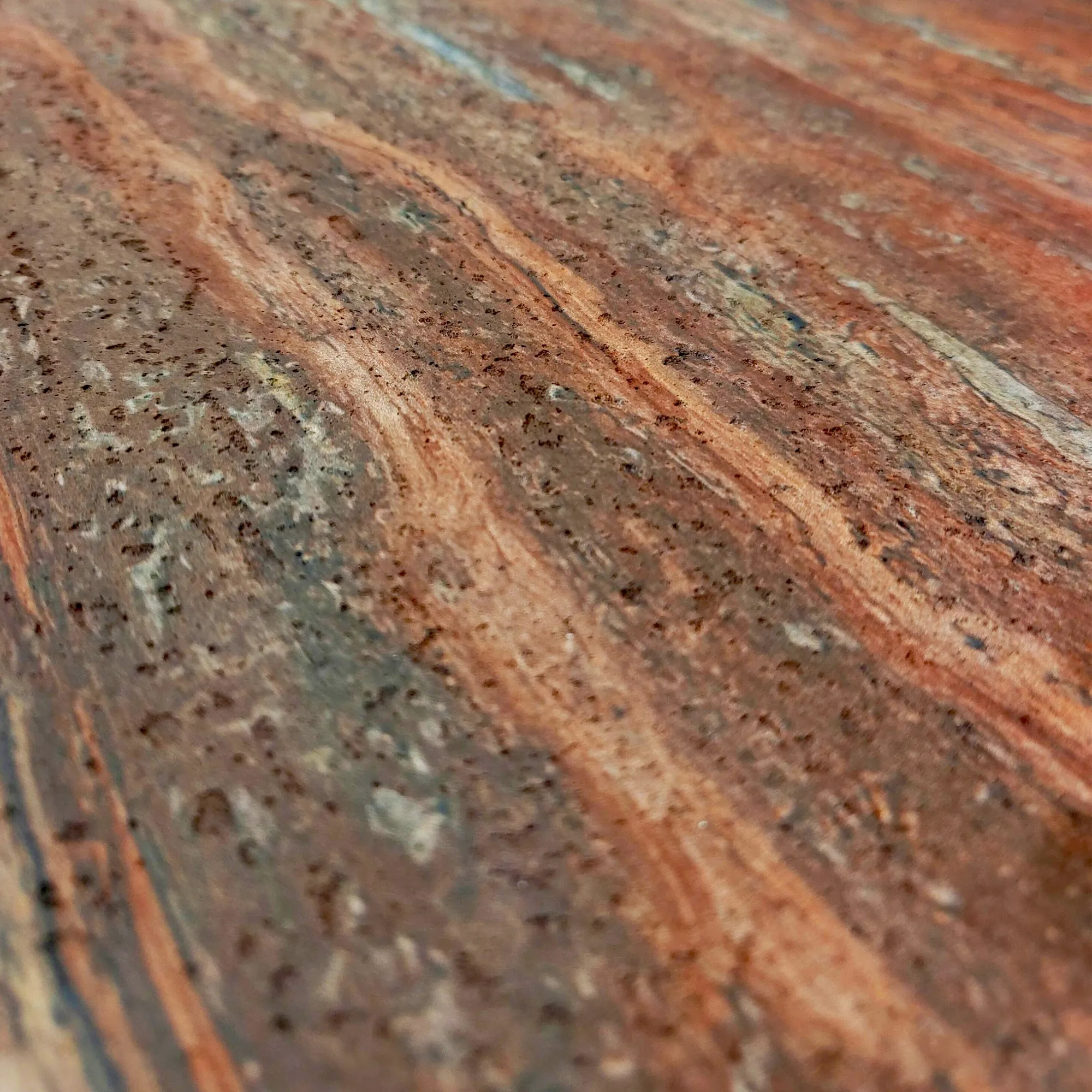
Red travertine isn't just pretty—it's practical, too. Its durability, versatility, and unique aesthetic make it a go-to for architects and designers across residential, commercial, and outdoor projects. Let's explore how this stone transforms spaces, inside and out.
Inside the home, red travertine shines as a material that balances comfort and luxury. In kitchens, it works beautifully as a backsplash, where its earthy tones complement wooden cabinets and stainless steel appliances. Unlike sleek, uniform tiles, red travertine's natural veining adds visual interest, turning a functional space into a focal point. Imagine cooking dinner while glancing up at a red travertine backsplash—the stone's texture softens the room, making even the busiest kitchen feel warm and inviting.
Bathrooms are another perfect spot for red travertine. Whether used as flooring, wall cladding, or vanity tops, it adds a spa-like quality. travertine (starry red) , in particular, elevates master bathrooms into retreats—pair it with brass fixtures and white marble accents, and you've got a space that feels both opulent and relaxing. Even smaller bathrooms benefit from red travertine: a single accent wall can turn a cramped room into something memorable.
Fireplaces are perhaps where red travertine truly steals the show. A red travertine fireplace surround becomes the heart of a living room, its warm hues echoing the flames within. It's a material that ages gracefully, too—over time, the stone develops a patina that makes it feel even more like a cherished heirloom.
In commercial design, red travertine is all about making an impression. Hotel lobbies, for example, often use travertine (starry red) for accent walls or reception desks, setting a tone of luxury from the moment guests walk in. Restaurants, too, lean into its versatility—casual eateries might opt for standard red travertine for a rustic, welcoming vibe, while fine-dining establishments could choose travertine (starry orange) to create an energetic, yet sophisticated atmosphere.
Office buildings are also embracing red travertine, particularly in lobbies and common areas. It adds a touch of nature to sterile corporate environments, reminding employees and visitors that even in the busiest cities, we're connected to the earth. Imagine walking into a tech company's headquarters and being greeted by a red travertine feature wall—it's a subtle nod to balance, blending innovation with natural beauty.
Red travertine isn't just for indoors; it's tough enough to handle the great outdoors, too. Its resistance to weathering and temperature changes makes it ideal for patios, walkways, and pool surrounds. Imagine a backyard patio paved with red travertine—on a summer evening, as the sun sets, the stone glows, turning al fresco dinners into memorable events. It's slip-resistant when sealed, making it safe for pool areas, and its natural texture provides grip even when wet.
Exterior cladding is another popular application. Red travertine can transform the facade of a home or commercial building, giving it a distinctive, organic look. Pair it with large windows and wooden accents, and you've got a design that feels modern yet rooted in nature. Even garden walls benefit from red travertine—its earthy tones complement flowers and greenery, creating a seamless transition between built and natural elements.
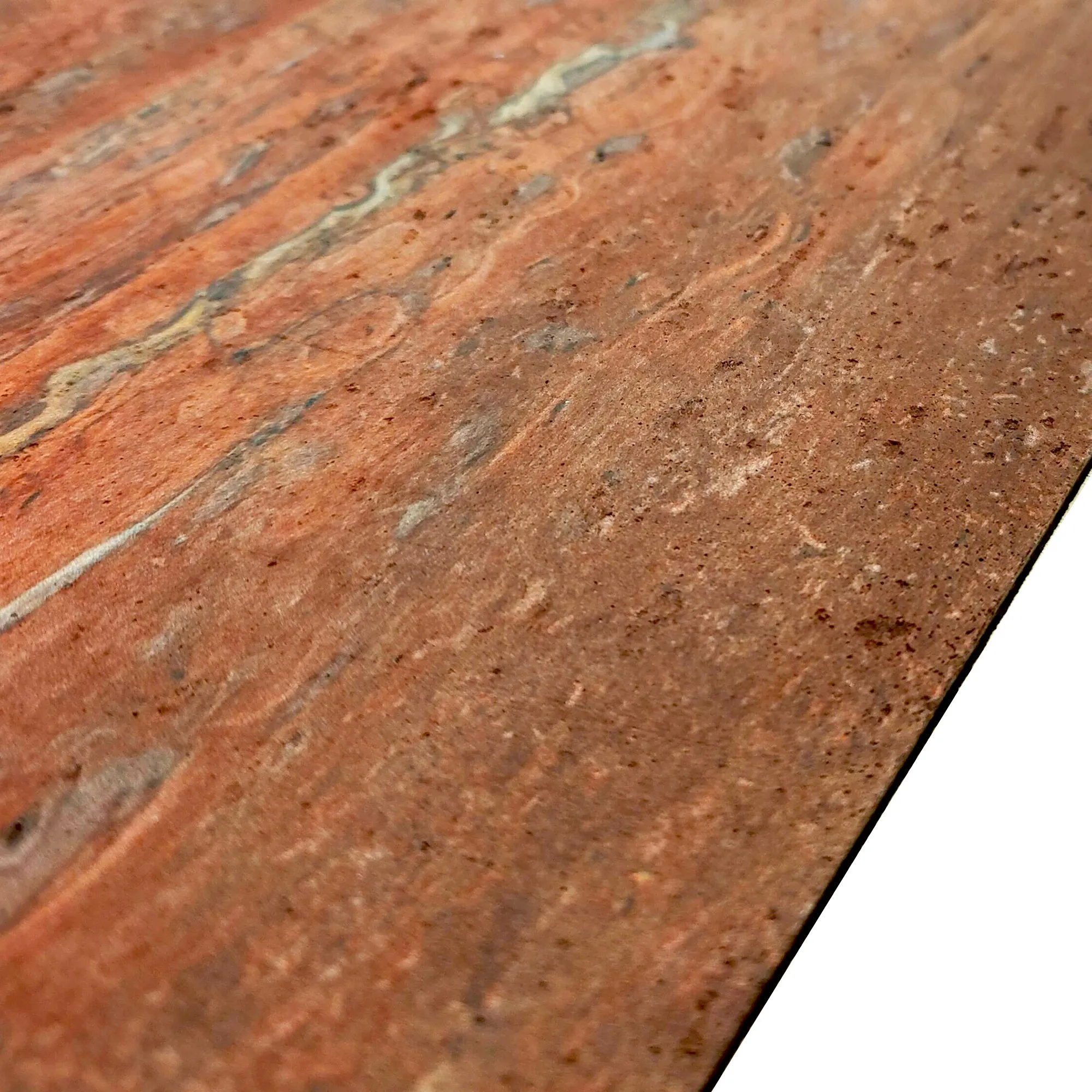
| Travertine Variant | Color Palette | Unique Features | Ideal Applications |
|---|---|---|---|
| Red Travertine (Standard) | Deep red, terracotta, brick-red with cream or gold veins | Classic porous texture, warm earthy veining, timeless appeal | Fireplaces, residential flooring, kitchen backsplashes, outdoor patios |
| travertine (starry red) | Rich red base with metallic/crystalline inclusions (star-like sparkles) | Light-reflective sparkles, luxurious depth, high-end aesthetic | Hotel lobbies, accent walls, reception desks, master bathroom vanities |
| travertine (starry orange) | Warm orange, amber, peach hues with subtle starry inclusions | Energetic, sunset-inspired tones, light-catching properties | Cafes, creative offices, outdoor entertainment areas, boutique retail |
| travertine (starry blue) | Cool blue, teal, aquamarine with star-like sparkles | Serene, calming effect, reminiscent of water or night skies | Spas, coastal homes, meditation rooms, bathroom walls |
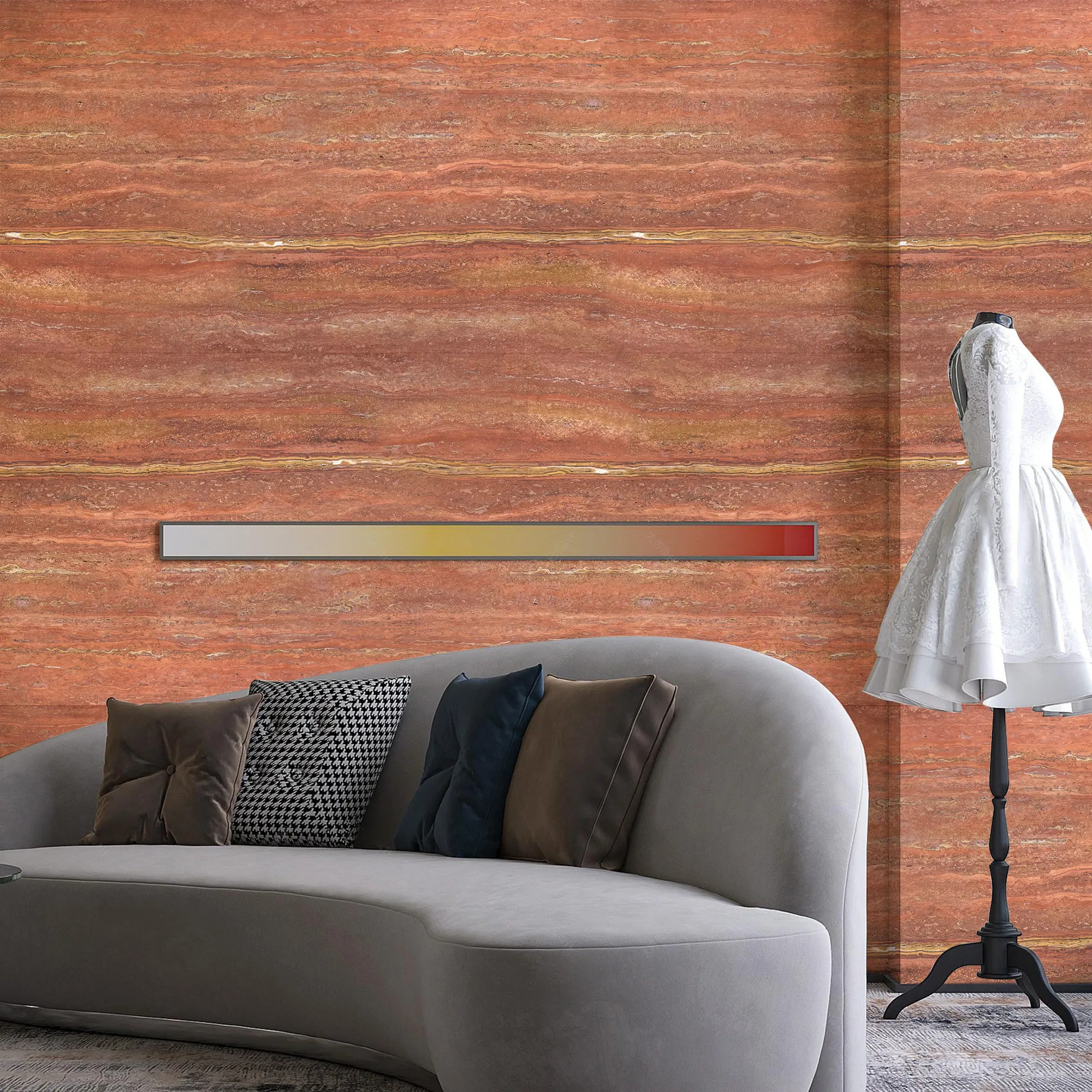
Like any natural material, red travertine needs a little love to stay looking its best. Its porous surface means it's prone to staining if not cared for properly, but with the right routine, it will remain vibrant for decades. Here's how to keep your red travertine shining:
Sealing is non-negotiable for red travertine. Think of it as sunscreen for your stone: a good quality sealant creates a barrier that repels liquids and prevents stains from seeping into the pores. How often should you seal? For high-traffic areas like floors or kitchen backsplashes, aim to seal every 1–2 years. For lower-traffic spots like fireplace surrounds, every 3–5 years should suffice. Always use a sealant specifically designed for natural stone—your local hardware store can help you pick the right one.
Day-to-day cleaning is easy: just wipe the stone with a soft, damp cloth or mop. For spills, blot immediately (don't wipe—wiping can spread the stain). Mild soap and water are all you need for deeper cleans; avoid harsh chemicals like bleach, ammonia, or vinegar, as they can etch the stone or strip away its sealant. Even acidic substances like lemon juice or tomato sauce can damage red travertine, so clean those up quickly!
Over time, red travertine will develop a patina—a soft, worn-in look that adds character. This isn't a flaw; it's part of the stone's charm. If you notice small scratches, a stone-safe polish can help minimize their appearance. For larger damage, consider hiring a professional stone restorer—they can resurface the stone and bring back its original luster.
With so many building materials to choose from—quartz, marble, concrete—what makes red travertine special? For starters, it's natural. In a world increasingly drawn to artificial, mass-produced products, red travertine offers authenticity. No two slabs are exactly alike; each has its own pattern of veins, pores, and color variations, making every project unique.
It's also versatile. Red travertine works with nearly every design style: rustic, modern, industrial, bohemian. Pair it with wood for warmth, metal for edge, or glass for lightness—it adapts, enhancing the overall aesthetic without overpowering it. Unlike some stones that feel cold or sterile, red travertine has a warmth that makes spaces feel lived-in and welcoming.
Finally, it's sustainable. Travertine is quarried from the earth, but responsible mining practices ensure that its extraction has minimal environmental impact. Plus, its durability means it rarely needs to be replaced, reducing waste over time. For eco-conscious designers and homeowners, red travertine is a choice that aligns with both beauty and responsibility.
Red travertine is more than a building material; it's a story. It's the story of mineral-rich water, of centuries of slow formation, of nature's ability to create something breathtaking from the simplest elements. Whether you choose standard red travertine for its classic charm, travertine (starry red) for its luxurious sparkle, or travertine (starry blue) for its serene beauty, you're bringing a piece of that story into your home or project.
It's a stone that invites connection—to nature, to history, and to the spaces we inhabit. So the next time you encounter red travertine, take a moment to appreciate it: run your hand over its surface, trace its veins, and let its warmth wash over you. In a world that often feels hurried and artificial, red travertine is a reminder of the beauty that comes from patience, authenticity, and the quiet artistry of nature.
Recommend Products











