
Stone has been the backbone of architecture for millennia, from the pyramids of Giza to the cathedrals of Europe, and even the sleek skyscrapers of today. It's a material that carries the weight of history while adapting to modern design needs. Among the many stone varieties reshaping contemporary spaces, rock cut dolomitic stone stands out—a material that marries raw natural beauty with practical durability. It's not just a building material; it's a storyteller, bearing the marks of the earth's formation and the craftsman's touch. In this article, we'll dive into what makes rock cut dolomitic stone unique, exploring its origins, properties, and the countless ways it transforms spaces into something truly memorable.
To understand rock cut dolomitic stone, we first need to break down its two key parts: "dolomitic stone" and "rock cut." Let's start with the stone itself. Dolomitic stone, or dolomite, is a sedimentary rock formed over millions of years from the accumulation of marine organisms and minerals. Unlike pure limestone, which is primarily calcium carbonate, dolomite contains magnesium carbonate, giving it added strength and resilience. This mineral composition is what makes it stand apart from softer stones, offering a balance of hardness and workability that architects and designers covet.
Now, the "rock cut" part—that's where the artistry comes in. Rock cutting is a finishing technique that celebrates the stone's natural character. Instead of polishing or honing the surface to a smooth shine, craftsmen use specialized tools to cut, chip, or hew the stone, leaving behind a rough, tactile texture. Imagine running your hand over its surface: you'd feel the indentations of the tools, the uneven ridges, and the way light catches on the edges of each cut. It's a process that highlights the stone's inherent patterns—veins of mineral deposits, flecks of color, and the subtle variations that make each slab one-of-a-kind. In short, rock cut dolomitic stone is nature's raw beauty, refined by human hands but never stripped of its wild, earthy essence.
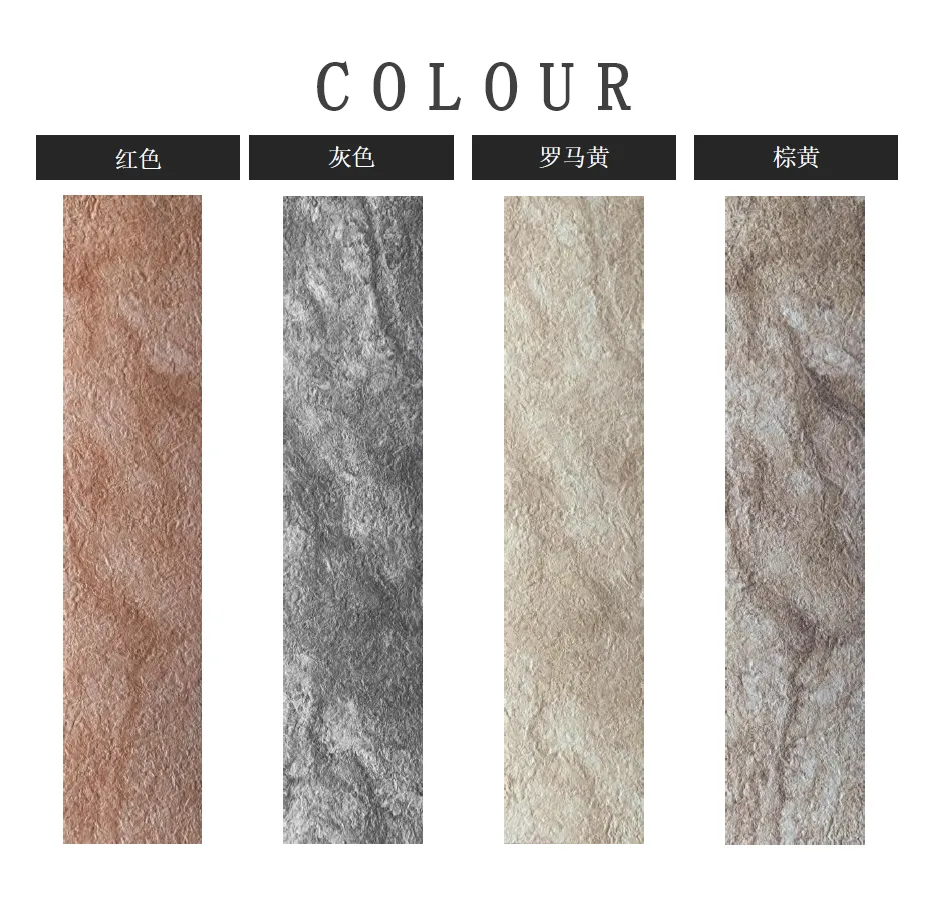
This technique isn't new, of course. Ancient stonemasons used similar methods to shape stones for temples and fortresses, relying on the stone's natural cleavage to create stable, beautiful structures. Today, modern tools have made the process more precise, but the goal remains the same: to let the stone's personality shine through. Whether it's the deep, moody tones of rock cut stone (dark grey) or the warm, sunlit hues of rock cut stone (beige), each piece tells a story of time, pressure, and transformation.
Rock cut dolomitic stone isn't just about aesthetics—it's a workhorse of a material, with properties that make it suitable for everything from high-traffic commercial spaces to cozy residential nooks. Let's unpack its key characteristics, starting with the physical traits that catch the eye and the practical features that make it a designer favorite.
One of the first things you notice about rock cut dolomitic stone is its color palette. It's a celebration of earth tones, ranging from the deep, moody shades of rock cut stone (dark grey)—which can carry hints of charcoal, silver, or even navy—to the warm, inviting tones of rock cut stone (beige), a hue that evokes sun-baked deserts or sandy beaches. But the variety doesn't stop there. Within the dolomitic family, you'll find gems like dolomitic travertine (dark grey), a stone with swirling patterns that resemble storm clouds, and dolomitic travertine (claybank), a soft, muted shade that feels like a hug from the earth. These colors aren't uniform; they shift and blend, with no two slabs exactly alike, ensuring that every installation feels unique.
Then there's the texture—the "rock cut" signature. Unlike polished stone, which reflects light evenly, rock cut surfaces are intentionally rough. You'll see tool marks, shallow grooves, and uneven edges, all of which create a dynamic interplay with light. In the morning, sunlight might catch the higher ridges, casting soft shadows in the crevices; in the evening, warm artificial light can make the stone glow, highlighting its depth. It's a texture that invites touch—running your hand over it, you'll feel the stone's resistance, a reminder that this is a material forged by nature, not a synthetic imitation. This tactile quality adds layers to a space, making it feel more alive and connected to the natural world.
Beyond its beauty, rock cut dolomitic stone is a practical choice for both interior and exterior use. Let's start with durability. Thanks to its magnesium carbonate content, dolomite is harder and more resistant to wear than pure limestone. It scores around 3.5 to 4 on the Mohs hardness scale—softer than granite (which sits at 6-7) but still tough enough to handle daily foot traffic, rain, and even the occasional scuff. This makes it ideal for high-use areas like flooring or exterior cladding, where longevity matters.
Another key advantage is its porosity. Dolomitic stone is less porous than travertine, which means it's more resistant to staining. While it still benefits from sealing (we'll get to maintenance later), it won't soak up spills as quickly as some other stones, giving you time to wipe up that coffee or wine before it leaves a mark. This makes it a great fit for kitchens, dining areas, or outdoor patios where accidents happen.
Weight is another practical consideration. Rock cut dolomitic stone is surprisingly lightweight compared to denser stones like granite or marble. This reduces the load on building structures, making installation easier and more flexible—whether you're cladding a high-rise or adding an accent wall to a small apartment. It also opens up possibilities for creative applications, like large-format slabs that create seamless, dramatic surfaces without the need for heavy support structures.
Finally, there's sustainability. Dolomitic stone is a natural resource, but because it's quarried and processed with minimal chemical intervention (unlike some synthetic cladding materials), it has a lower environmental footprint. Many quarries also prioritize responsible mining practices, ensuring that the land is restored after extraction. For eco-conscious designers and homeowners, this is a big plus—you're choosing a material that respects the planet while enhancing your space.
Rock cut dolomitic stone isn't just for show—it's incredibly versatile, adapting to a wide range of design styles and applications. Whether you're aiming for a rustic cabin vibe, a modern industrial look, or a timeless classic space, this stone has you covered. Let's explore some of the most popular ways it's used today.
Exterior walls are a building's first impression, and rock cut dolomitic stone knows how to make a statement. Imagine a commercial office building wrapped in rock cut stone (dark grey)—its rough texture and deep color contrasting with floor-to-ceiling glass windows, creating a bold, modern look that feels grounded and strong. Or a residential home clad in dolomitic travertine (claybank), blending seamlessly with a garden of native plants, as if the house itself grew from the earth. This stone holds up to the elements, too: it resists frost damage, doesn't fade significantly in sunlight, and can withstand heavy rain, making it a smart choice for climates ranging from snowy mountains to humid coasts.
Even smaller exterior projects benefit from its charm. A rock cut dolomitic stone facade on a café or boutique can draw customers in, signaling warmth and uniqueness. Or consider a garden wall built with rock cut stone (beige), where the rough texture contrasts beautifully with smooth greenery, creating a serene, Zen-like atmosphere.
Inside the home or office, rock cut dolomitic stone becomes a focal point, adding depth and personality to any room. One of the most popular uses is accent walls—think a living room with a fireplace surround made of dolomitic travertine (dark grey), its swirling patterns and rough texture making the fire feel cozier, more primal. Or a bedroom with a headboard wall clad in rock cut stone (beige), turning a simple bed into a luxurious retreat. These walls don't just look good; they sound good too—the rough texture helps absorb sound, reducing echo in larger rooms.
Flooring is another area where this stone shines. Rock cut dolomitic stone floors add warmth and traction, making them ideal for entryways, kitchens, or bathrooms (when properly sealed). Imagine stepping out of the shower onto a floor of dolomitic travertine (claybank)—its slightly uneven surface massaging your feet, while its natural color brings a spa-like calm to the space. In living areas, it pairs beautifully with wood furniture or soft textiles, balancing rustic texture with comfort.
Don't overlook smaller details, either. Countertops in a home bar, backsplashes in a kitchen, or even stair treads—rock cut dolomitic stone adds character to these functional elements. For example, a kitchen backsplash of rock cut stone (dark grey) can complement white cabinetry, adding visual interest without overwhelming the space. It's a material that works hard but never sacrifices style.
Rock cut dolomitic stone isn't just for homes—it's transforming commercial and public spaces, too. Restaurants, hotels, and retail stores use it to create immersive environments that customers remember. A high-end restaurant might line its walls with dolomitic travertine (dark grey), setting a sophisticated, intimate mood, while a casual café could opt for rock cut stone (beige) to create a warm, welcoming vibe that feels like a second home. In hotels, lobby walls clad in this stone make guests feel grounded, as if they've stepped into a space with history and character.
Public spaces benefit from its durability and accessibility. Museums, for example, might use rock cut dolomitic stone flooring in high-traffic exhibit halls, where it can withstand thousands of visitors' footsteps without showing wear. Parks and outdoor plazas often incorporate it into benches or decorative walls, adding a natural element that complements the surrounding landscape. Even healthcare facilities are embracing it—its natural texture and color can have a calming effect, reducing stress for patients and visitors alike.
With so many stone options available, you might wonder how rock cut dolomitic stone stacks up against the competition. Let's break down how it compares to three popular alternatives: limestone, marble, and granite.
| Property | Rock Cut Dolomitic Stone | Limestone | Marble | Granite |
|---|---|---|---|---|
| Color Range | Earthy tones: dark grey, beige, claybank, with natural variations (e.g., dolomitic travertine dark grey, rock cut stone beige) | Light to medium neutrals: white, cream, tan, light grey | Wide range: white, black, red, green, with bold veining | Varied: black, white, grey, pink, green, with flecks or grains |
| Hardness (Mohs Scale) | 3.5–4 (moderate; more durable than limestone) | 3 (softer; prone to scratches) | 3–4 (softer; susceptible to etching from acids) | 6–7 (very hard; highly scratch-resistant) |
| Porosity | Low to moderate (less porous than limestone/travertine) | High (prone to staining; requires frequent sealing) | Moderate (etches easily; needs sealing) | Low (very dense; minimal sealing needed) |
| Texture | Rough, tactile, with visible tool marks (rock cut finish) | Smooth to slightly rough; can be polished or honed | Smooth, glossy when polished; can be honed for matte finish | Typically polished or honed; granular texture |
| Best For | Exterior cladding, accent walls, flooring, commercial spaces | Interior walls, fireplaces, low-traffic flooring | Interior accent walls, countertops (low use), decorative elements | High-traffic flooring, countertops, exterior cladding (extreme durability) |
| Cost | Mid-range (more affordable than marble/granite, more than limestone) | Budget-friendly | High-end (premium pricing for rare colors/veining) | High (varies by rarity; often expensive) |
As the table shows, rock cut dolomitic stone hits a sweet spot: it's more durable than limestone, less porous than marble, and more affordable than granite, while offering a unique texture that none of these alternatives can match. It's a material that balances beauty, functionality, and value—making it a top choice for designers and homeowners who want the best of all worlds.
Like any natural material, rock cut dolomitic stone needs a little care to stay looking its best. The good news? It's relatively low-maintenance, especially compared to more porous stones like limestone or marble. Here's what you need to know:
Sealing: While dolomitic stone is less porous than some alternatives, it's still a good idea to seal it—especially for high-moisture areas like bathrooms or outdoor spaces. A quality stone sealer will help repel water and stains, keeping the stone looking fresh. How often you need to seal depends on use: high-traffic areas might need sealing every 1–2 years, while low-traffic areas can go 3–5 years. Always test the sealer on a small, inconspicuous area first to ensure it doesn't alter the stone's color.
Cleaning: For day-to-day cleaning, stick to mild soap and warm water. Avoid harsh chemicals like bleach, ammonia, or vinegar, which can damage the stone or wear away the sealer. Use a soft cloth or mop—abrasive scrubbers can scratch the surface. For spills, wipe them up immediately with a damp cloth; if a stain sets in, try a stone-specific stain remover, following the manufacturer's instructions.
Preventing Damage: While rock cut dolomitic stone is durable, it's not indestructible. Avoid dropping heavy objects on it, as sharp impacts can chip the edges. Use coasters under glasses and trivets under hot pans to prevent heat damage. For outdoor installations, trim back overhanging tree branches to avoid scratches from falling debris, and sweep away dirt regularly to prevent abrasive particles from wearing down the surface.
Rock cut dolomitic stone is more than just a building material; it's a bridge between the natural world and human creativity. It carries the earth's history in its veins and the craftsman's skill in its texture, offering a unique blend of beauty and practicality that's hard to find in synthetic materials. From the deep, moody allure of rock cut stone (dark grey) to the warm, inviting tones of dolomitic travertine (claybank), it adapts to any style, transforming spaces into something that feels both timeless and fresh.
Whether you're designing a commercial building that needs to make a statement, a home that feels cozy and unique, or a public space that welcomes and inspires, rock cut dolomitic stone delivers. It's durable enough to stand up to the demands of daily life, beautiful enough to elevate any design, and sustainable enough to respect the planet we call home. So the next time you walk into a space that feels particularly alive—where the walls seem to breathe and the floors invite you to stay a little longer—chances are, rock cut dolomitic stone is telling its story there.
In a world that often prioritizes uniformity and speed, this stone is a reminder of the beauty in imperfection, the value of craftsmanship, and the enduring power of nature. It's not just about building with stone; it's about building with meaning. And that's a trend that will never go out of style.
Recommend Products












