
Stand in the shadow of the Colosseum, and you'll feel it—the quiet gravity of a material that has outlived empires. Run your hand along its weathered surface, and you'll trace the same grooves that gladiators, emperors, and travelers have touched for over 2,000 years. That material? Roman Huge Travertine . More than just stone, it's a living chronicle of human ambition, a silent storyteller that bridges ancient grandeur and modern design. In a world of fleeting trends, this stone endures—not just as a building block, but as a testament to what happens when nature's artistry meets human ingenuity.
To understand Roman Huge Travertine, we first need to meet its humbler cousin: travertine . A form of limestone, travertine forms in hot springs and limestone caves, where mineral-rich water cools and releases calcium carbonate, layer upon layer, like nature's own slow-motion sculpture. Over centuries, these layers harden into a porous, yet surprisingly strong stone, marked by unique veining, pits, and color variations—each slab a one-of-a-kind canvas painted by time.
But Roman Huge Travertine is travertine on a grand scale. Quarried primarily in the Tivoli region, just east of Rome, this stone is celebrated for its massive slabs—some weighing tons and spanning meters. Ancient Roman engineers prized these "huge" blocks for their ability to create the colossal structures that defined their civilization. Unlike smaller, more common travertine tiles (think travertine beige or travertine starry green, beloved for residential backsplashes), Roman Huge Travertine was hewn from the earth in chunks large enough to support aqueducts, temples, and amphitheaters. It's not just a material; it's a statement of permanence.
Ask any architect what makes Roman architecture iconic, and they'll likely mention three things: arches, domes, and travertine. The Romans didn't just use travertine—they built empires with it. And at the heart of that legacy lies Roman Huge Travertine.
Take the Colosseum, for example. Completed in 80 CE, this 50,000-seat amphitheater rises 48 meters high, its exterior clad in massive travertine blocks quarried from Tivoli. These slabs weren't just stacked; they were precision-cut and fitted with iron clamps (some still visible today) to withstand the weight of stone, spectators, and the chaos of gladiatorial combat. Two millennia later, the Colosseum still stands—scarred, but unbowed—a tribute to the stone's durability.
Then there's the Pantheon, with its awe-inspiring dome (the largest unreinforced concrete dome in the world for over 1,300 years). While the dome itself is concrete, its portico—those towering columns and triangular pediment—was carved from Roman Huge Travertine. Imagine the labor: teams of workers quarrying these monolithic blocks, transporting them 30 kilometers from Tivoli to Rome via oxen and barges, then shaping them into columns that would support the weight of history. It's a feat of engineering that still leaves modern architects in awe.
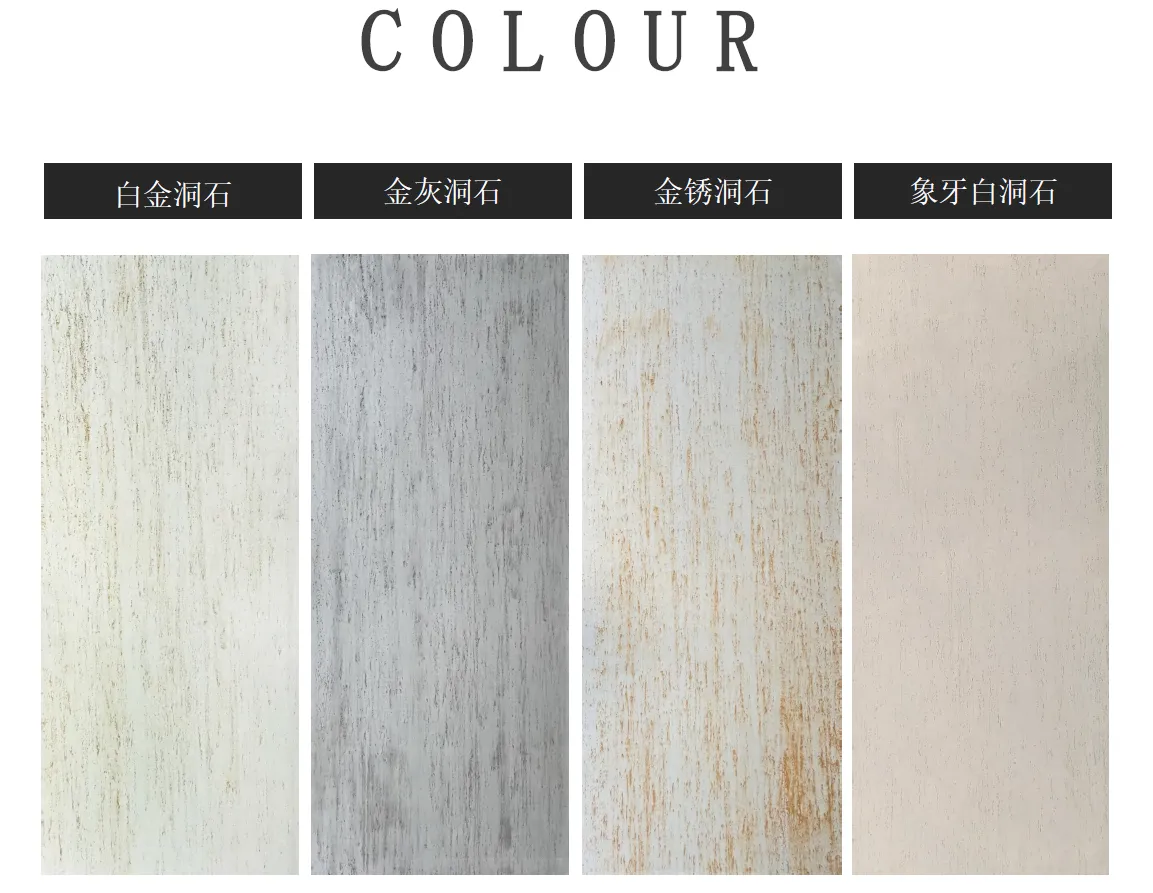
But Roman Huge Travertine wasn't reserved for grand monuments. It lined aqueducts, paved forums, and adorned public baths, embedding itself into the daily life of the empire. Its warm, earthy tones—ranging from creamy whites to golden beiges, shot through with rust or gray veins—brought light and life to stone structures, making even the most imposing buildings feel grounded, human.
So, what sets Roman Huge Travertine apart from other stones? Let's break it down—not with dry technical specs, but with the qualities that make architects and historians fall in love with it.
Every slab of Roman Huge Travertine is a geological diary. Those swirling veins? They're mineral deposits left behind by ancient hot springs, each layer recording a moment in time—wet seasons, droughts, shifts in the earth's crust. Some veins are thin and delicate, like brushstrokes; others are bold and dramatic, like lightning strikes frozen in stone. No two slabs are identical, which is why even today, it's prized for creating spaces that feel organic and alive.
Don't let its porous surface fool you—Roman Huge Travertine is surprisingly tough. Its porosity (those small pits and holes) actually makes it lightweight for its size, which was crucial for ancient builders hauling massive blocks. But when sealed and maintained, it resists weathering, fire, and even the test of centuries. The Colosseum's travertine has endured earthquakes, wars, and pollution, yet still retains its structural integrity. That's not just durability—that's resilience.
Unlike the cold sterility of some modern materials, Roman Huge Travertine radiates warmth. Its natural color palette—think honeyed golds, soft creams, and warm beiges—creates spaces that feel inviting, whether bathed in sunlight or lit by lamplight. It's why ancient Romans used it in public baths (imagine the steam rising off travertine floors, the stone holding heat like a gentle embrace) and why modern designers use it in lobbies, restaurants, and homes to add a touch of timeless elegance.
You might think a stone tied to ancient Rome would be relegated to history books, but Roman Huge Travertine is experiencing a renaissance. Today's architects and designers aren't just admiring it from afar—they're incorporating it into contemporary projects, proving that good design never goes out of style.
Take the 2016 restoration of Rome's Temple of Venus and Roma, where original Roman Huge Travertine blocks were carefully cleaned and reused, blending seamlessly with new stone quarried from the same Tivoli beds. Or consider the Getty Center in Los Angeles, where architect Richard Meier chose travertine (inspired by Roman traditions) for its exterior, using large slabs to echo the grandeur of ancient structures in a modern context.
Of course, modern technology has given us new ways to work with large-format stone. The MCM Big Slab Board Series , for example, offers large, flexible panels designed for easy installation—perfect for contemporary buildings where speed and efficiency matter. But even these modern innovations nod to Roman Huge Travertine's legacy: the desire to create impact through scale, to make a statement with stone. The difference? Today's big slabs are often engineered (like MCM's flexible stone solutions), while Roman Huge Travertine is a product of nature, hewn from the earth with the same reverence the ancients had.
| Travertine Type | Key Characteristics | Historical Use | Modern Applications |
|---|---|---|---|
| Roman Huge Travertine | Massive slabs, warm beige/gold tones, bold veining, high durability | Colosseum, Pantheon, aqueducts | Historic restorations, high-end commercial buildings, luxury homes |
| Travertine (Beige) | Smaller tiles, light cream/beige, subtle veining, porous | Residential floors, public baths | Kitchen backsplashes, bathroom walls, patio paving |
| Travertine (Starry Green) | Vibrant green veins, decorative, medium-sized slabs | Ornate temple accents | Feature walls, fireplace surrounds, accent tiles |
| MCM Big Slab Board Series | Engineered, large flexible panels, lightweight, various finishes | N/A (modern innovation) | Contemporary facades, commercial interiors, quick-install projects |
In an era of fast fashion, quick fixes, and materials designed to be replaced, Roman Huge Travertine stands as a counterargument. It's a reminder that great design isn't about what's new—it's about what lasts. When architects choose Roman Huge Travertine today, they're not just selecting a stone; they're connecting their work to a lineage that stretches back to the Romans, saying, "This building matters. It will outlive me."
It's also a sustainable choice. Unlike synthetic materials that rely on fossil fuels, Roman Huge Travertine is a natural resource, quarried responsibly (modern practices prioritize reforestation and minimal environmental impact). And because it lasts for centuries, it reduces the need for frequent replacements, cutting down on waste. In a world grappling with climate change, that's a powerful statement: building with materials that respect the planet's timeline, not just our own.
Roman Huge Travertine isn't just a building material. It's a bridge between past and present, a symbol of human creativity, and a testament to the beauty of patience. It reminds us that the best designs aren't just about function—they're about feeling, about creating spaces that tell stories, that make us pause and wonder, "What came before? What will come after?"
So the next time you see a building clad in warm, veined stone—whether it's the Colosseum or a sleek modern museum—take a moment to appreciate the legacy in your hands. Roman Huge Travertine isn't just old stone. It's a piece of history, still being written, one slab at a time.
Recommend Products












