
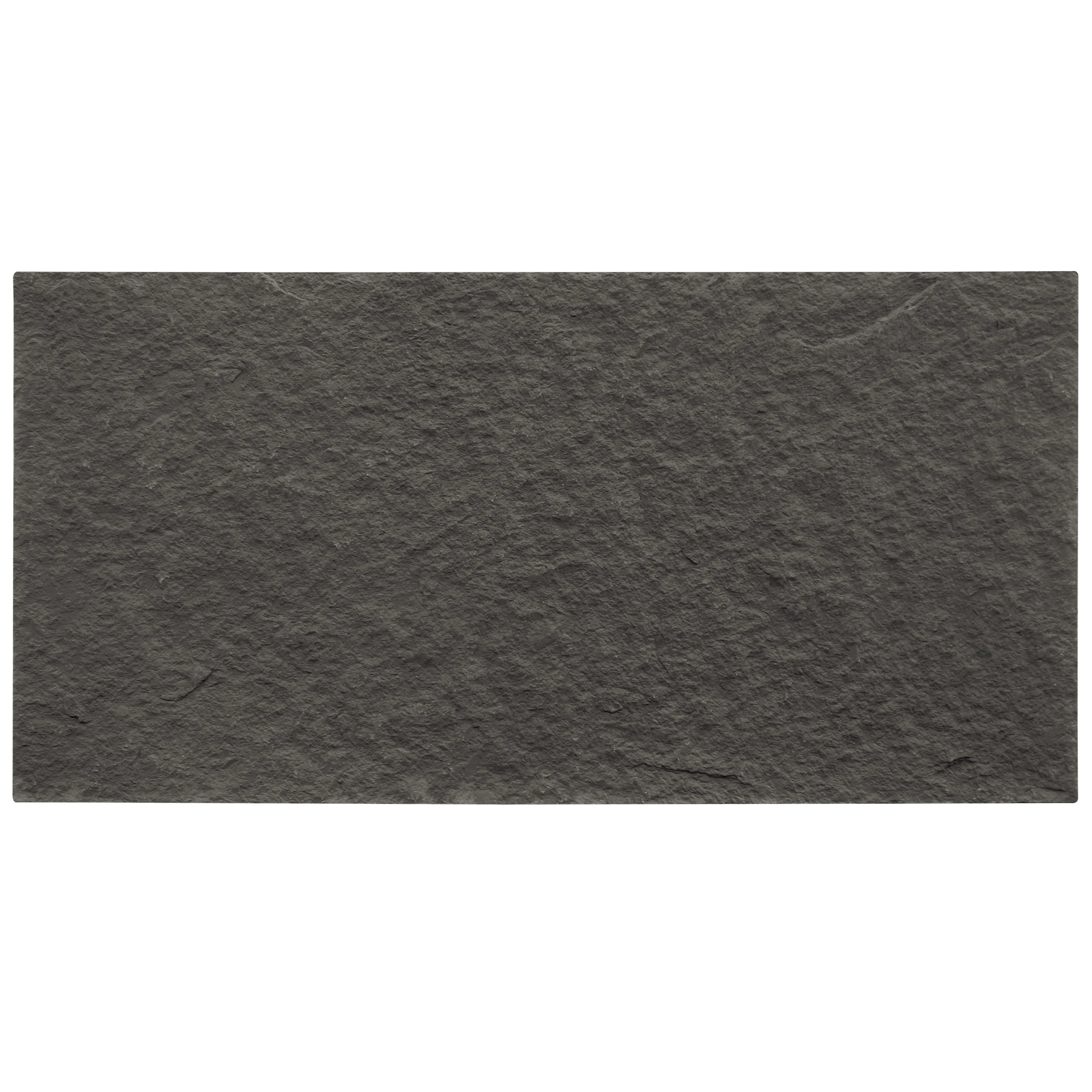
When you walk into a rustic café with exposed stone walls, or run your hand along the exterior of a mountain lodge, chances are you've felt the distinct texture of rough granite. But what exactly is rough granite stone (dark grey) , and why does it hold such enduring appeal in architecture and design? Let's dive into this natural material—its origins, unique traits, and how it stands out in a world of building materials, including alongside popular options like lime stone(beige) and innovative lines like MCM flexible stone and MCM big slab board series .
Granite itself is an igneous rock formed deep within the Earth's crust, where molten magma cools slowly, allowing mineral crystals like quartz, feldspar, and mica to grow and interlock. This slow formation gives granite its legendary hardness and durability. But rough granite stone (dark grey) isn't just any granite—it's a specific variation prized for two key features: its unpolished, textured surface and its deep, moody dark grey hue .
Unlike polished granite, which is ground down to a smooth, reflective finish, rough granite retains the raw, natural texture of the stone as it's quarried. Think of it as nature's own fingerprint: tiny grooves, subtle pits, and irregularities that tell the story of its formation over millions of years. The dark grey color, often flecked with hints of black, silver, or even deep blue, adds a sense of (calmness) and timelessness, making it a favorite for both modern and traditional spaces.
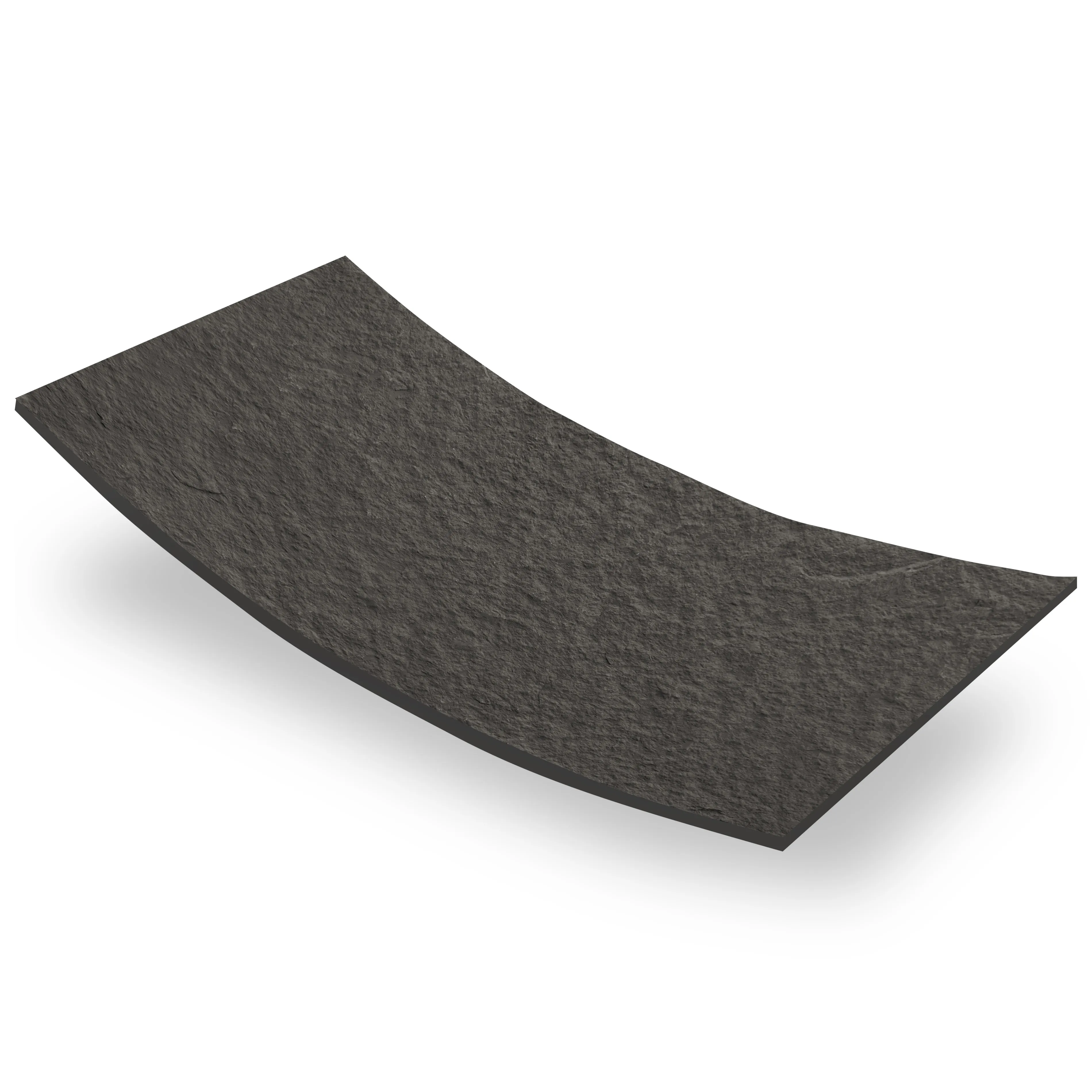
What makes rough granite stone (dark grey) so special? Let's break down its most notable traits:
The first thing you notice about rough granite is its texture. Run your hand across it, and you'll feel a satisfyingly uneven surface—cool to the touch, with enough grip to feel substantial but not harsh. This texture isn't just about looks; it serves a practical purpose too. In outdoor spaces, the rough surface provides traction, making it ideal for walkways, patios, or pool surrounds where slip resistance is key. Indoors, it adds depth and warmth, turning a plain wall into a focal point that invites touch and interaction.
Granite is famous for its strength, and rough granite (dark grey) is no exception. With a Mohs hardness rating of 6-7 (out of 10), it's resistant to scratches, chips, and wear—even in high-traffic areas. Unlike softer stones like marble, which can etch with acidic spills, granite holds up well to daily use, making it suitable for everything from kitchen backsplashes to exterior cladding. It's also weather-resistant, standing up to rain, snow, and UV rays without fading or deteriorating. In fact, many historic buildings around the world feature granite elements that have remained intact for centuries—a testament to its longevity.
The dark grey shade of this granite is surprisingly versatile. It pairs beautifully with warm tones like wood, copper, or terracotta, adding contrast without overwhelming. In minimalist spaces, it acts as a neutral backdrop, letting furniture or art take center stage. In industrial-style designs, it enhances the raw, edgy aesthetic, complementing metal accents and exposed brick. Even in traditional settings, dark grey rough granite adds a modern twist, bridging the gap between old and new. And because each slab is natural, no two pieces are exactly alike—your project gets a one-of-a-kind look that can't be replicated with synthetic materials.
Rough granite stone (dark grey) isn't limited to one type of application. Its adaptability is part of its charm. Here are just a few ways it's used in architecture and design:
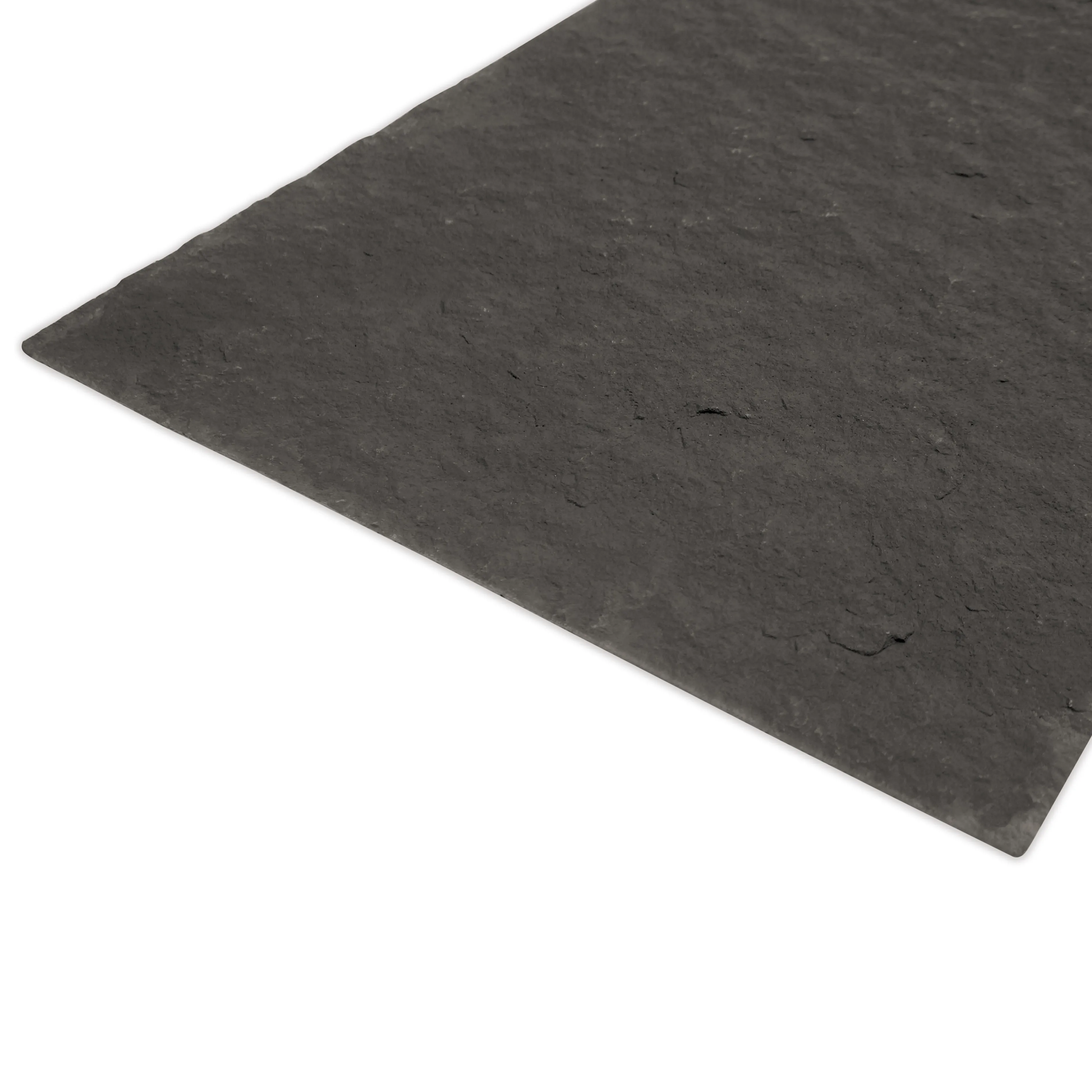
To truly appreciate rough granite stone (dark grey), it helps to see how it compares to other popular building materials. Let's take a look at how it stands against lime stone(beige) —a lighter, softer stone often used in classic and Mediterranean designs:
| Feature | Rough Granite Stone (Dark Grey) | Lime Stone (Beige) |
|---|---|---|
| Texture | Rough, uneven surface with natural pits and grooves | Smooth to slightly rough, with a more uniform grain |
| Color | Deep dark grey with flecks of black, silver, or blue | Warm beige, cream, or light tan with subtle veining |
| Durability | High (resistant to scratches, stains, and weathering) | Moderate (softer, may etch with acidic substances) |
| Best For | High-traffic areas, outdoor use, modern/industrial designs | Low-traffic indoor spaces, classic/Mediterranean styles, warm-toned interiors |
| Maintenance | Minimal (seal every 3-5 years; easy to clean with soap and water) | More frequent sealing (every 1-2 years); avoid acidic cleaners |
As you can see, while lime stone(beige) offers a soft, warm look, rough granite (dark grey) is the workhorse of the two—built for durability and versatility. Depending on your project's needs, one might be a better fit than the other, but there's no denying that rough granite brings a unique combination of strength and style to the table.
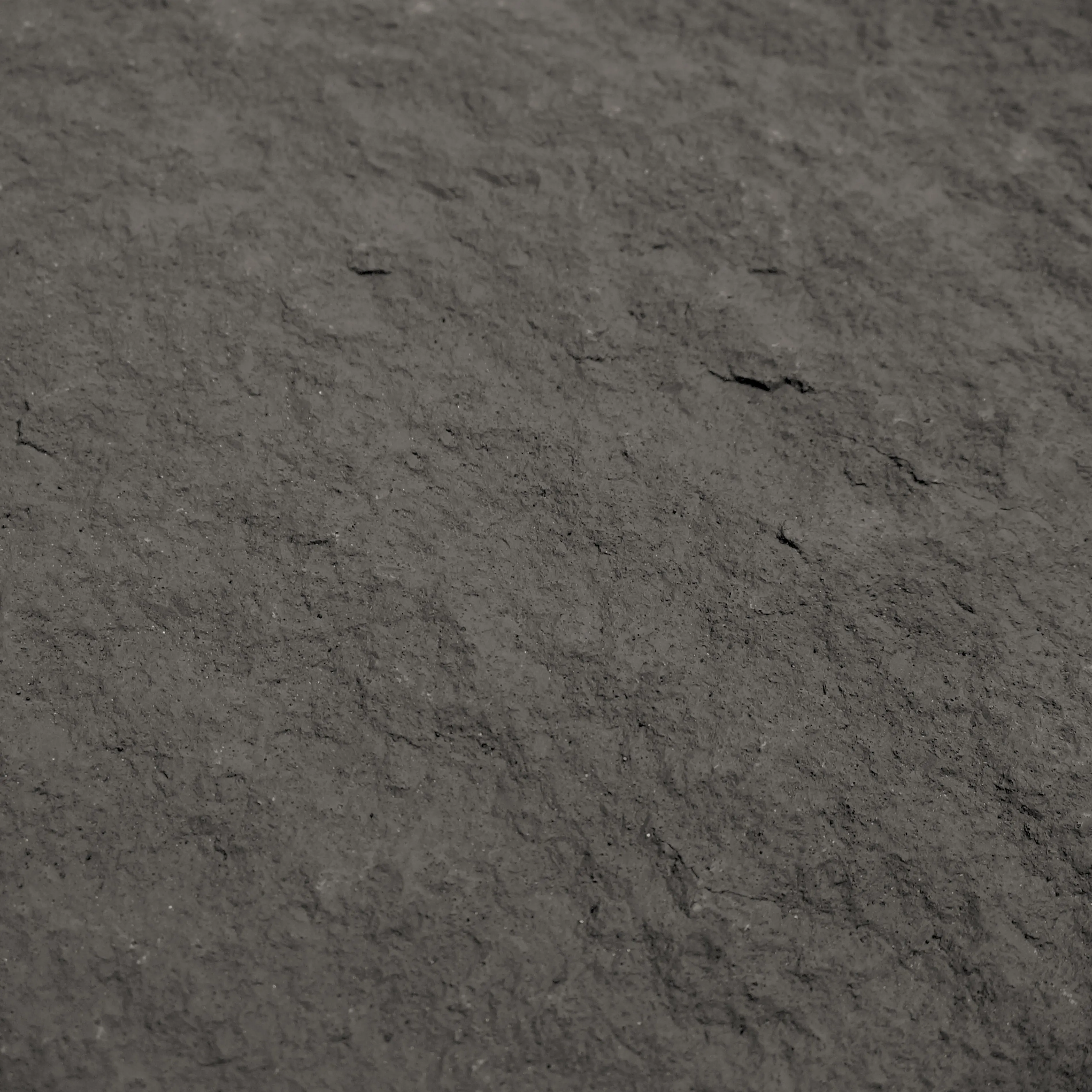
If you're familiar with modern building materials, you've likely heard of MCM (Modified Composite Material)—a line of innovative, lightweight, and durable products designed to mimic natural stone, wood, and metal. Within the MCM family, rough granite stone (dark grey) finds its place alongside other standout options like MCM flexible stone and the MCM big slab board series .
MCM flexible stone , for example, is a thin, bendable material that replicates the look of natural stone but with added flexibility. It's perfect for curved surfaces or projects where weight is a concern—think accent walls with rounded edges or custom furniture pieces. While rough granite (dark grey) is rigid and heavy, pairing it with MCM flexible stone can create dynamic designs: imagine a fireplace with rough granite on the flat surfaces and MCM flexible stone wrapping around the curved mantel, both in complementary tones for a cohesive look.
Then there's the MCM big slab board series , which offers large-format panels of various stone looks, including granite. These slabs are designed to minimize seams, creating a sleek, modern aesthetic. For projects that require a seamless appearance but still want the character of rough granite, the MCM big slab board series could be the solution. While natural rough granite slabs are limited by quarry size, MCM big slabs can be produced in larger dimensions, making them ideal for expansive walls or floors where a continuous surface is desired.
What's exciting about MCM products is how they complement natural stones like rough granite. They offer alternatives for situations where natural stone might not be feasible—due to weight, cost, or installation constraints—without sacrificing style. So whether you're using natural rough granite for its authenticity or MCM flexible stone for its versatility, you're tapping into a world of materials that blend nature and innovation.
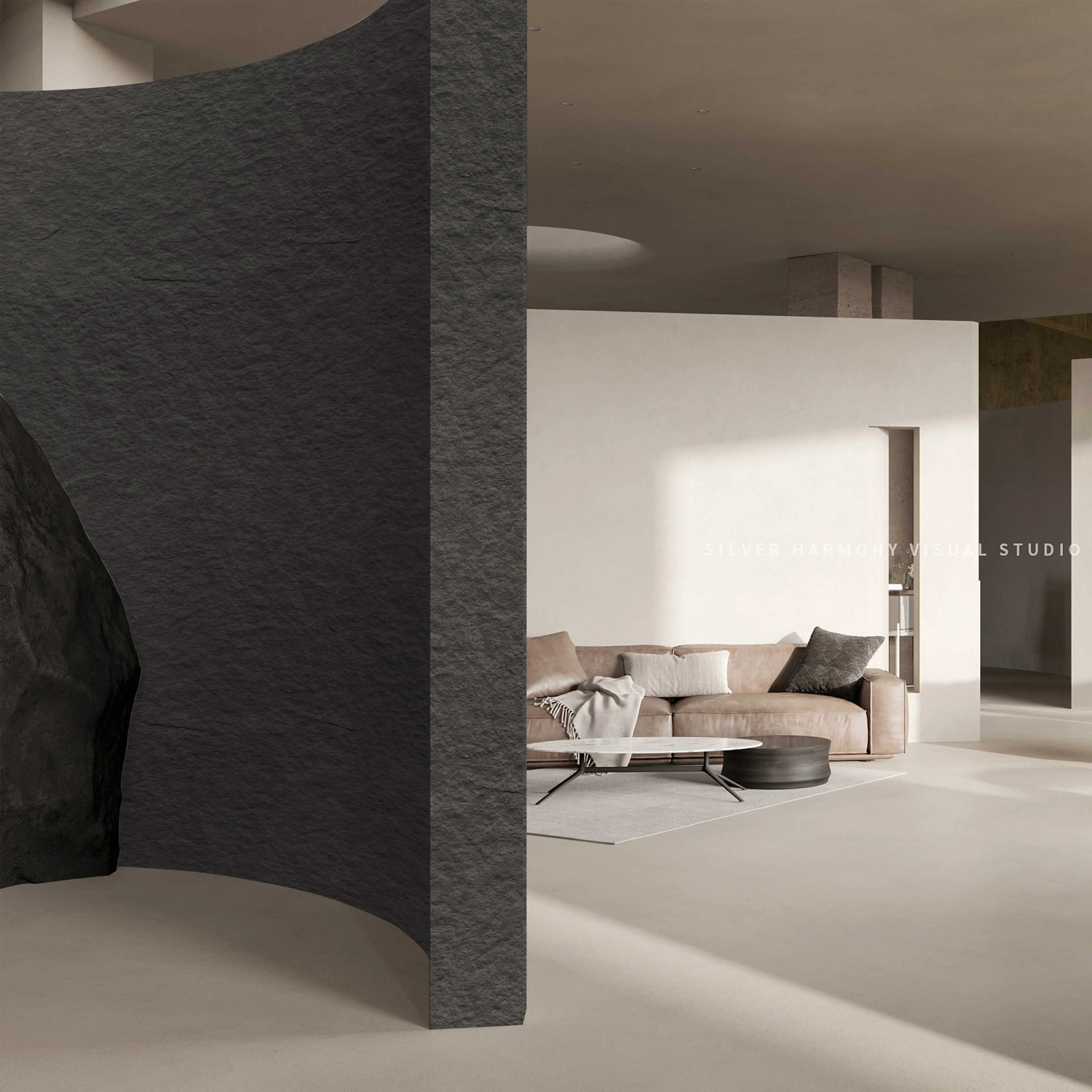
Ask any architect or designer about their favorite materials, and rough granite (dark grey) is likely to come up. Here's why it's a staple in their toolkits:
As we've touched on, dark grey rough granite works in almost any style—modern, industrial, traditional, rustic. It's a chameleon that adapts to its surroundings, enhancing the overall design rather than clashing with it. Whether paired with sleek glass and steel or warm wood and textiles, it finds a way to fit in while still making a statement.
Natural stone is a sustainable choice, and granite is no exception. It's quarried from the earth, requires minimal processing (especially in its rough form), and is 100% recyclable. Unlike synthetic materials that may off-gas or degrade over time, granite is inert and long-lasting, reducing the need for replacement and lowering its environmental footprint.
Trends come and go, but granite has been used in architecture for millennia—from ancient Egyptian temples to modern skyscrapers. Its timelessness means investing in rough granite stone (dark grey) is a decision that won't feel dated in a few years. It's a material that ages gracefully, developing a subtle patina over time that only adds to its character.
While rough granite is durable, it still needs a little love to keep it looking its best. Here are some simple maintenance tips:
With these simple steps, your rough granite stone (dark grey) will stay beautiful for decades to come.
Rough granite stone (dark grey) isn't just a building material—it's a storyteller. Its rough texture whispers of ancient geological processes, its dark grey color evokes strength and calm, and its versatility makes it a favorite for designers looking to create spaces with soul. Whether used alone as a bold statement or paired with other materials like lime stone(beige) , MCM flexible stone , or the MCM big slab board series , it brings a unique blend of durability, beauty, and authenticity to any project.
So the next time you walk past a building with a rough stone facade or run your hand over a textured countertop, take a moment to appreciate the rough granite (dark grey) that went into it. It's more than just stone—it's a piece of the earth, shaped by time, and ready to add character to the spaces we live, work, and play in.
Recommend Products












