
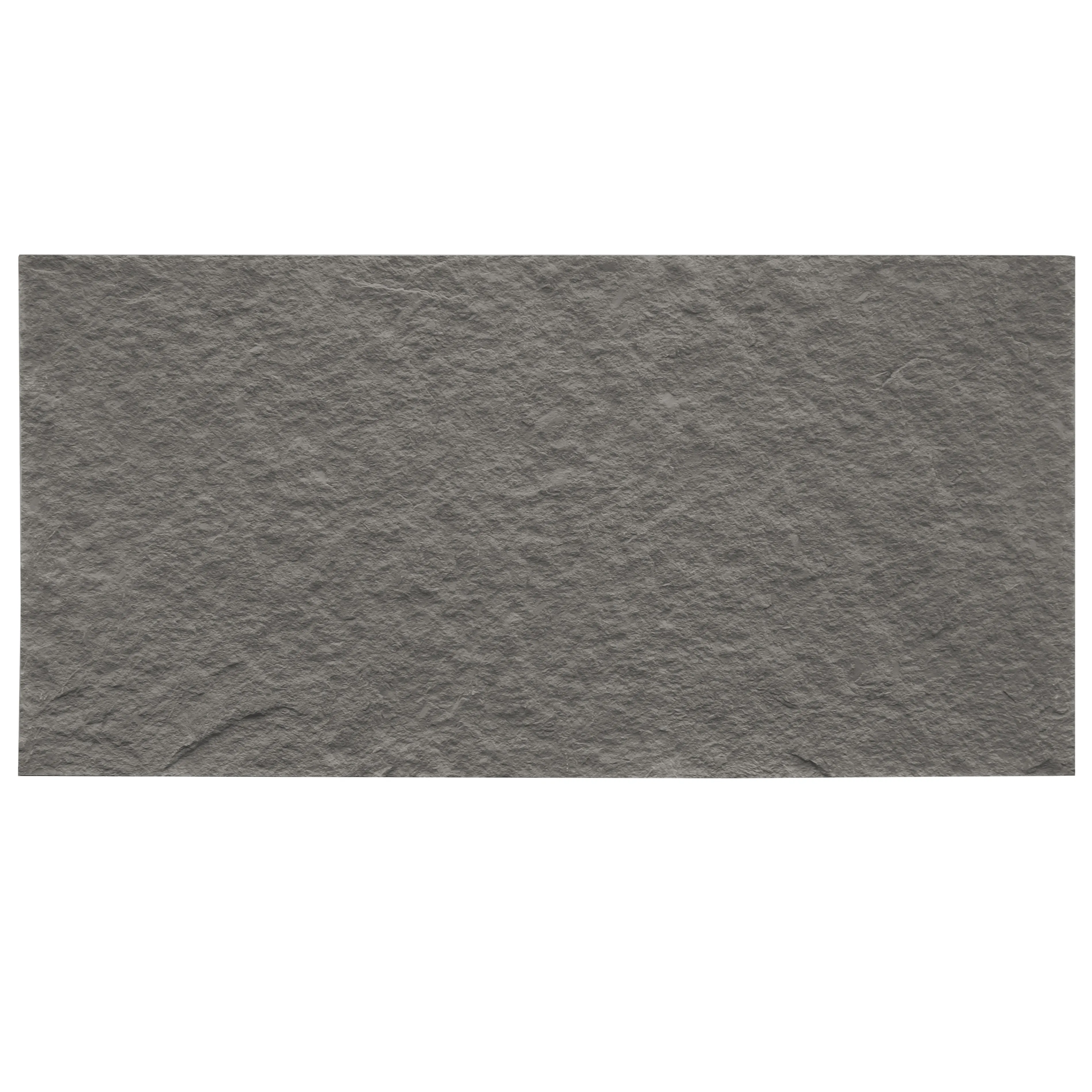
In the world of architecture and interior design, materials are more than just building blocks—they're storytellers. They shape how we experience a space, evoke emotions, and leave lasting impressions. Among the many materials that grace designer sample boards, few command attention quite like rough granite stone (medium grey) . With its raw, unpolished surface and earthy depth, it's a material that doesn't just decorate; it grounds a room, blending the rugged beauty of nature with the intentionality of human design. Let's explore what makes this stone so special, from its definition to its most compelling characteristics, and why it continues to be a favorite among creators.
To understand rough granite stone (medium grey), we first need to peel back the layers of what granite itself is: an igneous rock formed deep within the Earth's crust, born from the slow cooling of magma. Over millions of years, minerals like quartz, feldspar, and mica interlock to create its dense, crystalline structure—nature's own masterpiece of strength and complexity. But what sets rough granite apart from its polished cousins is in the finishing touch (or lack thereof).
Unlike polished granite, which undergoes grinding and buffing to achieve a smooth, reflective surface, rough granite is left in a more natural state. It's often split, hammered, or "flamed" (treated with high heat to create texture), preserving the stone's original character—think uneven edges, pitted surfaces, and the occasional mineral deposit that glints like a hidden treasure. The "medium grey" designation refers to its base hue: a versatile, muted grey that sits comfortably between the starkness of charcoal and the softness of light stone, with subtle variations that make each slab one-of-a-kind.
Imagine running your hand over a slab: it's cool to the touch, with a tactile quality that invites interaction. Some areas feel slightly gritty, others smoother, as if the stone itself is telling the story of its formation—of pressure, heat, and time. It's this "imperfection" that designers crave; in a world of mass-produced uniformity, rough granite (medium grey) offers authenticity.
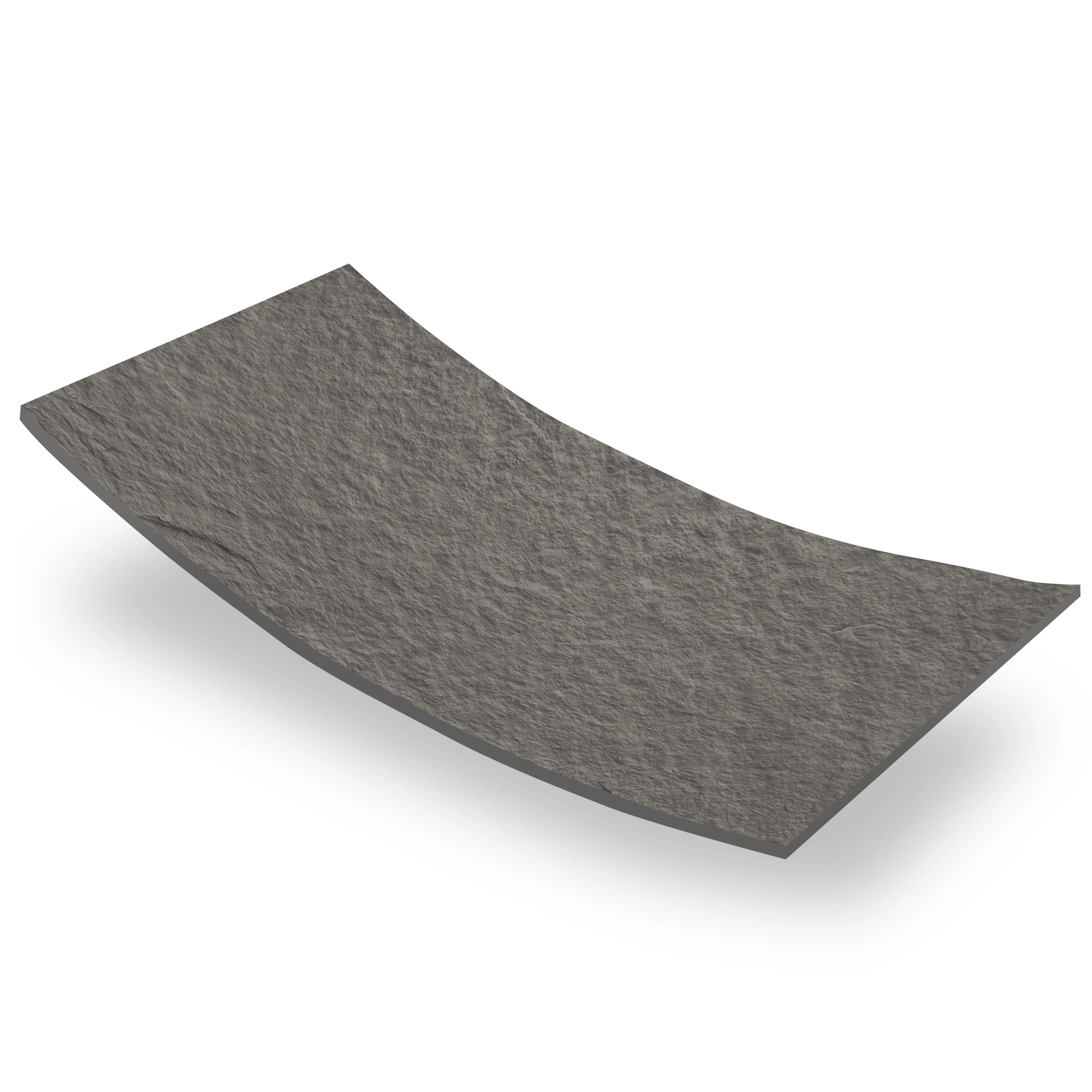
Rough granite stone (medium grey) isn't just visually striking—it's a material with substance. Let's break down its most defining traits:
Texture is where rough granite truly shines. Its surface is a study in contrast: rough yet inviting, rugged yet refined. Run your fingers across it, and you'll feel the granularity of the quartz, the smoothness of feldspar, and the occasional "bump" where a mineral deposit has risen to the surface. This isn't just a visual detail—it's a sensory experience. In a living room, a rough granite accent wall becomes more than decor; it's a conversation starter, something guests can't help but reach out and touch. In a kitchen, a countertop made from this stone adds a tactile dimension to daily tasks, turning meal prep into a more grounded, intentional act.
Granite is renowned for its strength, and rough granite (medium grey) is no exception. Its dense composition makes it resistant to scratches, heat, and stains—qualities that make it ideal for high-traffic areas. Unlike softer stones like marble, which can etch or scratch easily, rough granite holds up to the chaos of family life, the spills of a busy restaurant, or the harsh elements of an outdoor facade. A homeowner once told me, "I chose rough granite for my kitchen counters because I wanted something that would look better with age, not worse. Five years in, and it still takes a beating—coffee spills, knife nicks, hot pans—and just gets more characterful." That's the beauty of it: it doesn't just endure; it ages gracefully .
Don't let the "medium grey" label fool you—this stone is a chameleon. Depending on the light, its color shifts from a soft, silvery grey in morning sunlight to a deeper, moodier charcoal as evening falls. Flecks of white (quartz), black (biotite), and even gold or pink (feldspar) add depth, ensuring no two slabs are identical. One slab might have a subtle "vein" of lighter grey, winding through like a river; another could be dotted with tiny gold specks, reminiscent of a starry sky. This variability is a designer's dream, allowing for truly custom spaces that feel unique and personal.
Rough granite stone (medium grey) is a shape-shifter, adapting to nearly any design style. In a rustic mountain home, it pairs beautifully with wood beams and leather furniture, enhancing the cabin's cozy, earthy vibe. In a sleek, modern apartment, it adds warmth to an otherwise minimalist space, balancing clean lines with organic texture. It works indoors and out: imagine an exterior facade clad in rough granite, standing strong against rain and wind, or a backyard patio where the stone absorbs the sun's heat, keeping feet warm on cool evenings. Even in commercial settings—a boutique hotel lobby, a restaurant bar, or a corporate office—it makes a statement without overwhelming, grounding the space in authenticity.
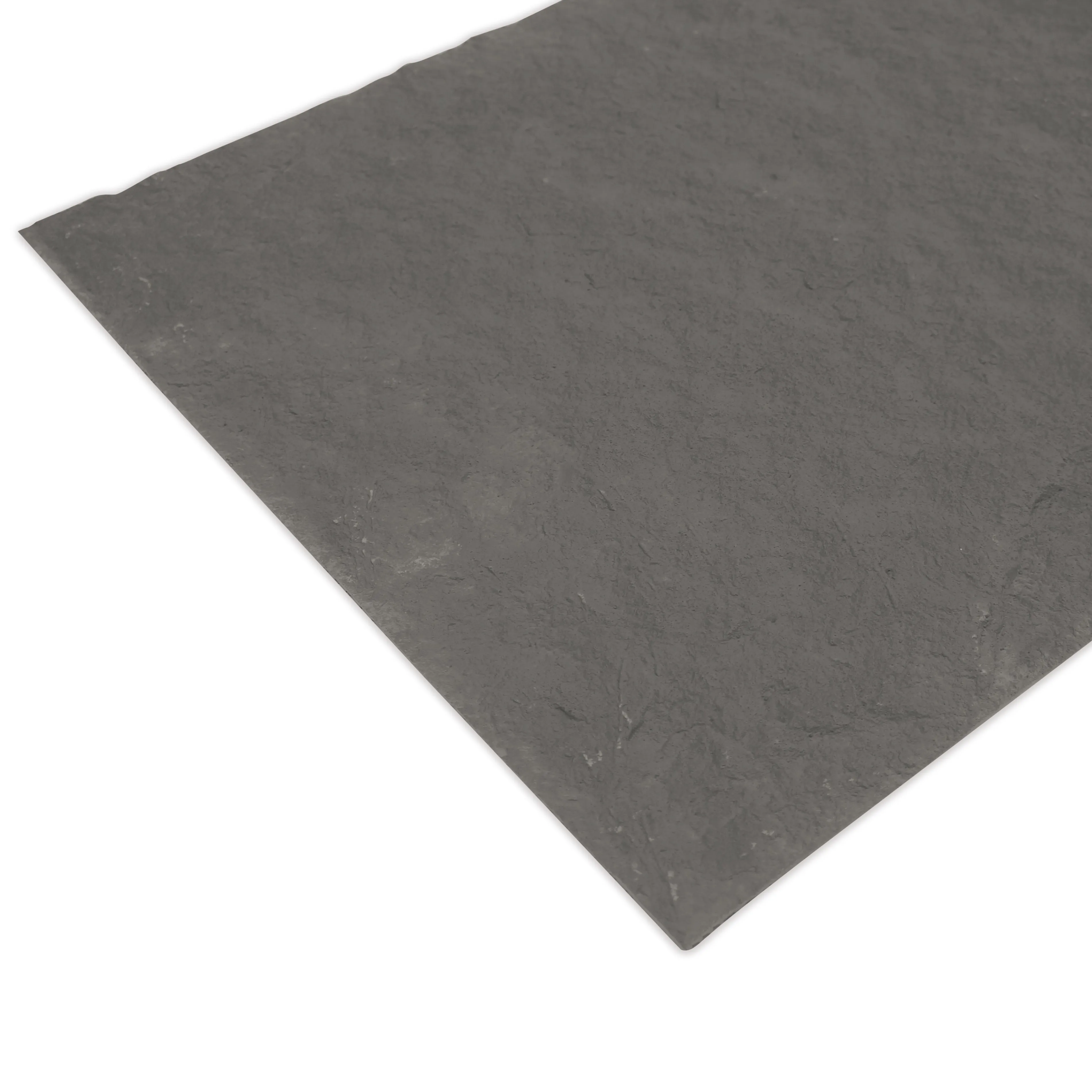
To truly appreciate rough granite stone (medium grey), it helps to see how it stacks up against other popular materials. Let's compare it to two common alternatives: stream limestone (dark grey) (a smoother, more veined stone) and fair-faced concrete (an industrial favorite).
| Feature | Rough Granite Stone (Medium Grey) | Stream Limestone (Dark Grey) | Fair-Faced Concrete |
|---|---|---|---|
| Texture | Coarse, granular, with visible mineral deposits; highly tactile | Smooth with subtle, flowing veining; less tactile, more visual | Matte, uniform; industrial, slightly porous feel |
| Durability | High: Resistant to scratches, heat, and stains; ideal for high-traffic areas | Moderate: Softer than granite; requires sealing to prevent staining | High: Strong and durable, but prone to cracking if not reinforced |
| Color Palette | Medium grey with flecks of white, black, gold, or pink | Deep grey with soft, earthy undertones and subtle veining | Cool grey; can be tinted but lacks natural variation |
| Best For | Kitchen countertops, exterior facades, accent walls, fireplaces | Low-traffic interiors, backsplashes, decorative panels | Industrial-style spaces, floors, large-scale walls |
| Vibe | Earthy, grounded, timeless; blends raw nature with sophistication | Elegant, serene; evokes calm, flowing water | Modern, edgy; minimalist and utilitarian |
As the table shows, rough granite (medium grey) stands out for its tactile texture and versatility, bridging the gap between natural warmth and industrial strength. It's not just a material—it's a middle ground for designers who want the best of both worlds.
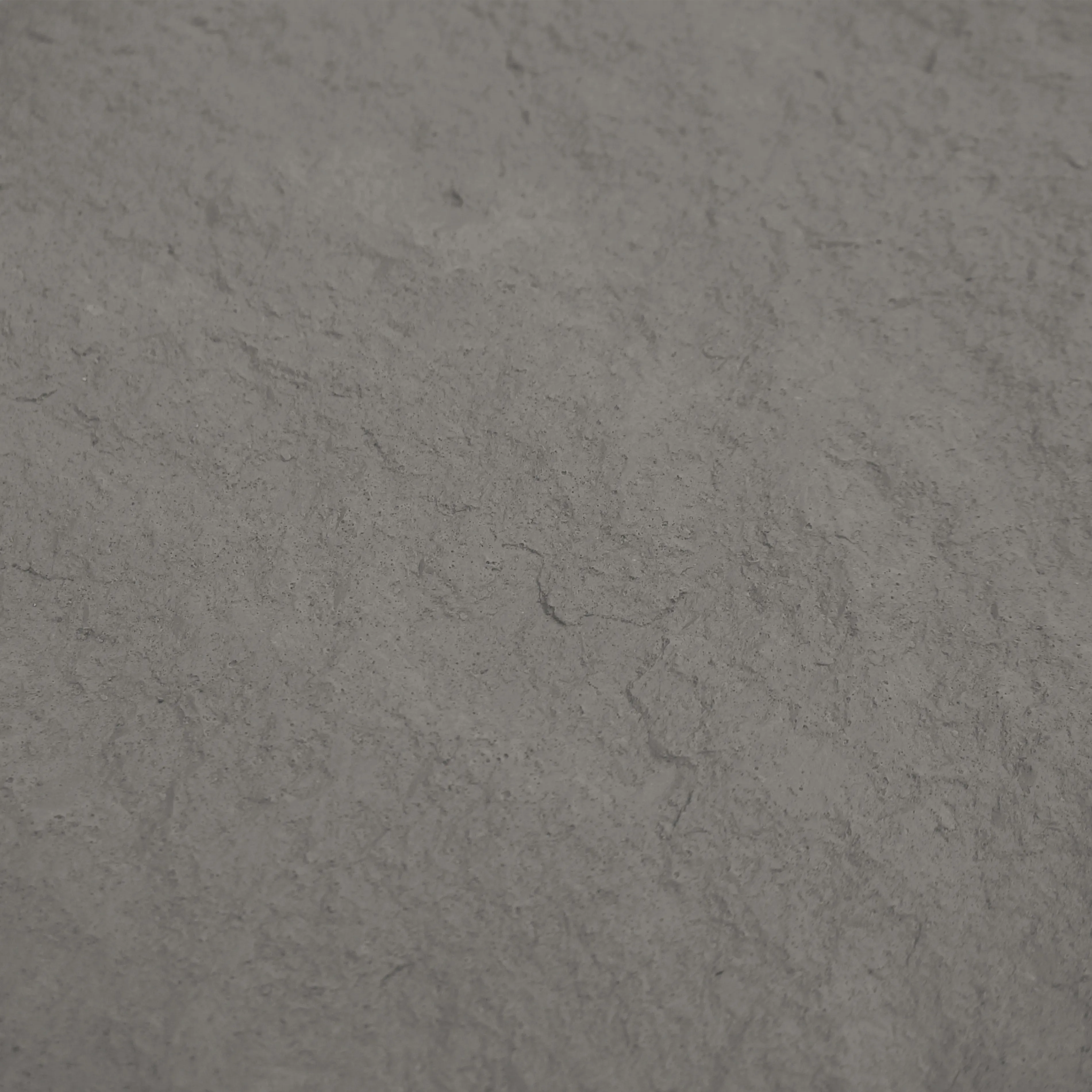
Rough granite stone (medium grey) is surprisingly adaptable, finding its place in a wide range of settings. Here are a few of the most inspiring ways designers are using it:
In a living room or bedroom, a rough granite accent wall becomes the focal point, adding depth and drama without overwhelming the space. Pair it with soft textiles—think linen sofas and wool rugs—and warm lighting to balance its ruggedness. Designer Maria Santos explains, "I used rough granite (medium grey) in a client's home office to create a sense of focus. The stone's texture is calming, almost meditative, which helps with productivity. Plus, it adds a touch of luxury without feeling stuffy."
For commercial buildings or modern homes, rough granite cladding adds curb appeal and longevity. Its resistance to weathering makes it perfect for exteriors, where it can withstand rain, snow, and UV rays without fading. A recent project in downtown Portland used rough granite (medium grey) for the facade of a boutique hotel, pairing it with large windows and metal accents for a look that's both timeless and contemporary. "It's like wearing a well-tailored suit—polished but with a hint of edge," says architect James Lin.
In kitchens, rough granite countertops are a practical yet stylish choice. Their durability means they can handle hot pans, knife cuts, and spills, while their texture adds visual interest. Homeowner Lisa Chen raves, "I was tired of countertops that looked brand-new one day and scratched the next. With rough granite, the 'flaws' are part of the design. A water spot or a small scratch just blends in, making the kitchen feel lived-in and loved." Pairing the countertops with a matching rough granite backsplash creates a cohesive look, tying the space together.
There's something inherently cozy about a fireplace, and rough granite (medium grey) amplifies that warmth. The stone's natural texture complements the flickering flames, creating a focal point that draws people in. Whether in a traditional cabin or a modern loft, a rough granite fireplace surround adds a touch of nature, making the space feel more inviting. Imagine curling up with a book in front of it on a cold winter night—the stone radiating gentle heat, its surface catching the firelight and throwing off subtle sparks of color.
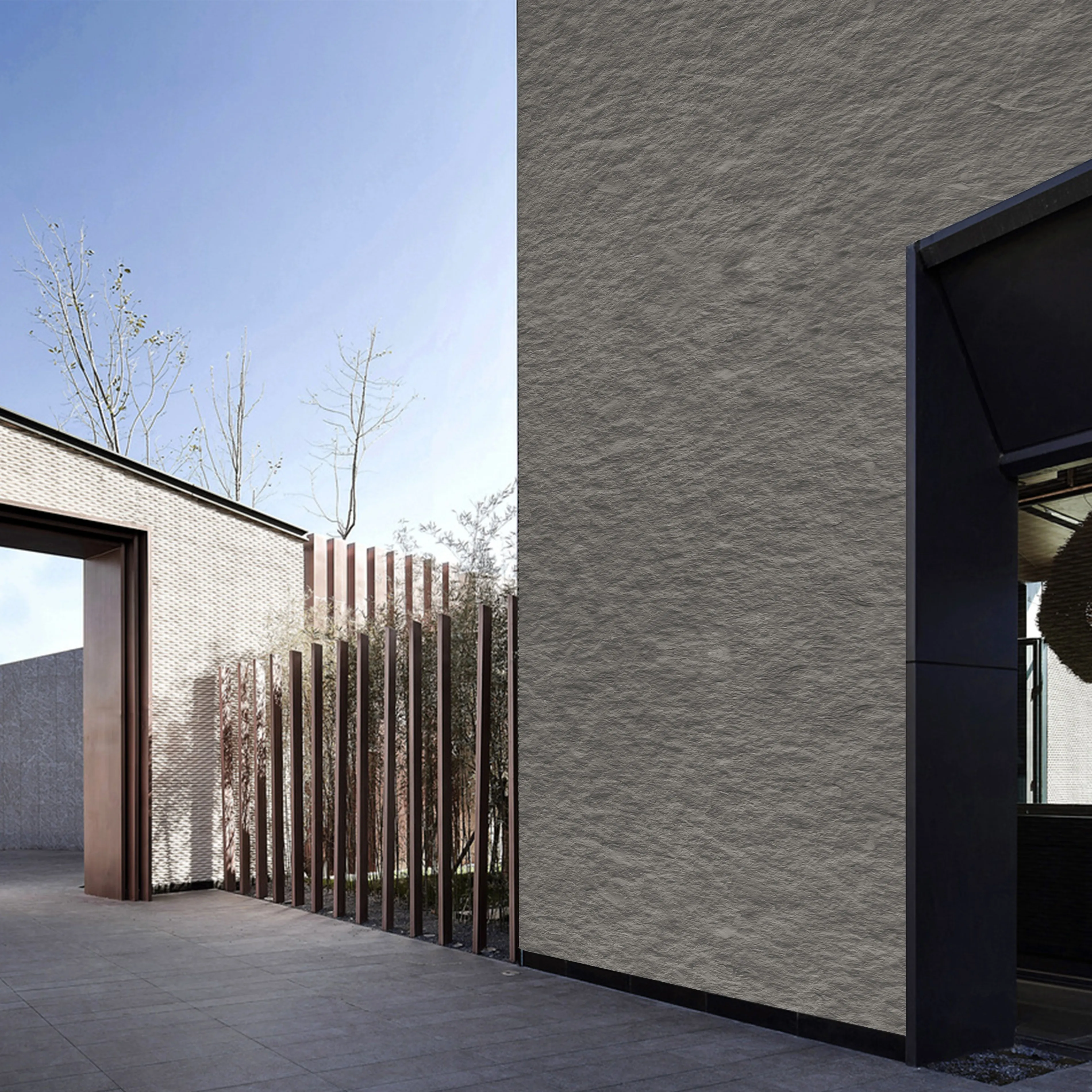
One of the joys of working with rough granite stone (medium grey) is how well it plays with others. Its neutral palette and textural depth make it a versatile partner for a range of materials:
In a design world that often chases trends, rough granite stone (medium grey) is a timeless choice. It's not just about aesthetics—though its beauty is undeniable. It's about authenticity, durability, and the way it connects us to the natural world. When you choose rough granite, you're choosing a material with history: a stone that formed deep within the Earth, shaped by time and pressure, now ready to tell its story in your space.
Whether you're designing a home, a restaurant, or a commercial building, rough granite (medium grey) offers more than just a surface—it offers a feeling. A feeling of strength, of warmth, of rootedness. It's a reminder that sometimes, the most beautiful things in life aren't perfect—they're real .
"Design is about creating spaces that make people feel something. With rough granite stone (medium grey), that feeling is simple: home ." — Sarah Lopez, Interior Designer
Recommend Products












