
Buildings are more than just walls and roofs—they're storytellers. From the cozy corner café on your street to the soaring skyscrapers that pierce city skylines, every structure whispers tales of purpose, personality, and place. And at the heart of these stories? Materials. The right material can turn a plain wall into a canvas, a cold facade into a warm embrace, or a modern structure into a bridge between past and present. In recent years, one material has been making waves in the world of architecture and design for its ability to do just that: MCM. Short for Modified Composite Material, MCM has redefined what's possible in construction, blending durability with flexibility, and practicality with artistry. Among its many iterations, there's one that stands out for its ability to evoke emotion, nostalgia, and raw beauty: Rusty Red MCM.
Picture this: a sunlit afternoon, walking down a tree-lined street. Ahead, a building catches your eye—not for its height, but for its skin. It's a rich, earthy red, not the bright, artificial hue of paint, but a deep, lived-in tone that looks like it's been kissed by time. The texture is subtle, with hints of orange and brown peeking through, like rusted metal that's weathered gracefully over decades. As you get closer, you notice how the light plays on it—warm golds at noon, soft coppers at dusk—and how it seems to breathe, making the building feel less like a structure and more like a living, breathing part of the neighborhood. That, in essence, is the magic of Rusty Red MCM. It's not just a cladding material; it's a mood, a memory, and a statement.
Let's start with the basics: MCM, or Modified Composite Material, is a cutting-edge building material designed to be lightweight, flexible, and incredibly durable. Unlike traditional stone or metal cladding, which can be heavy and rigid, MCM is made by bonding layers of mineral materials (like stone powder or fiberglass) with high-performance resins, creating a sheet that's thin, bendable, and surprisingly strong. Think of it as the "Swiss Army knife" of construction materials—versatile enough to adapt to any design vision, yet tough enough to stand up to the harshest elements.
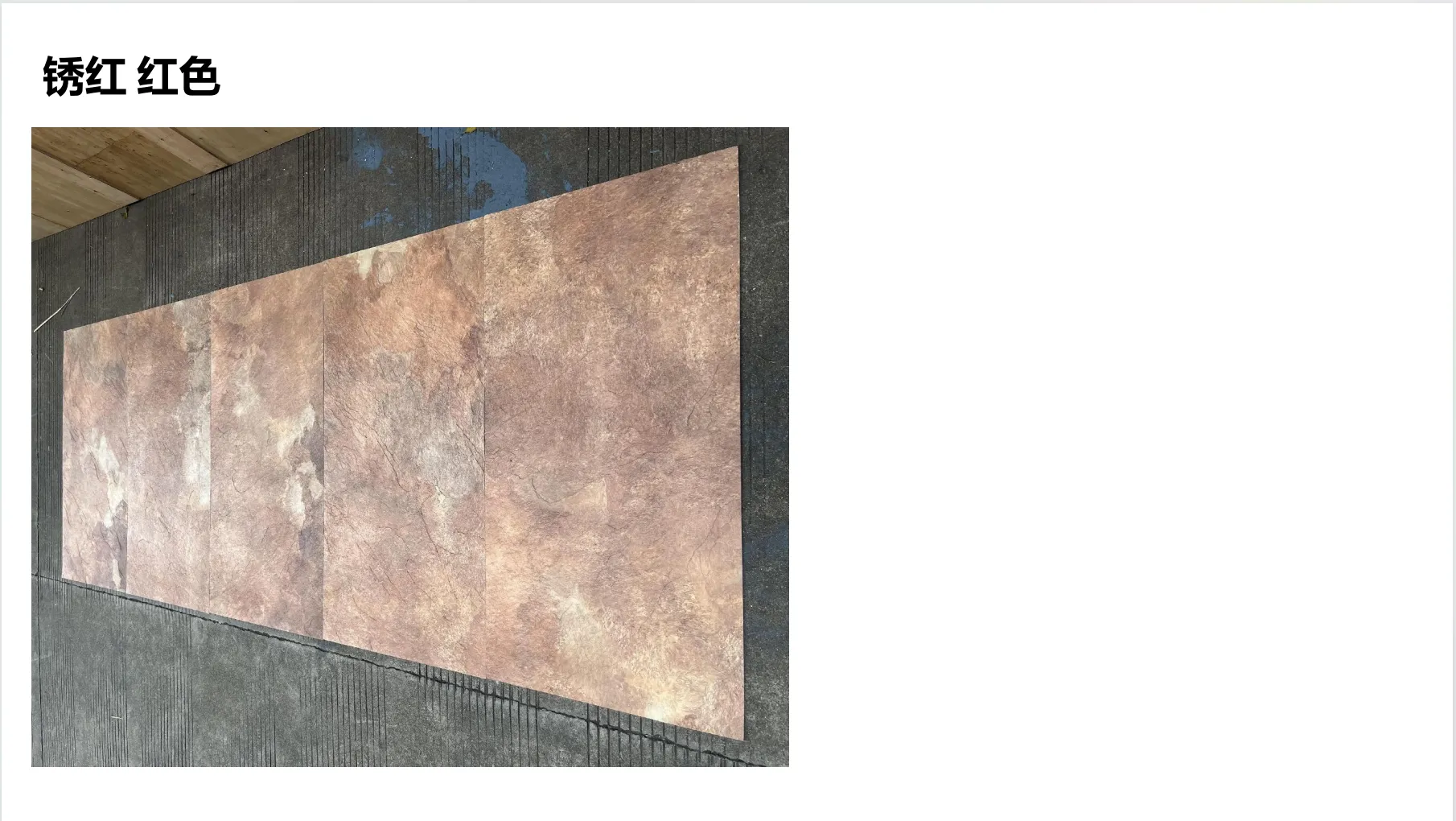
Now, add color and character to that formula, and you get Rusty Red MCM. As the name suggests, its defining feature is its rich, rust-inspired hue—a color that draws from nature's own palette. Think of the patina on an old iron gate, the warm glow of autumn leaves, or the earthy tones of desert landscapes. It's a color that feels both timeless and contemporary, able to blend with modern minimalism or complement rustic, vintage designs. But Rusty Red MCM isn't just about color; it's about texture, too. Run your hand over a panel, and you'll feel a subtle, tactile surface—sometimes smooth with a matte finish, other times slightly grainy, mimicking the look of weathered stone or aged metal. It's this combination of color and texture that makes it so visually striking.
To put it simply: Rusty Red MCM is MCM with a soul. It takes the practical benefits of composite materials—lightweight, easy to install, eco-friendly—and wraps them in a package that tugs at our emotions. It's for designers who want their buildings to do more than function; they want them to connect .
At first glance, you might think Rusty Red MCM is just another pretty face in the world of building materials. But dig deeper, and you'll find it's packed with features that make it a favorite among architects, builders, and designers alike. Let's explore what sets it apart:
One of MCM's biggest claims to fame is its flexibility, and Rusty Red MCM is no exception. Unlike rigid materials like traditional stone or fair-faced concrete , which require flat surfaces and straight lines, Rusty Red MCM can be bent, curved, and shaped to fit almost any design. Want a building with a sweeping, organic facade? No problem. Dreaming of a rounded accent wall in your living room? Consider it done. This flexibility opens up a world of possibilities for architects who want to push the boundaries of conventional design. Imagine a museum with a curved Rusty Red MCM exterior, mimicking the flow of history, or a boutique hotel with wavy cladding that feels like it's dancing in the wind. With Rusty Red MCM, the only limit is your imagination.
Don't let its lightweight feel fool you—Rusty Red MCM is built to last. Thanks to its composite construction, it's resistant to all kinds of wear and tear: UV rays that fade paint? Not a problem. Heavy rain, snow, or humidity that warps wood? Nope. Even scratches and dents are no match for its tough outer layer. This durability makes it perfect for both exterior and interior use. Imagine a beach house on the coast, where saltwater and strong winds would eat away at lesser materials—Rusty Red MCM would stand strong, retaining its color and texture for decades. Or a busy restaurant kitchen, where spills and scrubbing are daily occurrences—its stain-resistant surface would stay looking fresh, meal after meal. In a world where sustainability matters more than ever, choosing a material that doesn't need frequent replacement is a win for both your wallet and the planet.
Traditional cladding materials like stone or brick are heavy—so heavy, in fact, that they require extra structural support to keep them from weighing down a building. Rusty Red MCM, on the other hand, is surprisingly lightweight. A typical panel weighs just a fraction of what stone does, which means less stress on your building's framework and easier, faster installation. Think about it: fewer workers needed, less time on the job site, and lower labor costs. For a commercial project with tight deadlines, that's a game-changer. Even for DIY enthusiasts tackling a home renovation, handling lightweight MCM panels is far less intimidating than wrestling with heavy stone slabs. It's a material that works with you, not against you.
In an era where we're all trying to make greener choices, Rusty Red MCM shines. Many MCM products, including Rusty Red variants, are made using recycled materials—think reclaimed stone powder or recycled resins. Plus, because it's lightweight, transporting it requires less fuel than hauling heavy stone or concrete, cutting down on carbon emissions. And since it's so durable, it doesn't end up in landfills every few years like some less hardy materials. Even better, MCM is often low-VOC (volatile organic compounds), meaning it doesn't release harmful chemicals into the air once installed. So you can feel good about choosing a material that looks great and does good—for your space and for the planet.
While "Rusty Red" is its signature, this MCM variant isn't a one-trick pony. Manufacturers offer a range of shades and textures within the Rusty Red family—from deep, almost burgundy tones to lighter, coppery hues with orange undertones. Some panels have a smooth, uniform finish, perfect for modern spaces, while others feature subtle variations in color and texture, mimicking the look of natural rust square line stone or aged metal. This versatility means it can play well with other materials, too. Pair it with wood grain board for a warm, cabin-like vibe, or contrast it with sleek glass and steel for a bold, industrial look. Whether you're going for rustic charm, urban edge, or timeless elegance, Rusty Red MCM has a version that fits.
To really appreciate Rusty Red MCM, it helps to see how it compares to other popular building materials. Let's take a look at a few common options and how Rusty Red MCM measures up:
| Material | Key Features | Best For | Limitations |
|---|---|---|---|
| Rusty Red MCM | Lightweight, flexible, durable, eco-friendly, rich rusty red color with varied textures. | Exterior cladding, accent walls, historical renovations, commercial and residential spaces. | Slightly higher upfront cost than basic materials like vinyl siding. |
| Fair-Faced Concrete | Raw, industrial look; strong and fire-resistant. | Modern, minimalist buildings; warehouses converted to lofts. | Heavy, rigid, prone to cracking; limited color options (mostly gray). |
| Wood Grain Board | Warm, natural aesthetic; versatile in texture. | Interior walls, ceilings, rustic or Scandinavian designs. | Susceptible to water damage, warping, and termites; requires regular maintenance. |
| Natural Stone (e.g., Marble) | Luxurious, unique veining; high-end look. | High-end interiors, luxury homes, hotel lobbies. | Extremely heavy, expensive, porous (stains easily), requires sealing. |
As you can see, Rusty Red MCM balances practicality and beauty in a way few materials do. It offers the warmth and character of natural materials like wood or stone, with the durability and flexibility of modern composites. It's no wonder architects and designers are falling in love with it.
Rusty Red MCM isn't just versatile in theory—it shines in real-world applications, too. Here are a few ways designers and builders are using it to transform spaces:
One of the most popular uses for Rusty Red MCM is exterior cladding—the "skin" of a building. Imagine driving through a suburban neighborhood, where most houses are painted in neutral beiges and grays. Then, you spot one home with Rusty Red MCM siding. Its warm, earthy tone makes it feel welcoming and unique, like a beacon of personality in a sea of sameness. For commercial buildings, it's even more impactful. A restaurant with a Rusty Red MCM facade instantly feels inviting, like a place where good food and good stories are shared. A boutique hotel with Rusty Red cladding stands out from the chain hotels next door, signaling to guests that this is a place with character. Even industrial spaces, like warehouses or factories, can be transformed with Rusty Red MCM—turning cold, utilitarian structures into works of art that honor their industrial past while embracing modern design.
Who says Rusty Red MCM is only for the outside? Indoors, it makes a bold, beautiful statement. Imagine walking into a modern living room with white walls and sleek furniture. The accent wall, clad in Rusty Red MCM, becomes the focal point—adding depth, warmth, and a touch of rustic charm. In a kitchen, it works as a backsplash, resistant to heat and stains, and adding a pop of color against white cabinets or stainless steel appliances. Even in bathrooms, where moisture is a concern, Rusty Red MCM holds up beautifully, creating a spa-like atmosphere with its earthy tones. For offices, it's a way to break up the monotony of cubicles and white walls—imagine a meeting room with a Rusty Red MCM wall, sparking creativity and making brainstorming sessions feel more lively and less corporate.
One of the most inspiring uses of Rusty Red MCM is in historical renovations. Old buildings—whether they're 19th-century townhomes or mid-century factories—often need updates to meet modern safety and efficiency standards. But replacing original materials with something too modern can strip them of their soul. That's where Rusty Red MCM comes in. Its weathered, timeworn appearance pairs beautifully with historical elements like brick, stone, or historical pathfinders stone . For example, imagine a century-old school being converted into apartments. The original brick exterior is preserved, but the addition of Rusty Red MCM panels on the new wing ties the old and new together, honoring the building's past while ensuring it thrives in the future. It's a way to keep history alive without sacrificing modern comfort or durability.
Rusty Red MCM isn't limited to walls and facades—it's also making its mark in landscape design. Imagine a garden with a Rusty Red MCM retaining wall, its color complementing the greenery and flowers, and its texture adding visual interest. Or a pathway lined with Rusty Red MCM stepping stones, leading visitors through a park or backyard. Even outdoor kitchens and fire pits benefit from its durability and aesthetic—able to withstand rain, snow, and high temperatures while looking great year-round. In landscape design, the goal is often to make man-made structures feel like part of the natural environment, and Rusty Red MCM does just that, with its earthy color and organic texture blending seamlessly with trees, plants, and soil.
At the end of the day, building materials are about more than function—they're about feeling. They shape how we experience a space, how we remember it, and how we connect with it. Rusty Red MCM excels at this because it's not just a collection of composite layers; it's a narrative tool. Its rusty red color evokes nostalgia, warmth, and a sense of timelessness. Its flexibility lets designers tell bold, creative stories through form. Its durability ensures those stories will be told for generations to come.
Whether you're an architect designing a new landmark, a homeowner renovating your dream house, or a business owner wanting to make your space feel like home, Rusty Red MCM offers something special. It's a material that works with you to create spaces that aren't just seen—they're felt. Spaces that make people stop, look, and think, "There's something different about this place."
So the next time you walk past a building with a warm, rusty red facade, take a closer look. Chances are, it's Rusty Red MCM—and it's not just cladding a wall. It's telling a story. And isn't that what great architecture is all about?
Recommend Products












