
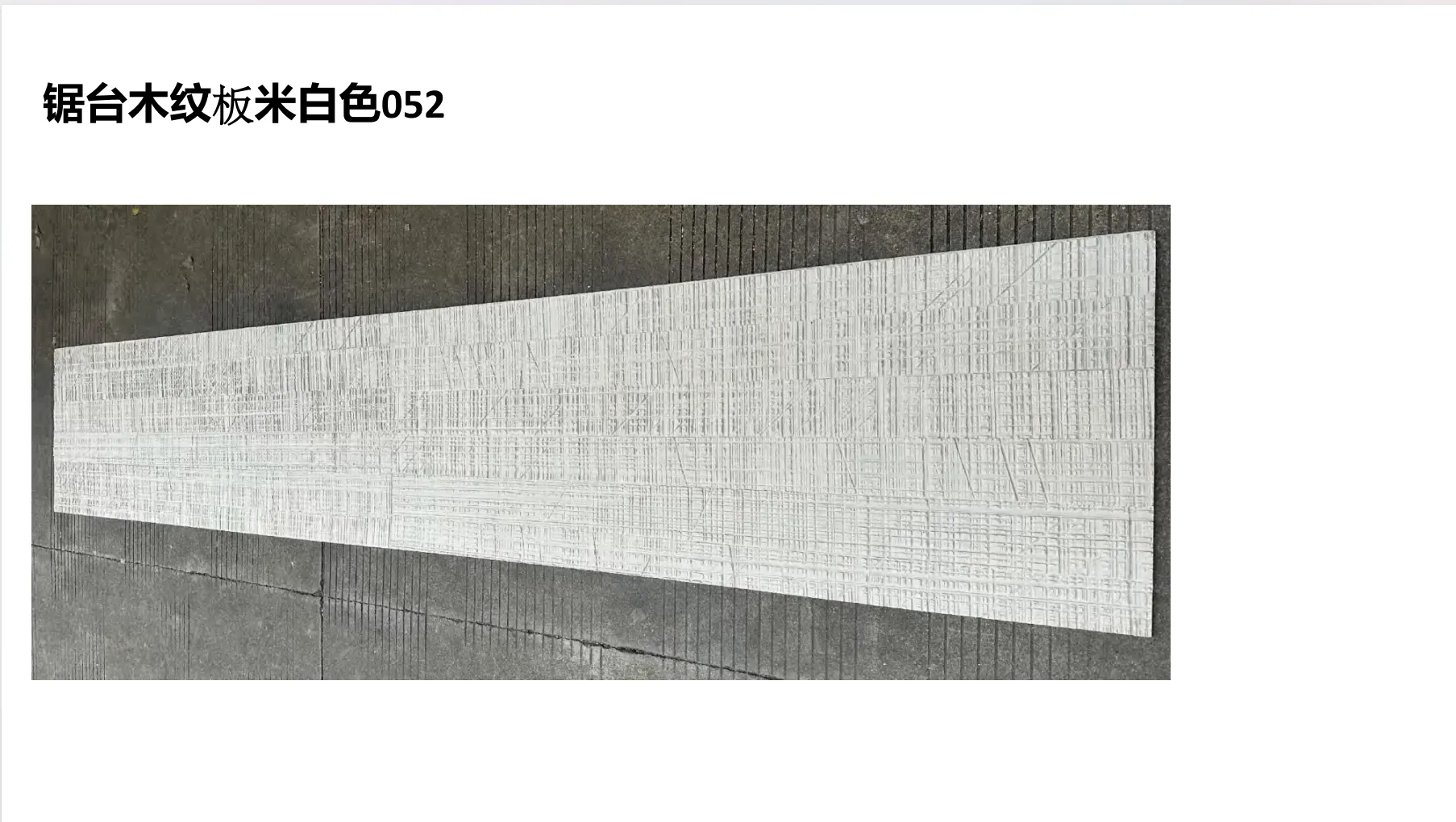
Walk into any well-designed space—whether it's a cozy café with exposed wooden beams, a modern home with sleek wall panels, or a boutique hotel with textured ceilings—and you'll notice something fundamental: the building materials shape the mood. Wood, in particular, has a timeless way of adding warmth, character, and a touch of nature to interiors. But traditional solid wood comes with trade-offs: it warps, scratches easily, and often requires high maintenance. Enter sawing wood board —a modern innovation that marries the beauty of wood with the durability of engineered materials. Let's dive into what makes this material a game-changer in construction and design.
At its core, sawing wood board is a modified composite material panel —a blend of natural wood fibers and synthetic binders designed to mimic the look and feel of real wood while addressing its weaknesses. The "sawing" in its name refers to the manufacturing process: thin layers of wood are precision-sawn, then pressed together with eco-friendly adhesives and reinforcing agents (like fiberglass or resin) to create a dense, stable board. This technique ensures the material retains wood's organic texture—think visible grain patterns, subtle knots, and soft color variations—while gaining strength and flexibility.
Unlike cheap particleboards or MDF (medium-density fiberboard), which often feel artificial, sawing wood board prioritizes authenticity. Manufacturers source wood from sustainable forests (many are FSC-certified) and use advanced milling to preserve the natural character of the timber. The result? A panel that looks and feels like it was hewn from a single tree, but performs like a high-tech building material.
What makes sawing wood board a favorite among architects and designers? Let's break down its standout features:
| Material | Texture | Durability | Best For |
|---|---|---|---|
| Sawing Wood Board | Organic, saw-marked grain with natural knots | Resists warping, moisture, and scratches | Accent walls, ceilings, furniture fronts |
| Wood Grain Board | Printed wood-look pattern (smooth surface) | Less durable; prone to chipping | Budget-friendly cabinetry, low-traffic areas |
| Bamboo Mat Board | Mat-like weave with visible bamboo strips | Highly durable but rigid (hard to bend) | Flooring, outdoor decking, backsplashes |
*Comparison based on standard product specifications; results may vary by brand.
Sawing wood board isn't a one-trick pony. Its versatility makes it suitable for both interior and (some) exterior applications. Here are the most common ways designers and builders are using it:
One of the most popular uses is as wall cladding. Imagine a living room where one wall is covered in warm, honey-toned sawing wood board, paired with polished concrete floors and neutral furniture—the contrast between the organic wood and sleek concrete creates a balanced, modern vibe. In bedrooms, lighter shades (like natural oak or ash) add a calming, cabin-like feel, while darker stains (walnut or ebony) work in moody home offices or media rooms.
Restaurants and hotels love it too. A coastal bistro might use weathered-gray sawing wood board to evoke a beachside cottage, while a minimalist sushi bar could pair it with bali stone accents for an earthy, zen aesthetic. The material's acoustic properties also help dampen noise, making it ideal for busy spaces.
Ceilings are often an afterthought, but sawing wood board turns them into focal points. Installed in long, horizontal planks, it can make a room feel taller; arranged in a herringbone pattern, it adds visual interest. In commercial spaces like airports or shopping malls, suspended sawing wood board canopies soften harsh overhead lighting and guide foot traffic. For a cozy touch, pair it with recessed LED strips— the light filters through the wood grain, casting warm, dappled shadows.
From kitchen cabinets to bookshelves, sawing wood board brings warmth to functional pieces. Unlike solid wood, it won't expand and contract with temperature changes, so cabinet doors stay aligned, and shelves don't sag under heavy loads. A home bar with sawing wood board fronts and rustic square line stone countertops becomes a statement piece, blending industrial edge with natural charm. Even small accents—like drawer fronts or table legs—benefit from its texture, turning ordinary furniture into something special.
While not all sawing wood boards are rated for full outdoor exposure, some brands offer weather-treated versions suitable for covered patios, porch ceilings, or exterior accent walls. These boards are coated with UV-resistant sealants to prevent fading and water-repellent layers to withstand rain. Pair them with gobi panels (a type of textured stone composite) for an outdoor space that feels like an extension of the interior.
In an era where "green building" is more than a trend, sawing wood board checks key boxes. Many manufacturers use recycled wood fibers from sawmills (scraps that would otherwise go to landfills) and bind them with formaldehyde-free adhesives. Some even source wood from reclaimed barns or urban trees that have been removed for safety reasons, giving new life to old timber.
The material's longevity also reduces waste. A sawing wood board wall panel can last 20+ years with minimal upkeep, compared to paint or wallpaper, which might need replacing every 5–7 years. And when it does reach the end of its life, many boards are recyclable or biodegradable, depending on the binder used.
No two spaces are the same, and sawing wood board adapts accordingly. It comes in a range of finishes: natural (clear sealant to highlight the wood's color), stained (honey, espresso, whitewash), or even painted (though most designers prefer to let the grain show). Sizes vary too—from thin 1/4-inch panels for accent walls to thick 2-inch boards for countertops. Some brands even offer custom cuts, so you can get panels curved to match a specific archway or angled to fit a sloped ceiling.
One of the biggest perks of sawing wood board? It's low-maintenance. Unlike solid wood, which needs regular oiling or polishing, a quick wipe with a damp cloth (and mild soap, if needed) is usually enough. Avoid harsh chemicals or abrasive sponges, which can dull the finish, and if the board is in a humid area (like a bathroom), ensure proper ventilation to prevent mold (though the material itself is moisture-resistant). For floors or high-traffic surfaces, a yearly application of wood conditioner will keep the texture looking fresh.
Sawing wood board isn't just for designers—it's for anyone who wants the look of wood without the hassle. Renters might use peel-and-stick versions (yes, they exist!) to add temporary texture to walls. DIY enthusiasts love its lightweight nature; even beginners can install it with basic tools. Homeowners building or renovating will appreciate its durability, and business owners will value its ability to elevate a space on a mid-range budget (it's pricier than MDF but far cheaper than solid hardwood).
Sawing wood board is more than a building material—it's a bridge between the past and the future. It honors wood's timeless appeal while embracing modern engineering, proving that you don't have to sacrifice beauty for durability. Whether you're revamping a single wall or designing an entire home, this material invites you to create spaces that feel both grounded and fresh—spaces that tell a story, one saw-marked grain at a time.
In a world of generic, mass-produced materials, sawing wood board stands out as a choice with heart. It's not just about building walls; it's about building warmth, character, and connection. And in the end, isn't that what great design is all about?
Recommend Products












