

Black star gravel is a decorative crushed basalt gravel known for its clean, contemporary look. In its dry state the stone appears medium gray with a subtle sparkle, and it turns a rich, deep black when wet. It is typically sold in 3/8-inch or 5/8-inch angular sizes, which compact well and resist shifting underfoot.
Because of its appearance and durability, black star gravel is used for walkways and garden paths, patios and seating areas, driveways and parking areas, rock gardens, landscape edging, and drainage pathways. It is also a popular ground cover around plants and trees where a permanent, low-maintenance finish is desired.
When bought in bulk, black star gravel is priced by the cubic yard. Across the United States, bulk black star gravel typically ranges from about $100 to $220 per cubic yard, depending on the stone size, your region, and the supplier. A 5/8-inch grade can be found for around $99 per yard from some Texas suppliers, while a premium 3/8-inch grade may run closer to $220 per yard.
To put that in practical terms, one cubic yard of black star gravel weighs about 2,000 pounds and covers roughly 80 to 100 square feet at a 2-inch depth. Buying in bulk by the yard is significantly cheaper per square foot than purchasing bagged gravel, which is why most landscapers and contractors order by the yard.
Wood mulch is one of the most affordable landscape materials. Bulk shredded hardwood mulch typically costs $25 to $45 per cubic yard, while dyed or colored mulch runs $35 to $55 per yard. Premium options such as cedar or cypress can reach $60 to $90 or more per cubic yard. Bagged mulch is more expensive per yard than bulk, but it is convenient for small projects.
On the surface, mulch looks like the clear winner. The upfront cost of black star gravel is roughly three to five times higher per square foot than mulch. However, the comparison does not end at the purchase price.
Mulch is an organic material that breaks down over time. It needs to be topped up or fully replaced every 12 to 18 months, which means recurring material and labor costs year after year. Over a ten-year period, the cost of buying and spreading mulch several times can easily exceed the one-time cost of installing gravel.
Black star gravel, by contrast, is essentially permanent. It does not decompose, does not wash away easily, and requires little more than an occasional rinse or rake to keep it looking fresh. Stone and gravel ground covers routinely last 10 years or more, and many installations remain in place for decades.
When you add up the total cost over a decade, gravel usually wins. The higher upfront investment is offset by the fact that you buy it once, while mulch must be replaced again and again.
Choose black star gravel if you want a permanent, low-maintenance surface. It is ideal for walkways, patios, driveways, rock gardens, and areas around buildings where you want to avoid frequent upkeep. It also works well in xeriscaping and drought-prone regions because it holds no water and needs no replacement.
Choose mulch if you are planting beds with annuals or perennials that benefit from organic matter, if you want to improve the soil as the material breaks down, or if you have a tight upfront budget and plan to refresh the beds regularly.
For many homeowners, a combination works best: gravel for permanent paths and borders, and mulch for planting beds that need soil enrichment.
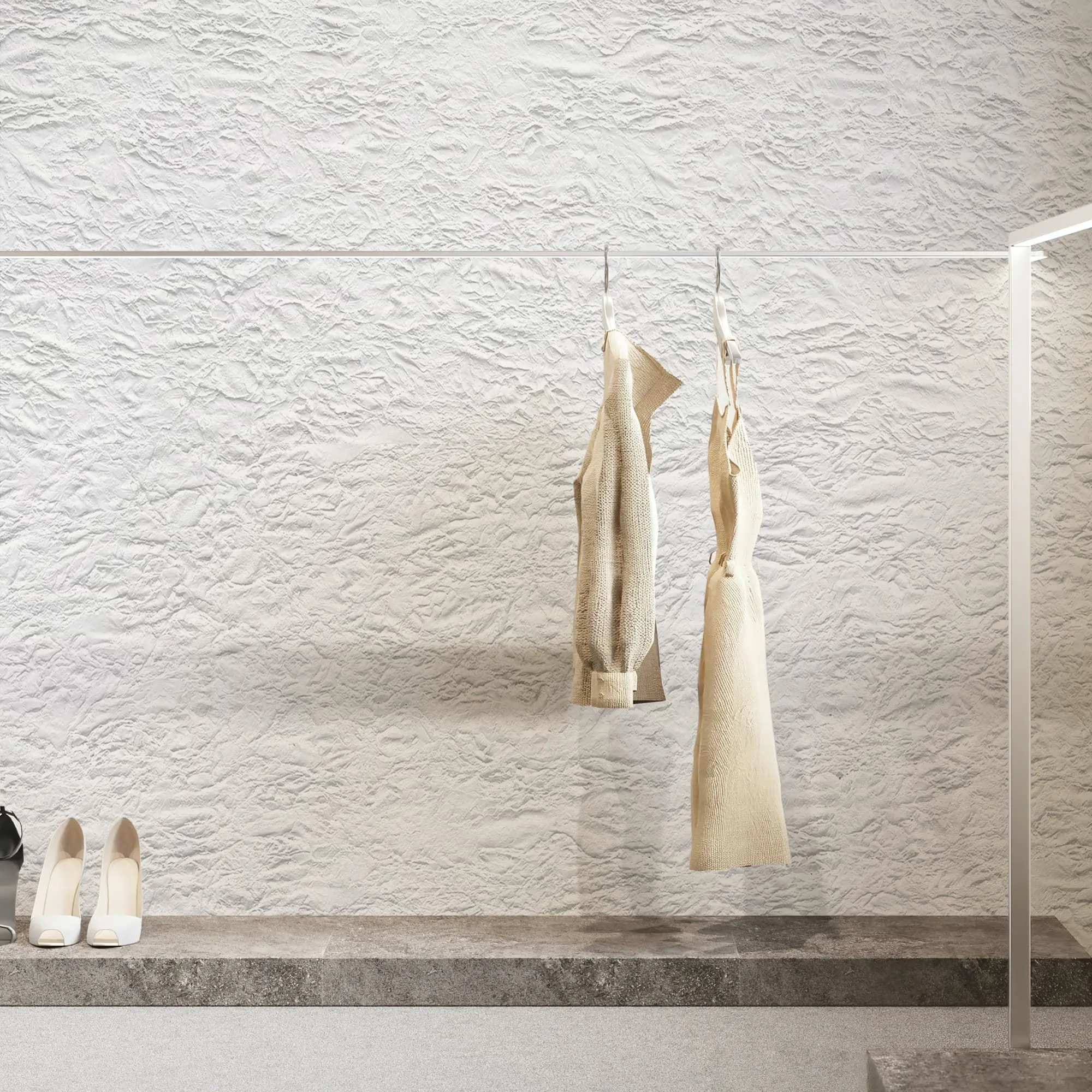
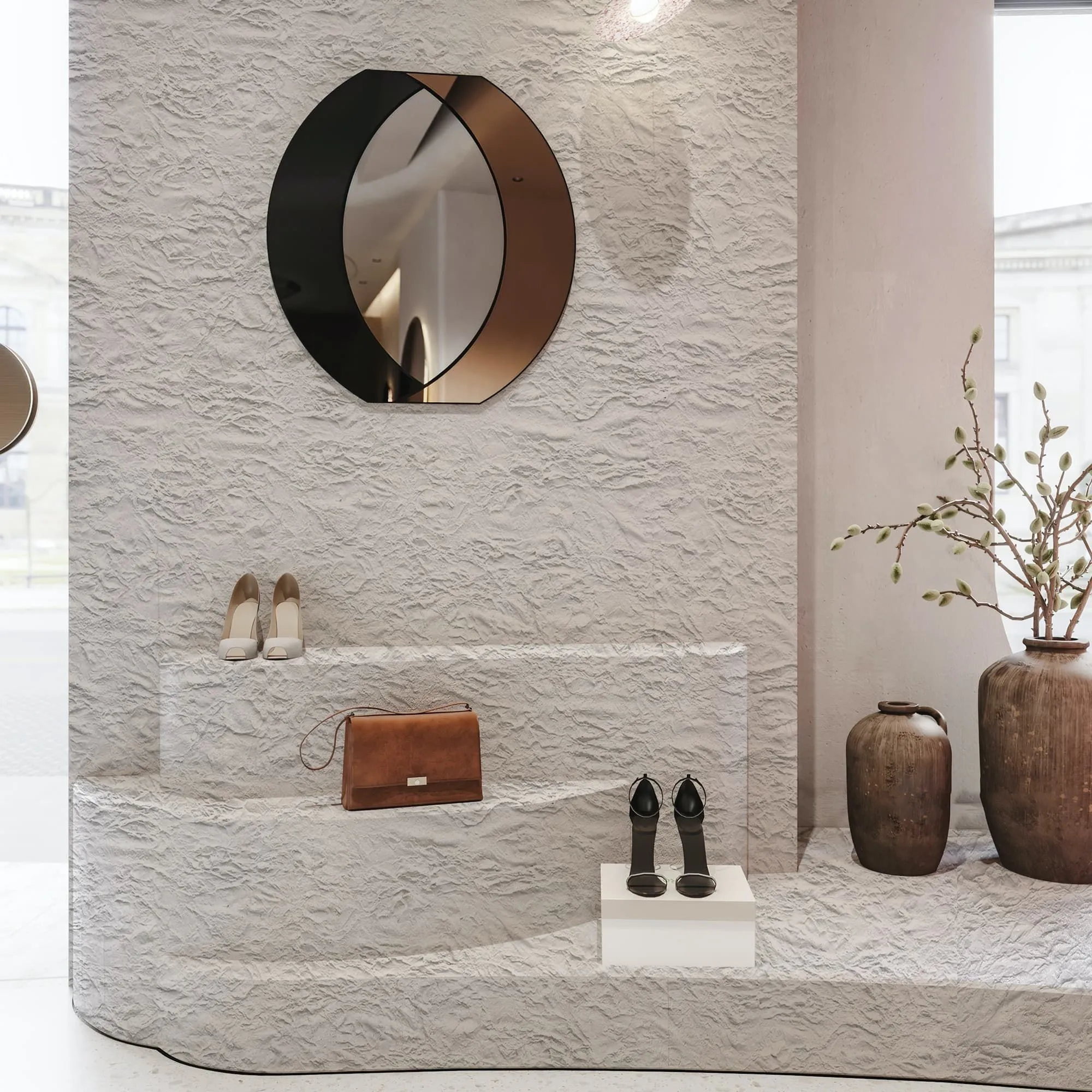
If you love the look of natural stone and gravel but want something lighter, easier to install, and more versatile, consider modern flexible stone materials. MCM (modified clay material) flexible stone panels give walls and vertical surfaces the texture and color of natural stone, travertine, or gravel without the weight and cost of traditional stone veneer.
Manufacturers such as Coloria Group produce a wide range of flexible stone products, including flexible stone cladding panels and gravel-inspired textures, that can be used for interior feature walls, exterior facades, and commercial projects. These panels are lightweight, flexible, and quick to install, making them a practical alternative to heavy natural stone for both residential and commercial buildings.
The black star gravel cost per yard is higher than mulch upfront, typically $100 to $220 per cubic yard compared with $25 to $55 for bulk mulch. But because gravel lasts for decades while mulch needs replacing every year or two, gravel is often the more economical choice over the long run. Weigh your upfront budget, your maintenance preferences, and the look you want, and you will make the right call for your landscape.
Recommend Products











