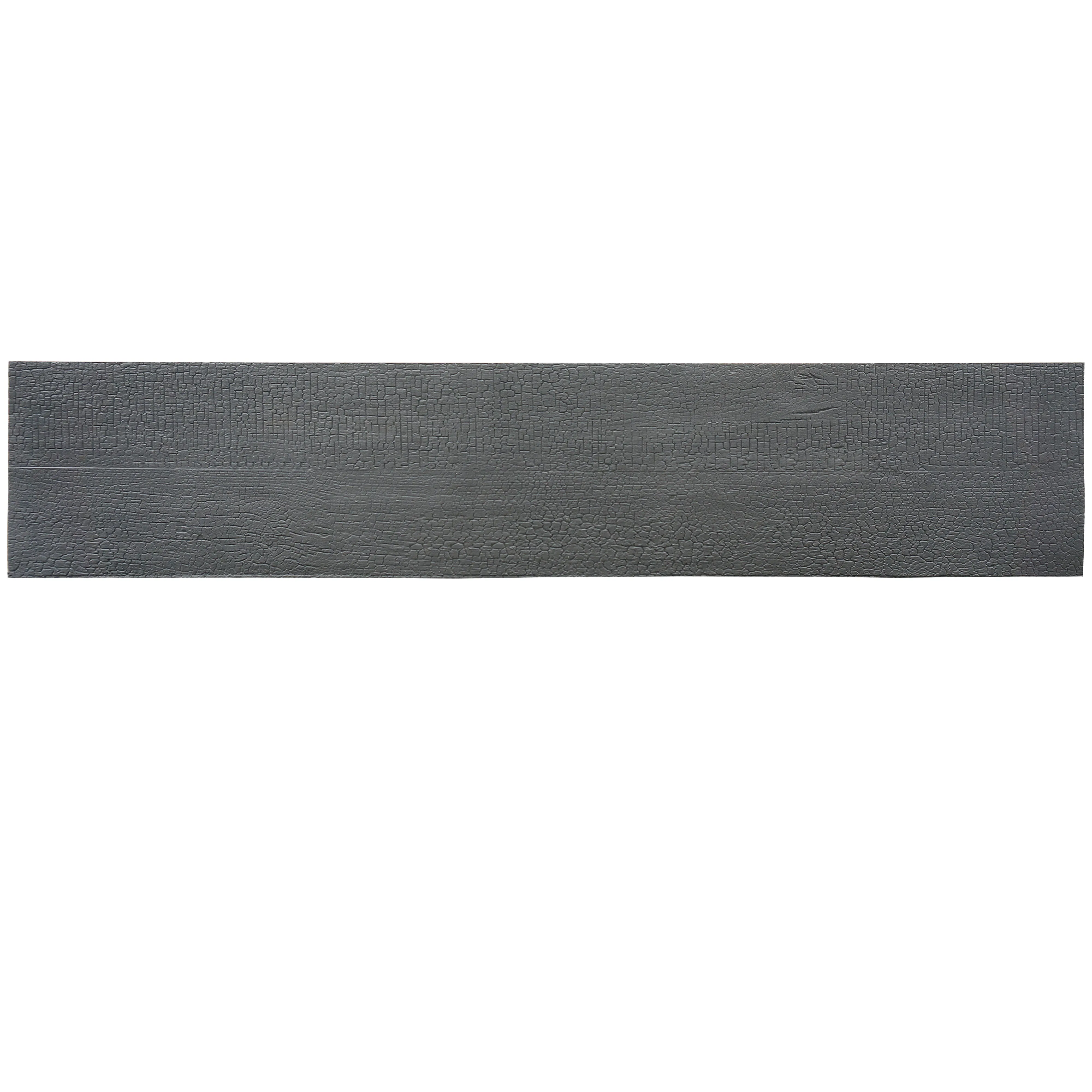
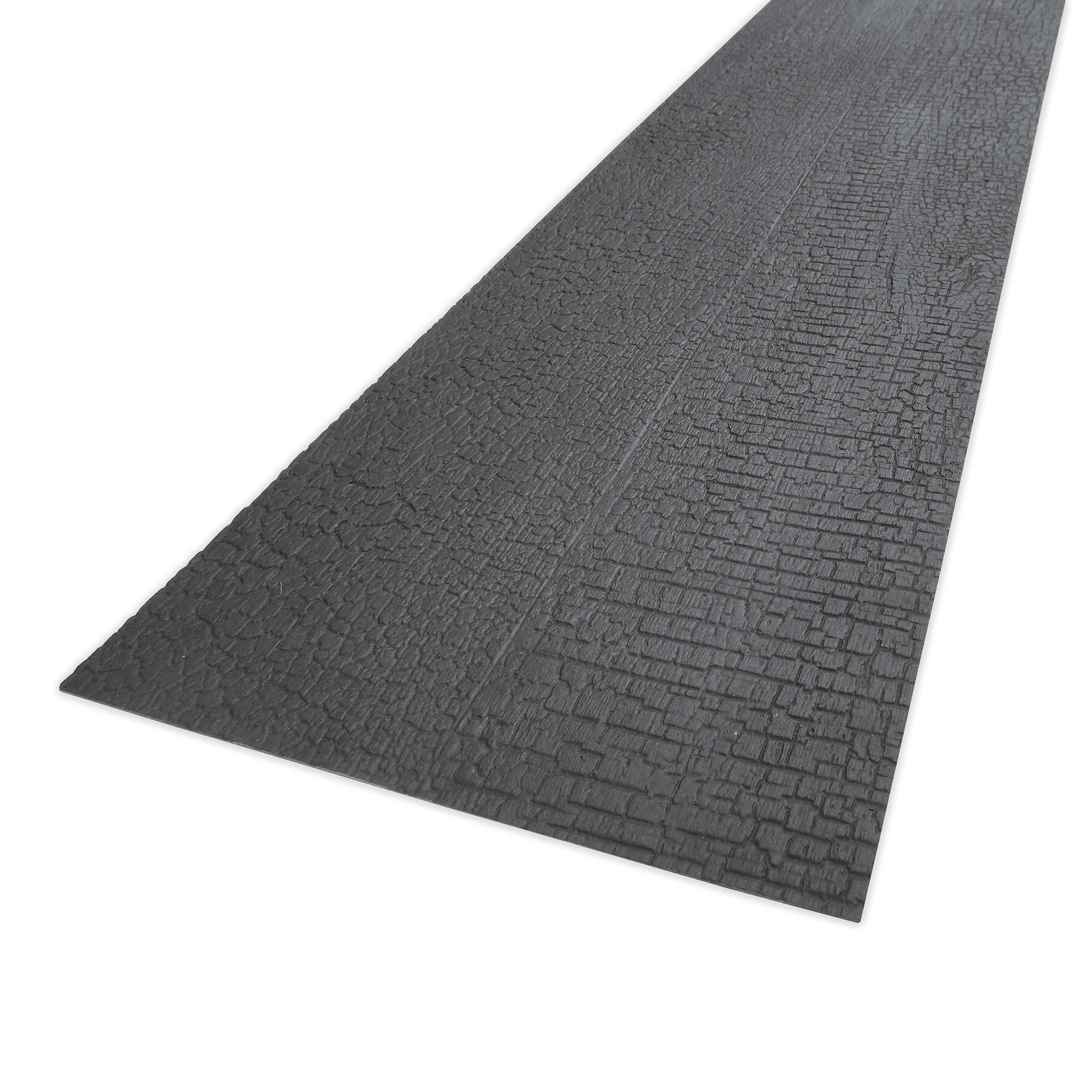
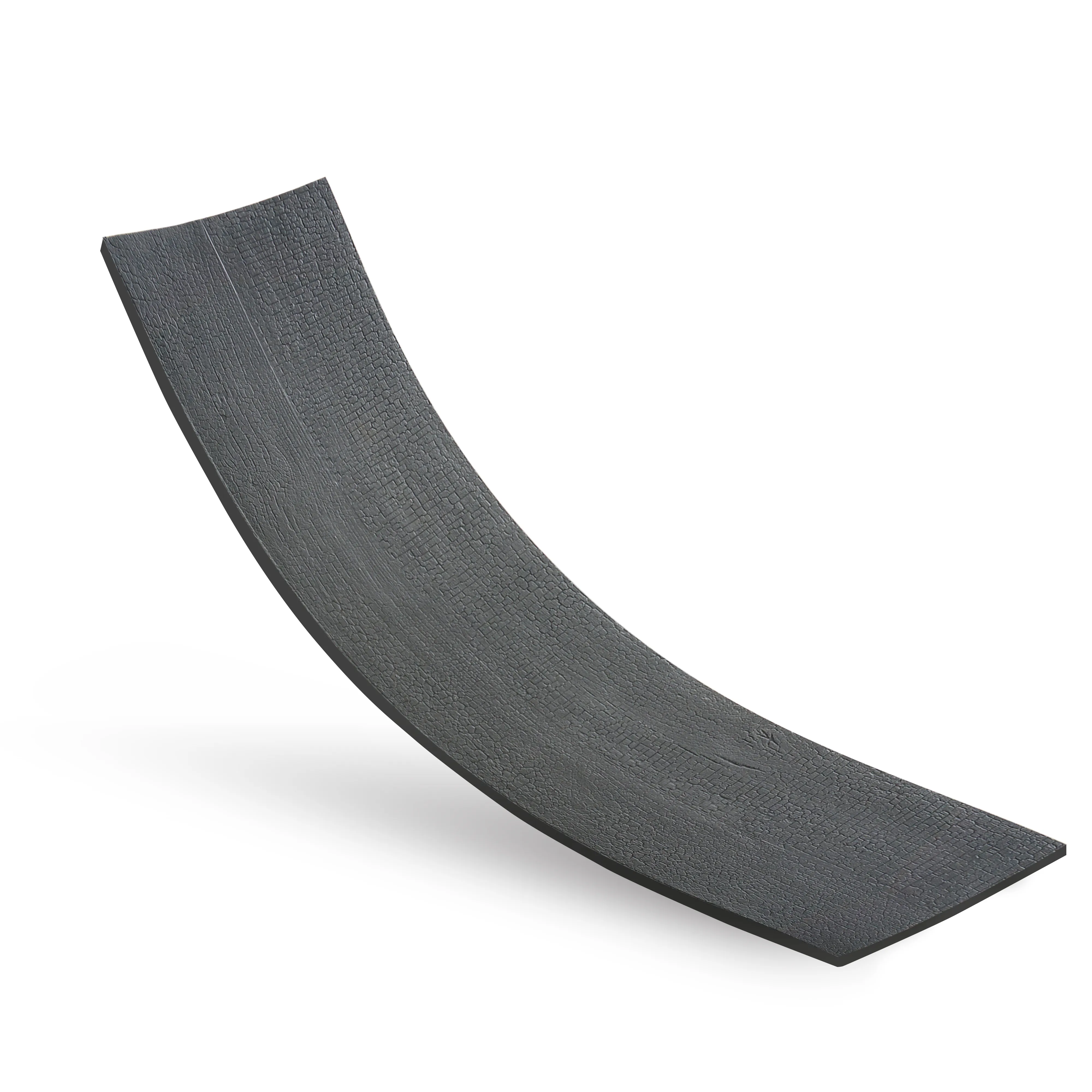
Here's the thing about pricing charcoal burnt wood board: there's no single "set price." It varies, and a lot of that comes down to the details. Let's walk through the key factors that'll affect how much you pay.
1. Wood Type: Not All Trees Are Created Equal
The type of wood used makes a big difference. Softwoods like pine or fir are more affordable because they're abundant and easier to source. You might pay less for a pine-based charcoal burnt board, but keep in mind: softwoods are softer (duh), so they might scratch more easily. On the flip side, hardwoods like oak, cedar, or teak are denser, more durable, and have a richer natural grain. They also cost more—sometimes double the price of softwoods. For example, a cedar board might run you $25–$35 per square foot, while pine could be $15–$20. If you're using it for high-traffic areas (like a restaurant wall), splurging on hardwood might save you money long-term on replacements.
2. Thickness and Size: Bigger (or Thicker) = Pricier
Think about it: a thin, small panel (say, 1/4-inch thick and 2x4 feet) uses less material than a thick slab (1-inch thick and 4x8 feet). Thicker boards are sturdier, making them great for structural projects (like countertops or shelving), but they'll cost more. Similarly, custom sizes—like extra-long planks for a feature wall—often come with a premium because they require special cutting and handling. Standard sizes (like 4x8-foot sheets) are usually cheaper since suppliers can produce them in bulk.
3. Finish and Treatment: Raw vs. Sealed
Most charcoal burnt wood boards come "raw"—just the charred surface, no extra coatings. But if you want added protection (like against moisture or UV rays), you might opt for a sealant, stain, or clear coat. Some suppliers even offer pre-finished boards with a matte or glossy topcoat. These treatments add labor and materials to the process, so expect to pay $3–$8 more per square foot for a finished board versus an unfinished one. Pro tip: If you're handy, you could buy raw boards and seal them yourself to save a few bucks.
4. Supplier and Sourcing: Local vs. Imported
Where the wood comes from matters, too. Local suppliers often have lower prices because they don't have to factor in shipping costs from across the country (or the globe). Imported options—like Japanese cedar or European oak—might have that "authentic" appeal, but you'll pay more for transportation, tariffs, and middlemen. For example, a locally sourced pine board from a regional mill could be $15/sq ft, while an imported Japanese cypress board might hit $40/sq ft. Always check with local lumberyards first—you might be surprised by the quality (and savings) right in your backyard.
5. Quantity: Buy in Bulk, Save More
It's the golden rule of shopping: the more you buy, the more you save. Most suppliers offer bulk discounts if you order large quantities (think: 50+ square feet). A single 4x8-foot panel might cost $120 (about $3.75/sq ft), but ordering 10 panels could drop the price to $100 each (around $3.13/sq ft). If you're tackling a big project (like an entire accent wall), plan ahead and order all your boards at once to lock in that discount.
6. Installation: DIY vs. Hiring a Pro
Installation costs aren't always included in the board price, but they're a big part of your total budget. If you're comfortable with tools and have experience with woodworking, DIY installation can save you $5–$15 per square foot (the average cost of hiring a professional). But be warned: charcoal burnt wood is brittle in spots, and improper cutting or mounting can crack the charred layer. If you're unsure, it's worth paying for a pro—especially for tricky areas like curved walls or high ceilings.