
Walk into any home improvement store or flip through an interior design magazine, and you'll likely be overwhelmed by the array of natural stone options. Two that often get confused? Dolomitic travertine and marble. At first glance, they might seem like distant cousins—both elegant, earthy, and perfect for adding warmth to a space. But dig a little deeper, and you'll find they're more like siblings with distinct personalities: one thrives in rustic, high-traffic settings, while the other shines in polished, luxurious environments. Let's break down their differences, starting from the ground up—literally, from how they form deep within the earth to how they perform in your everyday life.
Let's start with dolomitic travertine—a name that might sound like a mouthful, but it's actually a story of nature's patience and chemistry. Travertine itself is a type of limestone, but "dolomitic" travertine has a twist: it's rich in dolomite, a mineral formed when magnesium sneaks into the mix of calcium carbonate. Think of it as limestone with a magnesium boost, giving it unique traits that set it apart from regular travertine.
Dolomitic travertine is a product of Earth's hot springs and geysers. Picture a bubbling hot spring in places like Yellowstone or Pamukkale, Turkey—water heated deep underground picks up dissolved calcium and magnesium as it flows through rocks. When this mineral-rich water reaches the surface, it cools, and the minerals precipitate out, layer by layer, like icing on a cake. Over centuries, these layers build up into the porous, banded stone we call travertine. The "dolomitic" part comes in when magnesium levels are high enough to form dolomite crystals alongside calcite, the main mineral in regular travertine.
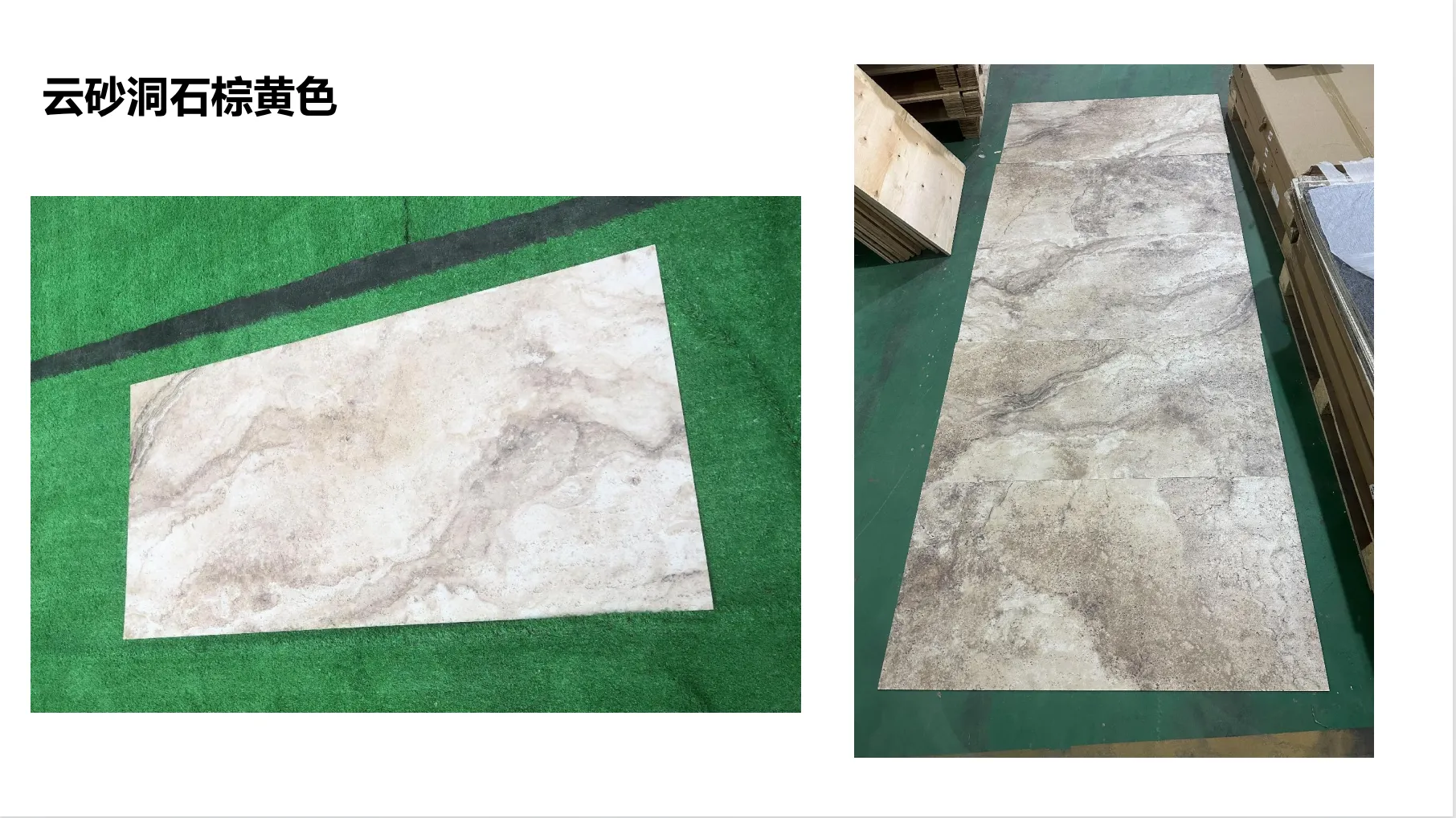
This formation process leaves dolomitic travertine with a signature texture: tiny holes and channels, like the pores of a sponge, where gas bubbles once escaped. These pores give it a rustic, organic look—think of a sun-baked desert stone, weathered but full of character. And because it forms in layers, it often has subtle banding or veining, ranging from soft pastels to deeper earth tones.
Dolomitic travertine isn't a one-note stone. Its color depends on the minerals and impurities in the water where it formed. For example, dolomitic travertine(dark grey) gets its moody hue from iron or organic matter, making it a favorite for modern, industrial spaces. Dolomitic travertine(claybank) , on the other hand, has warm, terracotta-like tones—perfect for adding a cozy, southwestern vibe to a living room. And let's not forget travertine (beige) , the classic neutral that feels like a hug for your floors or walls, blending seamlessly with both bold and muted decor.
If dolomitic travertine is the laid-back, outdoorsy type, marble is the polished aristocrat of the stone world. But don't let its elegance fool you—marble has a wild origin story, born from heat, pressure, and millions of years of transformation.
Marble starts life as limestone, a sedimentary rock made mostly of calcite (calcium carbonate), formed from the remains of marine organisms like coral and shells. But when limestone gets buried deep underground—think miles beneath the Earth's surface—it's subjected to intense heat (over 300°F) and pressure. This "metamorphism" (a fancy word for transformation) recrystallizes the calcite grains, making them larger and more tightly packed. The result? A stone with a smooth, crystalline structure that polishes to a high shine, with swirling veins of minerals like quartz, mica, or iron oxides that look like works of art.
Unlike travertine, marble has no pores—those tight crystals leave little room for gaps. That's why it feels dense and cool to the touch, like a smooth river stone polished by time. Its formation process also means it's found in areas with ancient mountain ranges, where tectonic activity once pushed limestone deep underground—places like Italy, Greece, or India, where marble has been quarried for millennia (think the Taj Mahal or Michelangelo's David).
Marble's color palette is as diverse as the minerals that sneak into its veins. Marble veil white is the epitome of timeless elegance—bright, clean, with delicate, wispy veining that looks like clouds drifting across a winter sky. Marble stream stone , on the other hand, has bold, flowing patterns that mimic a mountain stream, with swirls of grey, black, or gold that add movement to a space. From soft pinks to deep blacks, marble's colors are often more vibrant and varied than travertine's, thanks to those mineral impurities.
Now that we know where they come from, let's compare dolomitic travertine and marble head-to-head. This table breaks down their most important traits—from what they're made of to how they hold up in your home:
| Aspect | Dolomitic Travertine | Marble |
|---|---|---|
| Mineral Composition | Calcite + dolomite (calcium magnesium carbonate); often has small amounts of clay or silt. | Almost pure calcite (calcium carbonate); veins may include quartz, mica, or iron oxides. |
| Formation | Deposited by mineral-rich hot springs/geysers (sedimentary). | Formed from limestone under heat and pressure (metamorphic). |
| Hardness (Mohs Scale) | 3–4 (softer; can scratch with a coin or key). | 3–5 (slightly harder than travertine, but still prone to scratches). |
| Porosity | Highly porous (visible holes and channels); absorbs liquids easily. | Low porosity (tight crystals); less absorbent but still stains if not sealed. |
| Color Range | Earthy tones: dolomitic travertine(dark grey) , dolomitic travertine(claybank) , travertine (beige) , soft browns, and occasional reds/oranges from iron. | Wide range: marble veil white , marble stream stone (greys/blacks), pinks, greens, and golds; bold veining is common. |
| Durability | Good for low-to-moderate traffic; prone to etching from acids (like citrus, vinegar). | Better for low traffic; scratches and etches easily from acidic substances. |
| Maintenance | Seal annually; clean with pH-neutral cleaners; blot spills immediately. | Seal every 6–12 months; avoid harsh cleaners; polish periodically to restore shine. |
Understanding their differences helps you pick the right stone for your space. Let's say you're designing a kitchen backsplash. Marble's polished surface and bold veins would make a statement, but if you're a frequent cook who spills tomato sauce or lemon juice, those acids could etch the surface over time. Dolomitic travertine, with its matte finish and earthy dolomitic travertine(claybank) hue, might be more forgiving—its porosity means it needs sealing, but the texture hides small scratches better.
For bathrooms, marble's low porosity makes it a better fit for shower walls (less mold risk), but you'll need to seal it to prevent soap scum buildup. Travertine, with its porous surface, can work for floors if sealed, but avoid using it in wet areas like shower stalls where standing water might seep in.
In living rooms or entryways, travertine (beige) flooring adds warmth and a casual, inviting feel—perfect for a family home with kids and pets. Marble, like marble veil white , elevates a space to luxury, ideal for formal dining rooms or hotel lobbies where foot traffic is lighter and aesthetics take center stage.
At the end of the day, dolomitic travertine and marble aren't rivals—they're just different. Dolomitic travertine is the down-to-earth friend who's up for anything, adding rustic charm to casual spaces. Marble is the sophisticated companion, turning any room into a work of art. Both have their quirks: travertine needs a little extra sealing, marble demands gentle care. But when chosen wisely, they bring nature's beauty into your home in ways no man-made material can match.
So next time you're staring at samples in a showroom, remember: it's not about which is "better." It's about which one speaks to you. Does your space crave the organic texture of dolomitic travertine(dark grey) ? Or the timeless elegance of marble stream stone ? Either way, you're not just choosing a stone—you're choosing a story, written by the earth itself.
Recommend Products












