
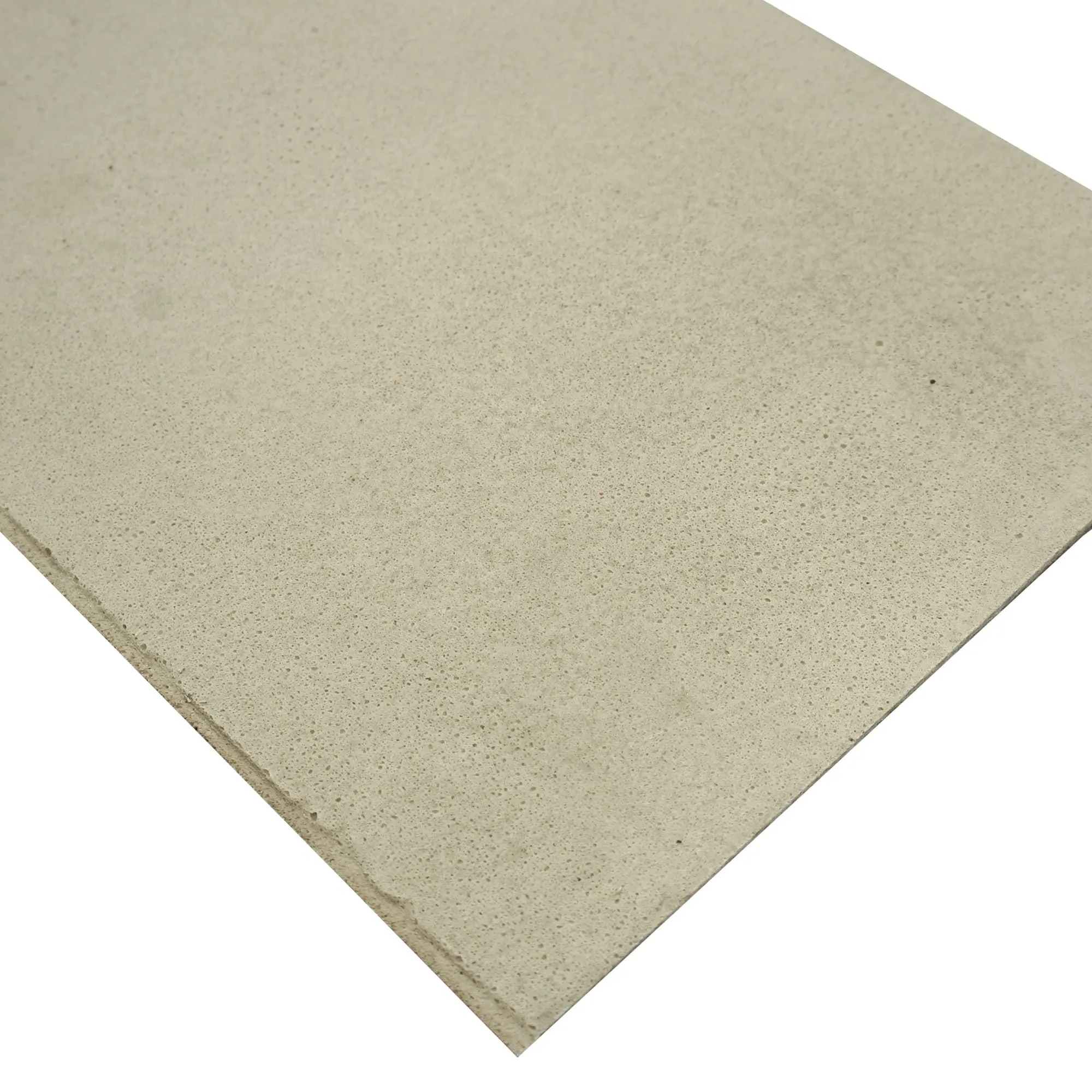
Concrete is one of the most fundamental building materials in modern construction, but not all concrete serves the same purpose. Understanding the difference between fair-faced concrete and regular concrete is essential for architects, builders, and property developers who aim to achieve both structural integrity and aesthetic excellence in their projects.
Fair-faced concrete, also known as exposed concrete or architectural concrete, is a specialized type of concrete that is designed to be left permanently exposed as a finished surface. Unlike conventional concrete that requires additional finishing materials like paint, tiles, or plaster, fair-faced concrete serves as both a structural element and an aesthetic feature.
This material achieves its distinctive appearance through careful selection of raw materials, precise mix design, and meticulous placement techniques. The result is a surface with uniform color, minimal defects, and a deliberately designed texture that becomes an integral part of the building's visual identity.
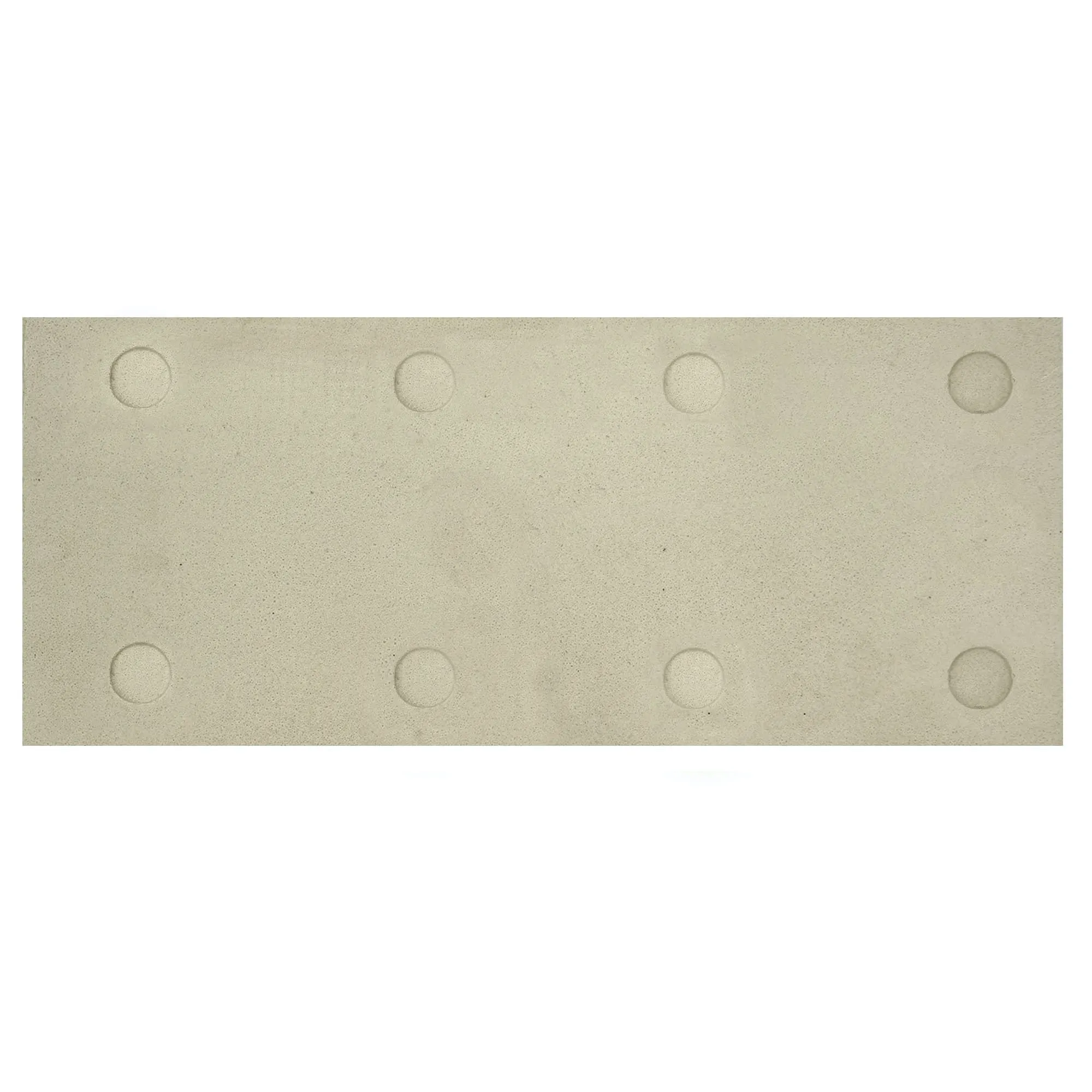
The most obvious difference lies in surface quality. Regular concrete typically has a rough, unfinished appearance with visible formwork marks, air bubbles, and color variations. These surfaces are usually covered with other finishing materials.
Fair-faced concrete, however, must meet stringent aesthetic standards. The surface should be free from honeycombing, air bubbles, and significant color variations. Each element requires careful formwork design and consistent concrete placement to achieve the desired visual effect.
Regular concrete focuses primarily on structural performance, with mix designs optimized for strength, workability, and cost-effectiveness. The concrete mix typically contains cement, aggregates, water, and basic admixtures.
Fair-faced concrete requires a more sophisticated approach. The mix must consider:
Placing regular concrete is relatively straightforward, following standard procedures for structural elements. Workers need basic training in concrete placement and curing.
Fair-faced concrete demands significantly higher expertise and attention to detail. Every step, from formwork selection to curing, affects the final appearance. Key considerations include:
Regular concrete remains the most economical choice for structural applications where surfaces will be covered. The simpler mix design, standard formwork, and straightforward construction process keep costs low.
Fair-faced concrete carries higher initial costs due to premium materials, specialized formwork, skilled labor, and extended construction timelines. However, when considering lifecycle costs, fair-faced concrete can be cost-effective because it eliminates the need for additional finishing materials and ongoing maintenance of painted or tiled surfaces.
Both types offer excellent durability when properly designed and constructed. However, fair-faced concrete's exposed nature means it must withstand environmental exposure without protective coatings. This requires higher quality control and attention to factors like:
Regular concrete surfaces, when properly protected with finishes, can be easier to maintain in harsh environments. However, the finishes themselves require periodic replacement or maintenance.
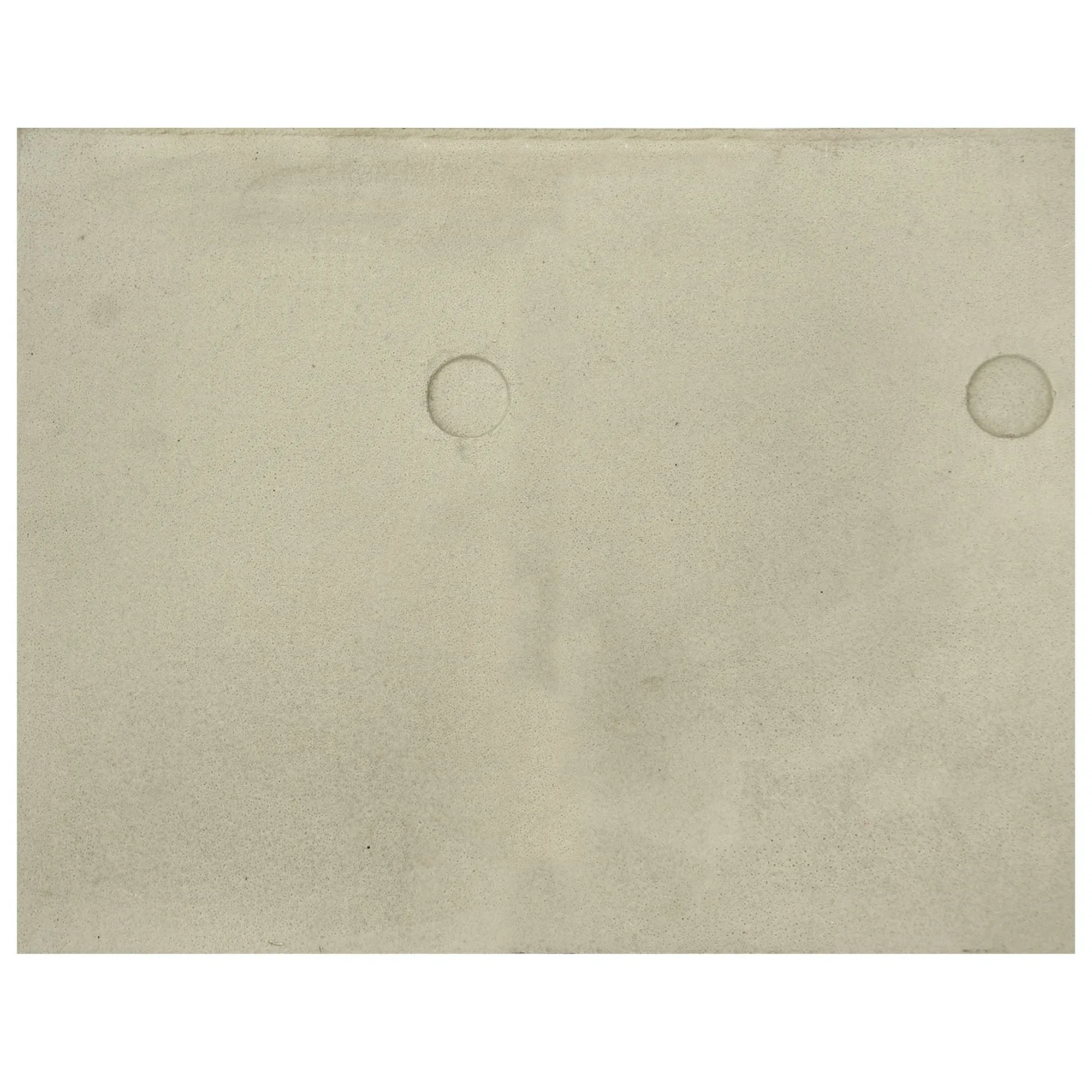
Regular concrete is the backbone of structural construction, used extensively in foundations, floor slabs, structural columns, and beams where appearance is not a primary concern.
Fair-faced concrete finds its place in high-end architectural projects where the material itself becomes a design feature. Common applications include:
Modern innovations have expanded these applications. For instance, fair-faced concrete panels and precast elements now offer the aesthetic appeal of exposed concrete with improved consistency and reduced on-site construction challenges.
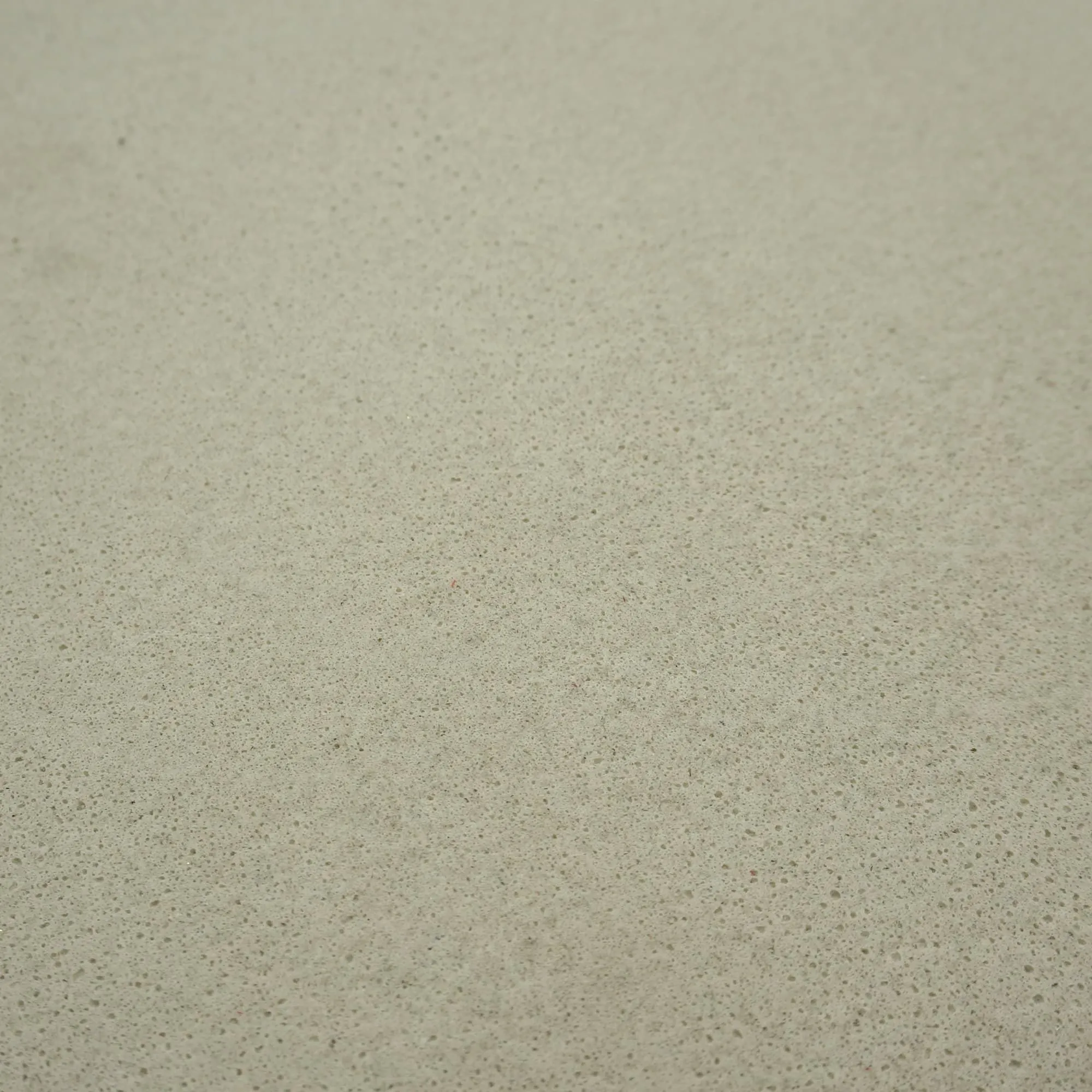
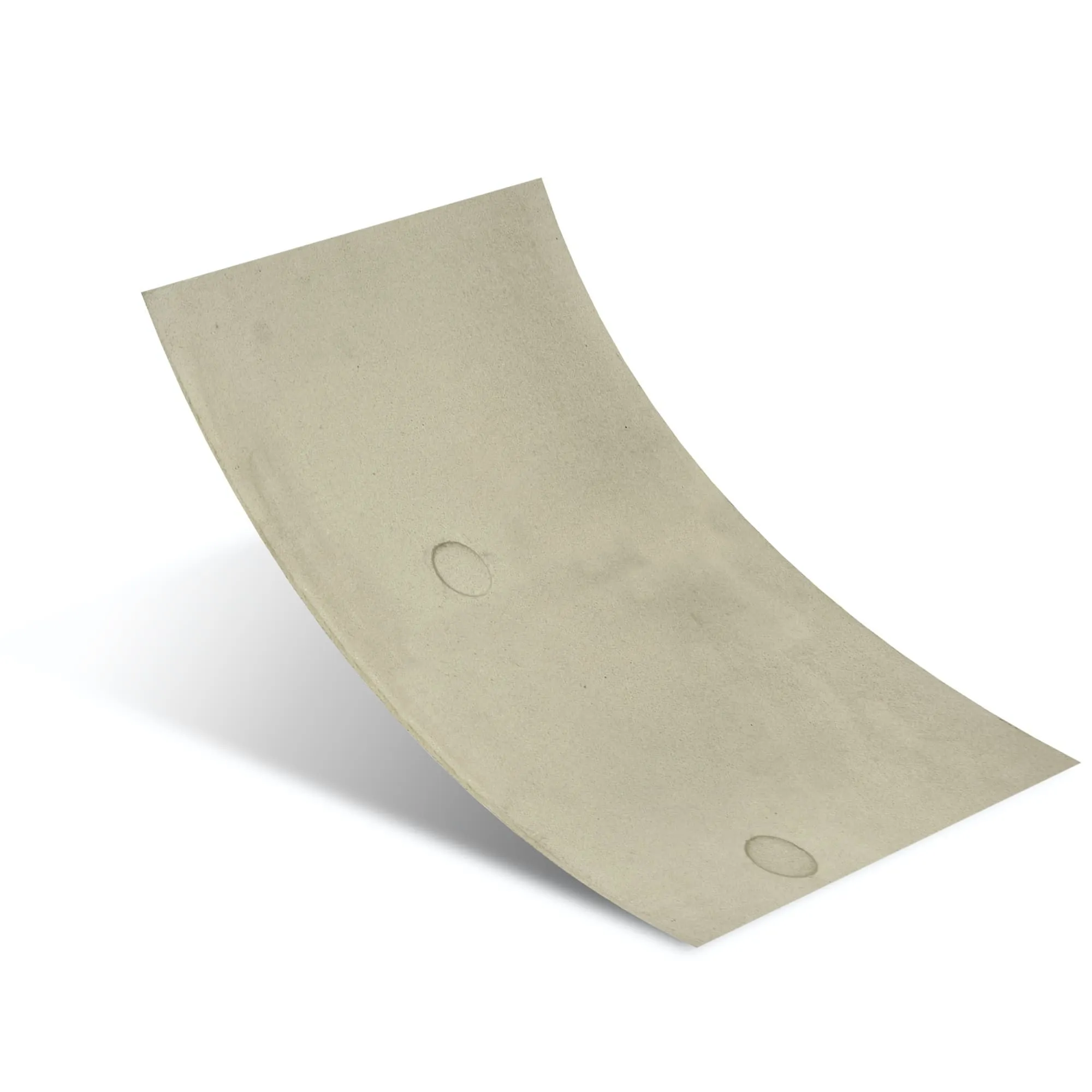
While traditional fair-faced concrete offers exceptional aesthetics, new technologies have introduced alternatives that combine the look of exposed concrete with practical advantages. Modified Clay Materials (MCM) have emerged as innovative solutions, offering concrete-like aesthetics with enhanced flexibility, lighter weight, and easier installation.
Products like concrete board systems provide the visual appeal of fair-faced concrete in a prefabricated format. These materials are particularly valuable for:
Working with a specialized building materials manufacturer ensures access to both traditional fair-faced concrete expertise and modern alternative solutions that can meet diverse project requirements.

Choosing between fair-faced and regular concrete depends on multiple factors:
Budget: Fair-faced concrete requires higher upfront investment but offers long-term value through reduced finishing costs and enduring aesthetics.
Design Intent: If the concrete surface is intended as a finished architectural element, fair-faced concrete is the appropriate choice. For structural elements that will be concealed, regular concrete provides optimal cost-effectiveness.
Project Timeline: Fair-faced concrete requires longer construction periods due to the precision required in formwork, placement, and curing. Regular concrete can be placed more quickly when aesthetic requirements are less stringent.
Site Conditions: Environmental factors like temperature, humidity, and exposure to aggressive agents influence the selection. Fair-faced concrete in coastal or industrial environments requires specialized mix designs and quality control.
The difference between fair-faced concrete and regular concrete extends far beyond surface appearance. Fair-faced concrete represents a commitment to architectural excellence, requiring sophisticated mix designs, skilled craftsmanship, and meticulous attention to detail. Regular concrete, while aesthetically simpler, remains the practical choice for structural applications where efficiency and economy are paramount.
Modern construction increasingly embraces both approaches, using regular concrete for structural elements while incorporating fair-faced concrete or innovative alternatives like MCM panels for visible architectural features. This hybrid approach optimizes both cost and design expression, allowing architects and developers to achieve their vision while maintaining construction efficiency.
Whether choosing traditional fair-faced concrete, regular concrete, or modern alternative materials, success depends on working with experienced suppliers and contractors who understand the nuances of each material. The right choice, properly executed, creates buildings that combine structural integrity with lasting aesthetic appeal.
Recommend Products












