
When selecting building materials for architectural projects, understanding the nuances between similar-sounding products can make a significant difference in both aesthetics and performance. Two popular options that often cause confusion are Gobi Panels and general earth tone panels. While both share an earthy aesthetic inspired by natural landscapes, they differ substantially in material composition, manufacturing process, and application suitability. This comprehensive guide will clarify these differences to help you make informed decisions for your next project.
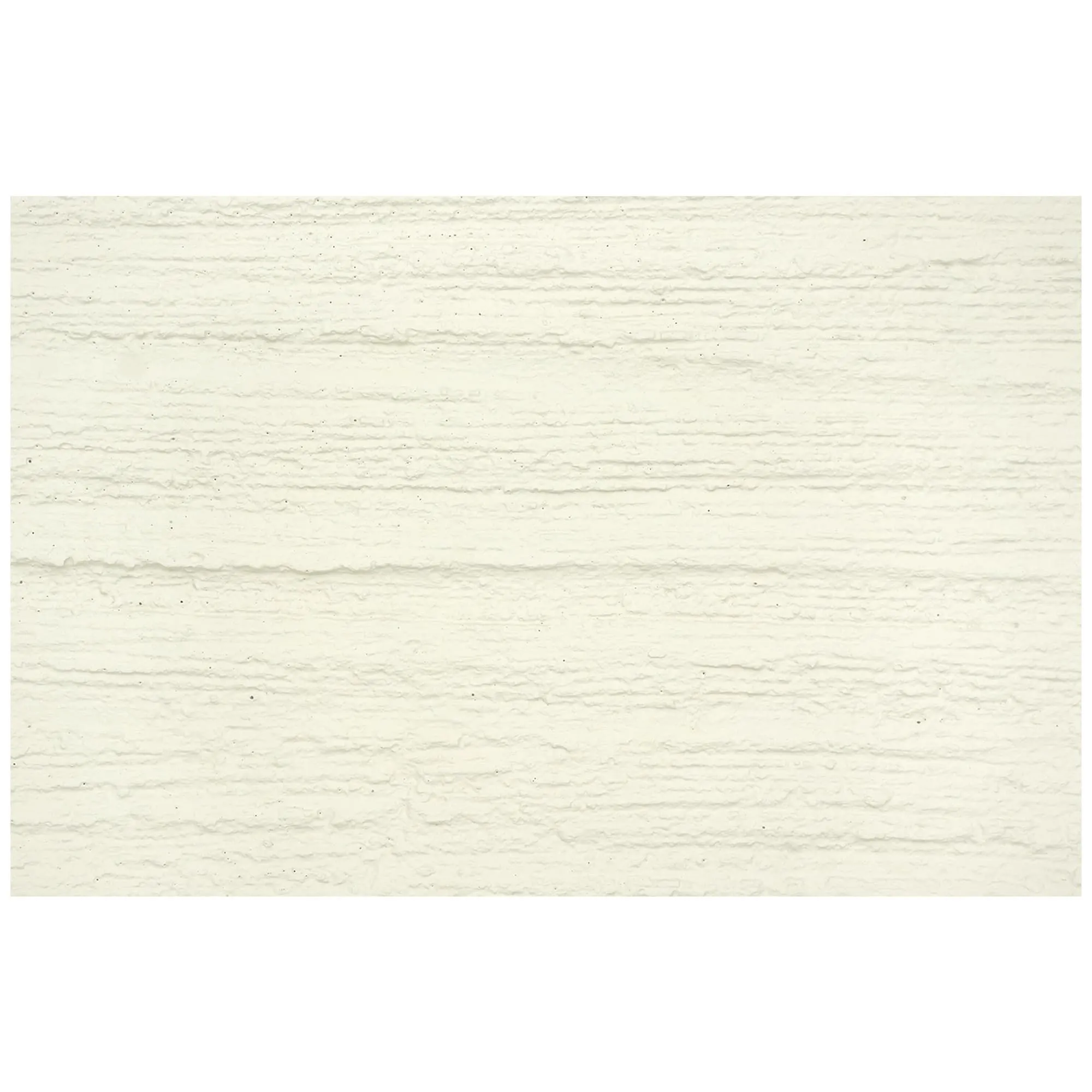
Gobi Panel is a distinctive product within the MCM (Modified Clay Materials) category, specifically engineered to capture the raw beauty of rammed earth construction. Named after the vast Gobi Desert spanning Mongolia and China, this panel embodies the essence of wind-sculpted landscapes and sun-bleached terrain.
Gobi Panel is crafted from a sophisticated blend of natural aggregates, mineral binders, and carefully selected pigments. Unlike traditional rammed earth, which is heavy and site-cast, MCM flexible stone products like Gobi Panel are prefabricated using advanced compression techniques that create a lightweight yet durable material.
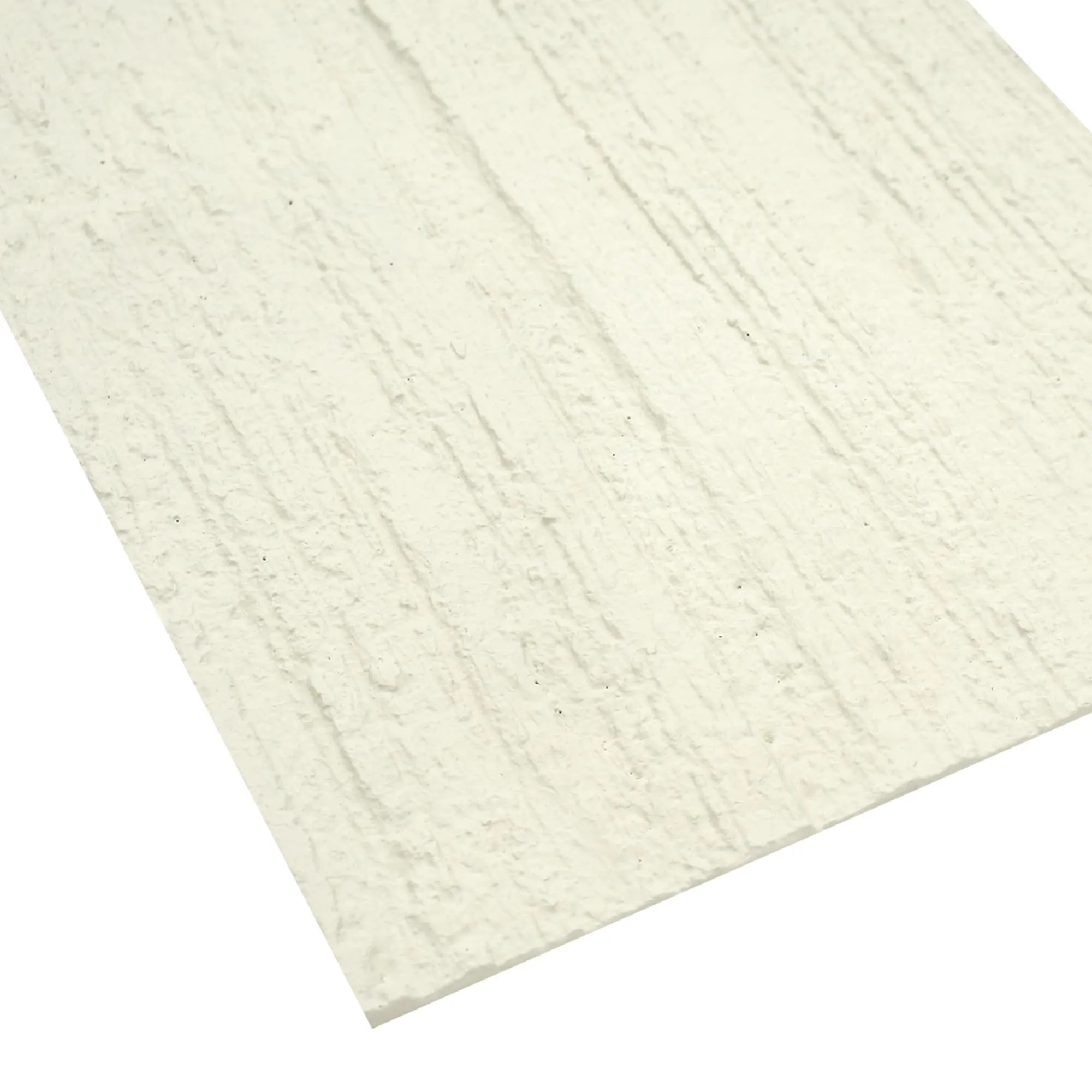
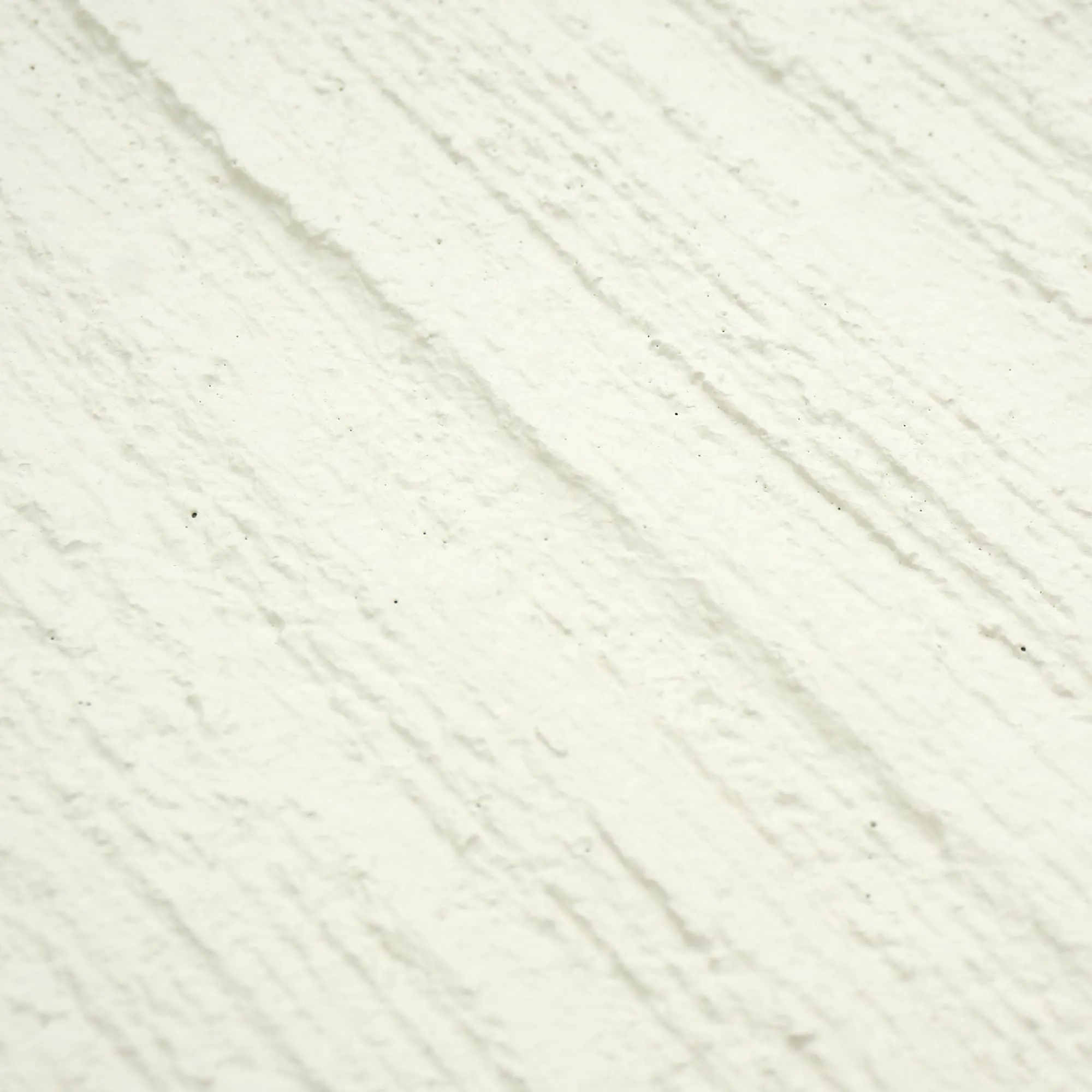
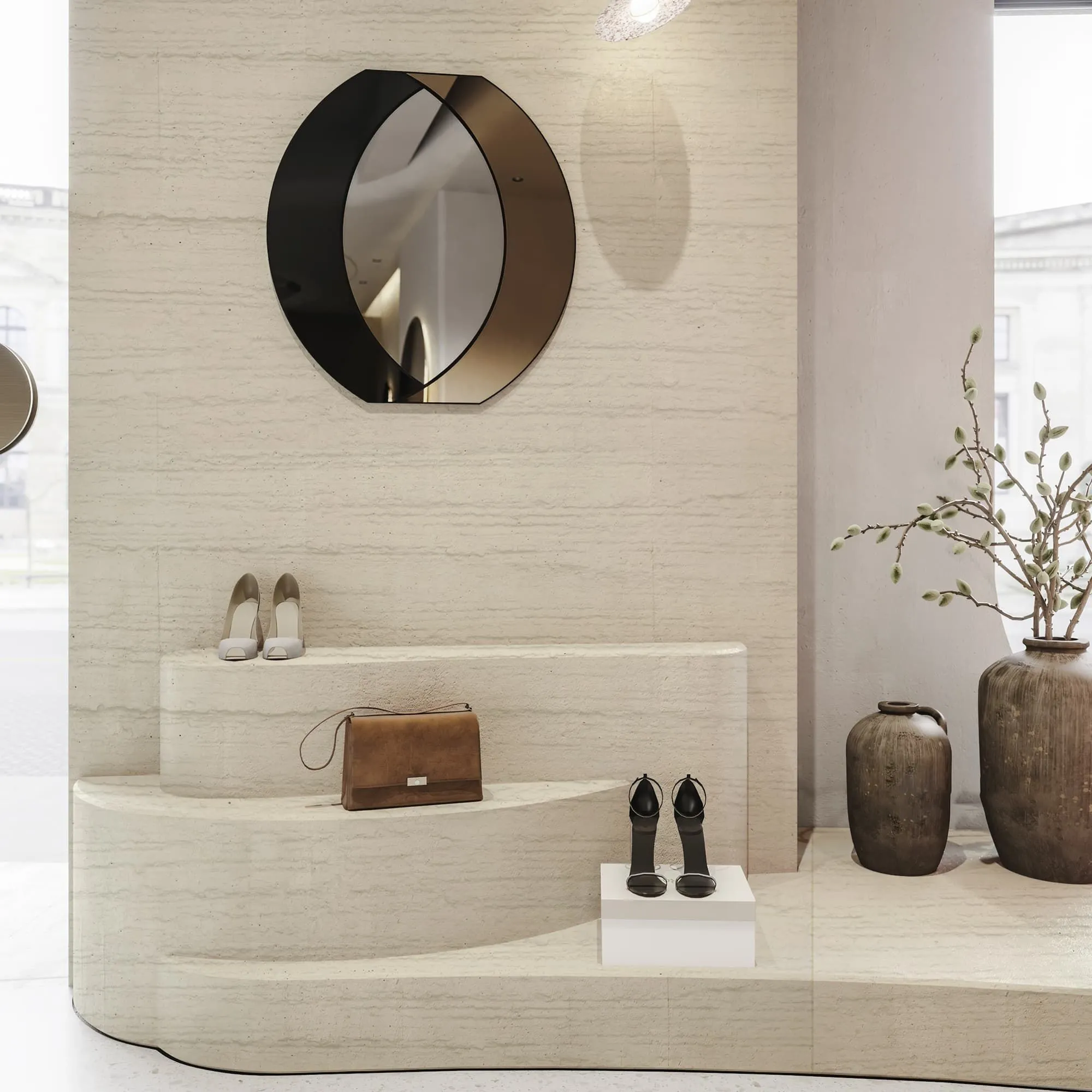
Key Characteristic: Gobi Panel features an authentic rammed earth texture with organic variations, natural color gradients, and a tactile surface that mimics hand-compacted earth. The typical weight is approximately 15kg per square meter, making it significantly lighter than natural stone alternatives.
The Gobi Panel's aesthetic is defined by its warm terracotta tones, dusty beiges, and muted grays—colors that shift subtly across the surface like desert dunes at sunset. Many panels incorporate gradient effects where soft sand hues fade into deeper clay tones, creating depth and visual interest. This organic color variation is intentional, designed to mirror the Gobi Desert's iron-rich soil and wind-carved topography.
The term "earth tone panels" encompasses a much wider range of materials that share a common design philosophy: colors and textures inspired by natural earth elements. Unlike Gobi Panel, which is a specific MCM product, earth tone panels can be made from various base materials including fiber cement, terracotta, natural stone, metal composites, and even synthetic polymers.
Each type serves different purposes. For instance, fiber cement panels prioritize uniformity and fire resistance, while terracotta emphasizes natural warmth and sustainability. The choice depends on specific project requirements including climate, budget, and design intent.
Understanding these distinctions is crucial for architects, designers, and builders who need to match material selection with project goals.
| Aspect | Gobi Panel (MCM) | General Earth Tone Panels |
|---|---|---|
| Material Base | Modified Clay Materials (MCM) with natural aggregates | Varies: fiber cement, terracotta, metal, stone, or composites |
| Texture Authenticity | Organic, hand-hewn feel with natural variations; mimics traditional rammed earth | Ranges from uniform (fiber cement) to natural (terracotta) to faux (metal composites) |
| Weight | Lightweight (~15kg/m²) | Varies widely: lightweight (fiber cement) to heavy (natural stone) |
| Color Consistency | Intentional gradients and variations; each panel unique | Often uniform or minimally varied for consistent appearance |
| Flexibility | Flexible; can be applied to curved surfaces and standard wall frames | Mostly rigid; some types (like certain MCM products) offer flexibility, others don't |
| Sustainability | High: locally sourced aggregates, low-VOC binders, minimal processing | Varies: terracotta and natural stone score high; synthetic options score lower |
| Application | Interior feature walls, exterior facades, retrofits, heritage projects | Broad: commercial facades, residential interiors, industrial applications |
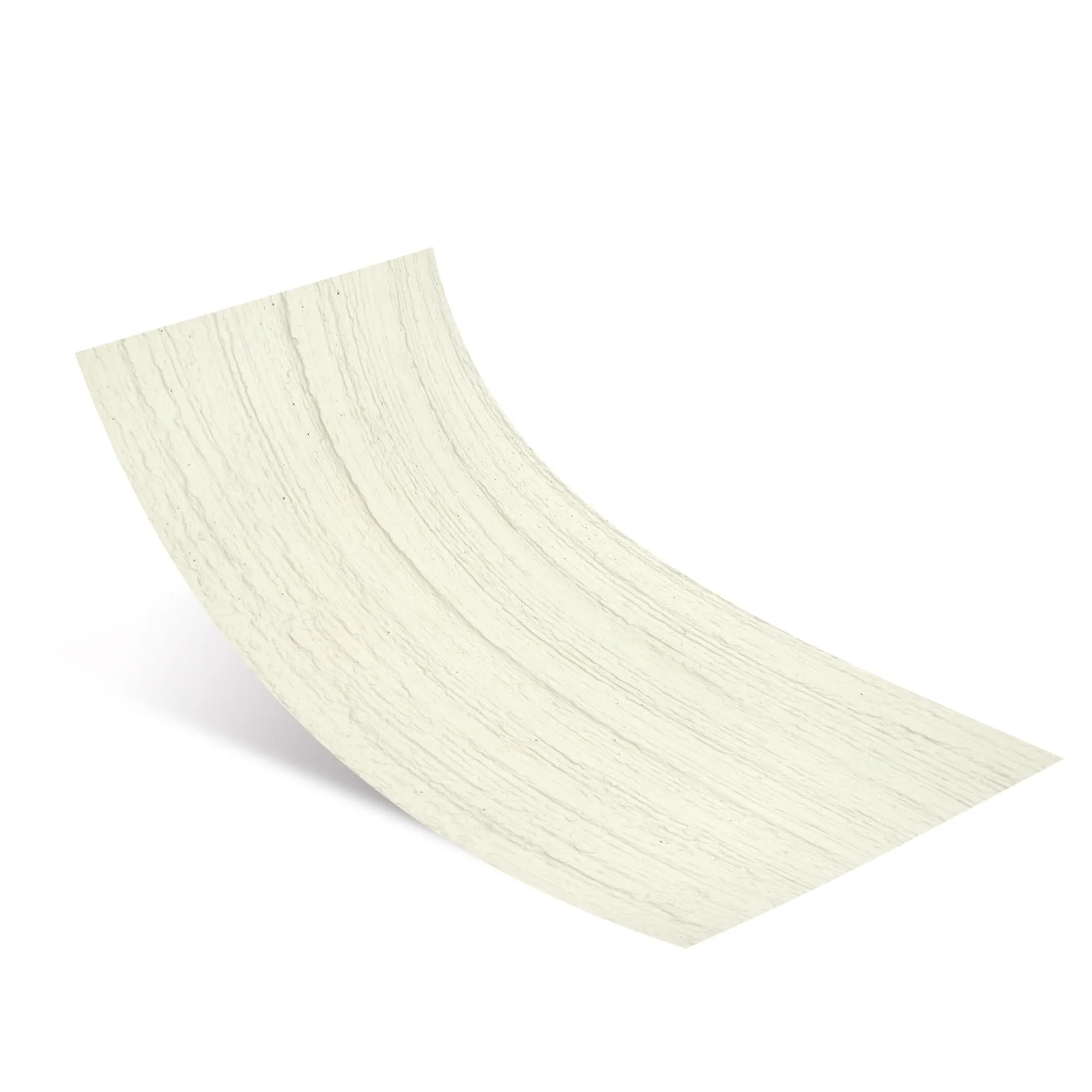
Gobi Panel shines in projects where authenticity, warmth, and a connection to natural landscapes are priorities. Consider this option when:
As a specialized product within COLORIA GROUP's MCM Project Board Series, Gobi Panel represents the pinnacle of rammed earth aesthetics reimagined for modern construction.
Earth tone panels in their broader sense offer advantages in specific scenarios:
Installation processes differ significantly between Gobi Panel and other earth tone panels:
MCM products like Gobi Panel install similarly to standard drywall. Panels attach to wall frames using screws and adhesives, requiring no specialized equipment. This simplicity reduces labor costs and installation time. For exterior applications, panels should be sealed with water-resistant treatments and UV-protective coatings.
Fiber cement panels may require specialized fastening systems and experienced installers. Natural stone veneers need proper substrate preparation and professional expertise. Metal sandwich panels often integrate with proprietary cladding systems. Installation complexity and cost vary significantly based on material type.
Both Gobi Panel and most earth tone panels are relatively low-maintenance. Interior applications require only occasional dusting or wiping with a damp cloth. Exterior installations benefit from annual rinsing to remove dirt accumulation. Sealing should be reapplied every 2-3 years for outdoor panels to maintain water resistance and color vibrancy.
The decision between Gobi Panel and other earth tone panels ultimately depends on your project's specific needs:
Choose Gobi Panel when: authenticity, organic aesthetics, lightweight construction, sustainability, and heritage integration are your priorities. It's ideal for creating spaces that feel connected to nature and history.
Consider other earth tone panels when: you need uniform aesthetics for large surfaces, specific performance properties like enhanced fire resistance or insulation, or budget constraints favor more economical material options.
Many successful projects combine both approaches. For instance, using Gobi Panel for feature walls in residential interiors while selecting fiber cement panels for exterior facades creates visual interest while meeting diverse performance requirements.
Regardless of your choice, working with a reputable supplier is essential. Companies specializing in MCM products, like COLORIA GROUP, offer comprehensive support from material selection through installation guidance. Their MCM 3D Printing Series and MCM Big Slab Board Series provide additional options for projects requiring innovative textures and formats.
When consulting with suppliers, request physical samples to evaluate texture, color accuracy, and weight. Examine the material under different lighting conditions and assess how it complements other design elements in your project. A one-stop building materials solution provider can streamline procurement and ensure quality consistency across all materials.
The difference between Gobi Panel and earth tone panels extends far beyond terminology. Gobi Panel represents a specialized MCM product that authentically replicates rammed earth aesthetics with modern performance benefits—lightweight construction, flexibility, and sustainability. Earth tone panels, as a broader category, encompass diverse materials each with unique advantages suited to different applications.
By understanding these distinctions in material composition, texture, application suitability, and performance characteristics, architects and designers can make informed choices that align with their project visions. Whether you're creating a cozy residential retreat, a welcoming commercial space, or a heritage-sensitive restoration, selecting the right material ensures your walls not only look beautiful but also perform beautifully for years to come.
For projects demanding authentic earthy aesthetics with contemporary engineering, Gobi Panel stands as an exceptional choice within the broader earth tone panel universe. Its ability to bridge ancient construction wisdom with modern design innovation makes it a compelling option for those seeking materials with character, sustainability, and lasting appeal.
Recommend Products












