
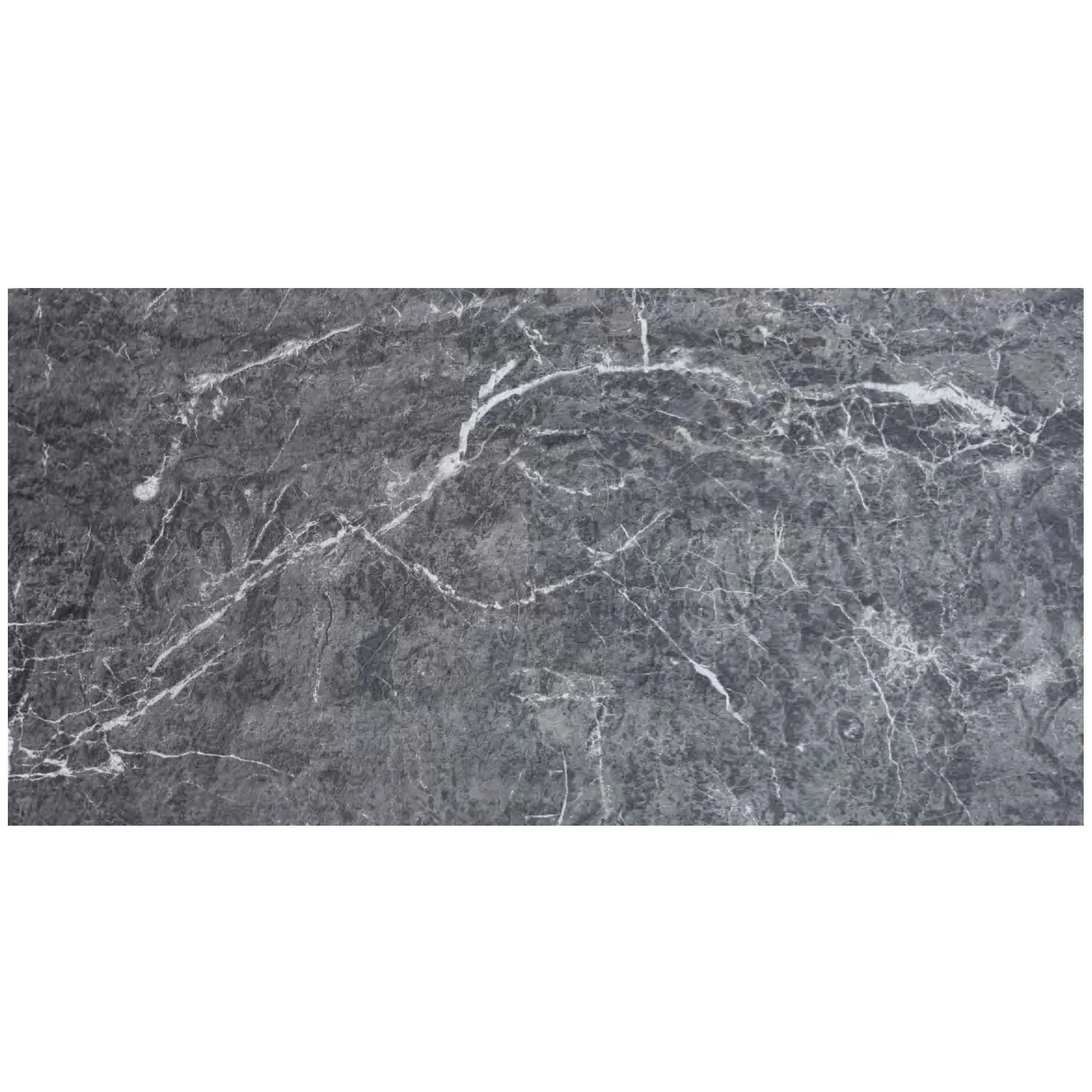
Walk into any thoughtfully designed space—a boutique hotel lobby, a modern office, or even a high-end residential home—and you'll quickly realize that the materials used to craft walls, floors, and surfaces aren't just background elements. They're storytellers. They set the mood, reflect the space's purpose, and even influence how we feel when we're in it. Two materials that often spark debate among architects, designers, and builders are Granite Nero Margiua , a revered natural stone, and MCM Big Slab Boards , a cutting-edge composite innovation. Let's dive into what makes each unique, and why choosing between them matters more than you might think.
Granite has been a cornerstone of construction and design for centuries, and Nero Margiua is one of its most striking variations. Picture a slab of stone so deep and rich in color that it borders on black, yet swirled with faint veins of silver or charcoal—like a stormy night sky captured in rock. That's Nero Margiua. Quarried from select sites (often in regions known for premium granite, like parts of Italy or Brazil), each slab is a one-of-a-kind creation, shaped by millions of years of geological pressure and heat.
What makes Nero Margiua so beloved? For starters, its authenticity . Run your hand across its surface, and you'll feel the subtle texture of natural mineral grains—coarse in some spots, smooth in others—no two slabs are exactly alike. It's cold to the touch on a winter day, but warm underfoot in sunlight, a quality that adds depth to any space. And when polished? It mirrors light in a way that feels almost liquid, turning a simple wall into a statement piece.
But it's not just about looks. Granite is famously durable—scratch-resistant, heat-resistant, and capable of standing up to heavy foot traffic, making it a staple in high-end commercial projects. Think of the grand foyers of luxury resorts or the countertops in Michelin-starred restaurants; Nero Margiua, with its bold presence, often takes center stage there. However, this durability comes with a trade-off: weight. A single slab can weigh hundreds of pounds, requiring reinforced structures and specialized installation teams. It's also porous by nature, meaning it needs regular sealing to prevent stains—coffee spills, wine, or even rainwater can leave marks if not treated.
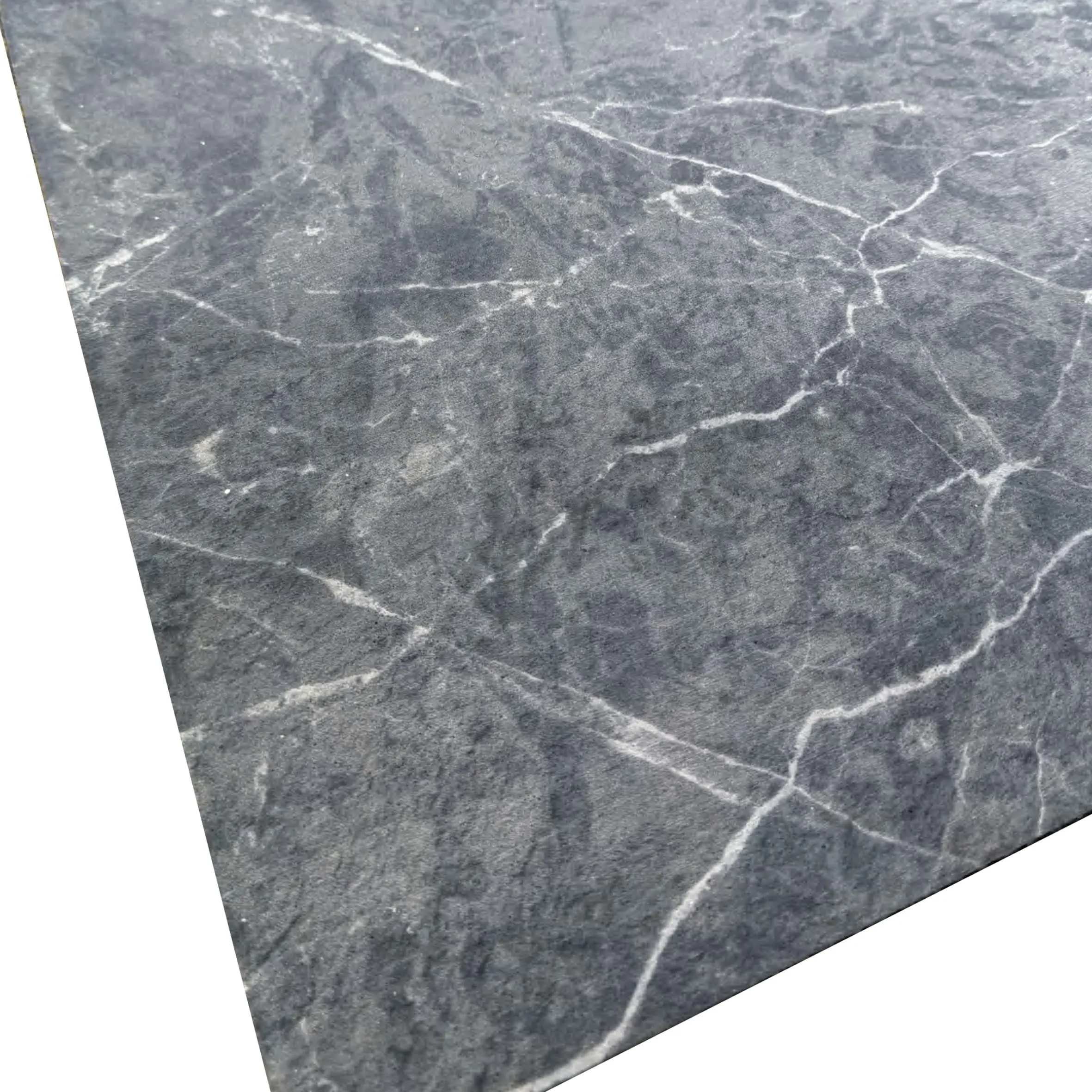
If Granite Nero Margiua is a classic novel, MCM Big Slab Boards are a modern bestseller—fresh, adaptable, and designed for the way we build today. MCM stands for Modified Composite Material, a category that includes flexible stone technology, and the "big slab" series takes this innovation to new heights. Unlike natural stone, MCM isn't mined from the earth; it's crafted in labs and factories, blending recycled stone powder (from marble, granite, or even travertine offcuts), polymers, and fibers to create a material that's both lightweight and remarkably strong.
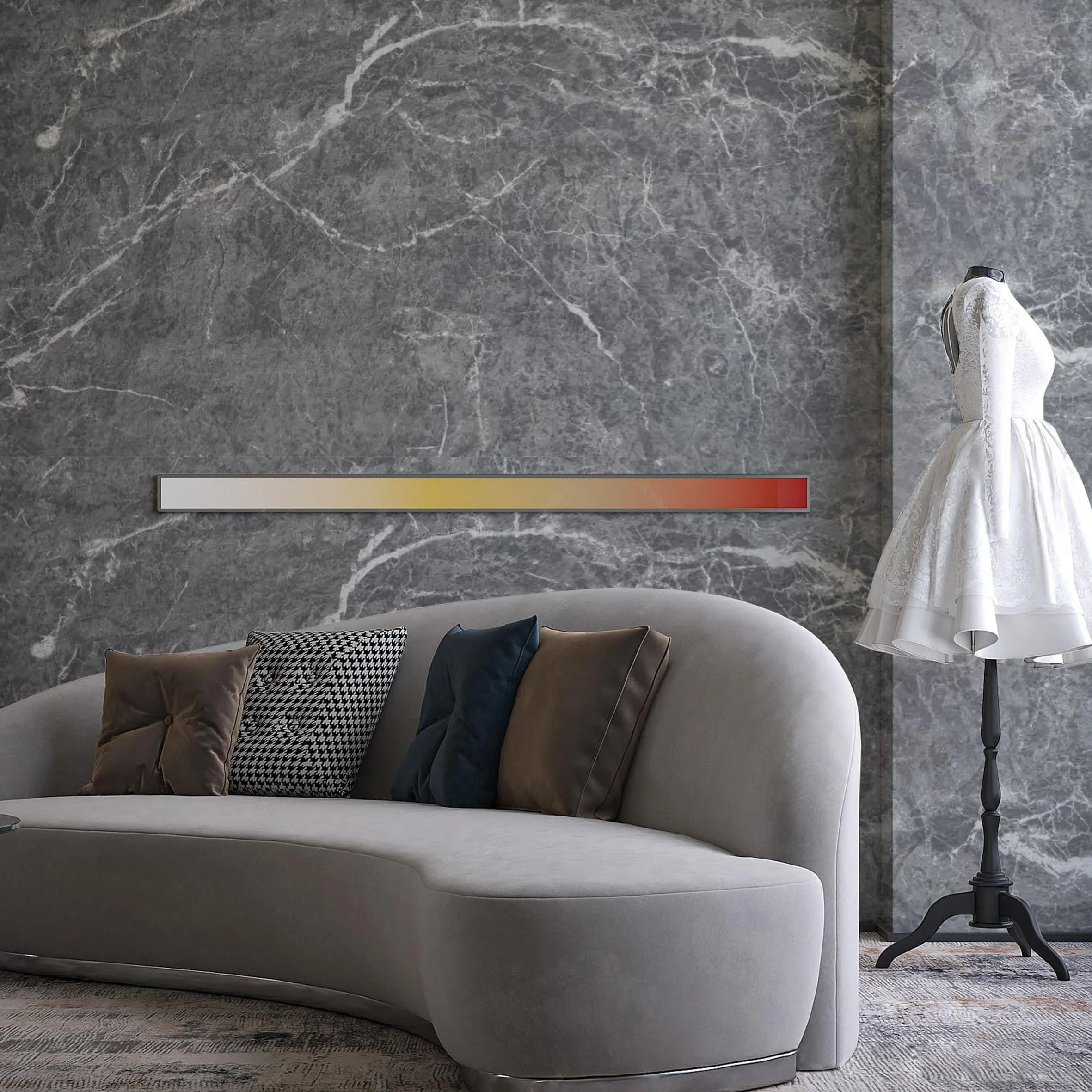
Here's where it gets interesting: MCM Big Slabs can mimic the look of natural stones—including Nero Margiua—with uncanny accuracy. Want the deep black swirls of granite? They've got it. Prefer the pitted texture of travertine or the warmth of wood grain? That's possible too. But unlike natural stone, MCM offers consistency. No more worrying about "imperfections" in the slab or mismatched veins—every panel can be replicated exactly, ensuring a uniform look across large surfaces. And because it's flexible (hence the "flexible stone" tag), it can bend slightly without cracking, making it ideal for curved walls, uneven substrates, or creative architectural details that natural stone would struggle with.
Let's talk about practicality. A typical MCM Big Slab weighs a fraction of natural granite—sometimes as little as 3-5 kg per square meter compared to granite's 25-30 kg. This lightness transforms installation: no need for heavy machinery or reinforced framing. Contractors can carry panels by hand, cut them on-site with basic tools, and install them in hours, not days. It's also water-resistant, fire-retardant, and requires almost no maintenance—no sealing, no polishing, just an occasional wipe-down. And yes, it's eco-friendly: by repurposing stone waste, MCM reduces the environmental impact of mining, and its lightweight design cuts down on transportation emissions.
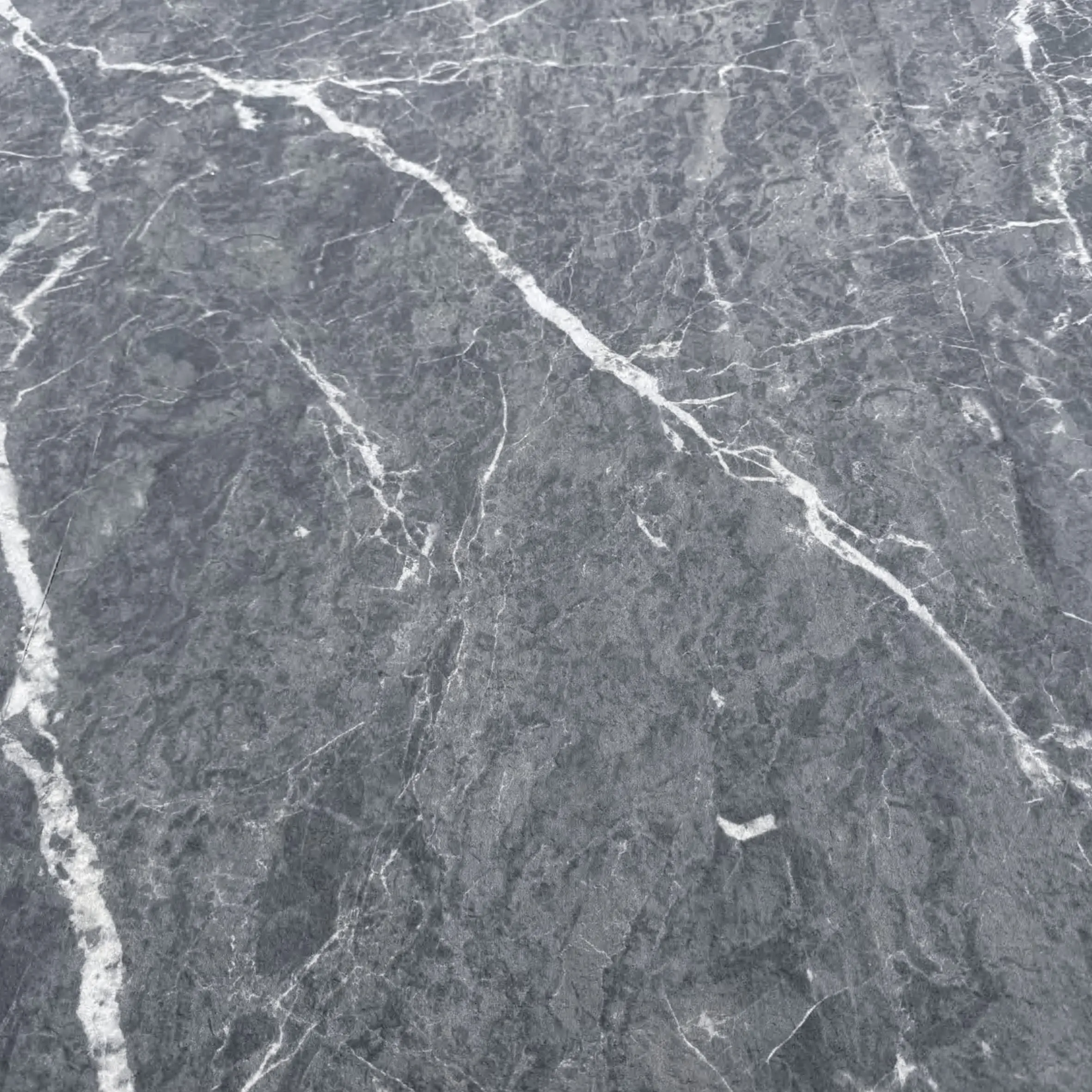
To truly understand how these materials stack up, let's break down their differences in the areas that matter most to designers, builders, and homeowners:
| Aspect | Granite Nero Margiua | MCM Big Slab Boards |
|---|---|---|
| Origin | Natural, quarried from geological formations (millions of years old). | Man-made, engineered from recycled stone powder, polymers, and fibers. |
| Aesthetic | Unique, with one-of-a-kind veining, color variations, and natural "imperfections." | Replicable, with consistent patterns (can mimic natural stones, wood, or metal). |
| Weight | Heavy (25-30 kg/sq.m), requiring structural reinforcement. | Lightweight (3-5 kg/sq.m), easy to handle and install without extra support. |
| Durability | Highly scratch/heat-resistant but porous (needs sealing). | Water/fire-resistant, scratch-resistant, and low-maintenance (no sealing needed). |
| Installation | Specialized labor, heavy machinery, and longer timelines. | DIY-friendly (in some cases), basic tools, and quick installation. |
| Sustainability | Mining can disrupt ecosystems; limited by quarry availability. | Uses recycled materials; reduces waste and transportation carbon footprint. |
| Cost | Higher upfront (quarrying, transportation, installation) and long-term (maintenance). | Lower upfront (material and labor) and minimal long-term costs. |
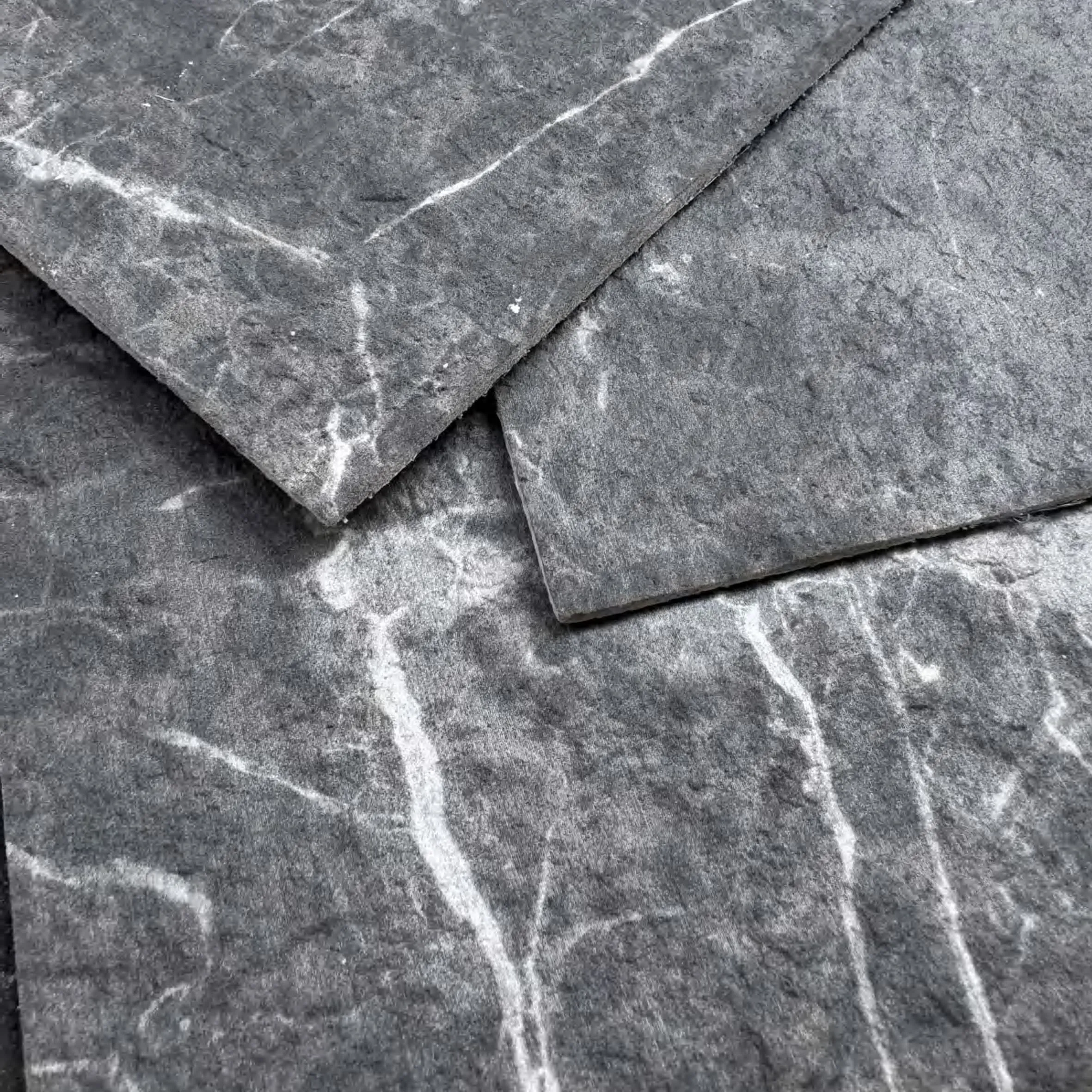
Let's ground this in examples. Imagine you're designing a five-star hotel in a historic district. The client wants a lobby that feels "timeless and luxurious," with walls that make guests gasp. Granite Nero Margiua might be the choice here—it brings that unbeatable natural grandeur, and the building's old-world structure can likely support the weight. Plus, the unique veining in each slab adds a sense of exclusivity that synthetic materials can't replicate.
Now, flip the script: You're working on a modern apartment complex with a curved facade, and the budget is tight. The client loves the look of Nero Margiua but can't afford the structural upgrades or installation costs. MCM Big Slab Boards would shine here. They can mimic the granite's appearance, install quickly on the curved walls, and reduce the overall project cost—all without sacrificing style. Or consider a renovation project in a 1920s building with weak floor joists: MCM's light weight makes it possible to update the interiors without tearing down walls to reinforce structures.
It's not just about "natural vs. synthetic"—it's about aligning the material with the project's goals. Do you value uniqueness above all? Go with Nero Margiua. Need consistency, flexibility, and sustainability? MCM is the way to go.
Let's talk numbers. Granite Nero Margiua isn't cheap. Quarrying, cutting, transporting, and installing it can cost $150-$300 per square meter, not including sealing and maintenance over time. MCM Big Slabs, on the other hand, typically range from $50-$120 per square meter, with installation costs a fraction of granite's. Over 10 years, the savings add up—especially when you factor in MCM's lack of maintenance needs.
But longevity? Granite has been around for millennia; ancient temples and monuments are proof of its staying power. MCM is newer, but early adopters report that well-installed panels last 20+ years without fading or degrading. For most commercial projects with a 30-year lifespan, MCM holds its own. For heritage buildings aiming to last centuries? Granite might still have the edge.
At the end of the day, choosing between Granite Nero Margiua and MCM Big Slab Boards isn't about picking "better" or "worse"—it's about picking the material that tells your project's story. Granite Nero Margiua speaks to tradition, exclusivity, and the raw beauty of nature. MCM Big Slabs whisper of innovation, adaptability, and a commitment to sustainability. Both have their place, and both can transform a space from ordinary to extraordinary.
So the next time you're standing in front of a striking wall or floor, take a moment to feel the surface. Is it cold and heavy, with unique ridges that hint at millions of years of history? That's probably granite. Light and smooth, with a uniform pattern that feels almost too perfect? Chances are, it's MCM. Either way, it's more than just a material—it's a choice that shapes how we experience the world around us.
Recommend Products












