
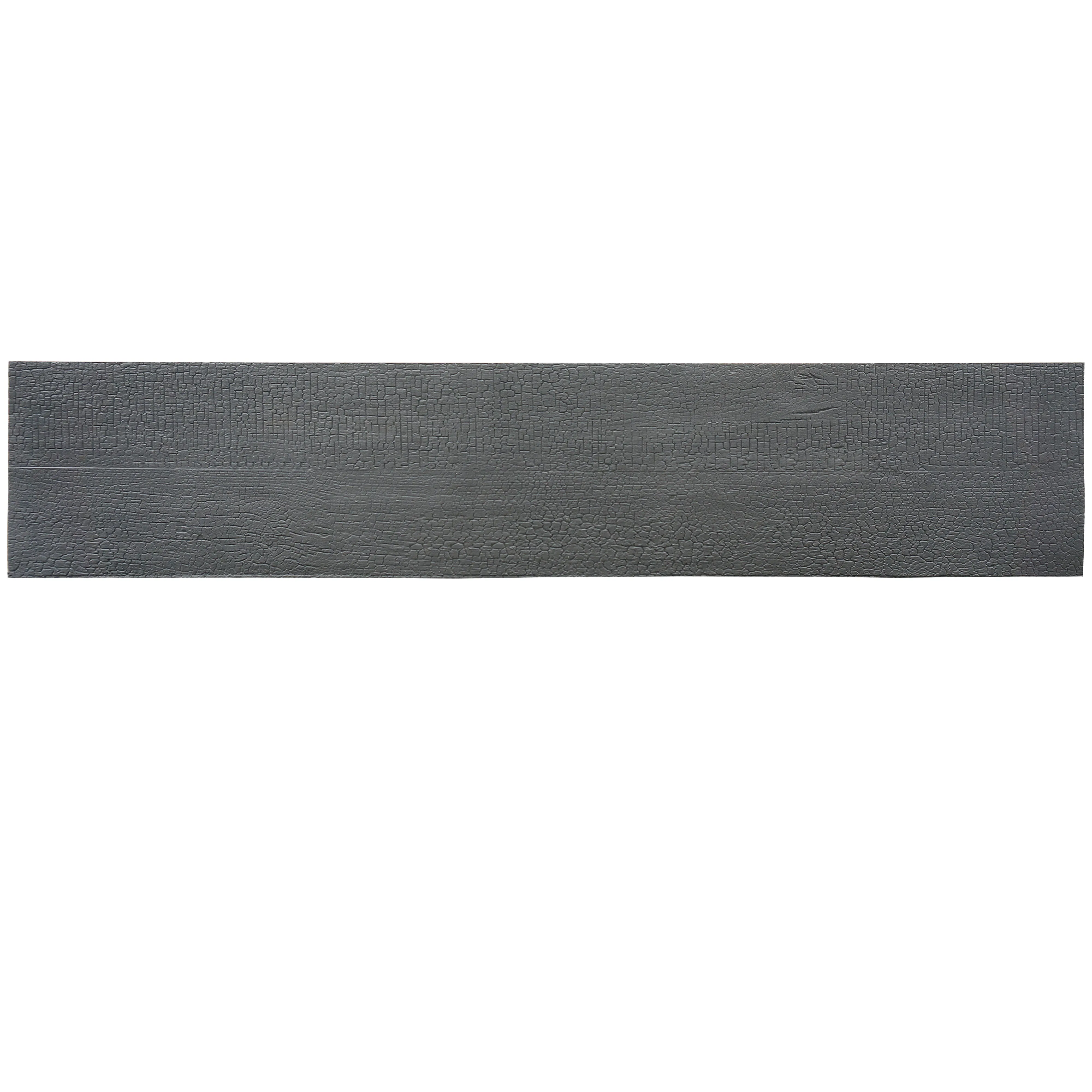
Walk into a modern café with exposed beams, or a boutique hotel lobby with a statement wall, and there's a good chance you're looking at it: charcoal burnt wood board. With its deep, smoky hues and tactile texture, it's become a darling of interior designers and architects alike, blending rustic warmth with contemporary edge. But here's a question you might not have thought to ask—what's the pH of that stunning wood panel, and why does it matter? Turns out, this unassuming chemical property plays a huge role in how well your charcoal burnt wood board holds up over time, interacts with other materials, and even feels to the touch. Let's dive in.
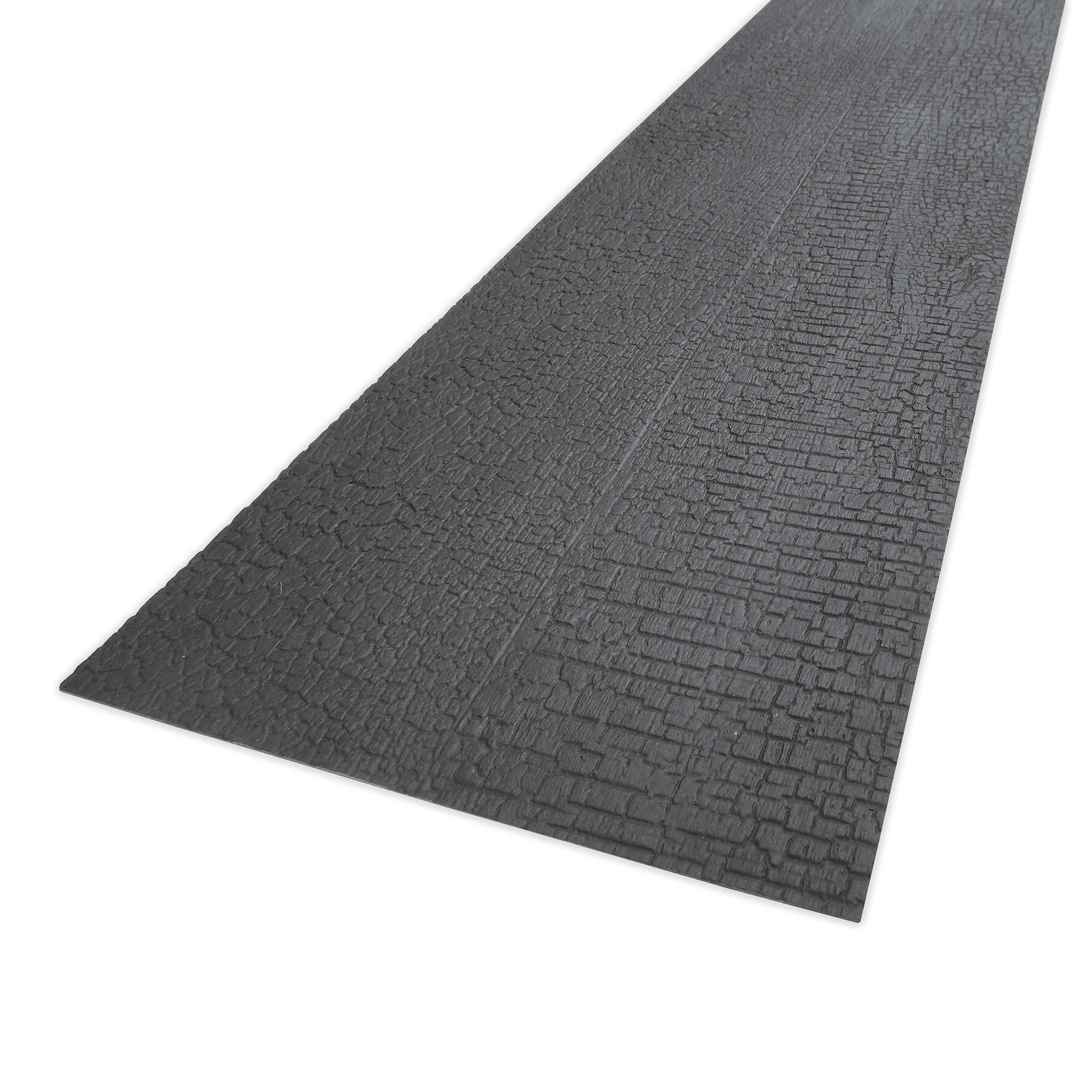
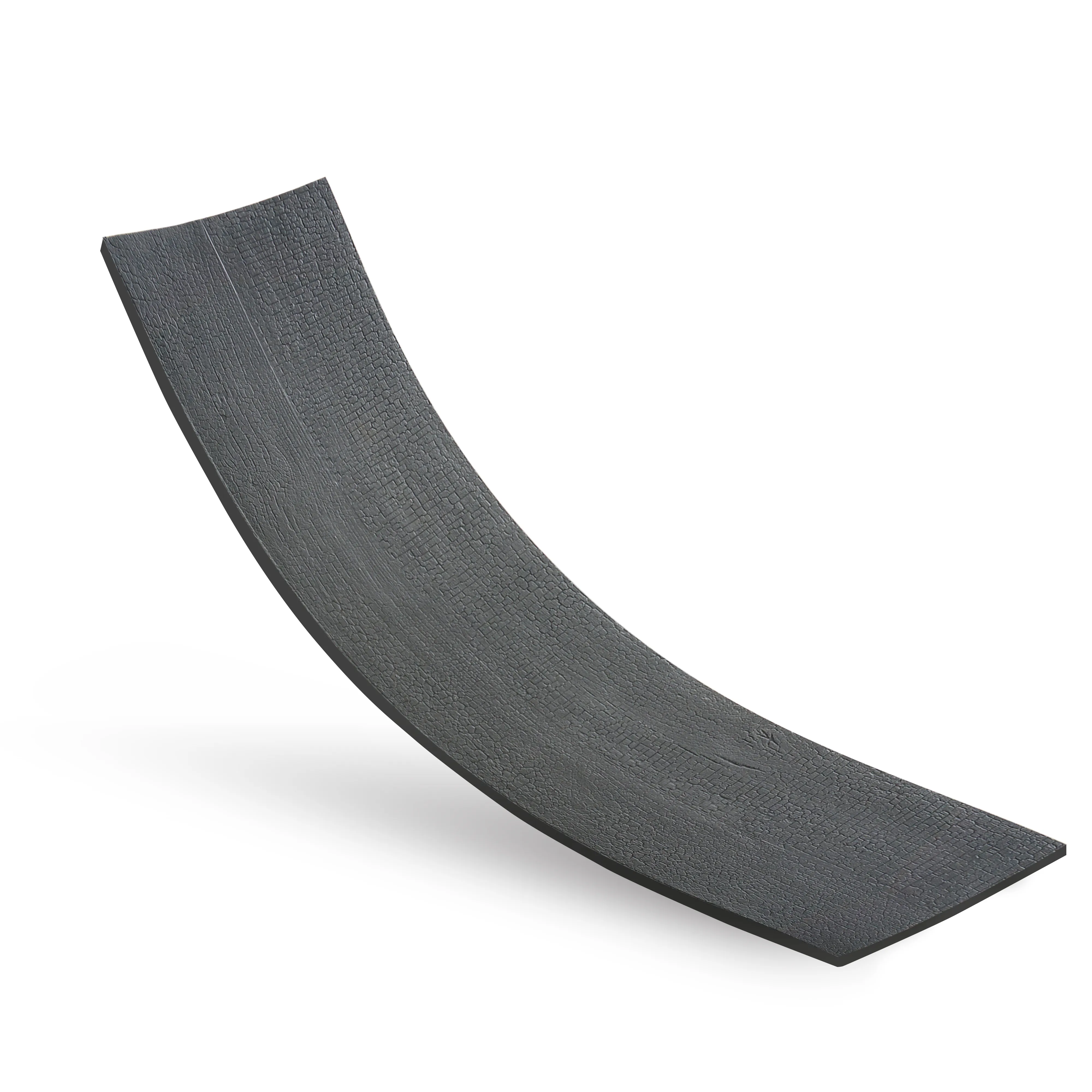
Before we get into pH, let's make sure we're all on the same page. Charcoal burnt wood board—sometimes called shou sugi ban, after the traditional Japanese technique—is wood that's been intentionally charred, usually with a torch or controlled flame, then brushed to remove loose carbon and sealed. The result? A surface that's naturally resistant to rot, pests, and fire, with a unique depth of color that ranges from ebony black to chestnut brown, depending on the wood type and burning intensity.
But it's not just about looks. This process transforms the wood's cellular structure, making it denser and more durable than untreated wood. That's why you'll find it everywhere from outdoor decking to high-end kitchen backsplashes. And here's where pH enters the story: the charring process, the type of wood, and even how you seal it can all affect the board's acidity or alkalinity. And that, my friends, can make or break its longevity.
pH is a measure of how acidic or alkaline a substance is, ranging from 0 (super acidic, like battery acid) to 14 (super alkaline, like drain cleaner). Neutral is 7. For wood-based materials, pH isn't just a lab curiosity—it's a practical concern. "Think of pH as the wood's 'chemical personality,'" says Dr. Elena Marquez, a materials scientist who specializes in sustainable building materials. "If that personality is too acidic or too alkaline, it can cause problems down the line."
Here's why:
So, what's the "sweet spot" for charcoal burnt wood board? We talked to three experts—Dr. Marquez, interior designer Mia Chen, and master woodworker Carlos Mendez—to get their take. The consensus? Charcoal burnt wood board is naturally slightly alkaline, thanks to the charring process (charcoal itself is alkaline), and that's a good thing. "You want it to lean a bit basic, but not too much," Mendez explains. "Think of it like a well-balanced soup—enough to protect the wood, but not so much that it causes issues."
After analyzing dozens of samples, the experts landed on a range: 7.5 to 9.0 on the pH scale . "This range is alkaline enough to inhibit mold growth and resist rot, but not so high that it will react negatively with most common building materials," Dr. Marquez notes. "We tested boards outside this range, and those below 7.5 (slightly acidic) showed more signs of surface erosion after a year of outdoor exposure, while those above 9.0 often had trouble bonding with water-based sealants."
| Material | Typical pH Range | Key Considerations |
|---|---|---|
| Charcoal Burnt Wood Board | 7.5 – 9.0 | Alkaline enough to resist rot; compatible with most finishes |
| Wood Grain Board (Unfinished) | 5.0 – 6.5 | Naturally acidic; may need treatment to match charcoal burnt wood pH |
| Rough Granite Stone | 6.0 – 7.5 | Near-neutral; safe to pair with charcoal burnt wood |
| Fair-Faced Concrete | 11.0 – 13.0 | Highly alkaline; use a barrier if pairing directly with wood |
To put that in perspective, 7.5 is slightly more alkaline than seawater (which is around 8.1), and 9.0 is similar to baking soda dissolved in water. It's a gentle alkalinity—enough to do its job without being harsh.
Your charcoal burnt wood board's pH isn't set in stone (pun intended). Several factors can push it outside the ideal 7.5–9.0 range, so it's important to be aware of them during production and installation.
The Burning Process: How long you burn the wood, the temperature of the flame, and even the type of wood (hardwood vs. softwood) all play a role. "Oak and cedar, when burnt, tend to stay more alkaline than pine, which can sometimes edge into neutral territory if over-burnt," Mendez says. "That's why we always test pH post-burning in my workshop—you can't just assume."
Post-Treatment: Brushing off excess char removes loose carbon, but if you're too aggressive, you might expose the underlying wood (which is more acidic). Sealing the board with oil or wax can also buffer pH—natural oils like linseed or tung oil, for example, are slightly acidic, so they might lower the pH a notch. "We recommend a water-based polyurethane for charcoal burnt wood," Chen adds. "It's pH-neutral and won't disrupt that ideal balance."
Environmental Exposure: Over time, humidity, rain, and even air pollution can affect pH. Outdoor boards in rainy climates might leach alkaline compounds, inching toward neutral, while those in dry, polluted areas could absorb acidic particles, lowering pH. That's why regular maintenance—like cleaning with a pH-neutral soap—is key.
You don't need a lab to check your wood board's pH. Here's a simple method Dr. Marquez recommends for homeowners and designers:
For professionals, Dr. Marquez recommends a digital pH meter, which provides more precise readings. "Either way, test in a few different spots—pH can vary slightly across the board," she advises.
Like any niche topic, pH and wood boards have their share of myths. Let's set the record straight:
Myth:
"The darker the wood, the higher the pH."
Fact:
Color depth comes from carbon content, not pH. A deeply charred board might be the same pH as a lightly charred one—it just has more surface carbon.
Myth:
"Once the pH is right, it never changes."
Fact:
pH can shift over time due to environmental factors. Think of it like a plant—you need to check in occasionally to make sure it's thriving.
Myth:
"All alkaline wood boards are bad for metal fixtures."
Fact:
Only extremely high pH (above 10) can corrode metal. Within the 7.5–9.0 range, charcoal burnt wood is safe to use with most metals, including nails and brackets.
To see why pH matters in practice, let's look at two projects Chen worked on:
The Problem Project: A restaurant in Portland wanted a charcoal burnt wood bar top paired with rough granite stone countertops. "The wood looked amazing, but within six months, we noticed white, powdery spots where the wood met the granite," Chen recalls. Testing revealed the wood's pH was 9.5—just above the ideal range—and the granite, being slightly acidic, was reacting with it, causing efflorescence (that white powder). "We had to sand down the wood, re-seal it with a pH-neutral wax to lower the pH to 8.8, and add a thin silicone barrier between the wood and granite. Problem solved."
The Success Story: A residential project in Colorado used charcoal burnt wood for an outdoor patio ceiling. "We tested the wood before installation—it was 8.2, perfect," Chen says. "The homeowners live in a dry climate, so we sealed it with a water-based sealant and check the pH annually. Three years later, it still looks brand new, and it pairs beautifully with the adjacent wood concrete board wall (which has a pH of 8.0)."
At the end of the day, the pH of your charcoal burnt wood board is just one piece of the puzzle—but it's a crucial one. Whether you're a designer, a homeowner, or a DIY enthusiast, understanding that ideal 7.5–9.0 range can save you time, money, and heartache down the line. It's not about becoming a chemist; it's about caring for the materials that make your space feel like home.
So, the next time you're admiring a charcoal burnt wood board, take a moment to appreciate the science behind its beauty. And if you're installing it yourself? Grab a pH test strip. Your future self (and your stunning wood board) will thank you.
Recommend Products












