
Choosing the right building materials is like picking the foundation for a story—you want something that can weather the years, hold its beauty, and maybe even get better with age. Whether you're building a home, a commercial space, or just sprucing up a facade, the question of lifespan always creeps in: How long will this material really last? Today, let's dive into two popular options that often end up on architects' and homeowners' shortlists: Granite Nero Margiua, a classic natural stone, and MCM panels, a modern composite alternative. We'll break down their lifespans, what affects them, and how they stack up in the real world. Plus, we'll touch on related materials like MCM flexible stone and fair-faced concrete to give you the full picture.
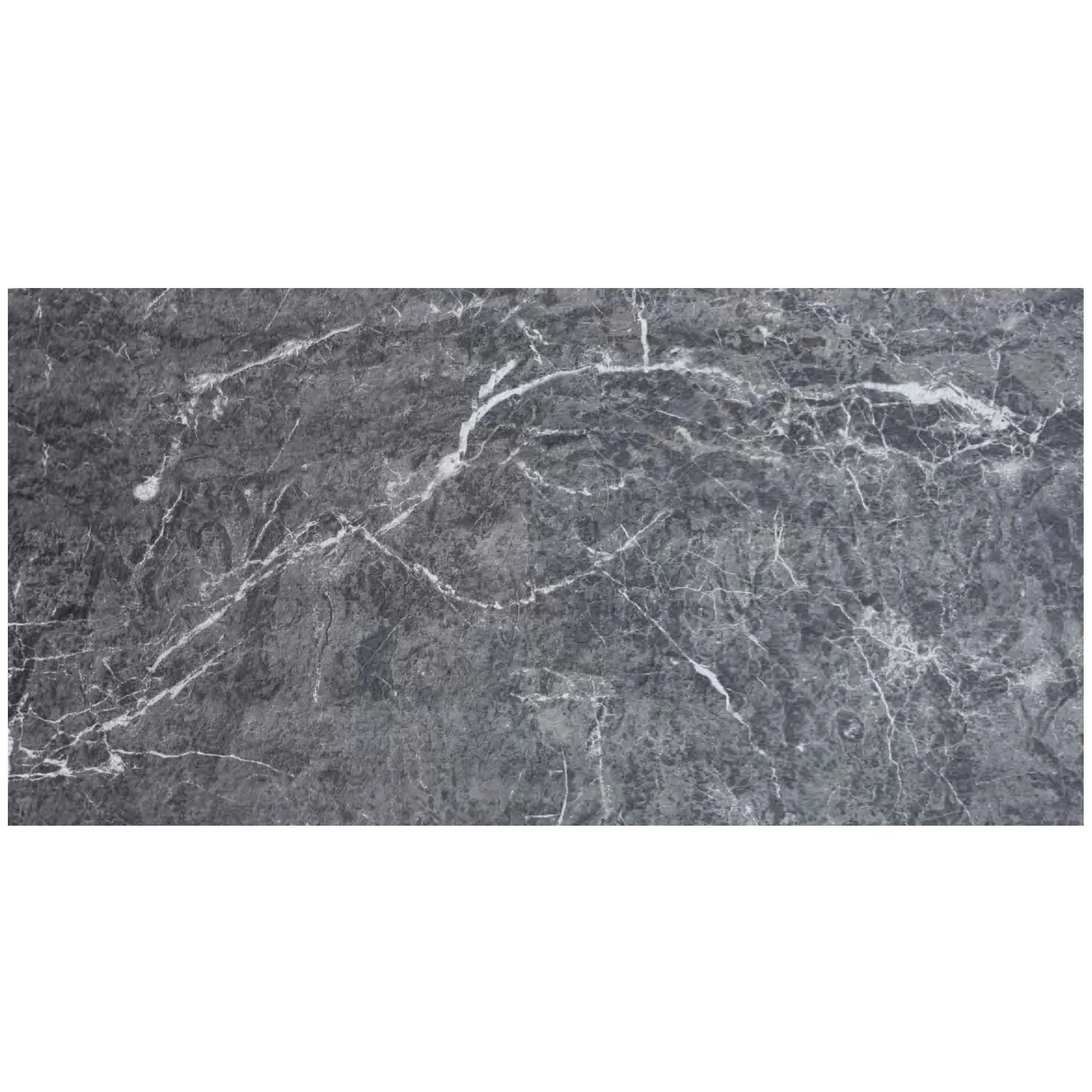
Let's start with the basics. Granite Nero Margiua isn't just a tongue-twister—it's a type of granite known for its deep, moody elegance. Picture a dark, almost black stone with subtle flecks of white, gray, or even gold, depending on the quarry. It's the kind of material that makes a statement without shouting, which is why it's a favorite for everything from kitchen countertops to building facades. But what really matters here is its reputation for durability. Granite, in general, is famous for being tough—think of ancient temples or historic monuments that have stood for centuries. Nero Margiua is no exception, but let's get specific about its lifespan.
Here's the short answer: under the right conditions, Granite Nero Margiua can last decades, even centuries . I'm talking 100 years or more for exterior use, and potentially a lifetime if it's indoors (like a countertop that's well-cared for). But "the right conditions" is the key phrase here. Let's unpack what that means.
First, granite is an igneous rock formed from cooled magma, which gives it a crystalline structure that's super dense. That density makes it resistant to scratches, heat, and even chemical damage—within reason. But its lifespan depends on where you put it and how you treat it. For example, a Nero Margiua facade in a dry, temperate climate might outlast one in a coastal area where saltwater spray is common. Salt can erode the stone over time if not sealed properly. Similarly, a high-traffic area like a hotel lobby floor will wear more than a decorative wall panel that rarely gets touched.
Let's break down the big ones:
Think about it this way: The pyramids were built with limestone, not granite, but they've lasted millennia. Granite is even harder, so with basic care, Nero Margiua has the potential to be a permanent fixture of your building's story.
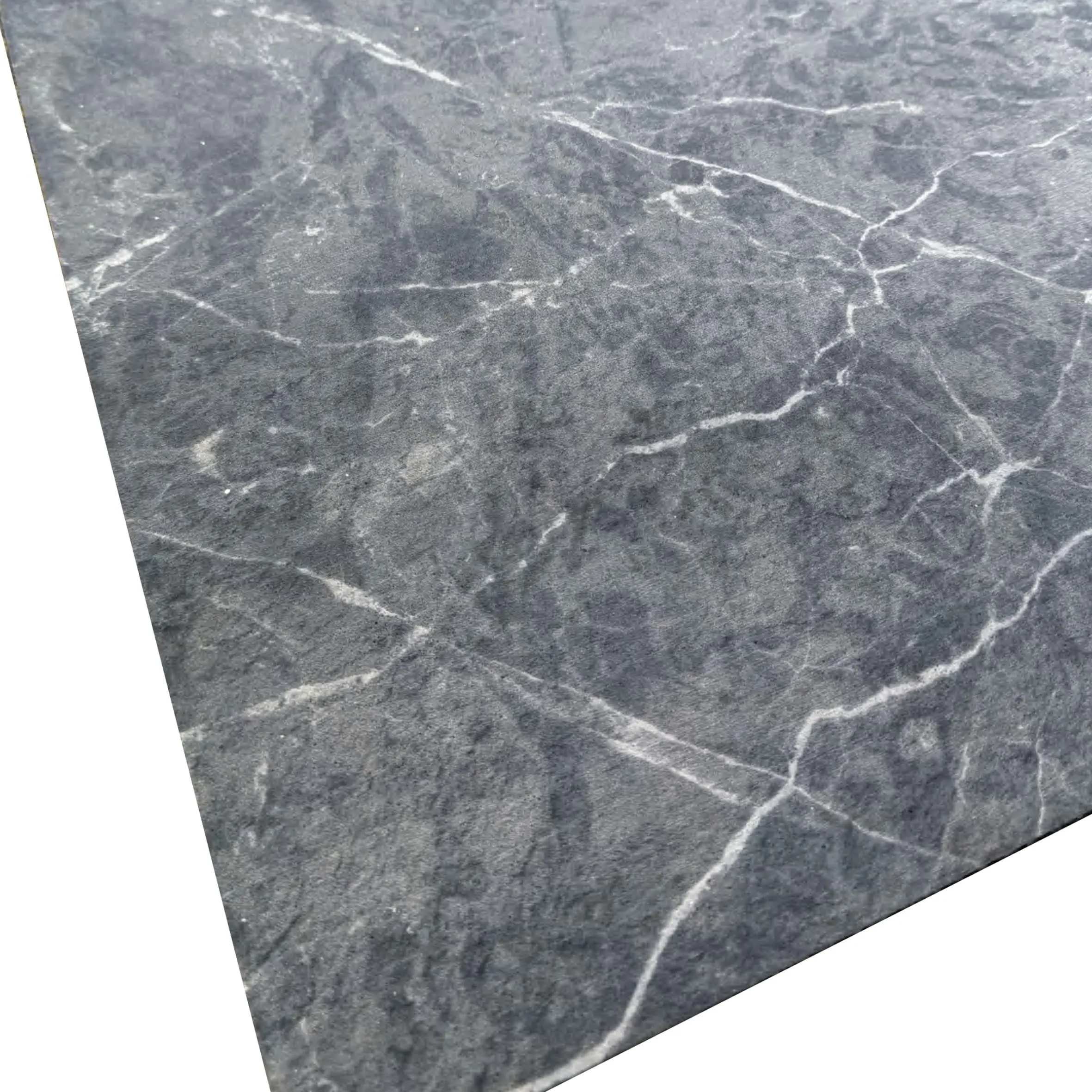
MCM stands for "Modified Composite Material," and if Granite Nero Margiua is the classic novel, MCM panels are the sleek, modern graphic novel. They're engineered materials made by bonding a thin layer of natural stone (like marble or, in some cases, MCM flexible stone) or other aggregates to a backing material, usually aluminum or fiberglass. The result is a panel that's lightweight, flexible, and durable—all traits that make it a hit in modern architecture.
You've probably seen MCM panels without realizing it. They're used on everything from trendy coffee shops to office buildings because they can mimic the look of natural stone (or wood, or concrete) but with less weight and easier installation. And yes, they're often paired with materials like fair-faced concrete for a raw, industrial vibe that's super on-trend right now.
Here's where things get interesting. MCM panels are newer than granite, so we don't have centuries of data, but manufacturers and industry experts estimate their lifespan at 30 to 50 years —and that's under normal conditions. Some high-quality MCM panels, especially those with robust backing materials and protective coatings, might push closer to 60 years. But again, it's not a set number; several factors play into it.
Let's start with the elephant in the room: they're composite, so their lifespan depends on the weakest link in their makeup. Here's what to watch for:
Maintenance for MCM panels is generally easier than for granite. A quick rinse with water and a soft brush is usually enough to keep them clean. They don't need sealing like natural stone, which is a big plus for busy property owners. But if a panel does get damaged, you can replace just the affected one—unlike granite, where you might have to redo an entire section. That's a practical advantage that can extend the functional lifespan of a building's facade, even if individual panels need swapping out.
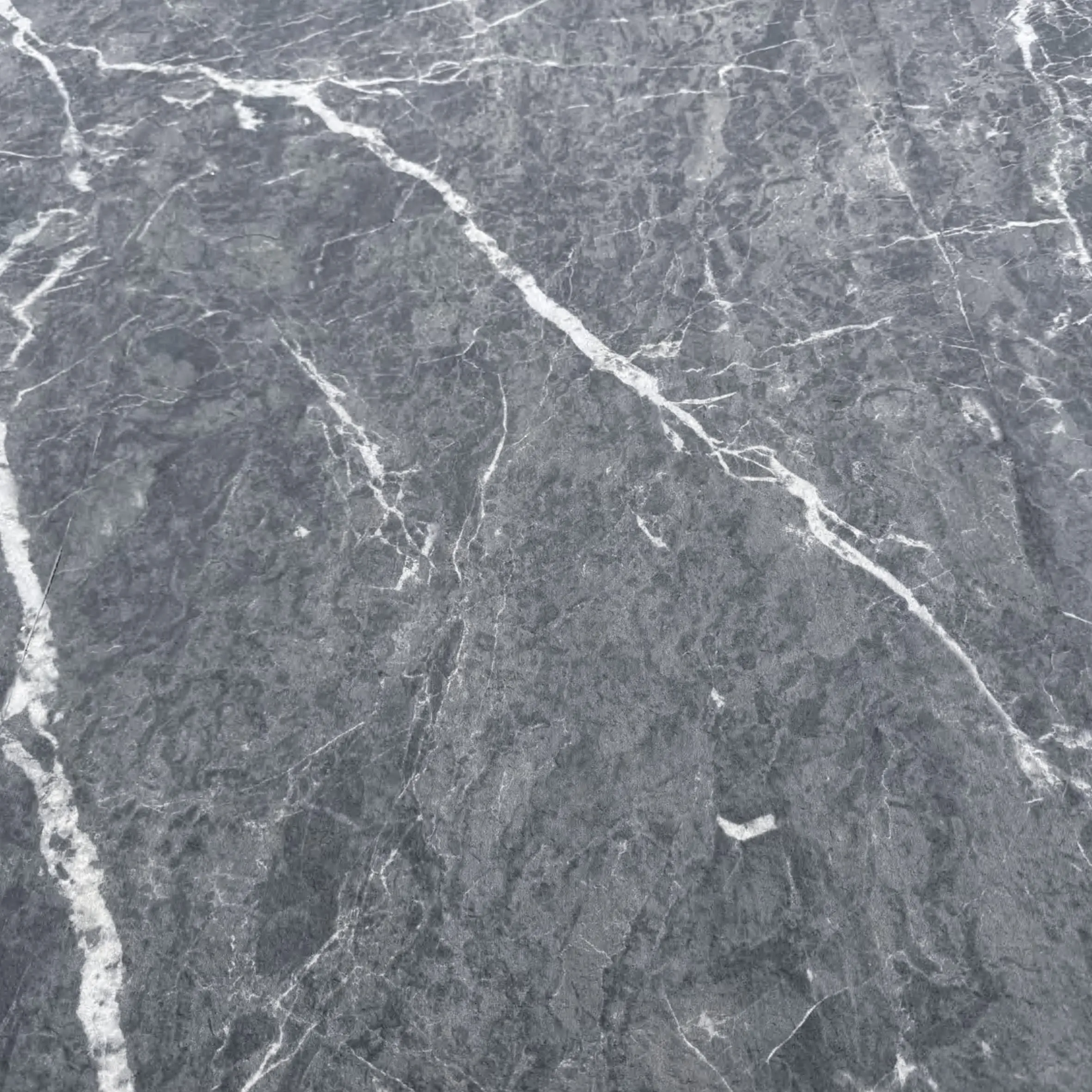
Let's put this all together in a table to make it easy to compare. We'll look at lifespan, key durability factors, maintenance, and more:
| Factor | Granite Nero Margiua | MCM Panels |
|---|---|---|
| Estimated Lifespan | 100+ years (exterior); potentially lifetime (interior) | 30–50 years (exterior); up to 60+ with high quality |
| Key Durability Traits | High density, scratch/heat resistant; vulnerable to saltwater and freeze-thaw cycles without sealing | Lightweight, flexible, impact-resistant backing; vulnerable to adhesive failure and UV fading |
| Maintenance Needs | Sealing every 2–3 years; regular cleaning with mild detergent | Minimal: occasional rinsing; no sealing needed |
| Installation Complexity | Heavy; requires structural support and skilled labor | Lightweight; easier to install, faster turnaround |
| Environmental Impact | Quarrying can be resource-intensive; long lifespan offsets some impact | Recyclable backing materials (aluminum); less waste during installation |
| Cost Over Time | Higher upfront cost; lower long-term maintenance | Lower upfront cost; potential replacement costs after 30–50 years |
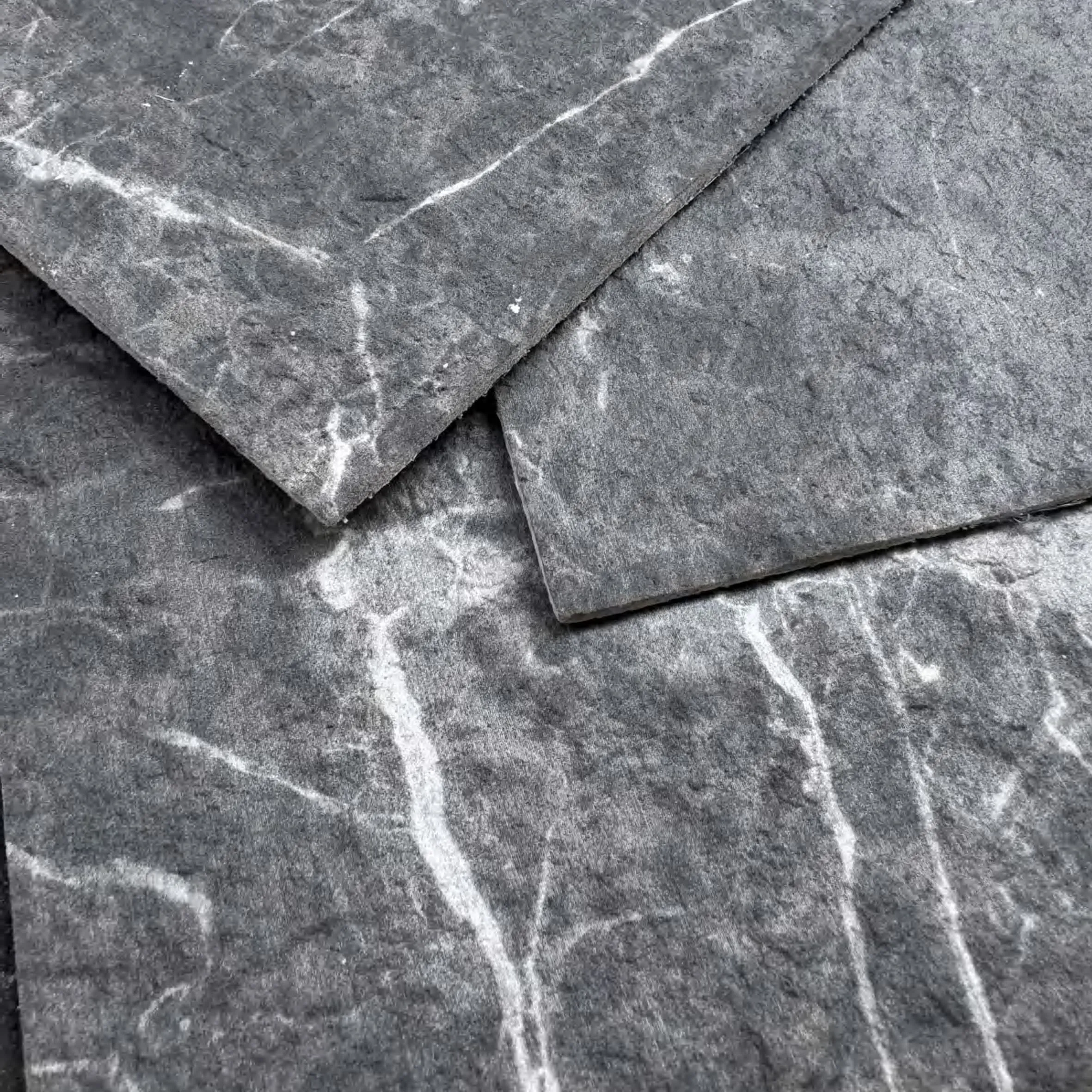
Numbers on a page are one thing, but real stories tell the tale better. Let's look at two hypothetical (but realistic) scenarios to see how these materials perform in action.
Imagine a beach house in Cape Cod, Massachusetts. The owner chooses Granite Nero Margiua for the exterior facade because they love its timeless look and want something that can handle the salty air and harsh winters. They hire a contractor who seals the stone properly and ensures the installation includes drainage to prevent water buildup. Every three years, they re-seal the stone, and after storms, they rinse off salt spray with fresh water.
Fast forward 50 years: The facade still looks rich and dark, with only minor wear around the base (from sand and foot traffic). The sealant has protected it from salt erosion, and the freeze-thaw cycles haven't caused major cracking. The homeowner's grandchildren might still be admiring that same facade in another 50 years. That's the power of granite when cared for.
Now, picture a 10-story office building in downtown Chicago. The architects want a modern, sleek look without the weight of natural stone, so they go with MCM panels that mimic the appearance of fair-faced concrete (a popular combo). The panels have an aluminum backing and a UV-resistant coating. The building is exposed to city pollution, wind, and occasional hailstorms.
After 30 years, the panels still look good, but there are signs of aging. A few panels have minor fading from UV rays, and one corner panel needs replacement after a hailstorm chipped the stone layer. The property manager replaces the damaged panel (a quick, affordable fix) and adds a fresh coat of UV protectant to the remaining panels. The building's facade gets a "refresh" instead of a full overhaul, and it's expected to last another 20 years before any major work is needed. That's MCM panels in action—practical, adaptable, and long-lasting enough for most commercial projects.
There's no one-size-fits-all answer here. It depends on your priorities. If you want a material that will outlive you, add value to a historic property, or you're building something with legacy in mind (like a family home), Granite Nero Margiua is hard to beat. Yes, it's heavier and more expensive upfront, but the longevity pays off.
On the other hand, if you're working on a modern project where weight, installation speed, or budget is a concern, MCM panels are a smart choice. They offer great durability for 30–50 years, which is more than enough for most commercial leases or even a homeowner's lifetime in a property. Plus, their flexibility means they can be used in creative ways (curved facades, for example) that would be tough with solid granite.
And let's not forget about combinations. Some projects use both: Granite Nero Margiua for accents or high-traffic areas, and MCM panels for larger facade sections to save weight and cost. It's all about balance.
At the end of the day, both Granite Nero Margiua and MCM panels have their place. Granite is the old soul with stories to tell for centuries, while MCM panels are the young innovator bringing fresh ideas to the table. The key is to match the material to your project's needs—whether that's a lifetime of durability or a flexible, modern solution that lasts long enough to make its mark.
And remember, lifespan isn't everything. A material that lasts 100 years but doesn't fit the aesthetic of your project won't make you happy every time you look at it. Similarly, a trendy material that fades in 20 years might not be worth the investment. So, weigh the pros and cons, think about how long you plan to own or use the space, and choose something that feels right for your story. After all, buildings are more than just walls—they're backdrops for life, and the best materials are the ones that grow with you.
Recommend Products












