
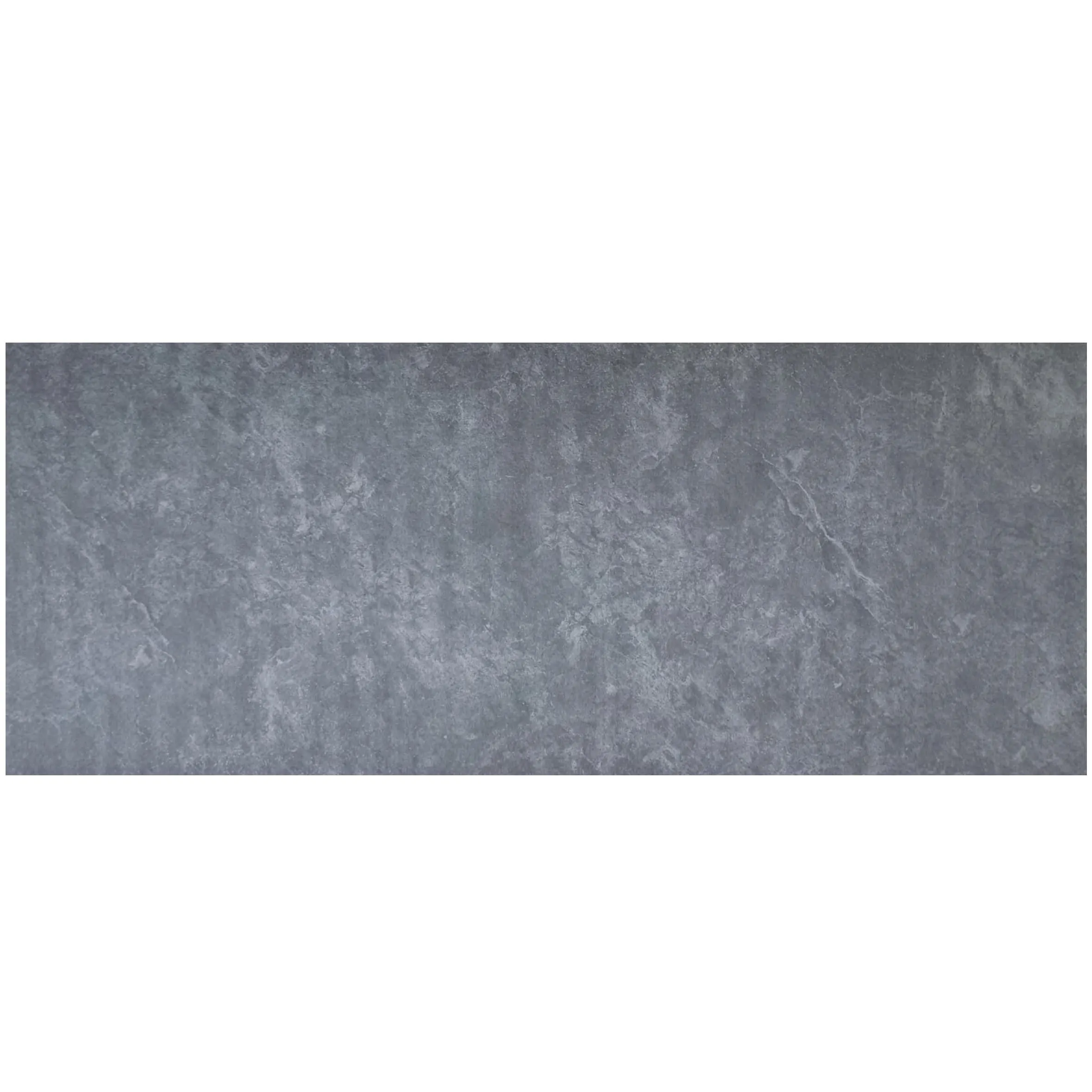
In the world of architecture, cladding panels are more than just skin—they're storytellers. They wrap buildings in character, weather the storms of time, and become silent witnesses to the lives unfolding around them. Among these, Marble Interstellar Gray stands out like a modern classic, its deep, smoky veining and cool undertones evoking the quiet grandeur of a starry night. But for architects, builders, and homeowners alike, one question lingers: How long will it last?
Let's start by getting to know this material. Marble Interstellar Gray isn't your average stone. It's a engineered marble, crafted to blend the natural beauty of traditional marble with the resilience needed for modern construction. Think of it as marble with a backbone—retaining the elegant swirls and depth of natural stone but reinforced to stand up to the demands of exterior and interior use. But even the sturdiest materials have lifespans shaped by a dance of factors: installation, environment, care, and the material's own inherent properties. Today, we're unpacking that dance to understand just how long Marble Interstellar Gray cladding panels can grace our spaces.
Before diving into lifespan, let's talk about what gives this material its staying power. Unlike raw marble, which is porous and prone to etching from acids or moisture, Marble Interstellar Gray undergoes a manufacturing process that densifies its surface and adds protective layers. This doesn't strip it of its soul—in fact, the engineering enhances its ability to showcase those iconic gray veins, making them more consistent and less likely to fade. It's a balance of nature and science, and that balance is key to its longevity.
But to truly grasp its lifespan, we need to compare it to peers. Let's take two other popular cladding materials from the MCM (Modified Composite Material) family: MCM flexible stone and fair-faced concrete . MCM flexible stone is celebrated for its lightweight flexibility, making it ideal for curved surfaces, but its lifespan tops out around 25–30 years in harsh climates. Fair-faced concrete, with its industrial-chic appeal, can last 50+ years but often develops hairline cracks over time, especially in freeze-thaw zones. Where does Marble Interstellar Gray fit in? Let's break it down.
| Material | Average Lifespan (Mild Climate) | Average Lifespan (Harsh Climate) | Key Durability Factor |
|---|---|---|---|
| Marble Interstellar Gray | 40–60 years | 30–45 years | Densified surface, moisture resistance, UV protection |
| MCM Flexible Stone | 25–30 years | 15–20 years | Flexibility, lightweight, but less impact-resistant |
| Fair-Faced Concrete | 50–70 years | 35–50 years | High compressive strength, prone to cracking in freeze-thaw |
As the table shows, Marble Interstellar Gray holds its own, often outlasting MCM flexible stone and approaching the longevity of fair-faced concrete—with the added bonus of aesthetic versatility. But these numbers are averages. Your panels could last longer… or shorter. It all depends on the conditions they face.

Imagine building a house on sand—it doesn't matter how strong the walls are; the foundation will fail. The same goes for cladding panels. Even the most durable material will underperform if installed poorly. For Marble Interstellar Gray, proper installation means ensuring a level substrate, adequate ventilation (to prevent moisture buildup behind the panels), and using the right adhesives or fasteners. A skilled installer will also account for thermal expansion—marble, like all materials, expands and contracts with temperature changes. If panels are too tightly fitted, they can warp or crack over time.
I once visited a restaurant where Marble Interstellar Gray cladding had started peeling after just 5 years. The culprit? The installer had used a generic construction adhesive instead of the stone-specific one recommended by the manufacturer. The adhesive broke down under humidity, leaving the panels loose. A simple mistake, but one that cut the lifespan by decades. Moral of the story: invest in certified installers who know the material's quirks.
Where you live matters—a lot. Let's say you install Marble Interstellar Gray on a beach house in Florida. The salty air, high humidity, and intense UV rays will test its mettle more than a panel on a downtown office building in Seattle, where rain is frequent but salt and UV are milder. Here's how different environments impact lifespan:
Marble Interstellar Gray isn't a "set it and forget it" material. Think of it like a leather jacket—with minimal care, it'll look worn in 5 years; with regular conditioning, it'll age gracefully for decades. Here's what maintenance looks like:
I spoke with a property manager in Chicago who's maintained the same Marble Interstellar Gray cladding on a luxury apartment building for 22 years. "We seal it every 4 years, power wash twice a year, and fix any chips within a week," he told me. "The panels still look like they did when we installed them. Tenants always comment on how 'timeless' the building feels." That's the power of care.
Not every "Marble Interstellar Gray" panel on the market is the same. Some manufacturers cut corners on the engineering process—using lower-quality resins or skimping on the densification step. These panels might look identical at first, but they'll fade, stain, or crack much faster. Always ask for certifications: look for panels tested for water absorption (should be <0.5%), flexural strength (>15 MPa), and UV resistance (ASTM G154 compliant). A reputable supplier will also provide a warranty—typically 10–15 years for material defects, which is a good indicator of confidence in their product.

Numbers on a page are one thing—real stories are another. Let's look at two case studies:
A 12-story office building in downtown Boston installed Marble Interstellar Gray cladding in 2005. Located in a humid, four-season climate with cold winters and hot summers, the panels face freeze-thaw cycles, rain, and city pollution. The building management team follows a strict maintenance schedule: annual sealing, bi-annual cleaning, and prompt repairs. As of 2025, the panels show minimal fading, no cracks, and retain their original gray veining. Engineers estimate they'll need replacement around 2050—putting their lifespan at 45 years. That's right on target for a harsh urban environment.
A coastal home in Santa Barbara, CA, used Marble Interstellar Gray for both exterior cladding and interior accent walls in 1998. The exterior panels face mild winters, year-round sun, and occasional salt breeze from the nearby Pacific. The homeowners clean the exterior twice a year and seal every 5 years. The interior panels, sheltered from the elements, haven't been sealed since installation. Today, the exterior panels show slight weathering (a softening of the vein edges) but no structural damage. The interior panels look brand new. The homeowners plan to replace the exterior panels around 2048 (50 years), while the interior panels could easily last another 30+ years.

Even with the best care, all cladding panels reach the end of their lifespan. Here are the red flags to watch for:
If you notice these signs, it's time to consult a professional. In most cases, replacement can be done section by section, so you don't have to redo the entire facade at once.

So, what is the lifespan of Marble Interstellar Gray cladding panels? On average, 30–60 years, with indoor panels leaning toward the higher end and outdoor panels in harsh climates toward the lower. But here's the thing: this isn't just about numbers. It's about investing in a material that ages with grace, that turns a building into a landmark, that future generations will look at and say, "They built this to last."
Whether you're designing a commercial space, a dream home, or a public building, Marble Interstellar Gray offers more than beauty—it offers longevity. Pair it with skilled installation, mindful maintenance, and a little love, and you'll have cladding that doesn't just cover a building, but becomes part of its legacy. After all, in a world of quick fixes and disposable trends, there's something deeply satisfying about choosing a material that's in it for the long haul.
So, go ahead—let your walls tell a story that lasts. Marble Interstellar Gray is ready to listen… and to last.
Recommend Products












