
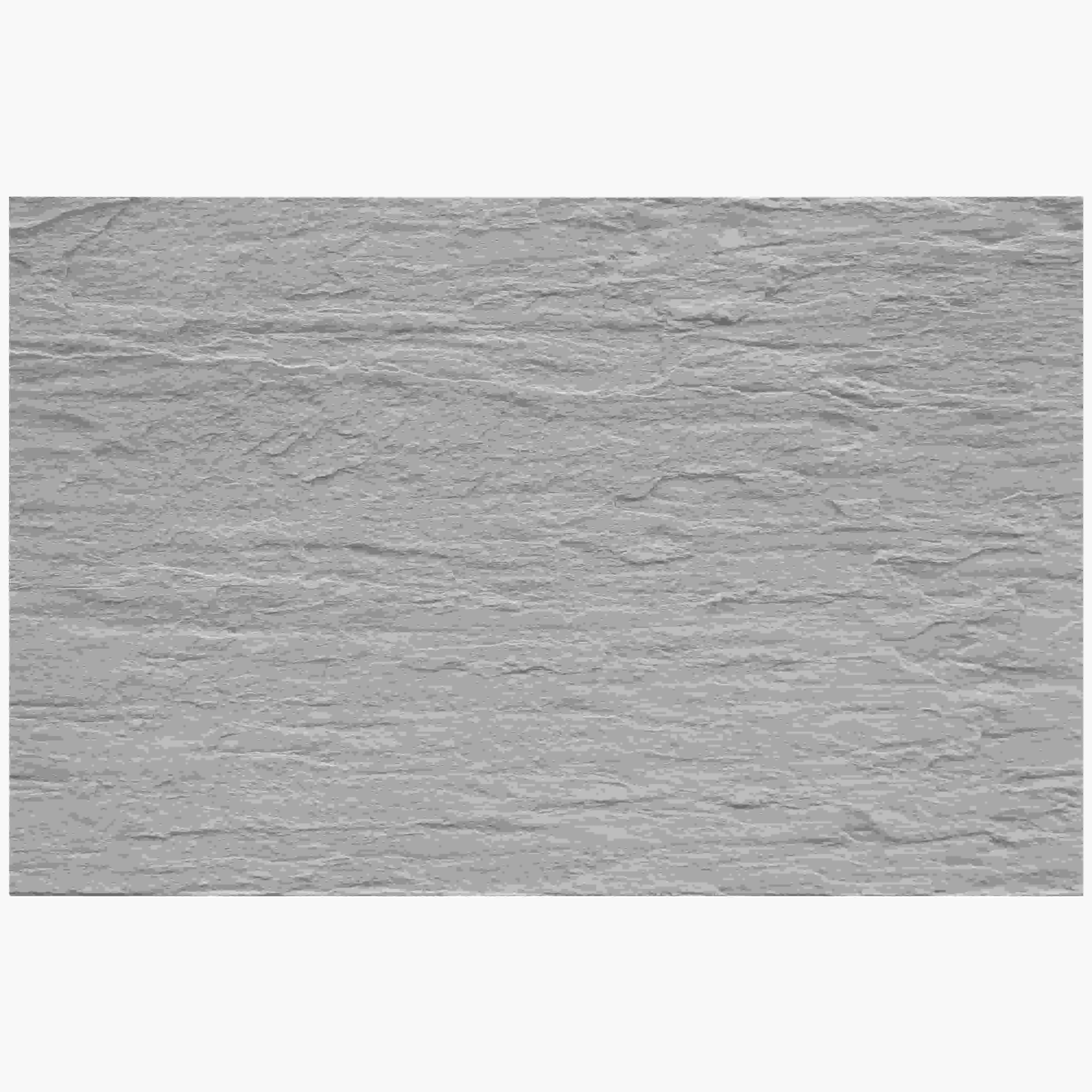
Buildings are more than just structures—they're storytellers. They stand witness to morning commutes, family gatherings, and the quiet passage of time. And at the heart of their ability to endure? The cladding that wraps them like a protective embrace. For architects, homeowners, and builders alike, the question isn't just "Does it look good?" but "Will it last?" Today, we're diving into one material that's been turning heads in the world of sustainable design: Oasis Stone Regular Cladding. How long can it truly stand the test of time, and what makes it different from the cladding materials of the past?
Before we talk about how long it lasts, let's get to know it. Oasis Stone Regular Cladding is part of a new generation of building materials born from the marriage of natural aesthetics and cutting-edge technology. At its core, it's a product of MCM flexible stone innovation—a lightweight, durable composite that mimics the look and feel of natural stone without the bulk or fragility. Think of it as nature's beauty, reimagined for the demands of modern life.
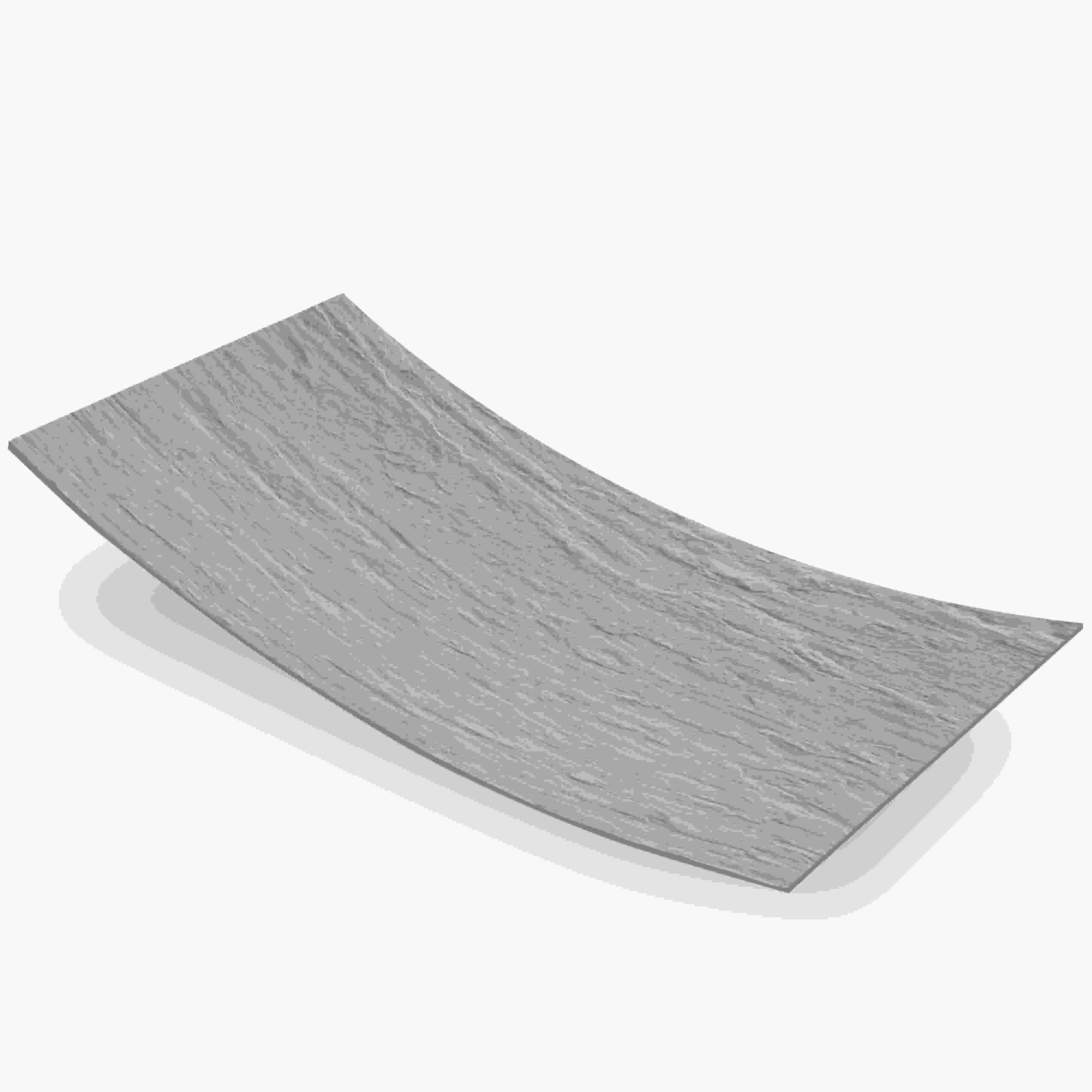
Unlike traditional stone cladding, which often requires heavy structural support and can crack under stress, Oasis Stone Regular is engineered to be flexible. It bends slightly with temperature changes, resists impact, and weighs a fraction of the stone it emulates. This isn't just about convenience; it's about longevity. By reducing the strain on a building's structure and avoiding the brittleness of natural stone, it sets the stage for a longer, healthier life.
And while it comes in a range of styles—from the earthy warmth of travertine (starry green) to the sleek minimalism of fair-faced concrete —the "Regular" line is designed as a versatile workhorse. It's the go-to for projects where reliability and consistency matter most, whether it's a residential facade, a commercial lobby, or a public plaza that sees thousands of footsteps daily.
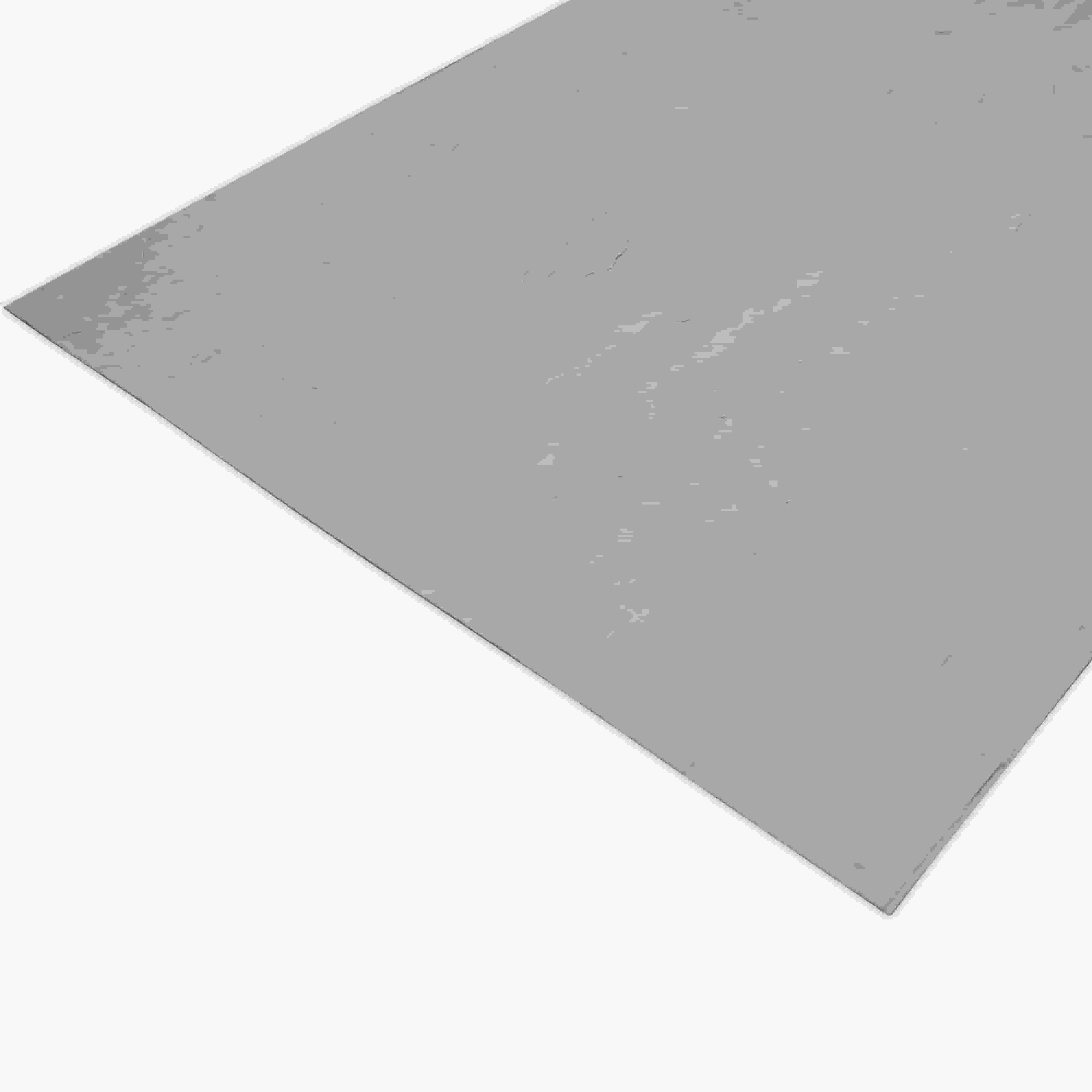
Longevity isn't an accident—it's engineered. Let's break down the factors that give Oasis Stone Regular Cladding its impressive lifespan:
MCM, or Modified Composite Material, is the secret sauce here. It's a blend of natural stone aggregates, polymers, and reinforcing fibers that creates a material stronger than many traditional options. The result? A cladding that resists water absorption (no more mold or mildew from trapped moisture), stands up to UV rays (no fading in harsh sunlight), and shrugs off chemical exposure (perfect for urban areas with pollution). Unlike solid stone, which can absorb water and crack when it freezes, MCM's low porosity acts as a shield against the elements.
Traditional stone cladding can weigh 30–50 kg per square meter. Over time, that weight strains walls and foundations, leading to cracks, shifting, and even structural damage. Oasis Stone Regular, by contrast, weighs in at just 8–12 kg per square meter. That's a huge reduction in stress on the building's frame, which means less wear and tear over decades. It's like choosing a running shoe that supports your feet instead of weighing them down—your body (or building) stays healthier, longer.
Buildings move. They expand in the heat, contract in the cold, and settle over time. Rigid cladding materials—like solid stone or even some concretes—can't keep up. They crack, loosen, or separate from the wall, creating gaps where water and pests sneak in. Oasis Stone Regular, thanks to its flexibility, moves with the building. It's not rigid; it's resilient. This adaptability is a game-changer for lifespan, especially in regions with extreme temperature swings.

Even the best materials need a little help to reach their full potential. Here are the key factors that can make or break how long your Oasis Stone Regular Cladding lasts:
A poorly installed cladding system is like a house built on sand—no matter how good the materials, it won't hold. Oasis Stone Regular requires precise installation: proper adhesion, adequate ventilation behind the panels, and attention to flashing (the seals that keep water out). Skilled installers know to leave tiny expansion gaps to accommodate movement and use compatible adhesives that won't degrade over time. Cut corners here, and even the most durable cladding will fail early.
A desert sun, coastal salt spray, freezing winters—each environment tests cladding differently. Oasis Stone Regular is designed to handle most climates, but it thrives in places where temperature extremes and moisture are balanced. In coastal areas, for example, regular rinsing to remove salt buildup can extend its life. In snowy regions, ensuring proper drainage to prevent ice dams (which can pry panels loose) is key. Think of it like caring for a plant: it's hardy, but it still needs the right conditions to flourish.
Here's the good news: Oasis Stone Regular isn't high-maintenance. Unlike fair-faced concrete , which often requires sealing every few years to prevent staining, or wood cladding, which needs regular painting, Oasis Stone needs minimal upkeep. A gentle wash with mild soap and water once or twice a year is usually enough to keep it looking fresh. Avoid harsh chemicals or power washing at high pressure (which can etch the surface), and inspect for loose panels or damaged seals annually. It's low-effort, but those small steps add years to its life.
To put Oasis Stone Regular's lifespan in perspective, let's compare it to other common cladding materials. The table below draws on industry data and real-world case studies to show how long each typically lasts under average conditions:
| Cladding Material | Average Lifespan | Key Advantages | Vulnerabilities |
|---|---|---|---|
| Oasis Stone Regular (MCM Flexible Stone) | 30–50 years | Lightweight, flexible, low maintenance, UV/water resistant | Installation-dependent; extreme impact can damage (rare) |
| Natural Travertine (e.g., Starry Green) | 20–30 years | Timeless beauty, natural texture | Heavy, porous (stains easily), prone to cracking |
| Fair-Faced Concrete | 25–40 years | Durable, industrial aesthetic | Needs sealing, prone to spalling (surface flaking) in freeze-thaw |
| Wood Cladding | 15–25 years (with treatment) | Warm, organic look | Rot, insect damage, UV fading, high maintenance |
The numbers speak for themselves. Oasis Stone Regular outperforms natural travertine and wood by a significant margin, and even gives fair-faced concrete a run for its money—all while being lighter, more flexible, and easier to care for. It's not just about lasting longer; it's about lasting better, with fewer headaches along the way.
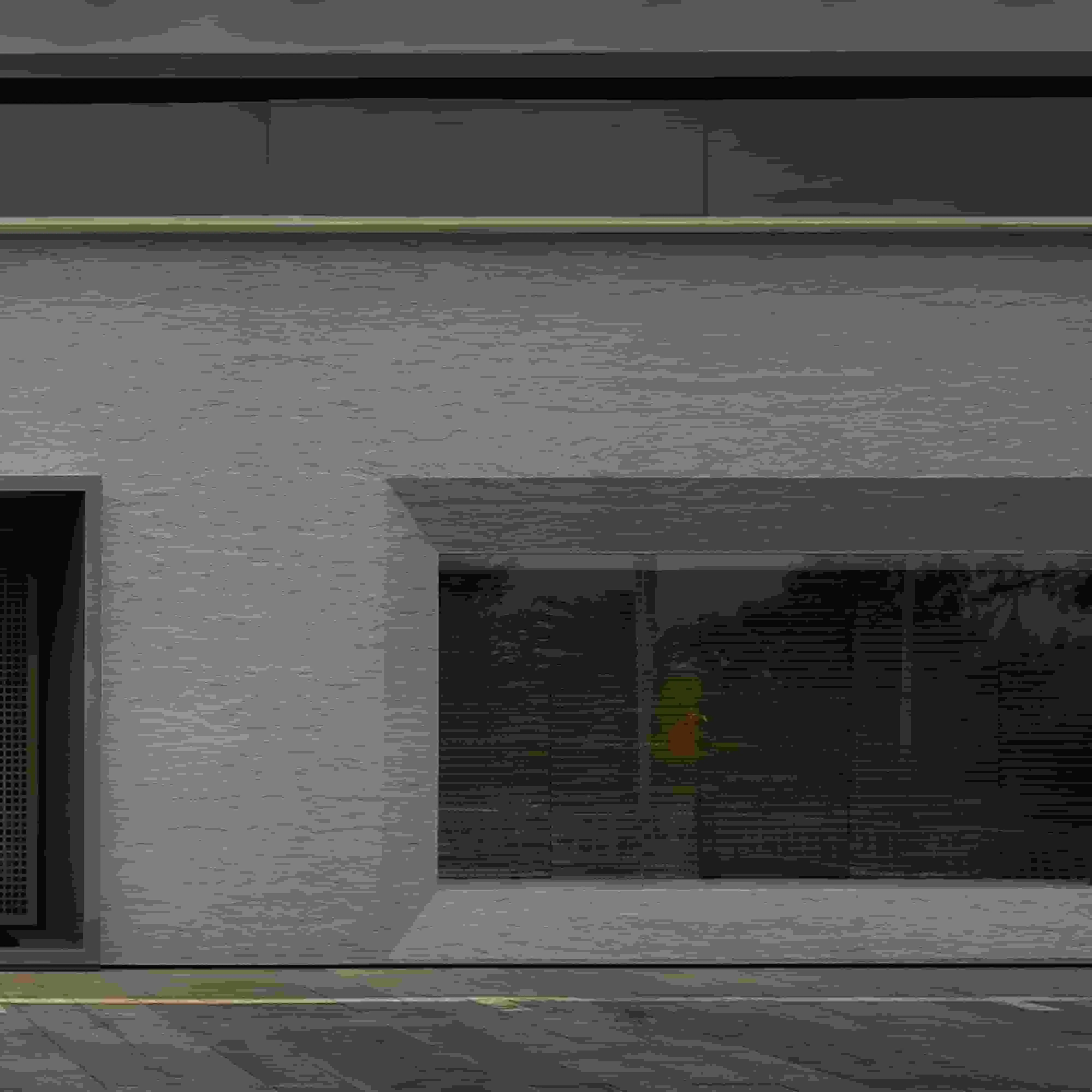
Data is one thing, but real buildings tell the truest stories. Take the Riverbank Residences in Portland, Oregon—a residential complex finished with Oasis Stone Regular in 2010. Located in a region with rainy winters and hot, dry summers, the cladding has now weathered 13 years of Pacific Northwest weather. A recent inspection found no cracks, fading, or water damage, and residents report it still looks as sharp as the day it was installed. "We chose it for the stone look without the upkeep," says building manager Maria Gonzalez. "A decade later, we're still glad we did."
Or consider the Sahara Mall in Dubai, which used Oasis Stone Regular in its outdoor walkways. Exposed to scorching 45°C summers and occasional sandstorms, the cladding has been in place since 2015. "We expected to replace sections by now," admits project architect Ahmed Khalid, "but apart from a few minor touch-ups after a particularly bad sandstorm in 2018, it's held up perfectly. The flexibility keeps it from cracking in the heat, and the color hasn't faded a bit."
Want to squeeze every last year out of your Oasis Stone Regular Cladding? Here are five easy habits to adopt:
At the end of the day, choosing cladding is about investing in the future. A building's facade isn't just for today's Instagram post—it's for the family that grows up inside, the business that expands, the community that gathers there. Oasis Stone Regular Cladding, with its 30–50 year lifespan, isn't just a material; it's a promise. It says, "I care about what lasts."
It won't eliminate all wear and tear—nothing does. But with MCM flexible stone technology, thoughtful installation, and basic care, it comes closer than many traditional options. It's a bridge between the beauty we crave and the durability we need, proving that in building, as in life, the best things aren't just made to look good—they're made to last.
So, if you're dreaming of a building that tells a long story—one that outlives trends and stands as a testament to smart design—Oasis Stone Regular Cladding might just be the quiet hero you've been looking for. After all, the most memorable buildings aren't just built—they're built to endure.
Recommend Products












