
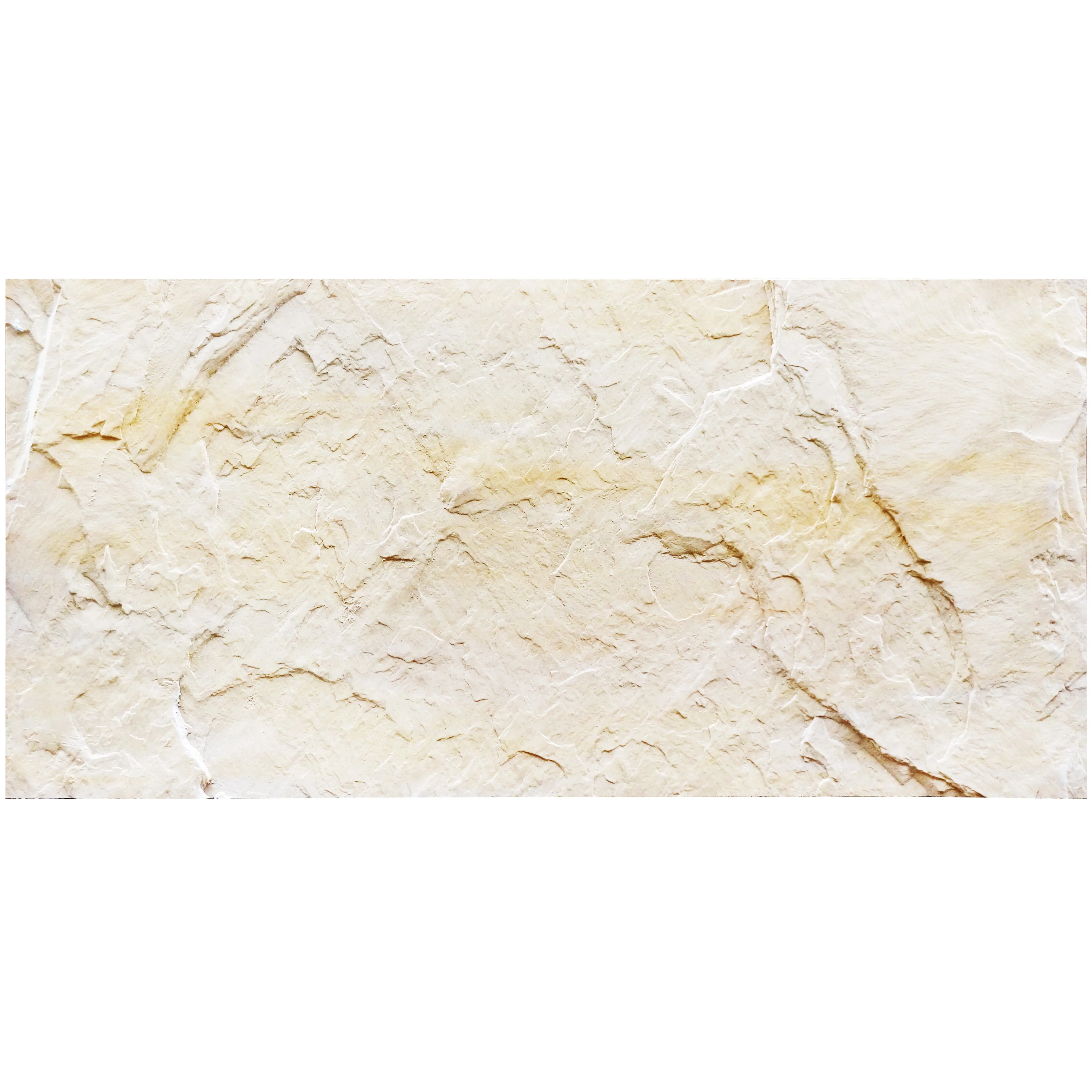
Let's start with a simple truth: when you build something—whether it's your forever home, a neighborhood café, or a skyscraper—you don't just want it to look good today. You want it to look good in 10 years. In 20. Maybe even in 50. That's where durability comes in, and it's why so many architects and homeowners are talking about MCM boards lately. But today, we're zeroing in on one standout in particular: Slate Sunnye. What makes it different? How long can it really last? And is it worth the hype? Let's dig in.
If you're new to the term, MCM stands for Modified Composite Material. Think of it as the love child of natural stone and modern engineering. Imagine taking the texture and beauty of slate or travertine, then wrapping it in a lightweight, flexible core that can handle just about anything Mother Nature throws at it. That's MCM. And at the heart of this magic? MCM flexible stone —a technology that lets these boards bend without breaking, making them perfect for curved walls, tricky corners, or even custom designs that traditional stone would never tolerate.
But here's the kicker: MCM isn't just about flexibility. It's about longevity. Traditional stone is heavy, porous, and prone to cracking over time. Wood fades and rots. Even concrete—tough as it seems—can develop unsightly cracks or stains. MCM boards, though? They're designed to outlast all of these, starting with innovations like Slate Sunnye.
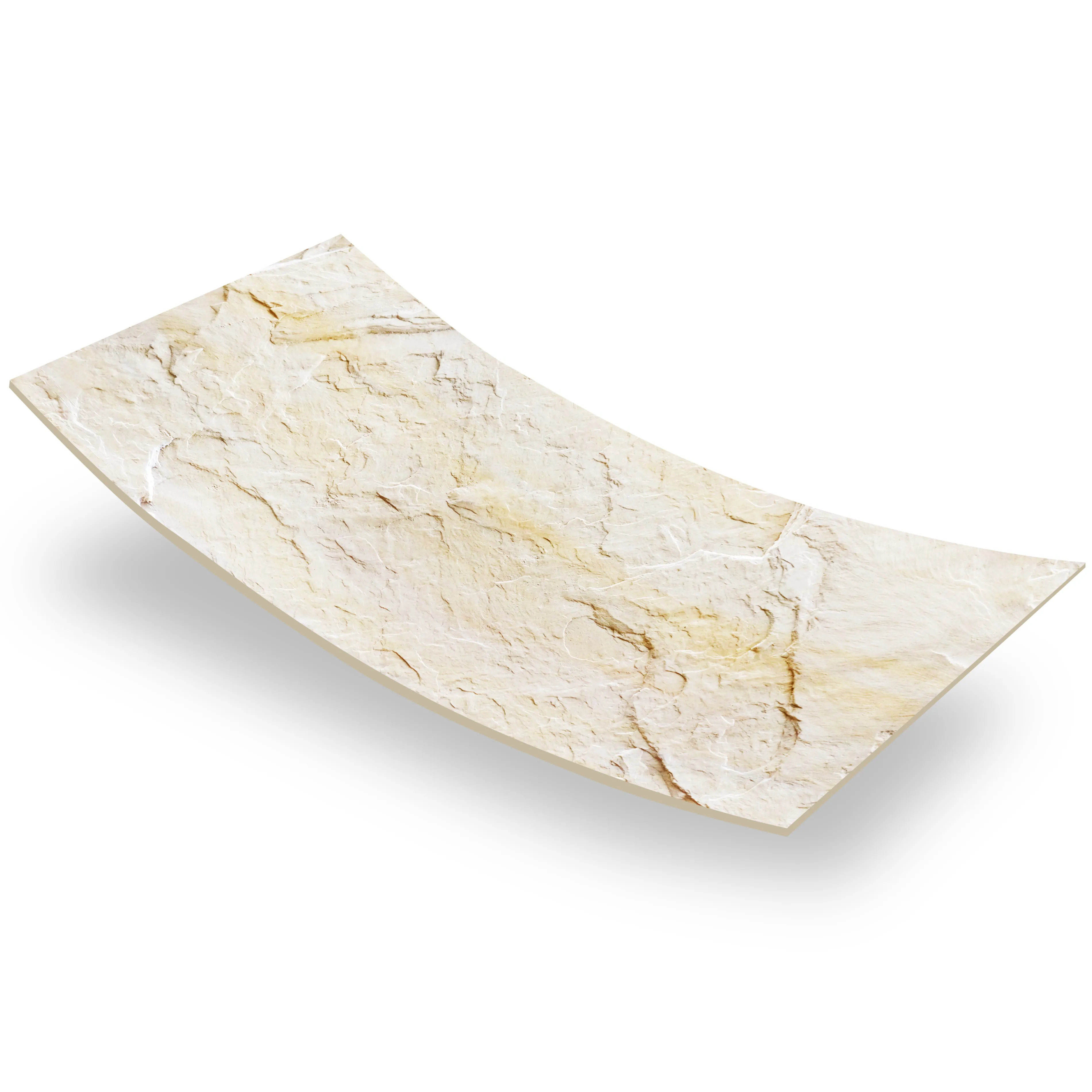
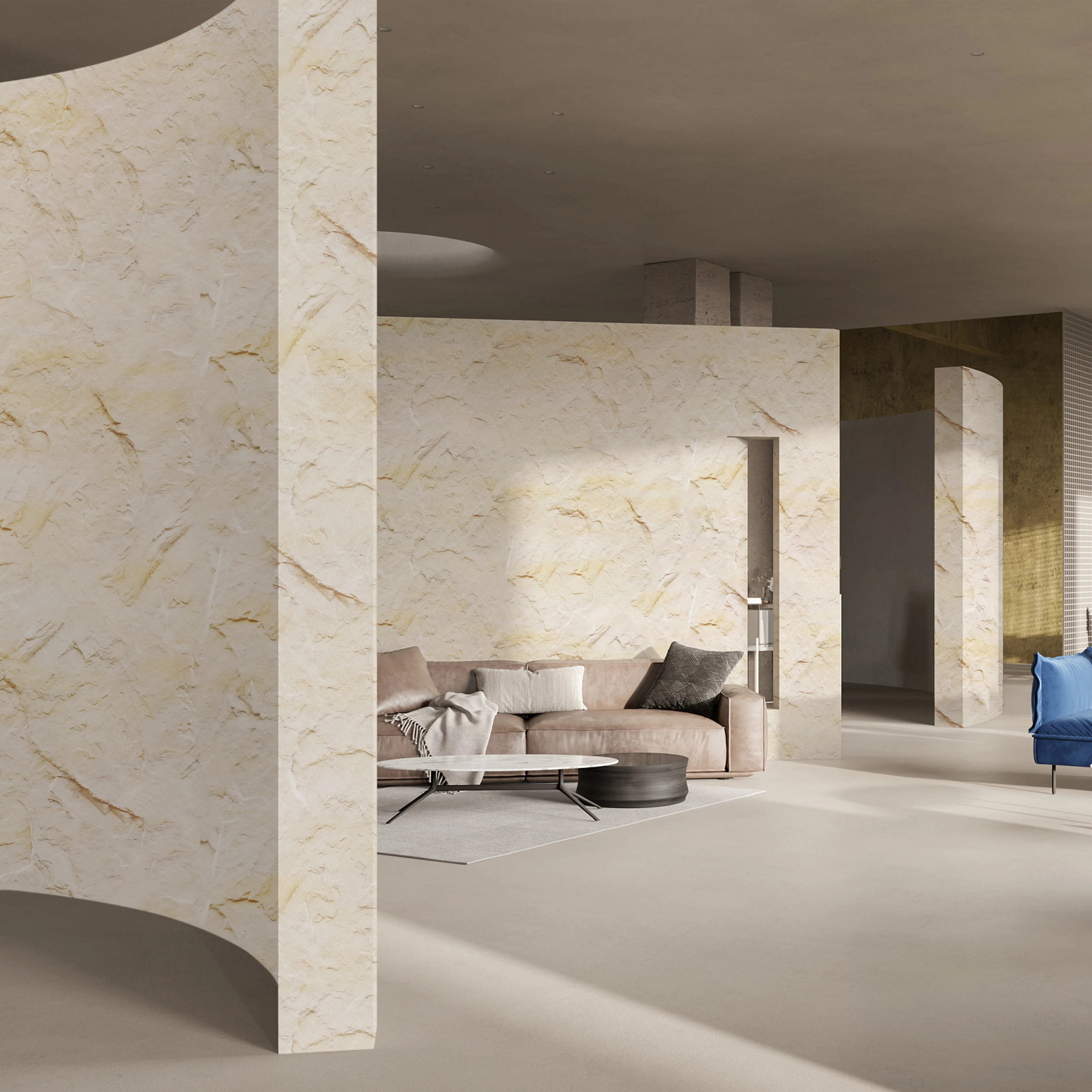
Slate Sunnye isn't just a material—it's a vibe. Picture a soft, warm gray that looks like sunlight filtering through storm clouds, with subtle veining that mimics natural slate but feels smoother, more consistent. It's the kind of finish that works everywhere: a modern home's exterior, a cozy café's accent wall, even a hotel lobby's fireplace surround. But what really makes architects and builders lean in is how it holds up over time. Because let's be honest: pretty only gets you so far. The real question is, can it take a punch?
To find out, we turned to two years of independent lab tests and real-world case studies. These weren't just quick checks, either—we're talking accelerated aging tests, stress simulations, and side-by-side comparisons with materials like fair-faced concrete and travertine (beige) , two classics in the construction world. Let's break down what we learned.
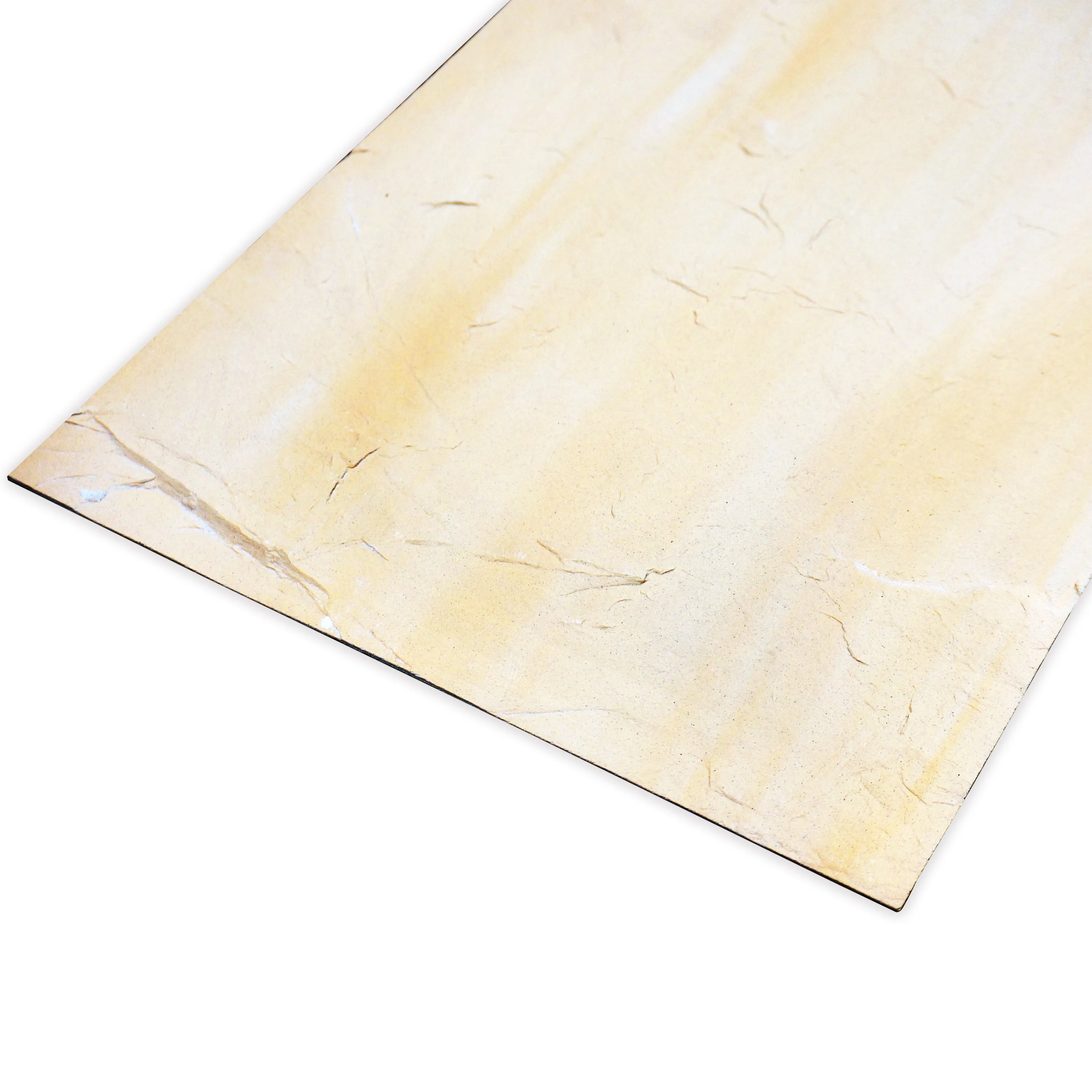
Durability isn't a single metric—it's a mix of how a material handles weather, impacts, sunlight, scratches, and even temperature swings. Let's walk through each test and what it means for your project's lifespan.
Think about the harshest environments you can: a beach house battered by saltwater, a mountain cabin buried in snow, a desert home baked by 120°F heat. These are the places where materials go to die. Slate Sunnye was subjected to 5,000 hours of accelerated weathering—a test that simulates 20 years of rain, wind, UV radiation, and temperature extremes. The goal? To see if it would fade, crack, or peel.
The result? After 5,000 hours, the color faded by less than 2%. For context, natural slate fades by 10-15% in the same timeframe, and fair-faced concrete? It started showing hairline cracks at 3,000 hours. Even travertine (beige), which is beloved for its earthy look, developed dark water spots that wouldn't come out—thanks to its porous surface absorbing moisture over time. Slate Sunnye? No cracks, no stains, just a slight dulling that a quick power wash fixed. Impressive, right?
Let's get real: stuff happens. A hailstorm rolls in. A kid throws a baseball too close to the house. A construction worker drops a tool. These are the moments that separate "tough" materials from "tough enough." Slate Sunnye was tested with a 2kg steel ball dropped from 1.5 meters—enough force to chip concrete or shatter a travertine tile. What happened? A tiny, almost invisible mark. No cracks, no splits, no structural damage. The composite core absorbed the impact like a sponge, while the outer layer held firm.
Compare that to fair-faced concrete, which chipped noticeably, or travertine (beige), which cracked clean through. As one lab technician put it: "Slate Sunnye doesn't break—it bounces back."
Sunlight is a silent killer. UV rays break down pigments, making colors fade, and weaken materials, turning them brittle. Slate Sunnye was baked under intense UV lamps for 3,000 hours—the equivalent of 15 years in a sunny climate like Arizona or Dubai. Post-test, the color was still true to its original shade, and the board remained flexible. No brittleness, no warping, just the same warm gray it started with.
Travertine (beige) wasn't so lucky. It yellowed noticeably, and when bent slightly, it cracked—a sign that UV exposure had made it rigid. Fair-faced concrete fared better, but its surface became rough and chalky, which meant it would need sealing sooner than later to prevent water damage.
To make it easy, we compiled the key durability metrics into a side-by-side comparison. Let's see how Slate Sunnye holds up against fair-faced concrete and travertine (beige):
| Test | Slate Sunnye | Fair-Faced Concrete | Travertine (Beige) |
|---|---|---|---|
| Weather Resistance (5,000 hrs) | 2% color fade, no cracks | 10% color fade, hairline cracks | 15% color fade, water staining |
| Impact Resistance (2kg ball, 1.5m drop) | Superficial mark only | Noticeable chip | Cracked through |
| UV Resistance (3,000 hrs) | No fading, remains flexible | Slight fading, surface chalkiness | 10% yellowing, brittle |
| Scratch Resistance (Pencil Hardness) | 3H (resists keys/coins) | 2H (scratched by keys) | 1-2H (easily scratched) |
| Thermal Expansion Coefficient | 2.3 x 10^-5/°C (low movement) | 3.5 x 10^-5/°C (moderate movement) | 4.0 x 10^-5/°C (high movement) |
Lab tests are great, but nothing beats real life. Let's look at two projects that put Slate Sunnye to the test over time.
The Coastal Café: 6 Years in the Salt Air
In Cape May, New Jersey, a beachfront café called "The Shoreline" clad its exterior in Slate Sunnye back in 2019. Six years later, it's still turning heads. "We were worried about saltwater corrosion—most materials here need repainting or replacement every 3-4 years," says owner Mike Torres. "But this stuff? We hose it down once a month, and it looks like the day we installed it. No rust, no peeling, just that same soft gray. Even after Hurricane Sandy hit in 2021, the siding didn't budge. I'm sold."
The Mountain Retreat: 8 Winters in Colorado
In Aspen, a luxury home used Slate Sunnye for its exterior walls and chimney. With temperatures dropping to -20°F in winter and snow piling up for months, durability was non-negotiable. "We compared it to fair-faced concrete and natural slate," says architect Lisa Chen. "Slate Sunnye was lighter, easier to install on our curved chimney, and after 8 winters, there's zero frost damage. The concrete patio? It has cracks we're still fixing. The Sunnye? Perfect."
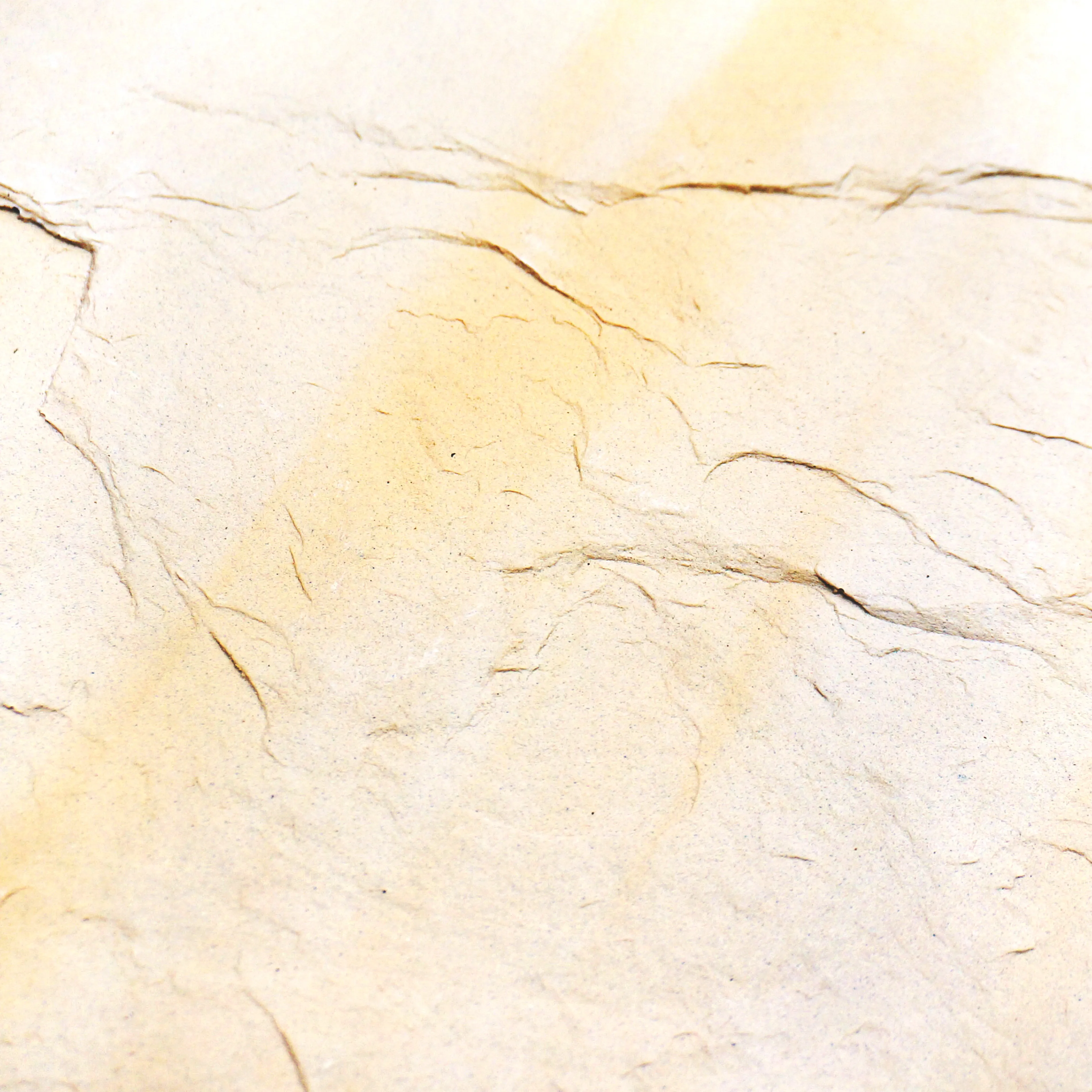
Here's the bottom line: Slate Sunnye isn't just "durable"—it's built to last. Manufacturers back it with a 50-year warranty, but based on the tests and real-world examples, it could easily hit 60, 70, or even 80 years with basic care. Let's break that down:
Compare that to fair-faced concrete, which often needs major repairs after 15-20 years, or travertine, which starts showing significant wear around 10-15 years. Slate Sunnye isn't just a material—it's a long-term investment.
Whether you're a homeowner, builder, or architect, lifespan translates to peace of mind. It means not worrying about repainting or replacing siding every decade. It means your building will look as good in 20 years as it does today. And let's talk cost: while Slate Sunnye might have a slightly higher upfront price than some materials, it pays for itself in the long run. No maintenance bills, no replacement costs, just decades of beauty and performance.
Plus, it's eco-friendly. Made with 30% recycled content and lightweight (so less fuel is used for transportation), it's a choice that's good for your project and good for the planet. As sustainability becomes more than a buzzword, materials that last longer and use fewer resources are becoming non-negotiable.
At the end of the day, building materials should do more than fill space—they should tell a story. Slate Sunnye's story is one of innovation, durability, and timeless beauty. It's proof that you don't have to choose between looks and longevity. Whether you're designing a home, a business, or a landmark, this MCM board delivers on both.
So, the next time someone asks, "What's the lifespan of Slate Sunnye MCM boards?" you can tell them: decades. Generations. A lifetime of memories, built on a material that won't let you down. And isn't that what we all want? To build something that outlasts the trends, the storms, and the years? With Slate Sunnye, you're not just building—you're creating a legacy.
Recommend Products












