
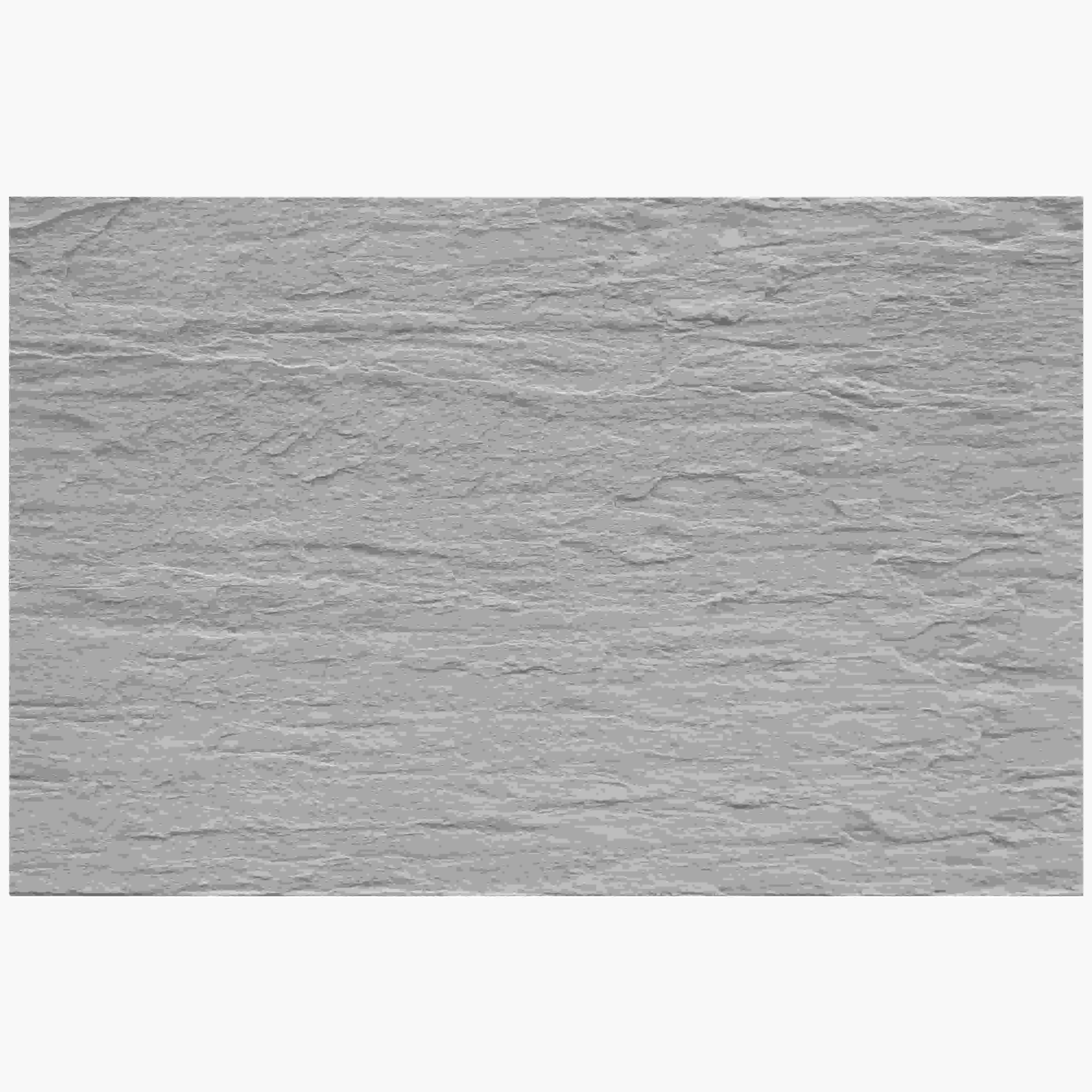
When it comes to designing a space—whether it's a sleek modern office, a cozy residential lobby, or a grand commercial facade—every detail counts. Architects and designers spend countless hours poring over color palettes, textures, and material durability. But there's one detail that often flies under the radar, yet plays a huge role in both aesthetics and functionality: thickness. Today, we're zooming in on a material that's been turning heads in the design world: Oasis Stone Regular panels. Specifically, we're answering the question that's on many creators' minds: What is the thickness of these panels, and why does it matter?
Before we dive into thickness, let's get to know Oasis Stone Regular panels a bit better. If you're familiar with the MCM flexible stone series, you'll recognize these panels as part of that innovative family. MCM, or Modified Composite Material, has revolutionized the building industry by offering the look and feel of natural stone with the added benefits of flexibility and lightweight design. Oasis Stone Regular, in particular, stands out for its earthy, organic texture that mimics the rugged beauty of natural stone—think sun-baked desert landscapes or weathered cliff faces—without the heavy weight or high maintenance of traditional stone.
These panels are a favorite among designers who want to balance authenticity with practicality. They're used in everything from accent walls in boutique hotels to exterior cladding on eco-friendly office buildings. But what truly sets them apart, beyond their stunning appearance, is their thoughtful engineering—including, you guessed it, their thickness.
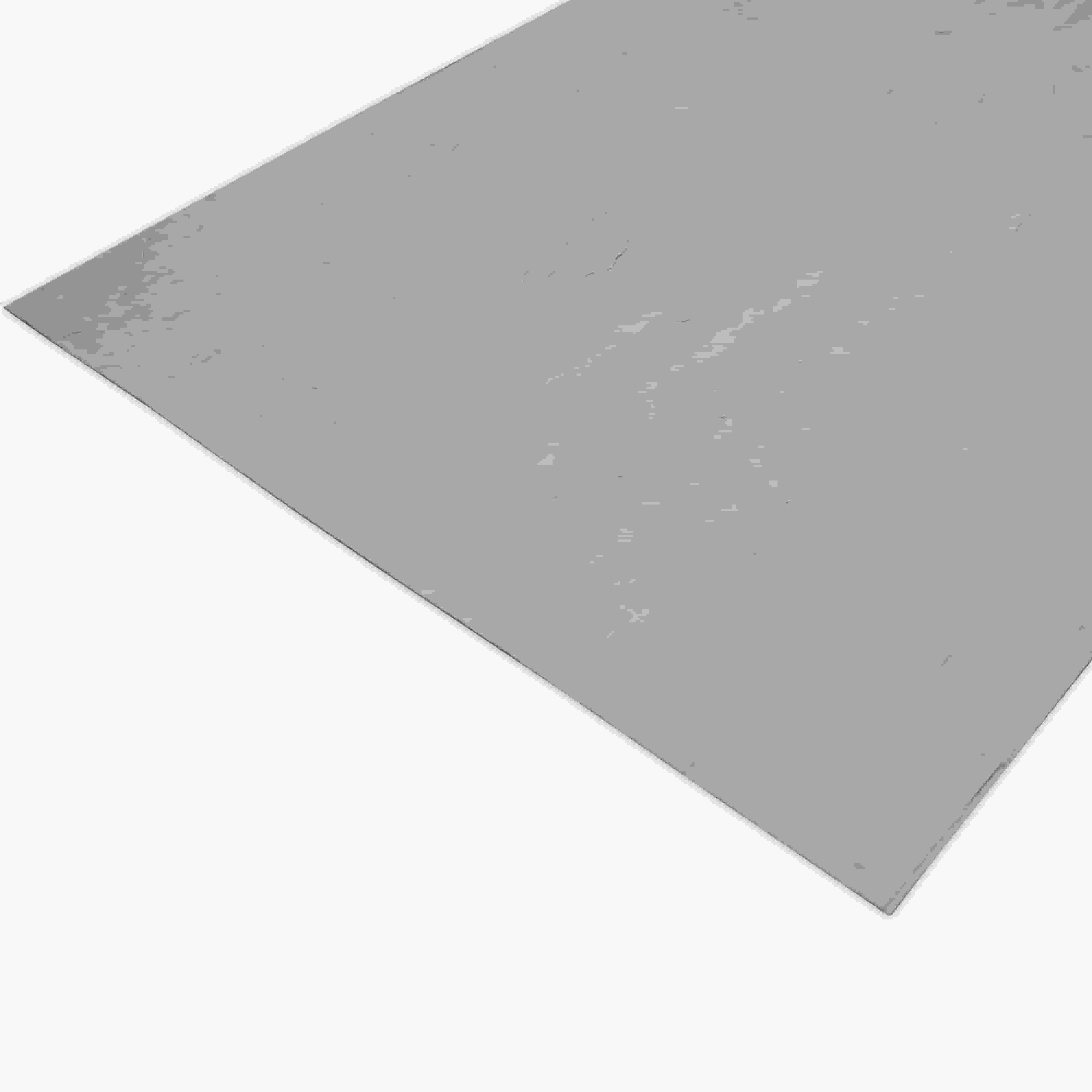
So, what's the magic number? After consulting with manufacturers and poring over product specs, the standard thickness of Oasis Stone Regular panels is 4-6 millimeters . That's right—just a few millimeters thick, yet surprisingly robust. But why this range? Why not thicker, like traditional stone, or thinner, like some ultra-lightweight composites?
The 4-6mm thickness is a carefully calculated sweet spot. Let's break it down: Flexibility is key here. MCM flexible stone is prized for its ability to bend slightly, making it ideal for curved surfaces or installations where rigid materials would crack. A thinner profile allows for that flexibility without sacrificing strength. Weight is another factor. Traditional natural stone can weigh 20-30 kg per square meter, putting strain on building structures. Oasis Stone Regular, at 4-6mm, weighs in at just 4-6 kg per square meter—light enough to reduce structural load, yet heavy enough to feel substantial and durable.
Durability, too, plays a role. Those few millimeters pack a punch: the panels are resistant to weathering, UV rays, and even minor impacts. They're designed to stand up to the elements, whether they're installed in a rainy coastal city or a dry inland area. So, that 4-6mm isn't just a number—it's a balance of form and function.

To truly appreciate Oasis Stone Regular's thickness, it helps to see how it stacks up against other popular building materials. Let's take a look at a few common alternatives and their typical thicknesses:
| Material | Standard Thickness | Key Traits Related to Thickness |
|---|---|---|
| Oasis Stone Regular | 4-6mm | Lightweight (4-6 kg/m²), flexible, easy to install on curved surfaces |
| Fair-Faced Concrete | 50-100mm | Heavy (120-240 kg/m²), rigid, requires strong structural support |
| Travertine (Starry Green) | 10-20mm | Moderate weight (25-50 kg/m²), natural texture but less flexible |
| Epoch Stone | 8-12mm | Durable, slightly heavier than Oasis Stone (8-12 kg/m²), more rigid |
As you can see, Oasis Stone Regular is significantly thinner than fair-faced concrete (which is known for its raw, industrial look but requires heavy structural support) and even thinner than travertine (starry green), a stunning natural stone with a galaxy-like pattern. Epoch stone, another popular MCM option, is a bit thicker, which gives it added rigidity but makes it less ideal for curved applications.
The takeaway? Oasis Stone Regular's 4-6mm thickness isn't just about being "thin"—it's about offering a unique combination of lightness, flexibility, and strength that's hard to find in other materials. It lets designers achieve the look of natural stone without the logistical headaches of heavy, rigid materials.
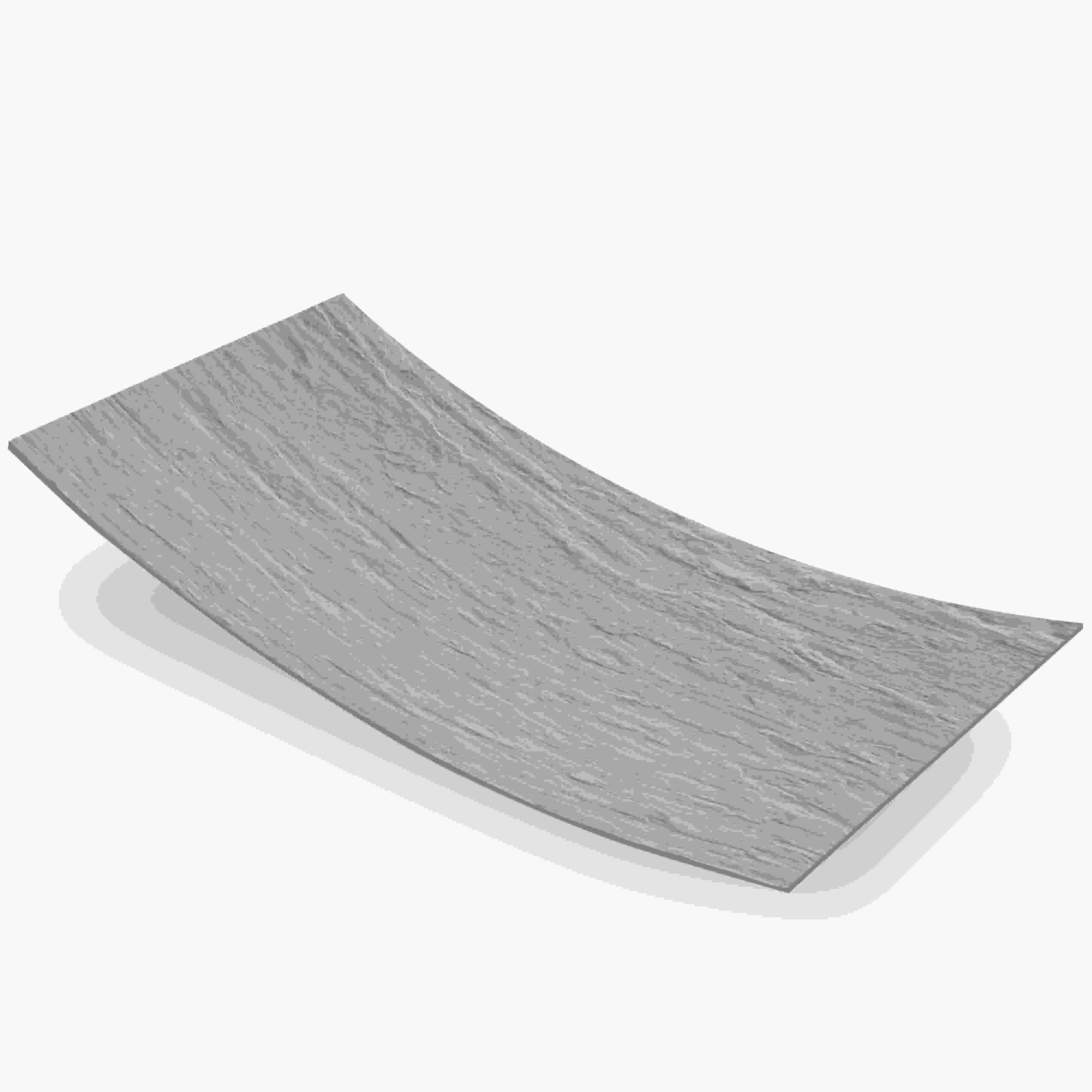
You might be thinking, "Okay, 4-6mm is thin—but how does that actually affect my project?" Let's get practical. The thickness of Oasis Stone Regular panels impacts everything from installation to long-term performance, and even the overall vibe of a space.
Installation Ease: Thinner panels are easier to handle. Imagine a team of installers working on a high-rise exterior—every kilogram saved reduces fatigue and speeds up the process. Oasis Stone Regular's lightweight nature also means it can be installed on surfaces that can't support heavy materials, like drywall in interior accent walls or existing brick facades that don't need extra structural reinforcement.
Design Versatility: That flexibility we mentioned earlier? It's a game-changer for creative designs. Want a curved feature wall in a hotel lobby? Oasis Stone Regular can bend to follow the curve without cracking, something that thicker, rigid materials like fair-faced concrete can't do. Thinner panels also mean more options for overlapping or layering, creating depth and texture in a way that bulkier materials can't match.
Durability Without the Bulk: Don't let the thin profile fool you—these panels are tough. The MCM flexible stone technology uses a composite core that's reinforced with fiberglass, giving it impressive impact resistance. In fact, many designers report that Oasis Stone Regular holds up better to everyday wear and tear than some thicker natural stones, which can chip or scratch more easily.
Cost Efficiency: Thinner panels mean less material per square meter, which can lower shipping and installation costs. Plus, since they're lighter, you might not need to invest in extra structural support, saving even more on construction expenses. For budget-conscious projects, that 4-6mm thickness can make a big difference in the bottom line.

You're probably curious: How do manufacturers create a panel that's just 4-6mm thick but so strong? It all comes down to the MCM production process. Oasis Stone Regular starts with a base layer of modified stone powder—think crushed natural stone mixed with polymers to enhance flexibility. This mixture is then pressed into thin sheets, reinforced with a fiberglass mesh for added strength, and finished with a protective coating that mimics the texture of natural stone.
The key here is the balance of materials. The polymers make the panel flexible, the stone powder gives it that authentic look and feel, and the fiberglass mesh adds tensile strength—all without adding unnecessary thickness. It's a process that's been refined over years, resulting in a panel that's as durable as it is beautiful.
So, when should you opt for Oasis Stone Regular's 4-6mm thickness? Here are a few scenarios where it shines:
Of course, every project is unique. If you need a panel with more rigidity—say, for a high-traffic exterior in a harsh climate—you might lean toward a thicker option like epoch stone. But for most applications where beauty, flexibility, and practicality are priorities, Oasis Stone Regular's 4-6mm thickness hits the mark.
At the end of the day, the thickness of Oasis Stone Regular panels—4-6mm—isn't just a technical detail. It's a design superpower. It lets architects and designers push boundaries, create spaces that feel both grand and intimate, and balance aesthetics with real-world practicality.
Whether you're dreaming up a cozy café with a stone accent wall or a sprawling commercial complex with a striking facade, these panels prove that sometimes, the best things come in small (and thin!) packages. So, the next time you're selecting materials for your project, don't overlook the thickness—because in the world of design, even a few millimeters can make all the difference.
And if you ever find yourself debating between materials, just remember: Oasis Stone Regular's 4-6mm thickness is more than a number. It's a testament to how thoughtful engineering can turn a simple panel into a tool for creative expression.
Recommend Products












