
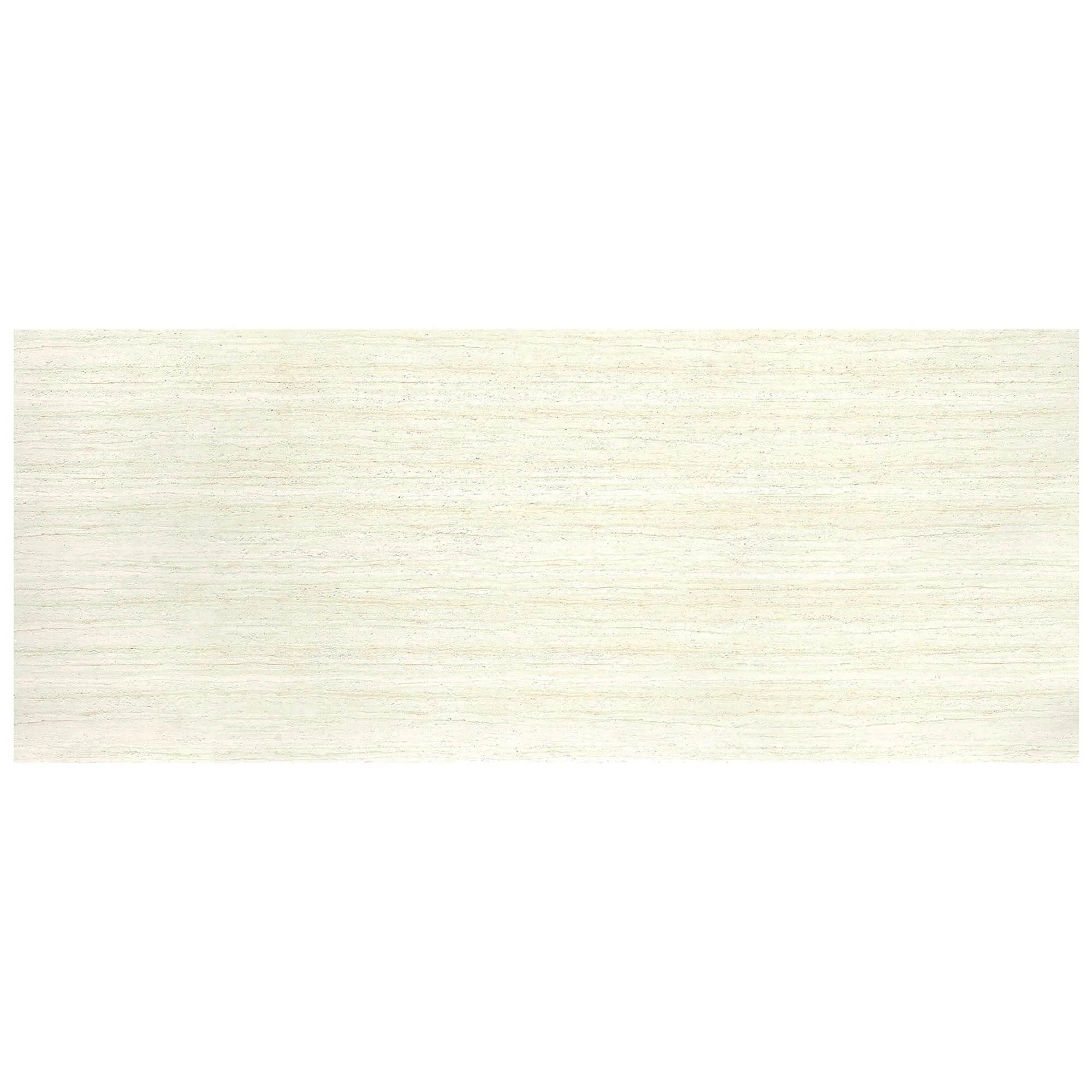
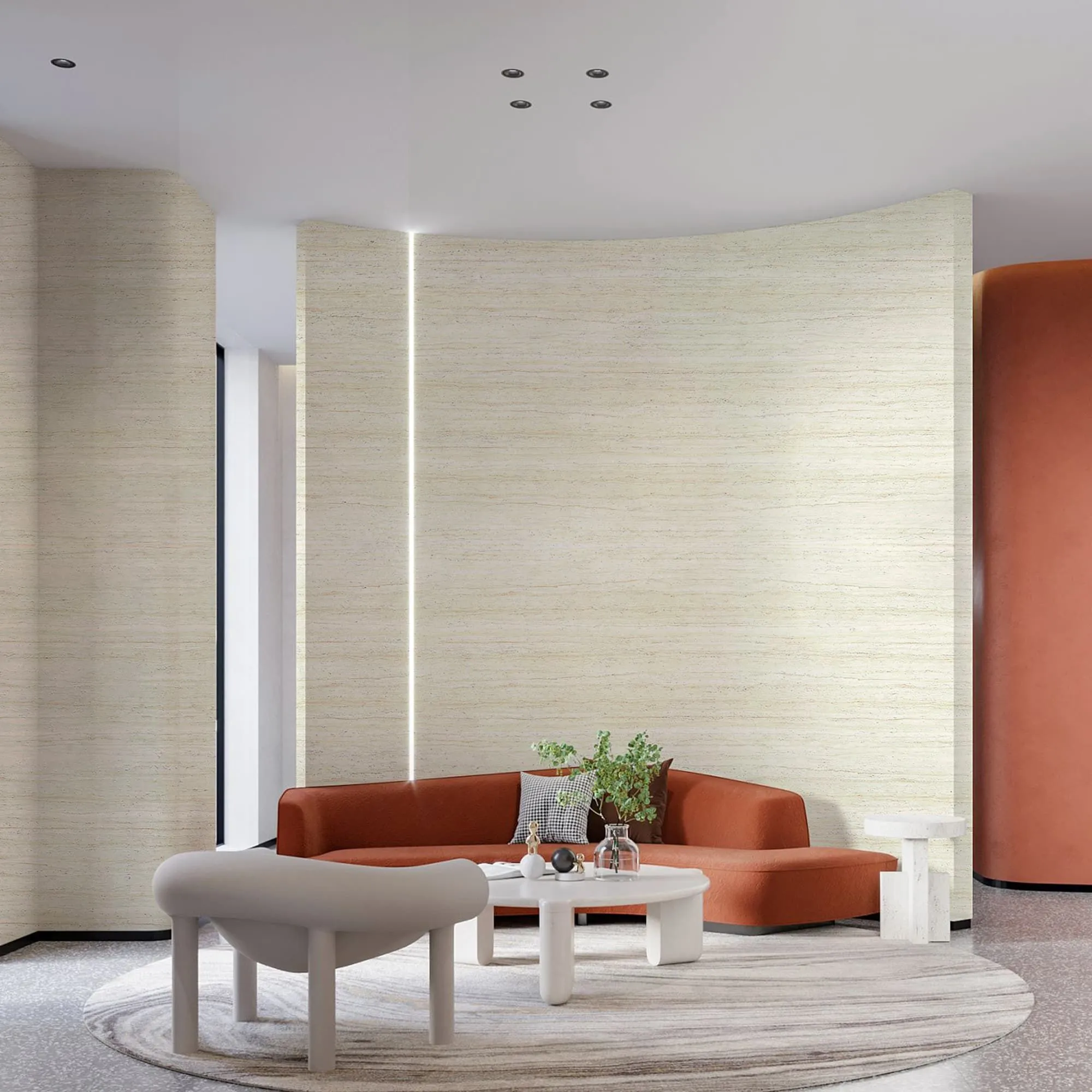
Walk into a modern boutique hotel, and you might pause at the lobby walls—they look like aged travertine, with subtle veins and a matte finish, yet they're surprisingly thin and light. Visit a restaurant with a façade that mimics the texture of bamboo mats, or a home where the exterior wood grain board resists warping despite years of rain and sun. These are the hallmarks of MCM building materials, and at the core of their magic lies Thread Technology. Far more than a manufacturing quirk, this innovation is redefining how we balance aesthetics, durability, and sustainability in construction. In this guide, we'll unpack what Thread Technology is, how it works, and why it's becoming a go-to choice for architects, designers, and homeowners alike.
Before diving into Thread Technology, let's ground ourselves in the basics: MCM, or Modified Composite Material, is a category of cladding and surfacing solutions designed to replicate the look and feel of natural materials—think stone, wood, concrete—while overcoming their limitations. Traditional materials like solid stone or hardwood are heavy, prone to cracking, and often require intensive installation. MCM changes the game by combining natural aggregates (like stone powder or wood fibers) with a polymer matrix, creating panels that are lightweight, flexible, and durable. And among the many advancements in MCM production, Thread Technology stands out as a process that elevates both performance and design versatility.
At first glance, MCM panels might look indistinguishable from their natural counterparts. A travertine (starry blue) MCM panel, for example, captures the organic pits and crystalline sparkle of natural travertine, but it weighs a fraction of the real thing. Similarly, wood grain board MCM mimics the warmth of oak or teak without the risk of rot, termites, or shrinkage. But what makes these panels truly remarkable is their ability to bend, curve, and adapt to complex architectural shapes—something natural stone or solid wood can rarely do. That's where Thread Technology comes into play.
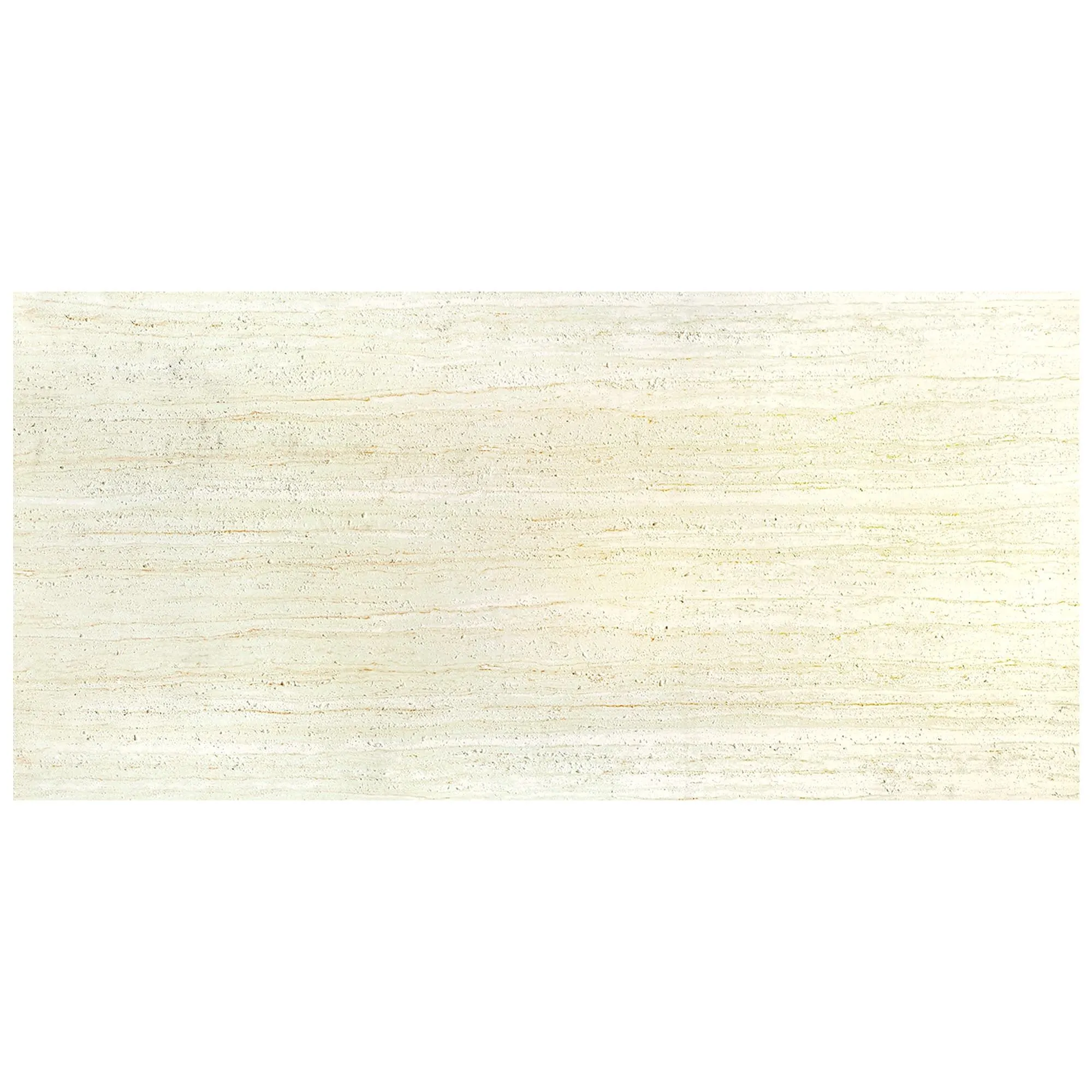
So, what exactly is Thread Technology? Put simply, it's a manufacturing process that embeds ultra-fine, high-strength fibers (or "threads") into the MCM matrix during production. These threads—often made of fiberglass, carbon fiber, or specialized polymers—act like a hidden skeleton, reinforcing the panel from within. But their role isn't just structural; they also enhance the material's ability to hold intricate textures, patterns, and colors, making it possible to replicate even the most delicate natural details.
Imagine baking a cake with a layer of thin, flexible mesh inside. The mesh doesn't change the cake's flavor or appearance, but it prevents it from cracking when you slice it, and helps it hold its shape if you want to mold it into a curve. Thread Technology works similarly: the threads are so fine (often thinner than a human hair) that they're invisible to the naked eye, but they add tensile strength, flexibility, and dimensional stability to the MCM panel. This means the panel can be bent into arcs, wrapped around columns, or installed on uneven surfaces without cracking or delaminating.
The Thread Technology process begins with the preparation of the MCM base mix: a blend of natural aggregates (like limestone powder for fair-faced concrete MCM or bamboo fibers for bamboo mat board ), resin binders, and additives for UV resistance or fire retardancy. This mixture is then spread onto a production line, where a specialized machine weaves or distributes the reinforcing threads into the wet matrix. The threads are arranged in a grid or random pattern, depending on the desired flexibility and strength—grid patterns offer directional reinforcement for panels that need to bend along specific axes, while random patterns provide uniform strength for all-around durability.
Once the threads are embedded, the panel is compressed under high pressure to remove air bubbles and ensure the threads bond tightly with the matrix. It's then cured at controlled temperatures to harden the resin, locking the threads in place. The final step is finishing: the panel is sanded, etched, or coated to replicate the texture of the target material. For travertine (starry blue) , this might involve creating tiny pits and adding metallic pigments to mimic the stone's natural sparkle. For wood grain board , it could mean embossing precise wood-like grooves that align with the direction of the reinforcing threads, enhancing both realism and strength.
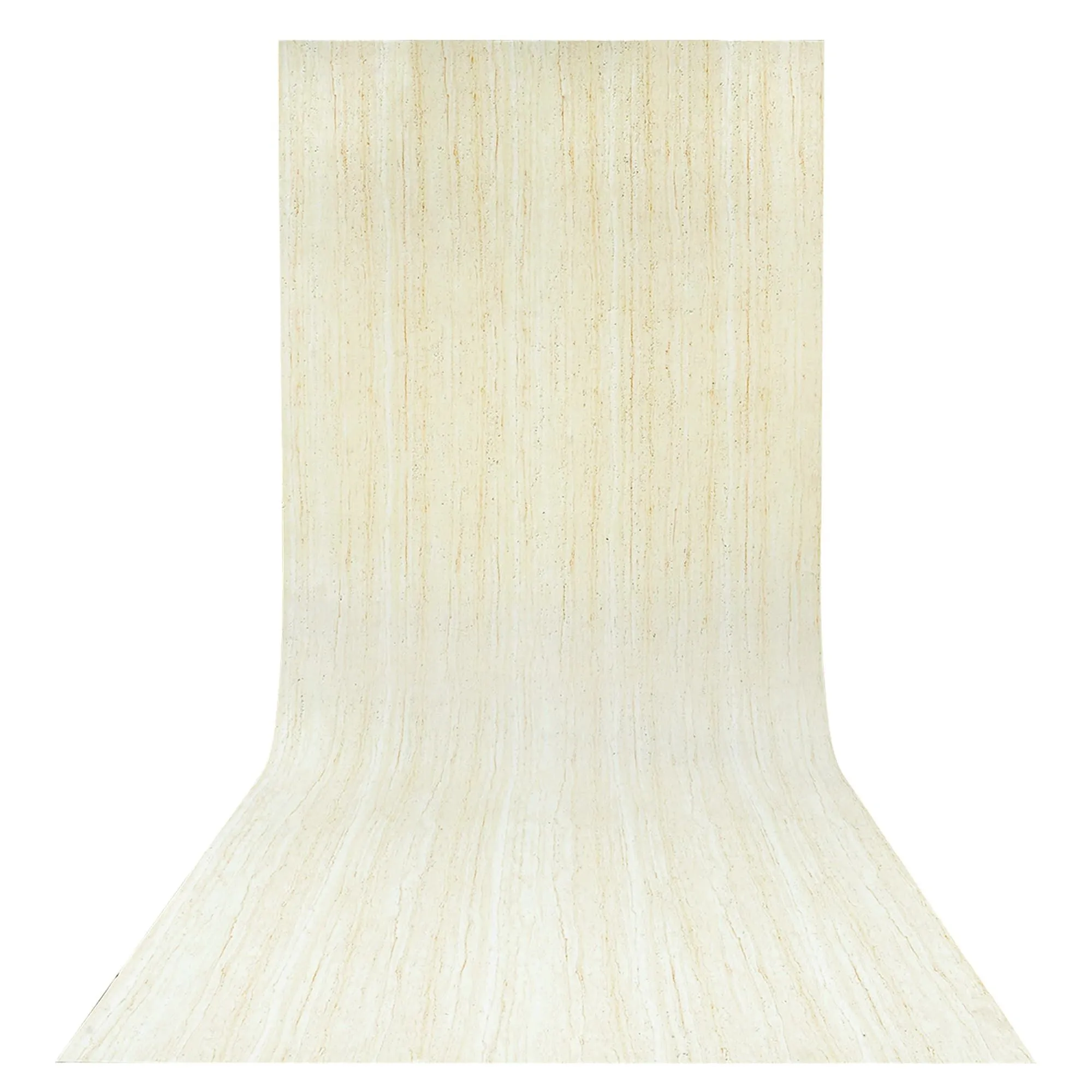
Thread Technology isn't just a technical achievement—it solves real-world problems for builders, designers, and property owners. Let's break down its key benefits:
Traditional building materials are heavy. A square meter of solid travertine can weigh 20–30 kg, requiring heavy machinery and structural reinforcement to install. MCM panels with Thread Technology, by contrast, weigh just 2–5 kg per square meter. This lightness reduces installation time and labor costs—panels can often be installed by two people using simple tools—and eliminates the need for reinforced walls or foundations. For retrofits or historic buildings where structural weight is a concern, this is a lifesaver.
Ever wanted a curved stone wall or a wavy wood ceiling? Traditional materials make this difficult—stone is rigid, wood bends but may crack. Thread Technology MCM panels, however, can flex up to 30 degrees (depending on thickness) without losing integrity. This opens up a world of design possibilities: think rounded façades, spiral staircases clad in bamboo mat board , or auditorium ceilings shaped like waves using travertine (starry blue) panels. Architects no longer have to compromise on vision due to material constraints.
The embedded threads act as a barrier against cracking and impact. Unlike natural stone, which can chip if struck, or wood, which warps with moisture, Thread Technology MCM panels resist damage from hail, foot traffic, and even minor collisions. They're also resistant to UV rays, so colors like the deep blue of travertine (starry blue) won't fade over time. Many manufacturers back these panels with 15–20 year warranties, a testament to their longevity.
Thread Technology doesn't just improve performance—it enhances aesthetics. The precision of the thread embedding process allows for incredibly detailed textures. Want the rough-hewn look of fair-faced concrete ? Thread Technology ensures the panel's surface mimics the natural pores and color variations of poured concrete. Craving the soft, woven texture of bamboo mat board ? The threads help maintain the integrity of the mat-like pattern even when the panel is bent. Whether you're going for a industrial vibe with fair-faced concrete or a tropical feel with bamboo mat board , Thread Technology makes it possible to achieve lifelike detail without the drawbacks of natural materials.
Natural stone mining and hardwood logging are resource-intensive, often leading to deforestation, soil erosion, and waste. MCM production, by contrast, uses recycled aggregates (like stone powder from quarry waste) and requires less energy to manufacture. Thread Technology further boosts sustainability by extending the lifespan of MCM panels—since they're durable and low-maintenance, they need fewer replacements over time, reducing overall material consumption. Plus, their lightweight nature cuts down on transportation emissions, making them a greener choice for eco-conscious projects.
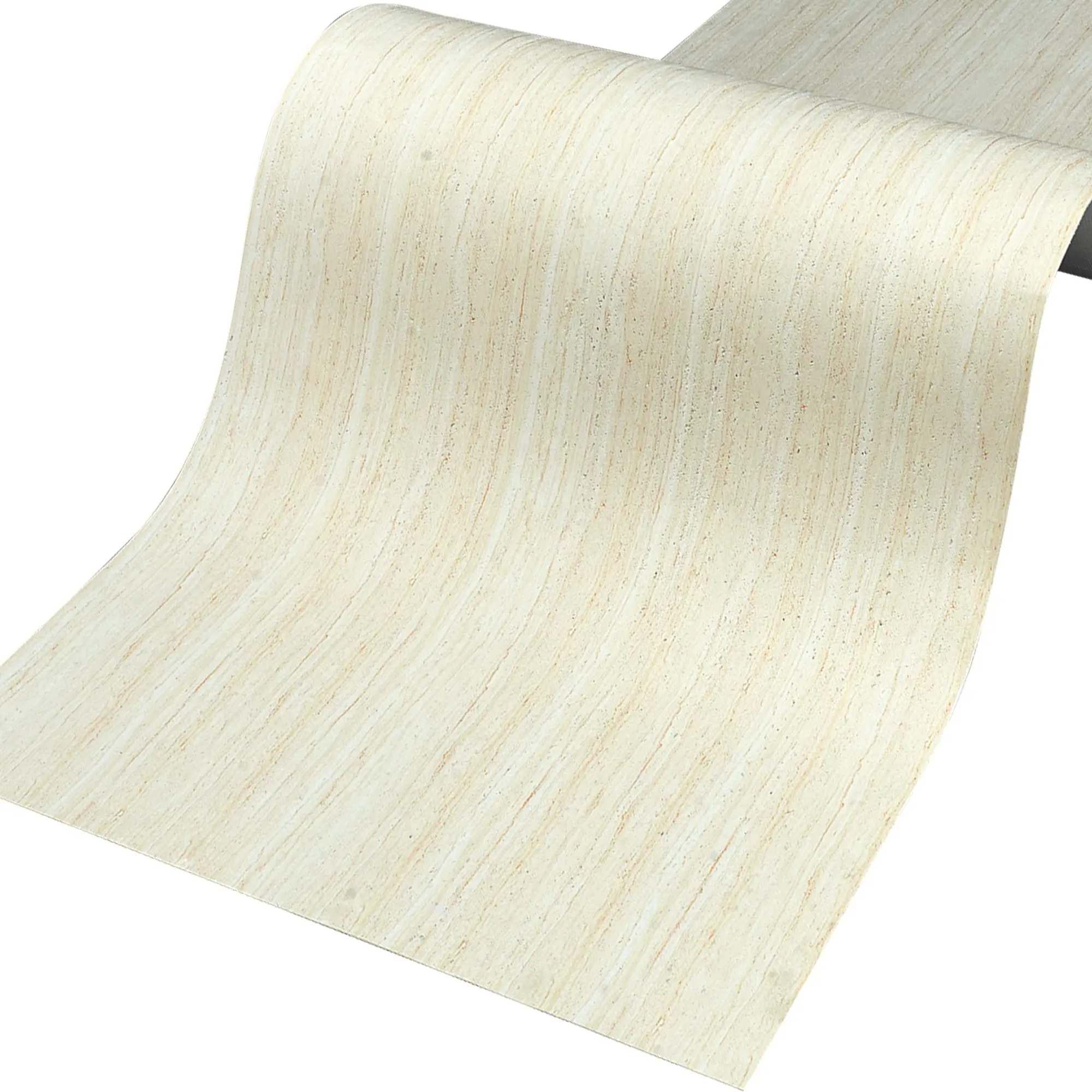
Thread Technology MCM panels aren't limited to one type of project—their versatility makes them suitable for residential, commercial, and public spaces alike. Here are a few examples of how they're being used:
Homeowners love MCM panels for their ability to boost curb appeal without the upkeep. A wood grain board exterior cladding adds warmth to a modern home, while travertine (starry blue) accent walls in a living room create a focal point that feels both luxurious and cozy. In bathrooms, where moisture is a concern, Thread Technology MCM panels resist mold and mildew, making them a smarter alternative to natural stone.
In hospitality and retail, first impressions matter. A boutique hotel might use bamboo mat board cladding to evoke a tropical retreat, while a tech store could opt for fair-faced concrete MCM for an industrial-chic vibe. Thread Technology's flexibility allows designers to create custom shapes—think a curved bar front in travertine (starry blue) or a wave-like ceiling in wood grain board —that set a space apart.
Public spaces demand materials that can withstand heavy foot traffic and look good for decades. MCM panels with Thread Technology fit the bill: they're scratch-resistant, easy to clean, and require minimal maintenance. A museum might use fair-faced concrete MCM to complement its modern architecture, while a train station could opt for bamboo mat board accents to add warmth to a utilitarian space.
Curious how Thread Technology MCM stacks up against traditional options? Let's put it side by side:
| Feature | Thread Technology MCM (e.g., travertine, wood grain) | Traditional Materials (e.g., solid stone, hardwood) |
|---|---|---|
| Weight (per m²) | 2–5 kg | 20–30 kg (stone); 10–15 kg (hardwood) |
| Flexibility | Can bend up to 30° without cracking | Rigid; prone to cracking under stress |
| Durability | Resists moisture, UV rays, and impact; 15–20 year lifespan | Prone to warping (wood), cracking (stone), or rot (wood) |
| Installation | Lightweight; can be installed with basic tools (dry hanging) | Requires heavy machinery and structural reinforcement |
| Sustainability | Uses recycled aggregates; low maintenance reduces waste | Resource-intensive mining/logging; higher replacement rate |
As demand for sustainable, design-forward building materials grows, Thread Technology is poised to evolve. Manufacturers are experimenting with new thread materials, like recycled polyester or natural fibers, to boost eco-friendliness. There's also a push for smarter integration with digital design tools—imagine architects being able to input a custom curve, and the Thread Technology production line automatically adjusts thread placement to optimize strength for that specific shape. We might even see MCM panels with conductive threads, turning walls into subtle lighting elements or touch-sensitive surfaces.
Another exciting trend is the expansion of design options. Already, we have travertine (starry blue) with Thread Technology, but future iterations could include panels that mimic rare or endangered natural stones, preserving their beauty without depleting natural resources. Wood grain board might soon replicate exotic woods like teak or mahogany, offering ethical alternatives to illegal logging.
Thread Technology in MCM building materials is more than just a manufacturing process; it's a bridge between nature and innovation. It lets us enjoy the beauty of travertine (starry blue) , the warmth of wood grain board , the simplicity of fair-faced concrete , and the texture of bamboo mat board —all without the limitations of traditional materials. For beginners dipping their toes into construction or design, understanding Thread Technology unlocks a new world of possibilities: lighter, stronger, more beautiful spaces that stand the test of time.
So the next time you encounter a building with a striking stone façade that seems too perfect to be real, or a wood-look wall that defies the elements, take a closer look. Chances are, you're witnessing the power of Thread Technology—proof that when we combine human ingenuity with respect for nature, we can build a world that's both beautiful and sustainable.
Recommend Products












