
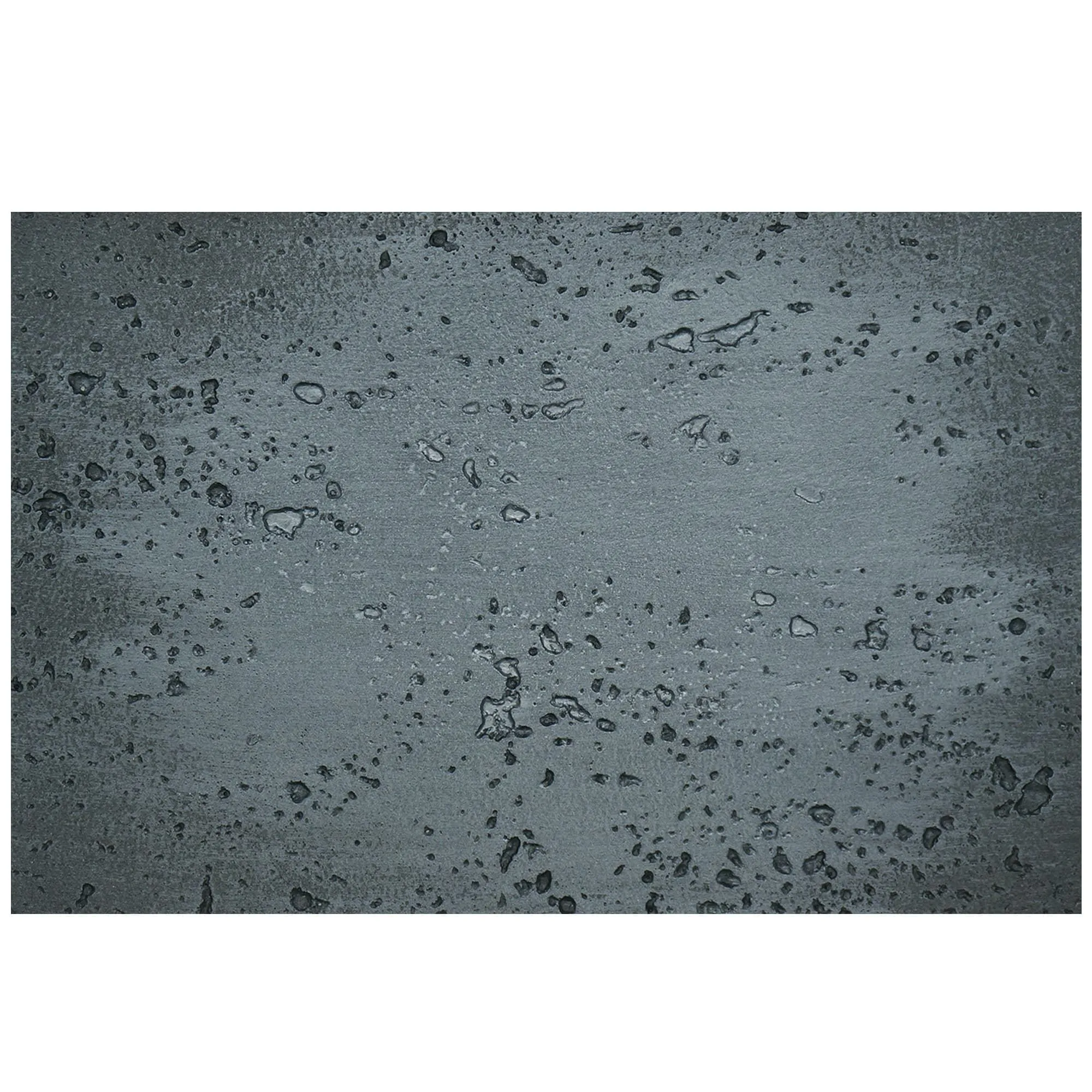
Picture this: You walk into a modern home, and your eyes are immediately drawn to the flooring. It's not the stark white marble you might expect, nor the warm wood tones that feel like a hug. Instead, there's a surface that shimmers softly, like moonlight on water—cool, yet inviting. The color is a blend of silvery grays and subtle beiges, with veins that look like they've been painted by time itself. Run your hand over it, and it's smooth but not slippery, with a texture that feels alive, as if the stone itself has a story to tell. That, my friend, is travertine (vintage silver) in all its glory. It's a material that doesn't just fill a space; it transforms it, adding depth, character, and a touch of understated luxury that's hard to replicate. But what exactly is this stone, and why is it becoming a go-to choice for designers and homeowners alike? Let's dive in.
Before we get into the "vintage silver" part, let's start with the basics. Travertine is a type of natural stone, a cousin to marble and limestone, but with a personality all its own. It forms in hot springs and limestone caves, where mineral-rich water cools and deposits calcium carbonate. Over centuries—sometimes millennia—these deposits build up, layer by layer, creating the unique structure that makes travertine so recognizable. Think of it as nature's own art project: each slab is a one-of-a-kind masterpiece, shaped by the earth's slow, patient hand.
What sets travertine apart from other stones? Those tiny holes, or "pores," you often see on its surface. They're not flaws; they're a signature. Formed by gas bubbles trapped in the stone as it solidified, these pores give travertine a porous, breathable quality. Some people fill them with resin for a smoother finish, while others leave them open to embrace the stone's natural texture. Either way, they're a reminder that this isn't a man-made material—it's a piece of the planet, with all the quirks and charm that come with that.
Travertine comes in a range of styles, each with its own vibe. There's classic travertine, with warm beige and gold tones that feel timeless. Then there are the "starry" varieties, like travertine (starry green), which have flecks of color that sparkle like stars in the night sky. And then there's the vintage series—including our star today, vintage silver. These are stones that have been treated to look like they've aged gracefully, with finishes that mimic the patina of time. It's travertine, but with a twist: less "brand new" and more "loved for years."
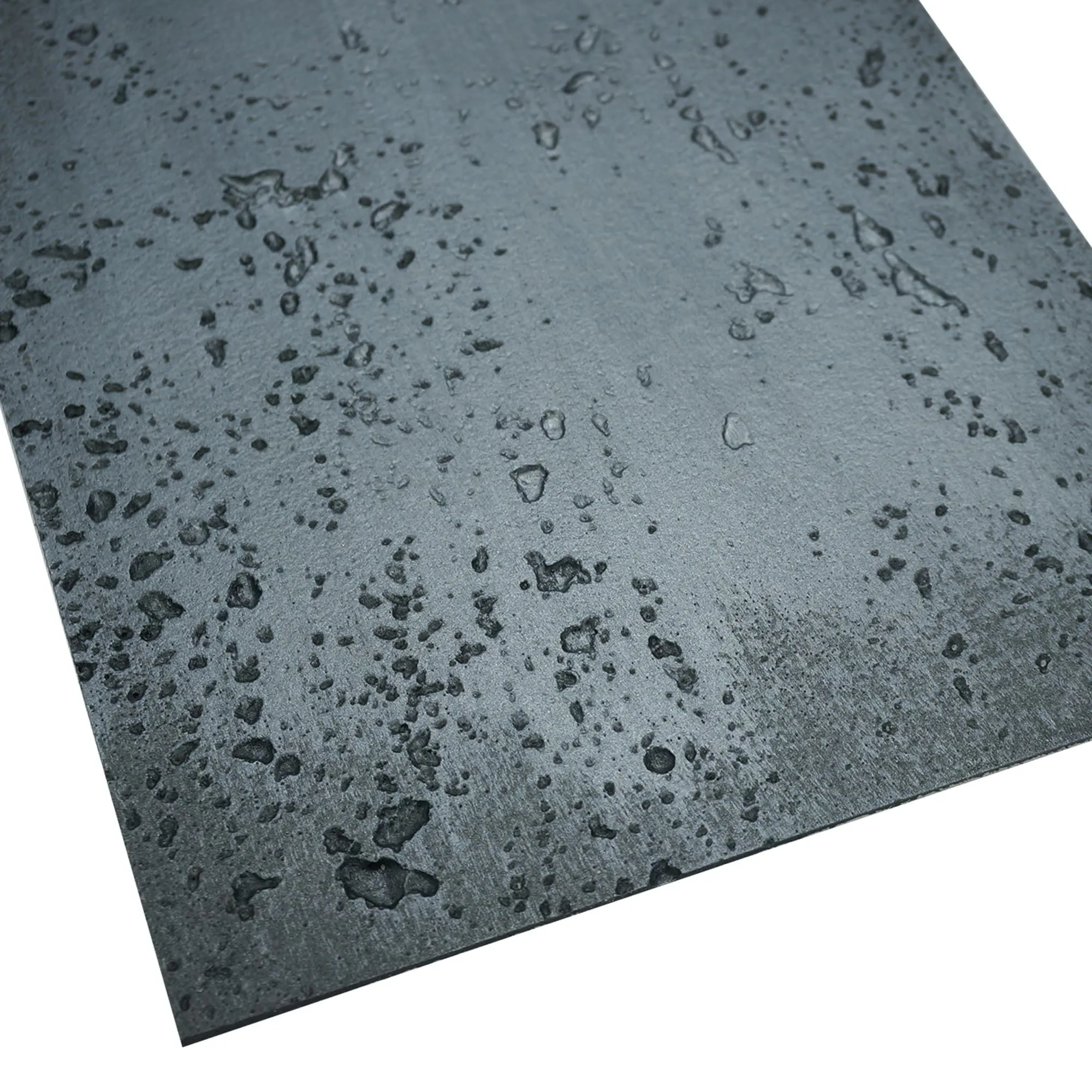
So, what makes "vintage silver" travertine different from, say, regular old silver travertine? It's all in the finish. Traditional travertine often has a polished or honed look—bright, fresh, and "new." Vintage silver, on the other hand, is intentionally given an aged appearance. Think of it like a well-worn leather jacket: it's been through a process that softens its edges, mutes its colors, and gives it that "lived-in" feel. But how exactly is that achieved?
The "vintage" treatment starts with the stone itself. Quarried from regions known for high-quality travertine (places like Italy, Turkey, and Iran), the raw slabs are first cut into rough shapes. Then comes the "vintage" magic: instead of polishing the surface to a high shine, artisans use techniques like tumbling, brushing, or acid washing to create a matte, weathered look. This process brings out the stone's natural pores and veining, making each slab look like it's been around for decades (even if it's brand new). The "silver" part? That's all in the color palette. Unlike classic travertine, which leans warm (beiges, golds), vintage silver has cooler undertones—think silvery grays, soft whites, and hints of taupe. It's like someone took a classic travertine and dipped it in moonlight, toning down the warmth and cranking up the elegance.
But here's the thing: "vintage silver" isn't a one-size-fits-all term. Some slabs are lighter, with more white and silver; others are deeper, with gray tones that verge on charcoal. Some have bold, dramatic veins, while others have subtle, wispy ones that look like smoke. That's the beauty of natural stone—no two pieces are exactly alike. It's why designers love it: you're not just getting a material; you're getting a unique piece of art for your home or project.
Now that we know what it is, let's talk about what makes travertine (vintage silver) tick. What are its defining features, and why might it be the right choice for your space? Let's break it down.
Let's start with the obvious: how it looks. Travertine (vintage silver) is a stone that plays well with light. In the morning, when sunlight streams through a window, its silvery tones brighten up, taking on a soft, almost ethereal glow. In the evening, under warm, artificial light, it deepens, with the gray and taupe undertones coming to the forefront, creating a cozy, intimate vibe. It's versatile, too—pair it with bold colors (like navy or emerald) for a modern pop, or with neutrals (whites, beiges) for a calm, minimalist look. It works in traditional spaces, adding a touch of old-world charm, and in contemporary ones, balancing out sleek lines and modern materials.
One of the most striking things about vintage silver travertine is its "patina." Even when it's new, it looks like it's been loved. That weathered finish means it doesn't show scratches or wear as easily as a polished stone—so if you have kids, pets, or just a busy household, it won't look "ruined" after a few years. In fact, it gets better with age. The more it's used, the more character it develops, with the colors softening and the texture becoming even more unique. It's the kind of material that ages like fine wine—better over time.
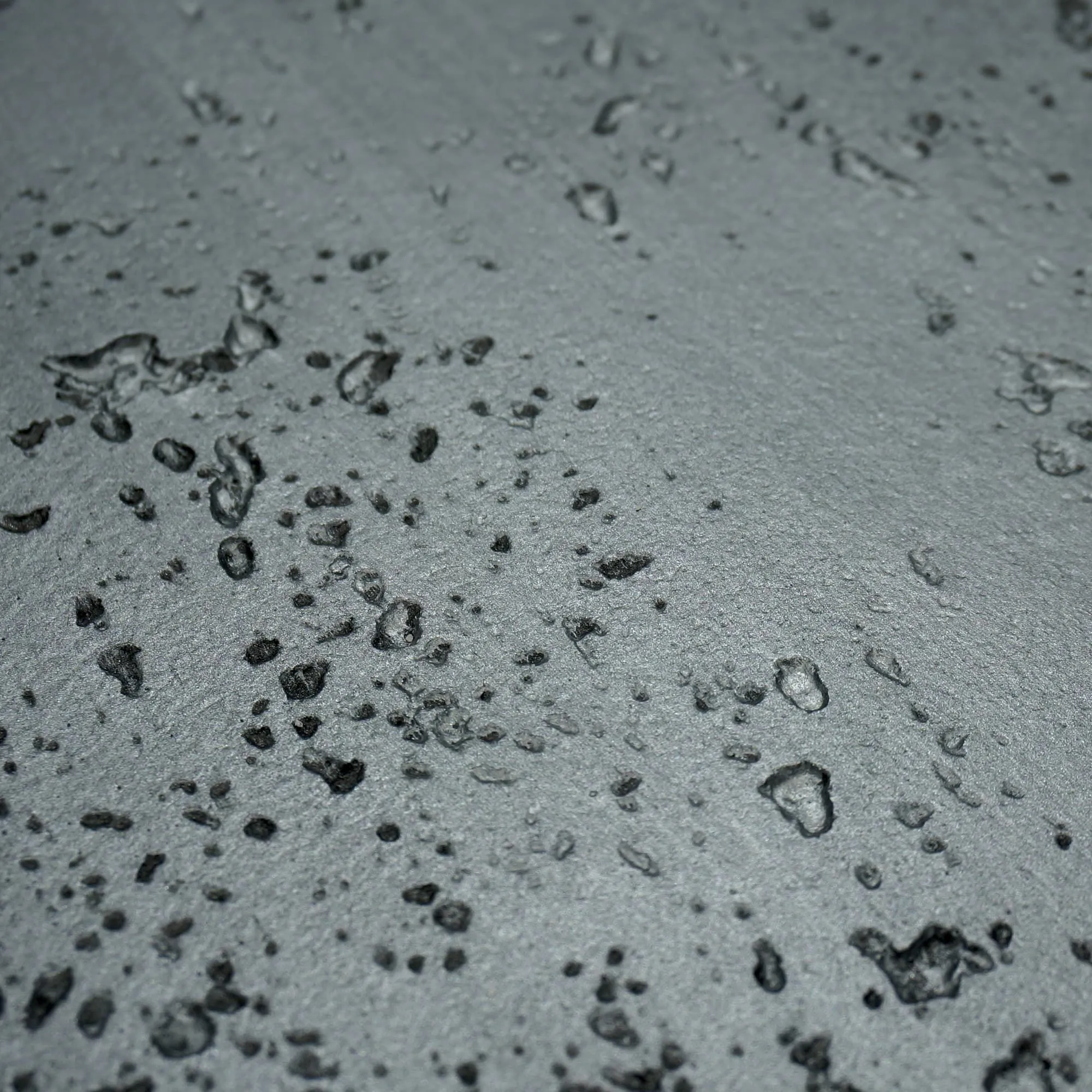
Travertine (vintage silver) isn't just a feast for the eyes—it's a treat for the hands, too. Unlike some polished stones that feel cold and sterile, vintage silver travertine has a warm, tactile quality. Run your fingers over it, and you'll feel the subtle (unevenness) of the surface—the result of those natural pores and the vintage finishing process. It's not rough enough to catch on clothing, but it's just textured enough to feel alive. This texture also makes it slip-resistant, which is a big plus for areas like bathrooms, kitchens, or outdoor patios where safety is a concern.
And let's talk about the pores again. Some people see them as a downside (more on maintenance later), but design-wise, they're a plus. They add depth and dimension to the stone, making it look less flat and more dynamic. Imagine a kitchen backsplash made of vintage silver travertine: the light hits the pores, creating tiny shadows that make the surface look like it's moving, like a still life painting that's come to life. It's these little details that make the stone feel so special.
Natural stone has a reputation for being delicate, but travertine (vintage silver) is here to break that myth. Yes, it's porous (we'll get to that), but it's also surprisingly durable. It's resistant to heat, which makes it a great choice for kitchen countertops or fireplace surrounds—you can set a hot pot down on it without worrying about scorch marks. It's also scratch-resistant, though not scratch-proof (nothing is). With proper care (more on that later), it can last for decades—even a lifetime. Many historic buildings around the world have travertine floors that are hundreds of years old and still going strong. That's the kind of longevity we're talking about.
It's also versatile when it comes to indoor vs. outdoor use. Indoors, it works everywhere: floors, walls, countertops, backsplashes, even shower walls. Outdoors, it holds up well to rain, snow, and UV rays (though you'll want to seal it regularly to prevent staining). Imagine a patio with vintage silver travertine tiles, surrounded by greenery—the stone's cool tones would complement the plants beautifully, creating a serene, oasis-like vibe. Or a pool deck: the slip-resistant texture and heat resistance make it a safe, stylish choice.
In a world where "sustainability" is more than just a buzzword, travertine (vintage silver) has a lot to offer. As a natural stone, it's sourced from the earth, with minimal processing compared to man-made materials like laminate or vinyl. The quarrying process, when done responsibly, has a low environmental impact—many quarries now use eco-friendly practices like reforestation and water recycling. And because it's so durable, it doesn't need to be replaced every few years, reducing waste. Plus, at the end of its life (which, let's be real, is probably decades from now), it can be recycled or repurposed—something you can't say for a lot of synthetic materials.
Compare that to, say, fair-faced concrete (another popular building material). While concrete is durable, it's energy-intensive to produce, with a high carbon footprint. Travertine, on the other hand, is a product of nature—no harsh chemicals, no heavy manufacturing. It's a material that lets you build beautiful spaces without sacrificing your commitment to the planet. And in a time when more and more people are looking for ways to live more sustainably, that's a big selling point.
Travertine isn't just a modern trend—it's been around for centuries. The ancient Romans used it to build some of their most iconic structures, including the Colosseum and the Pantheon. In fact, the Pantheon's dome is made almost entirely of travertine, a testament to the stone's strength and durability. So when you choose travertine (vintage silver), you're not just picking a material—you're joining a legacy that spans millennia. Pretty cool, right?
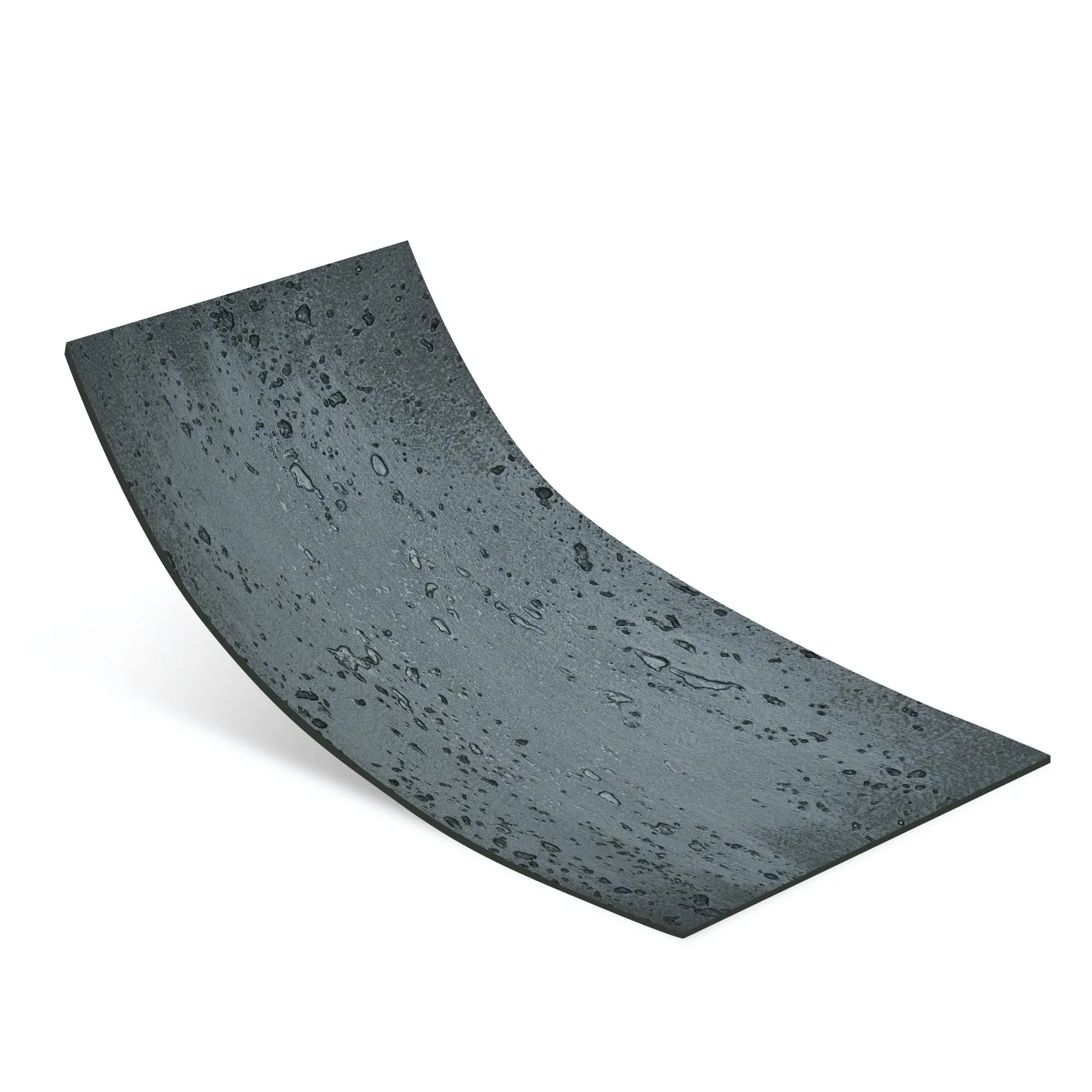
Okay, so we know vintage silver travertine is great—but how does it compare to other popular stones and materials? Let's put it head-to-head with two close cousins: lunar peak silvery and fair-faced concrete. Both are used in similar applications, but they have distinct personalities. Here's how they measure up:
| Feature | Travertine (Vintage Silver) | Lunar Peak Silvery | Fair-Faced Concrete |
|---|---|---|---|
| Material Type | Natural stone (calcium carbonate) | Engineered stone (natural minerals + resin) | Man-made (cement, aggregates, water) |
| Color Palette | Cool silvers, grays, and taupe; natural veining | Bright silvery whites; uniform, consistent color | Gray, off-white; minimal variation |
| Texture | Matte, porous, weathered; tactile, unique per slab | Smooth, polished; uniform texture | Raw, industrial; may have visible aggregate |
| Durability | High (resistant to heat, wear; needs sealing) | Very high (non-porous, scratch-resistant) | High (durable, but prone to staining if unsealed) |
| Maintenance | Moderate (seal every 1-2 years; avoid acidic cleaners) | Low (no sealing needed; easy to clean) | Moderate (seal annually; prone to water spots) |
| Sustainability | High (natural, minimal processing, recyclable) | Medium (uses natural minerals but requires resin) | Low (high carbon footprint, energy-intensive to make) |
| Best For | Warm, character-rich spaces; indoor/outdoor | Modern, sleek spaces; high-traffic areas | Industrial, minimalist spaces; large surfaces |
| Price Point | Mid-to-high (varies by slab quality) | High (engineered, consistent quality) | Mid (affordable, but installation can add cost) |
So, what's the takeaway? If you want a natural, one-of-a-kind material with warmth and character, vintage silver travertine is the way to go. If you prefer a uniform, low-maintenance option with a bright, modern look, lunar peak silvery might be better. And if you're after an industrial, budget-friendly vibe, fair-faced concrete could work. But for that perfect blend of history, sustainability, and timeless beauty? Travertine (vintage silver) wins, hands down.
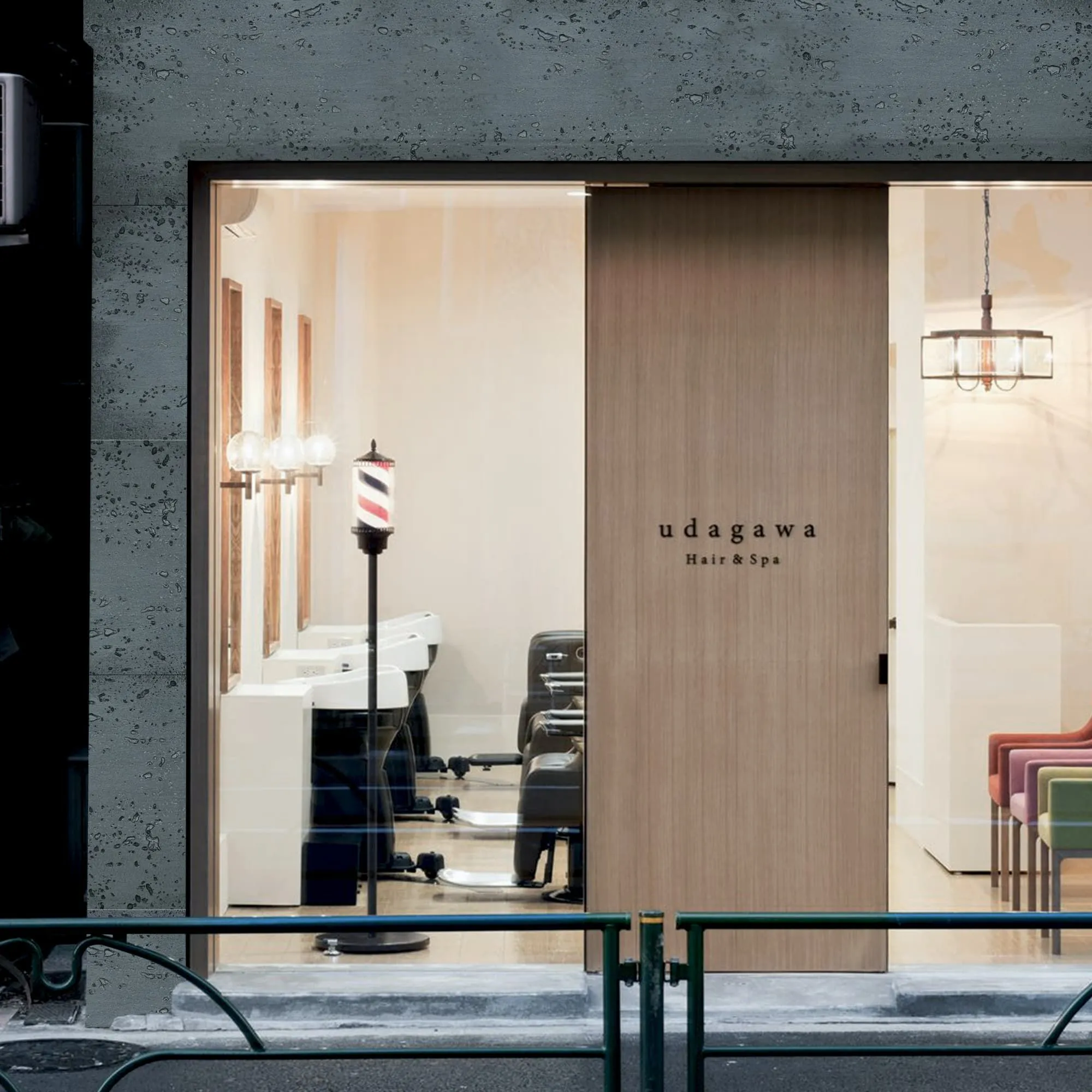
Now that we know what it is and how it compares, let's talk about where to use it. Vintage silver travertine is like a chameleon—it adapts to almost any space, adding its unique charm wherever it goes. Here are some of our favorite applications:
Imagine walking into a living room with vintage silver travertine floors. The walls are painted a soft white, and there's a plush gray sofa and a wooden coffee table. The stone grounds the space, adding depth without overwhelming it. Sunlight streams through the windows, making the silvery tones dance, and suddenly the room feels bright, open, and inviting. That's the power of this stone in residential settings.
Kitchens are another great spot. Use it as a backsplash: the cool tones will complement warm wood cabinets or stainless steel appliances, and the porous texture will add visual interest without being too busy. Or as countertops: it's heat-resistant, so you can set down hot pans, and the vintage finish will hide minor scratches (because let's be real, no kitchen is perfect). Bathrooms? Yes, please. A shower wall or floor made of vintage silver travertine feels like a spa retreat, with the cool stone keeping the space feeling clean and calm. Just make sure to seal it regularly to prevent water damage.
Outdoor spaces love it too. A patio or deck tiled with vintage silver travertine becomes an extension of your home, perfect for morning coffee or evening barbecues. The slip-resistant texture is a safety bonus, and the stone's durability means it can handle rain, snow, and UV rays without fading or cracking. Add some potted plants and string lights, and you've got yourself an outdoor oasis.
It's not just for homes—vintage silver travertine is making waves in commercial design, too. Hotels are using it in lobbies, where its elegance sets the tone for a luxury experience. Restaurants are choosing it for floors and walls, creating a warm, inviting atmosphere that makes diners feel at home (but still special). Office buildings are using it in common areas, adding a touch of sophistication to otherwise sterile spaces.
One of our favorite commercial examples? A boutique hotel in Milan that used vintage silver travertine for its reception desk and flooring. The stone's cool tones paired with (brass) fixtures and warm lighting created a space that felt both modern and timeless—like stepping into a glamorous 1920s speakeasy, but with a contemporary twist. Guests couldn't stop taking photos of it, and honestly, we don't blame them.
Okay, let's get real: no material is maintenance-free, and travertine (vintage silver) is no exception. But don't let that scare you—with a little TLC, it'll stay looking beautiful for years. Here's what you need to know:
Remember those pores we talked about? They're great for texture, but they can also trap dirt and liquids, leading to stains. That's where sealing comes in. Sealing your travertine creates a protective barrier that repels water and oil, making it harder for stains to set in. How often should you seal it? For indoor spaces, once every 1-2 years should do the trick. For outdoor spaces, which get more wear and tear, aim for once a year. And don't worry—it's easy to do yourself. Just buy a good-quality stone sealer (look for one specifically for travertine), clean the surface thoroughly, and apply the sealer with a sponge or cloth. Let it dry, and you're good to go.
When it comes to cleaning, less is more. Avoid harsh chemicals like bleach, ammonia, or vinegar—they can etch the stone and dull the finish. Instead, stick to mild soap and warm water. For everyday spills (coffee, wine, juice), wipe them up immediately with a soft cloth. For tougher stains (like oil), mix a little baking soda with water to make a paste, apply it to the stain, and let it sit for a few hours before wiping it away. Avoid scrubbing too hard—you don't want to scratch the surface.
While travertine is durable, it's not indestructible. Here are a few things to avoid: dragging heavy furniture across the floor (use felt pads!), placing hot pots directly on polished surfaces (use trivets), and using sharp objects (like knives) directly on countertops. And if you do notice a scratch or chip? Don't panic. Small imperfections can often be repaired with a stone repair kit, which you can buy at most home improvement stores. For bigger issues, call a professional—they'll have the tools and expertise to fix it without making it worse.
At the end of the day, there are a lot of building materials out there. So why choose travertine (vintage silver)? Let's sum it up:
But maybe the best reason to choose it is the feeling it evokes. There's something about natural stone that connects us to the earth, to something bigger than ourselves. When you walk on travertine (vintage silver), you're walking on a material that took centuries to form, shaped by water, time, and nature. It's not just a floor or a countertop—it's a piece of history, a conversation starter, and a reminder that beauty can be both timeless and modern. And in a world that's always rushing, that's a pretty powerful thing.
So, after all this, is travertine (vintage silver) the right choice for your project? If you value natural beauty, sustainability, and versatility, and you don't mind a little maintenance, then yes—absolutely. It's a material that will grow with you, adapting to your style and your space, and only getting more beautiful with time. Whether you're building a new home, renovating a kitchen, or designing a commercial space, vintage silver travertine is more than just a material—it's an investment in beauty, history, and character.
So go ahead—take the plunge. Visit a stone yard, run your hand over a slab, and see how it feels. Watch how the light plays on it, notice the unique veins and pores, and imagine it in your space. We think you'll fall in love, just like we did. And who knows? Maybe one day, your grandchildren will be admiring that same stone, telling stories about the home or building that it helped create. Now that's a legacy worth building.
Recommend Products












