
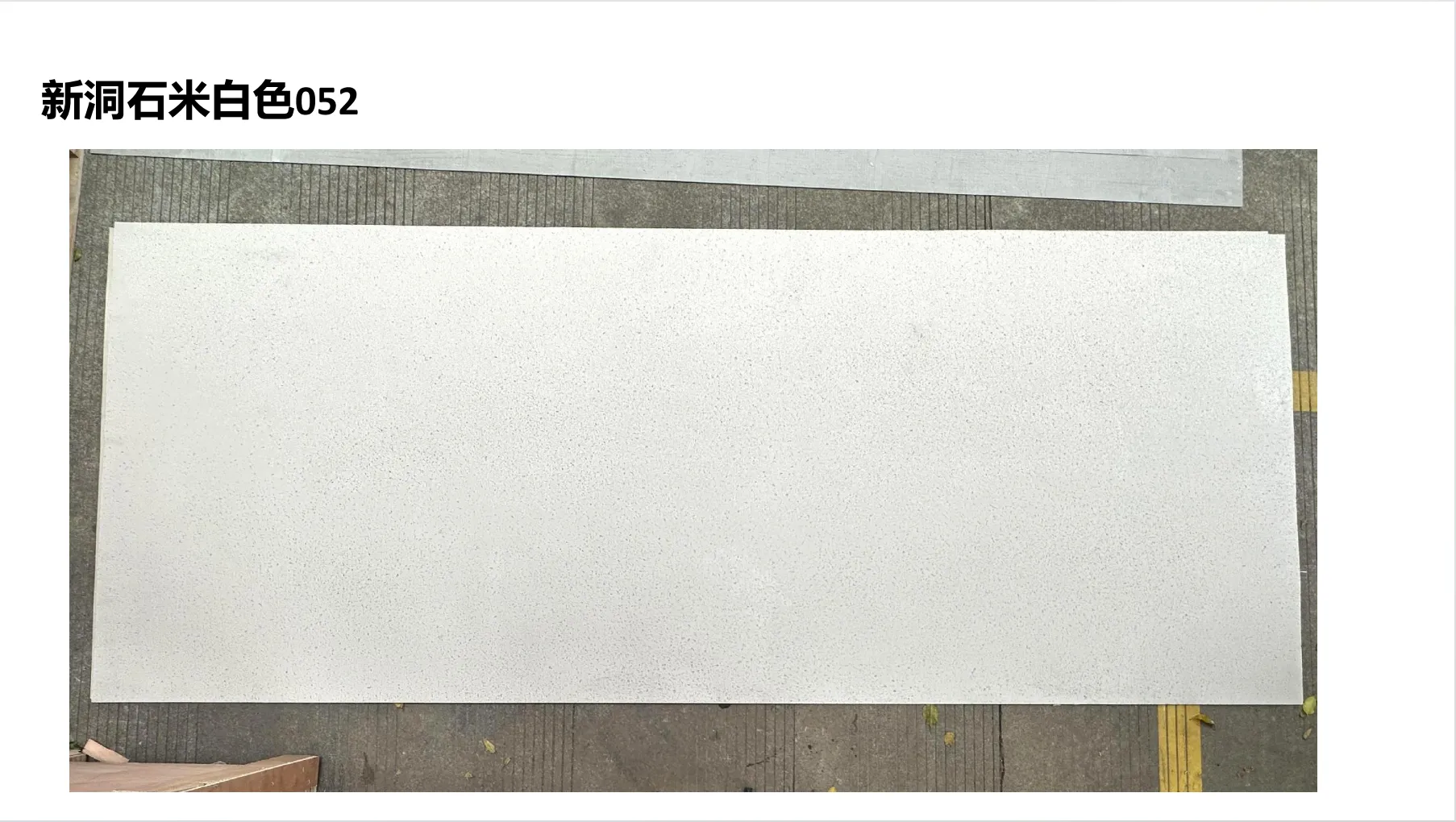
Step into a sunlit room, and let your gaze fall to the floor. What you're seeing isn't just stone—it's a narrative written in minerals, time, and the quiet power of nature. That's Travertino: a natural building stone that feels less like a material and more like a living piece of the earth, shaped by centuries of geological artistry. From the grand arches of ancient Roman architecture to the sleek walls of modern minimalist homes, Travertino has long been a favorite of designers and builders alike. Its appeal lies not just in its durability, but in its ability to bring warmth, texture, and a sense of history to any space. In this guide, we'll dive deep into what makes Travertino unique, explore its many varieties, and discover why it remains a timeless choice in the world of design.
Travertino's story begins in the heart of the earth, where mineral-rich hot springs emerge from the ground, carrying dissolved calcium carbonate. As these springs flow, they cool, and the calcium carbonate precipitates out, forming layers of sediment over hundreds—sometimes thousands—of years. It's a process as gentle as it is persistent: each drop of water leaves behind a tiny deposit, gradually building up into the porous, layered stone we know as Travertino. This natural formation gives the stone its signature characteristics: soft, earthy tones, unique veining, and those distinctive small pores (called vesicles) that add texture and depth.
Unlike some stones formed under intense heat and pressure, Travertino is a sedimentary rock, born from the slow accumulation of mineral deposits. This origin story is written all over its surface: you might spot faint lines where water once flowed, or tiny cavities that once held gas bubbles, frozen in time. It's this connection to the earth's natural processes that makes Travertino feel so alive—like bringing a piece of a mineral spring's journey into your home.
What sets Travertino apart from other natural stones? Let's start with its texture. Run your hand over a Travertino slab, and you'll notice it's not perfectly smooth. Those vesicles—small, irregular pores—give it a tactile quality that feels organic and inviting. They're not flaws; they're part of its charm, a reminder of its formation. Some varieties are more porous than others, but even the denser types retain a subtle texture that adds warmth to spaces, avoiding the cold, sterile feel of overly polished materials.
Color is another defining feature. Travertino naturally leans toward earthy hues: soft beiges, warm creams, gentle grays, and subtle golds. But within that palette, there's endless variation. Some stones have rich, honeyed tones, while others are pale as moonlight. Veins of darker minerals or hints of rust, green, or even blue can streak through the stone, making each slab one-of-a-kind. This versatility means Travertino can complement both traditional and modern design styles, adapting to the mood of a room with ease.
Durability is a pleasant surprise, too. Despite its porous appearance, Travertino is surprisingly strong, standing up to foot traffic, moisture, and the test of time when properly cared for. It's not as hard as granite, but its resilience has been proven in structures that have lasted millennia—think of the Colosseum in Rome, where Travertino was used for its load-bearing walls. Today, it's a popular choice for both indoor and outdoor spaces, from kitchen countertops to patio floors, thanks to its ability to blend beauty with practicality.
Travertino isn't a one-size-fits-all stone. Its natural formation leads to a stunning array of varieties, each with its own personality. Let's explore a few that have captured the attention of designers and homeowners alike:
Travertine (Starry Green): Imagine a stone that looks like the night sky spilled over with emerald light. Starry Green Travertino features a deep, cool base tone with tiny, shimmering flecks that resemble stars—hence the name. The green hues range from soft sage to richer, forest-like shades, making it a striking choice for accent walls or statement pieces. It pairs beautifully with warm woods or neutral tones, adding a touch of nature's drama without overwhelming a space.
Travertine (Vintage Gold): For spaces that crave warmth and nostalgia, Vintage Gold Travertino delivers. This variety has a golden base with subtle, aged patina—like a stone that's been loved for generations. The tones are soft, not brash, with hints of cream and light brown running through the veins. It's perfect for flooring in living rooms or entryways, where it adds a welcoming, timeless feel. When paired with natural light, it glows, making even small spaces feel open and inviting.
Travertine (Starry Blue): Cooler and more ethereal than its green counterpart, Starry Blue Travertino is like a piece of the sky frozen in stone. Its base is a soft, misty blue, dotted with tiny, reflective flecks that catch the light. It's a versatile choice, working well in coastal homes (evoking the ocean) or modern spaces (adding a pop of color without being bold). Use it for backsplashes, shower walls, or even fireplace surrounds to create a calming, serene atmosphere.
Travertine (Starry Red) & (Starry Orange): For those who love bold, energetic spaces, the starry red and orange varieties are showstoppers. Starry Red features deep, terracotta-like tones with fiery flecks, while Starry Orange leans into warm, sunset-inspired hues. These stones are ideal for accent walls in dining rooms or home offices, where they infuse the space with energy and personality. They pair wonderfully with neutral furniture, letting the stone take center stage.
In a world of natural stones—marble, granite, limestone—it's fair to wonder: what makes Travertino special? Let's compare it to a few popular alternatives to see why it holds its own.
Travertino vs. Marble Series: Marble is known for its luxurious, high-gloss finish and bold veining, which is why it's a staple in the "marble series" of premium stones. But while marble exudes opulence, it's also more porous and prone to staining than Travertino. Travertino, with its softer texture and earthier tones, offers a more relaxed elegance. It's less likely to show scratches or etches from acidic substances (like citrus or wine), making it a practical choice for busy households. Think of marble as the red carpet of stones, and Travertino as the cozy, well-loved armchair—both beautiful, but suited to different lifestyles.
Travertino vs. Fair-Faced Concrete: Fair-faced concrete has risen in popularity for its industrial, minimalist look—raw, unpolished, and sleek. While it's durable and modern, it lacks the warmth and organic texture of Travertino. Travertino's natural pores and veining add depth that concrete, with its uniform appearance, can't replicate. If you want a space that feels connected to nature, Travertino is the way to go; if you're after a cool, contemporary vibe, concrete might be your choice. The best part? They can even work together: pair fair-faced concrete walls with Travertino floors for a blend of industrial edge and natural warmth.
Travertino vs. Limestone: Both Travertino and limestone form from sedimentary processes, but there's a key difference: Travertino is formed by hot springs, while limestone is often formed in marine environments. This leads to texture variations: Travertino has more pronounced vesicles and layered structures, while limestone is typically smoother and more uniform. Limestone also tends to be softer, making it less ideal for high-traffic areas. Travertino's extra durability and unique texture give it an edge for spaces that need both beauty and resilience.
Travertino's versatility is one of its greatest strengths. It adapts to almost any space, whether you're aiming for a rustic villa feel or a sleek, modern apartment. Here are just a few ways it's used:
Interior Flooring: Travertino floors are a classic choice, and for good reason. They're warm underfoot (unlike cold tiles), and their texture provides traction, making them safe for families with kids or pets. Vintage Gold Travertino, with its soft golden tones, works beautifully in bedrooms or living rooms, while lighter varieties like Travertine (Beige) open up smaller spaces.
Walls and Backsplashes: Travertino walls add texture and depth to any room. Use Starry Green Travertino for a feature wall in a home office to spark creativity, or Vintage Silver Travertino in a bathroom for a spa-like feel. In kitchens, it makes a stunning backsplash—its natural pores can be sealed to resist stains, and its earthy tones complement both light and dark cabinetry.
Exterior Spaces: Outdoors, Travertino truly shines. Its durability makes it perfect for patios, pool decks, and walkways. Imagine a backyard patio with Starry Blue Travertino flooring, surrounded by greenery—it's like stepping into a private oasis. For exterior facades, pair Travertino with complementary stones like Lunar Peak Golden (a warm, metallic-hued stone) to create a striking, layered look that stands out in any neighborhood.
Historical and Modern Fusion: Travertino has a foot in both the past and present. In historical renovations, it can match the original stone of old buildings, preserving their character. In modern design, it adds a touch of tradition to sleek, minimalist spaces. For example, a contemporary home with floor-to-ceiling windows might use Travertino floors to ground the space, balancing the modern glass with natural warmth.
Like any natural stone, Travertino needs a little care to stay looking its best—but it's nothing complicated. Here are some tips to keep your Travertino surfaces shining for years:
Seal It: Travertino's pores can absorb liquids, so sealing is a must, especially for high-moisture areas like bathrooms or kitchens. Use a high-quality stone sealer every 1-2 years (or as recommended by the manufacturer) to protect against stains. Don't worry—sealing won't change the stone's texture or color; it just adds an invisible barrier.
Clean Gently: Avoid harsh cleaners with acids or abrasives, which can damage the stone. Instead, use a mild, pH-neutral cleaner and a soft cloth or mop. For spills, blot immediately (don't wipe!) to prevent staining. If something does stain, try a poultice made of baking soda and water—apply it to the stain, cover with plastic, and let it sit overnight before rinsing.
Sweep or Vacuum Regularly: Dirt and grit can scratch Travertino, so keep floors swept or vacuumed to remove debris. For daily cleaning, a damp mop with warm water is usually enough to keep surfaces looking fresh.
In a world of trends that come and go, Travertino endures. Why? Because it's more than a stone—it's a connection to nature, a piece of the earth's history, and a canvas for human creativity. Its natural variations mean no two slabs are alike, giving every space a unique, personal touch. It's warm, durable, and versatile, adapting to any design style from traditional to modern.
Whether you're drawn to the starry flecks of Starry Green, the vintage charm of Vintage Gold, or the cool serenity of Starry Blue, Travertino invites you to bring a piece of the earth into your home. It's a stone that tells a story—and with a little care, it will tell that story for generations to come.
| Variety | Color Profile | Texture | Best Use |
|---|---|---|---|
| Travertine (Starry Green) | Deep green base with star-like flecks | Porous, with subtle vesicles | Accent walls, statement pieces |
| Travertine (Vintage Gold) | Warm golden base with aged patina | Smooth with soft veining | Living room flooring, entryways |
| Travertine (Starry Blue) | Misty blue base with reflective flecks | Porous, lightweight texture | Bathrooms, coastal-inspired spaces |
| Travertine (Starry Red) | Terracotta-red base with fiery flecks | Bold, textured surface | Dining rooms, accent walls |
| Travertine (Beige) | Soft cream-beige with light veining | Smooth to slightly porous | Kitchen countertops, small spaces |
In the end, Travertino isn't just a building material—it's an experience. It's the feeling of walking on a stone that's been shaped by time, the warmth of natural tones in a modern room, the quiet pride of owning something truly unique. For anyone who wants their home to feel like a reflection of nature's beauty, Travertino is more than a choice—it's a love letter to the earth.
Recommend Products












