
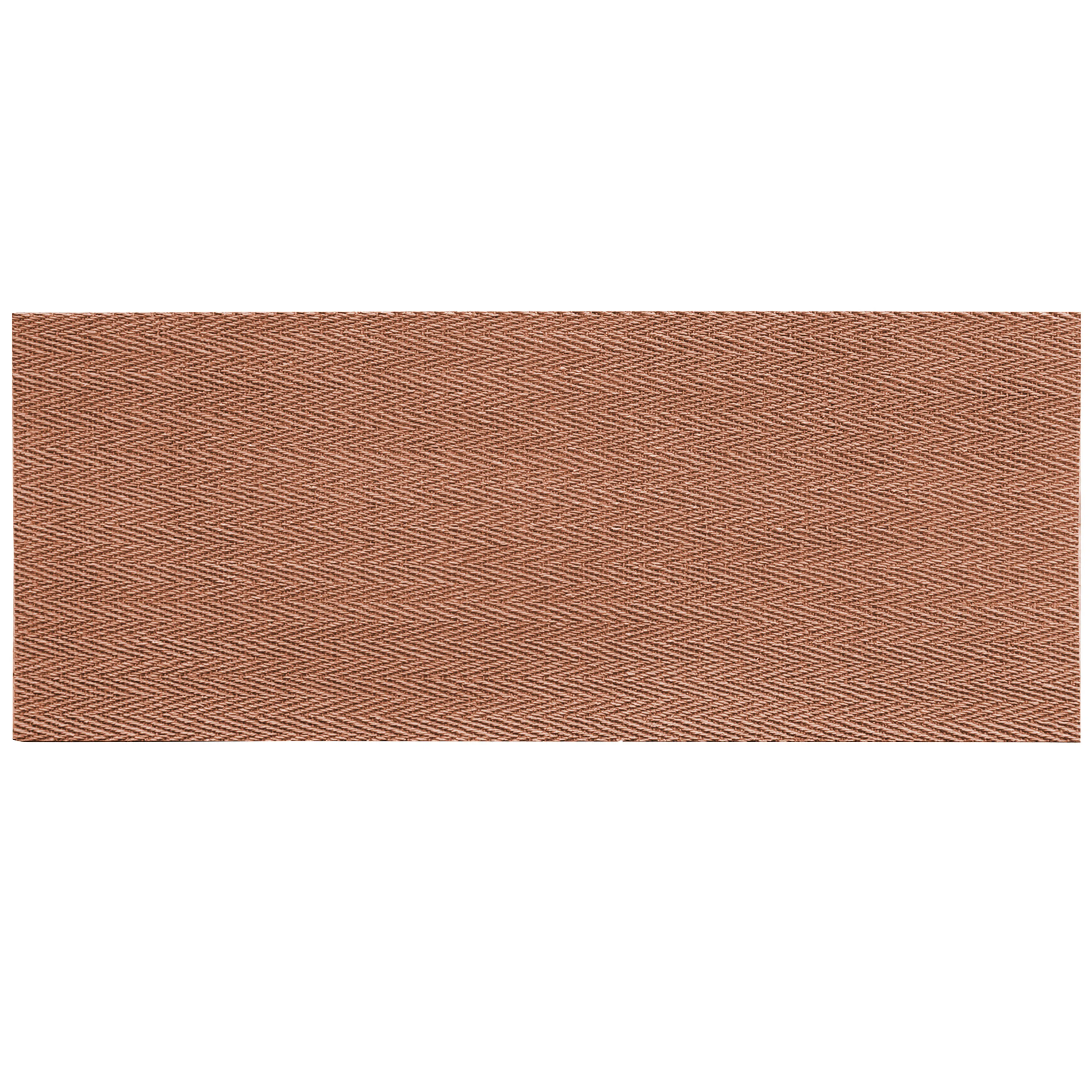
Exploring the artistry, innovation, and warmth of one of MCM's most captivating textures
Walk into a space designed with intention, and you'll notice it immediately—the walls don't just exist; they breathe . Texture, often the unsung hero of architecture, has the power to turn a cold room into a sanctuary, a sterile lobby into a conversation starter. In recent years, a material has emerged that's redefining how we think about texture in design: MCM, or Modified Composite Material. Flexible, lightweight, and infinitely customizable, MCM has become a favorite among architects and designers who crave both durability and artistry. Among its many iterations, one stands out for its ability to blend warmth, texture, and color into a single, mesmerizing surface: Weaving (Jacinth) .
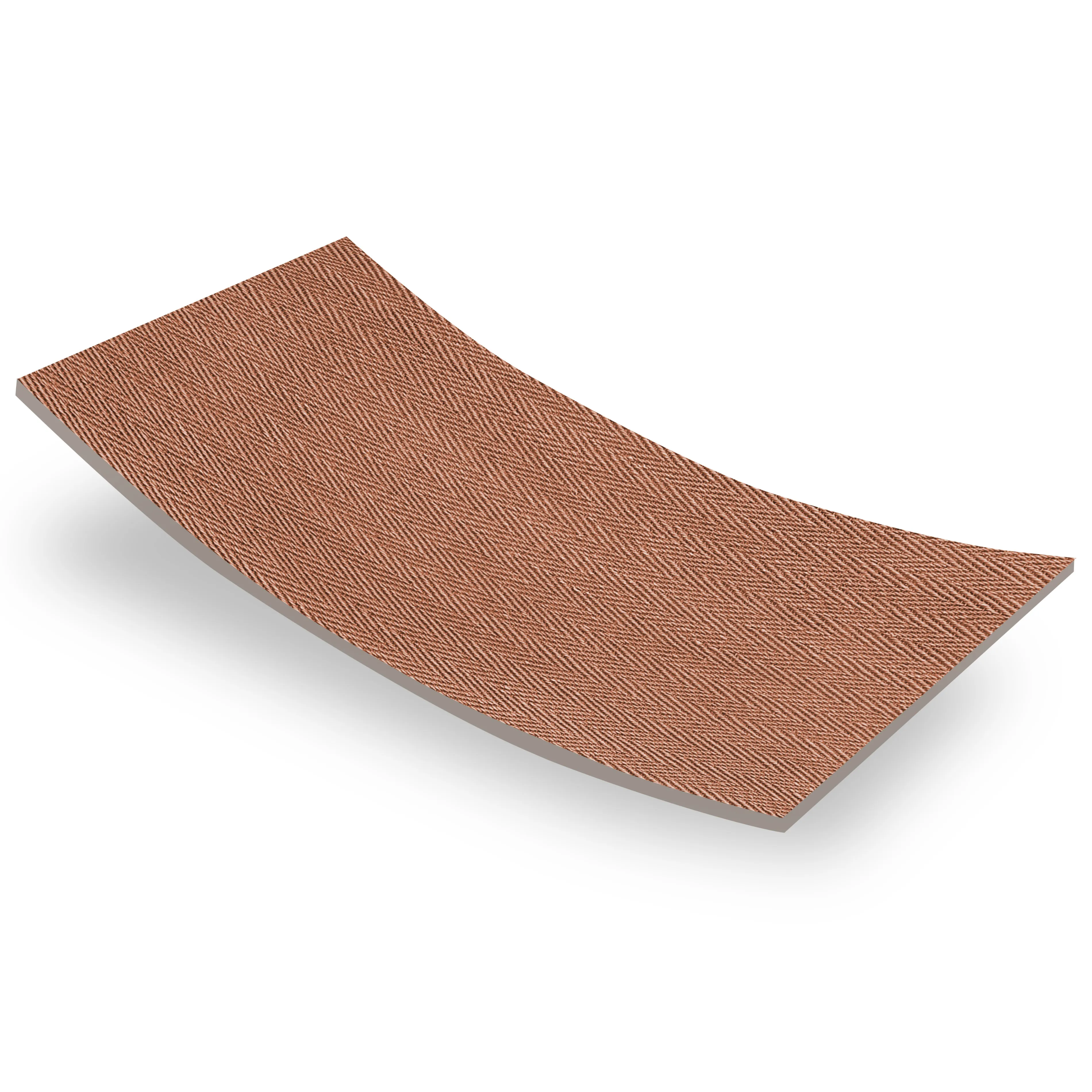
Before we dive into the specifics of Weaving (Jacinth), let's take a moment to appreciate MCM itself. Unlike traditional stone or concrete, which can be heavy, brittle, or limited in design, MCM is a chameleon of the building world. At its core, it's a composite of natural minerals, polymers, and fibers—engineered to be flexible (think: it can bend around curves without cracking), lightweight (easy to install, even on high-rise facades), and durable (resistant to weather, scratches, and time). It's the material that answers the designer's plea: "Why choose between beauty and practicality?"
From the rough-hewn charm of mcm flexible stone to the sleek modernity of 3D-printed panels (part of the mcm 3d printing series ), MCM spans a spectrum of aesthetics. But what truly sets it apart is its ability to mimic natural textures—wood, stone, fabric—with uncanny realism, while offering the benefits of a man-made material. And that's where Weaving (Jacinth) enters the stage.
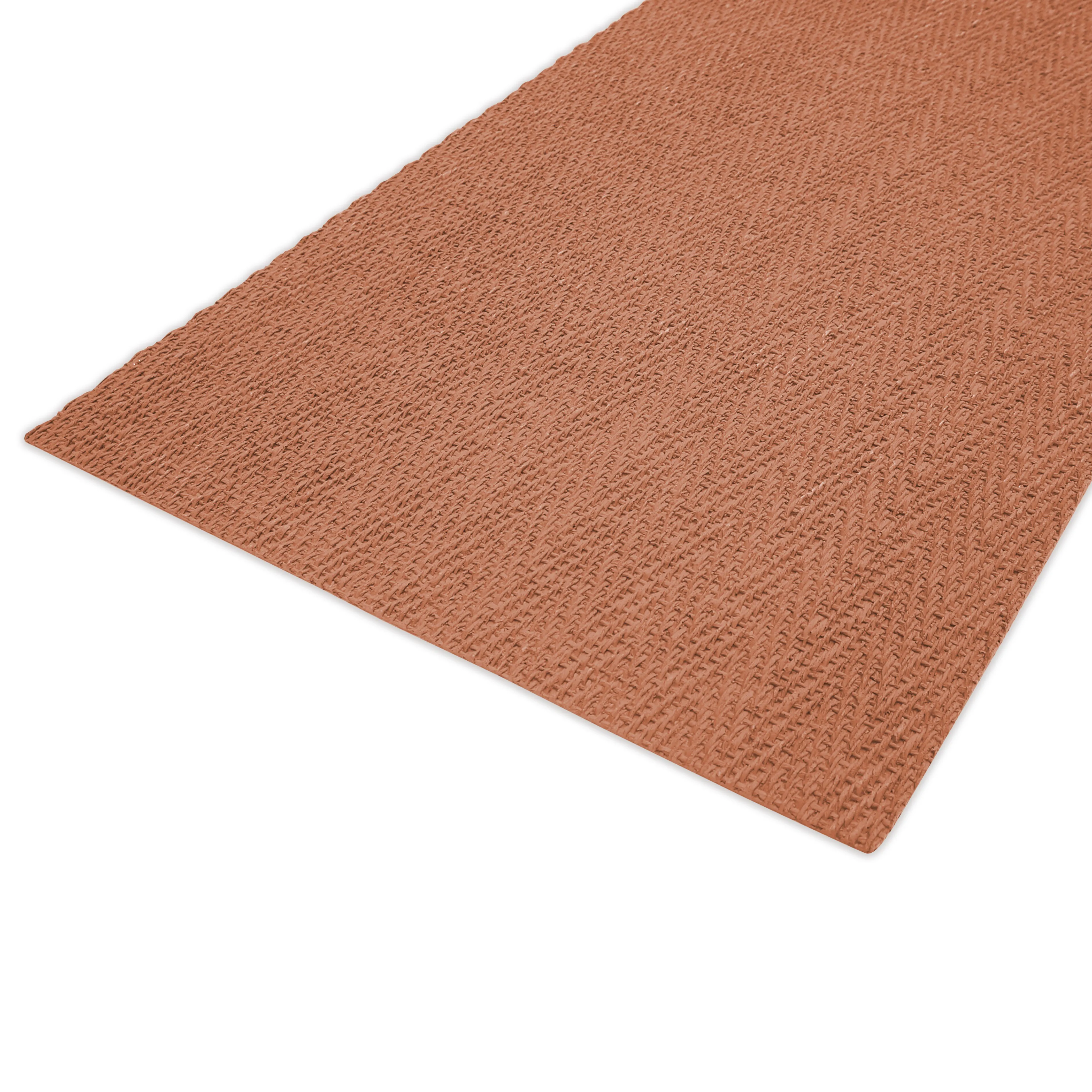
Close your eyes and picture a jacinth gemstone—deep, rich, with hues of amber and rust, catching the light like a campfire. Now imagine that color woven into a texture that feels like a well-loved blanket, with threads that rise and fall in gentle waves. That's Weaving (Jacinth): a celebration of both color and touch.
At first glance, it's easy to mistake it for fabric. The surface features delicate, intersecting lines that mimic the look of hand-woven textiles—think macramé or a finely knit sweater. But unlike fabric, which fades or frays, this is MCM: tough enough for exterior walls, yet soft enough to make a bedroom feel like a retreat. The jacinth color palette is warm and inviting, ranging from soft terracotta to deeper rusty red (a nod to the gemstone that inspired it), with subtle variations that ensure no two panels are exactly alike. It's a texture that doesn't just look alive—it feels alive, inviting fingers to trace its patterns and eyes to linger on its depth.
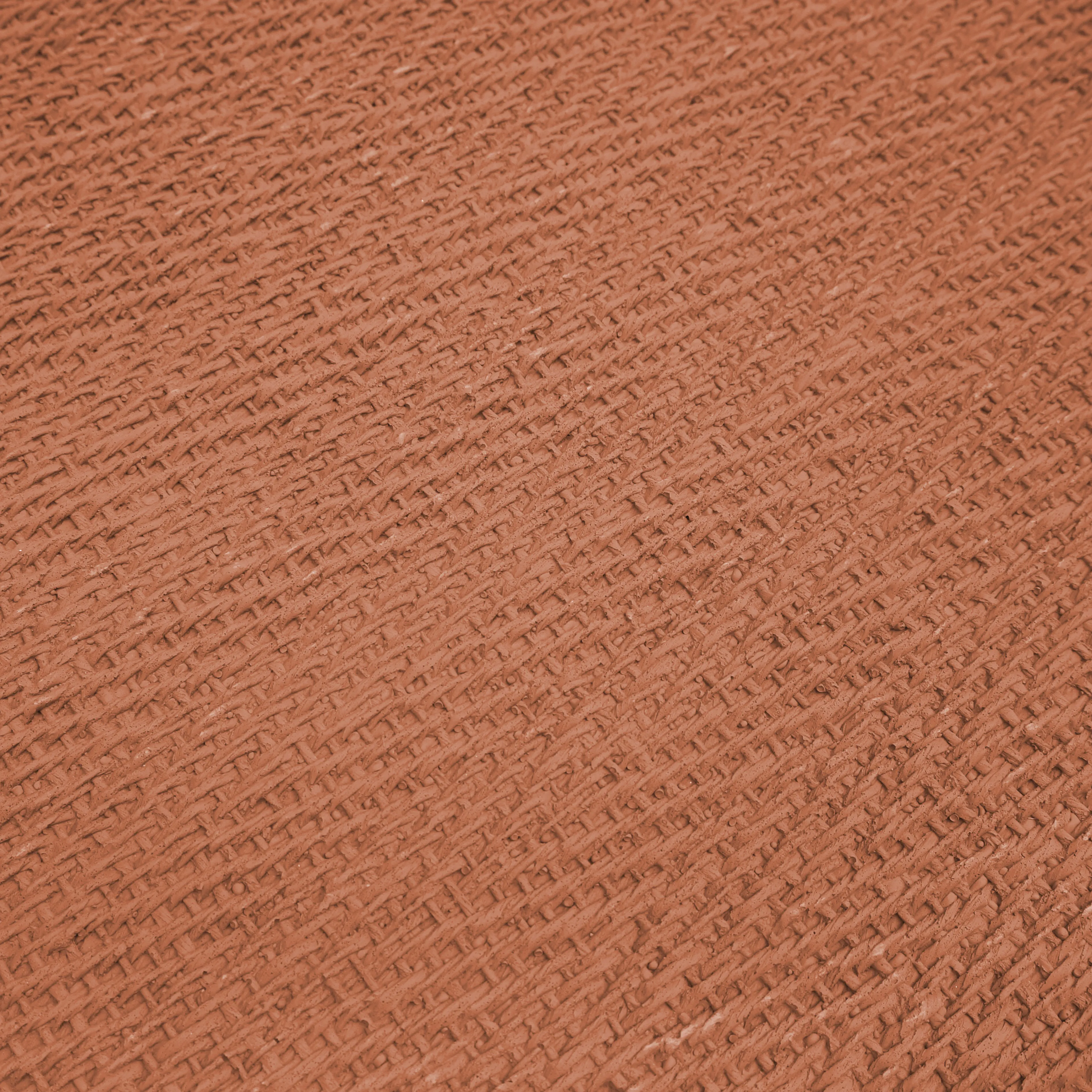
Creating a texture as intricate as Weaving (Jacinth) isn't just about art—it's about science. MCM's manufacturing process is a blend of precision and creativity. First, a base layer of mineral composite is formed, then 3D printing technology (from the mcm 3d printing series ) is used to etch the woven pattern into the surface. This isn't just stamping; it's additive manufacturing, where each "thread" of the weave is built up layer by layer, giving the texture real depth and dimension.
The jacinth color is infused during production, using pigments that are mixed into the composite rather than painted on. This means the hue runs through the entire panel, not just the surface—so even if it's scratched (though it rarely is), the color remains consistent. The result? A material that's as tough as it is beautiful, designed to age gracefully without losing its charm.
Weaving (Jacinth) isn't just a pretty face—it's a workhorse. Its flexibility (thanks to mcm flexible stone technology) and durability make it suitable for almost any space, indoors or out. Let's paint a few pictures:
Imagine a small neighborhood café, where the walls are clad in Weaving (Jacinth). The warm, rusty tones complement the wooden tables and soft pendant lights, creating a space that feels like a friend's living room. Customers don't just come for the coffee—they stay because the walls wrap around them like a hug. Even on a rainy day, the texture catches the light, making the space feel bright and welcoming.
In a modern bedroom, a single wall of Weaving (Jacinth) becomes the focal point. Paired with neutral bedding and natural wood accents, it adds warmth without overwhelming the space. At night, when the bedside lamp glows, the texture casts soft shadows, turning the wall into a piece of living art. It's the kind of detail that makes coming home feel special.
High-end hotels often struggle to balance luxury with approachability. Weaving (Jacinth) solves that. Imagine a lobby where the reception desk is backed by a sweeping wall of the texture, paired with lunar peak golden accents (a shimmering, gold-hued MCM panel) and sleek fair-faced concrete floors. The result is a space that feels both opulent and inviting—guests want to touch the walls, take photos, and remember the experience.
Beauty is subjective, but the benefits of Weaving (Jacinth) are clear. Here's why designers and architects are reaching for it:
Great design is about balance, and Weaving (Jacinth) plays well with others. Here's how it complements some of MCM's other standout materials:
| Material | Texture & Color | How to Pair with Weaving (Jacinth) |
|---|---|---|
| Wood Grain Board | Warm, natural wood texture in light oak or walnut hues | Use as a complementary accent wall in a living room—Weaving (Jacinth) adds color, while Wood Grain Board adds warmth and organic feel. |
| Lunar Peak Golden | Shimmering, metallic gold with a subtle mountain peak texture | Pair as trim or a focal point above a Weaving (Jacinth) wall in a dining room—adds luxury without clashing. |
| Fair-Faced Concrete | Sleek, minimalist gray with a smooth, industrial finish | Use as flooring or a contrasting wall in a modern space—Weaving (Jacinth) softens the concrete's coolness. |
Weaving (Jacinth) is more than just a material—it's a sign of where architecture is heading. As we spend more time in built environments, we crave spaces that feel human . We want walls that tell stories, textures that evoke memories, and materials that don't just serve a function but also feed the soul.
MCM, with its endless possibilities, is leading this charge. From the woven warmth of Jacinth to the cosmic allure of lunar peak black , from the rugged charm of mcm flexible stone to the precision of 3D-printed panels, it's a material that doesn't just build spaces—it creates experiences .
Recommend Products












