
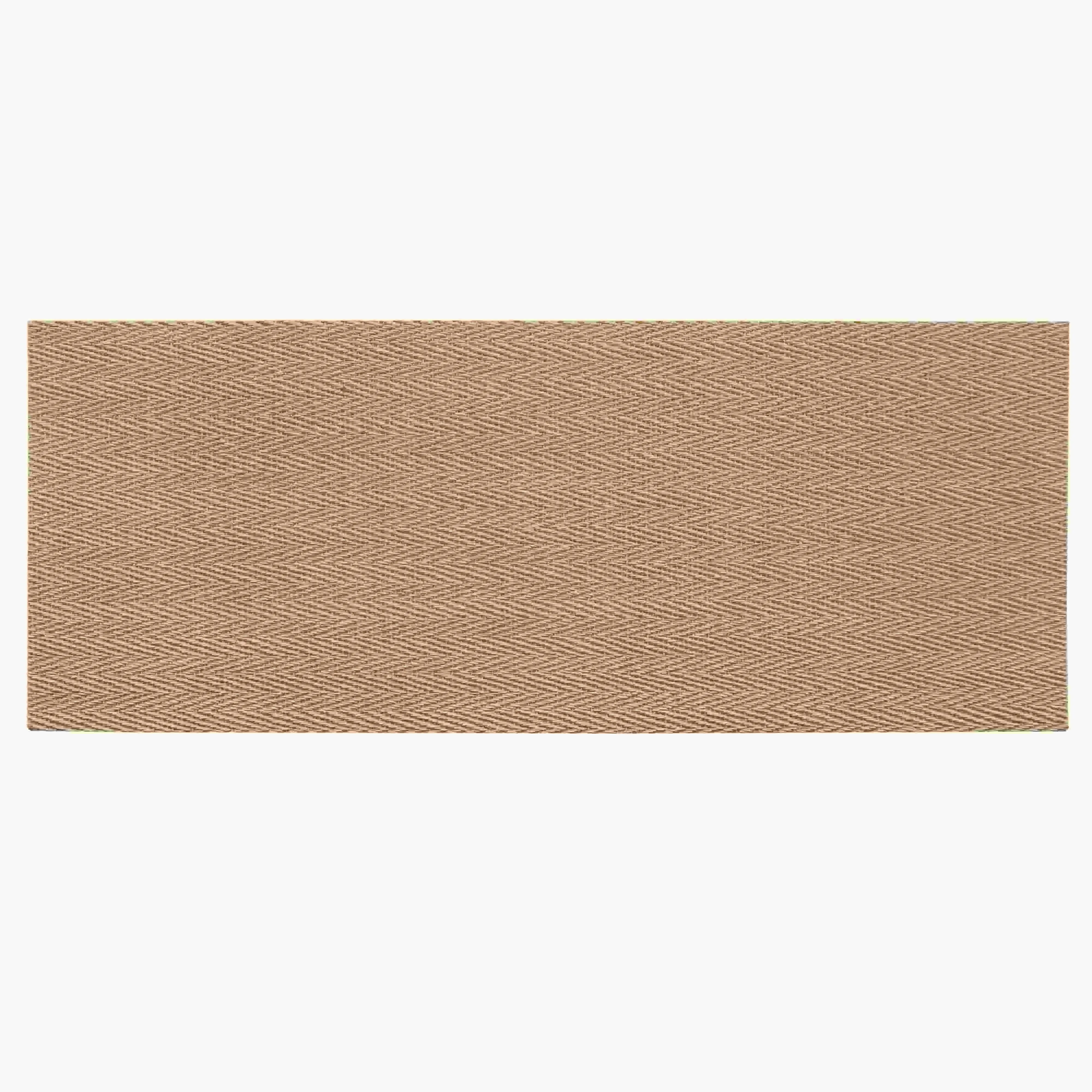
Exploring the artistry of texture that turns spaces into stories
Last summer, I wandered into a design studio in downtown Portland where a single wall panel stopped me mid-step. It wasn't the flashiest material in the room—no glittering marble or bold neon—but something quieter, more intentional. An earthy khaki hue, soft like the color of dried grass in late summer, with a texture that looked like it had been woven by hand, thread by careful thread. "That's MCM's Weaving (Khaki)," the designer said, noticing my gaze. "People don't just see it—they feel it."
In a world of sleek screens and cold concrete, texture has become our secret connection to warmth. It's the reason a rough-hewn wooden table feels more inviting than a glass one, or why a knit blanket on a couch makes a room feel like home. And in the realm of modern building materials, MCM (Modified Composite Material) has emerged as a master of texture—none more so than the Weaving (Khaki) series. Let's dive into what makes this texture so special, and why it's quietly transforming how we design our spaces.
Before we get lost in the weave of Khaki, let's ground ourselves in what MCM materials are . Think of them as the Swiss Army knife of construction: lightweight, durable, and infinitely versatile. MCM starts with natural minerals—think stone dust, clay, or sand—blended with a polymer binder that gives it flexibility (hence why you'll often hear it called MCM flexible stone ). This magic mix means MCM can mimic the look and feel of heavy materials like stone or wood, but at a fraction of the weight. It's water-resistant, fire-retardant, and easy to install—no need for cranes or reinforced walls. But what truly sets MCM apart? Its ability to capture texture in ways traditional materials can't—including the soft, woven charm of Weaving (Khaki).
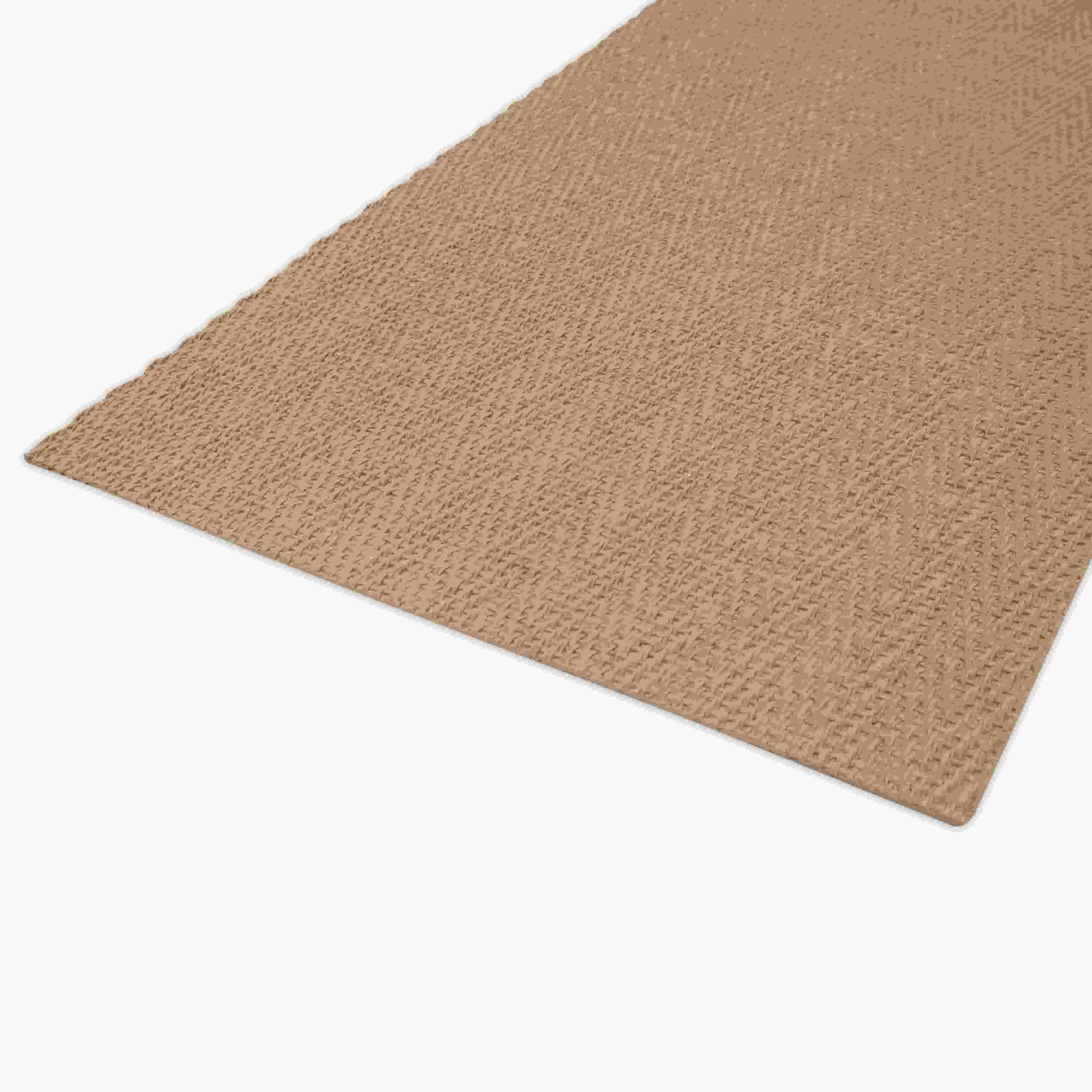
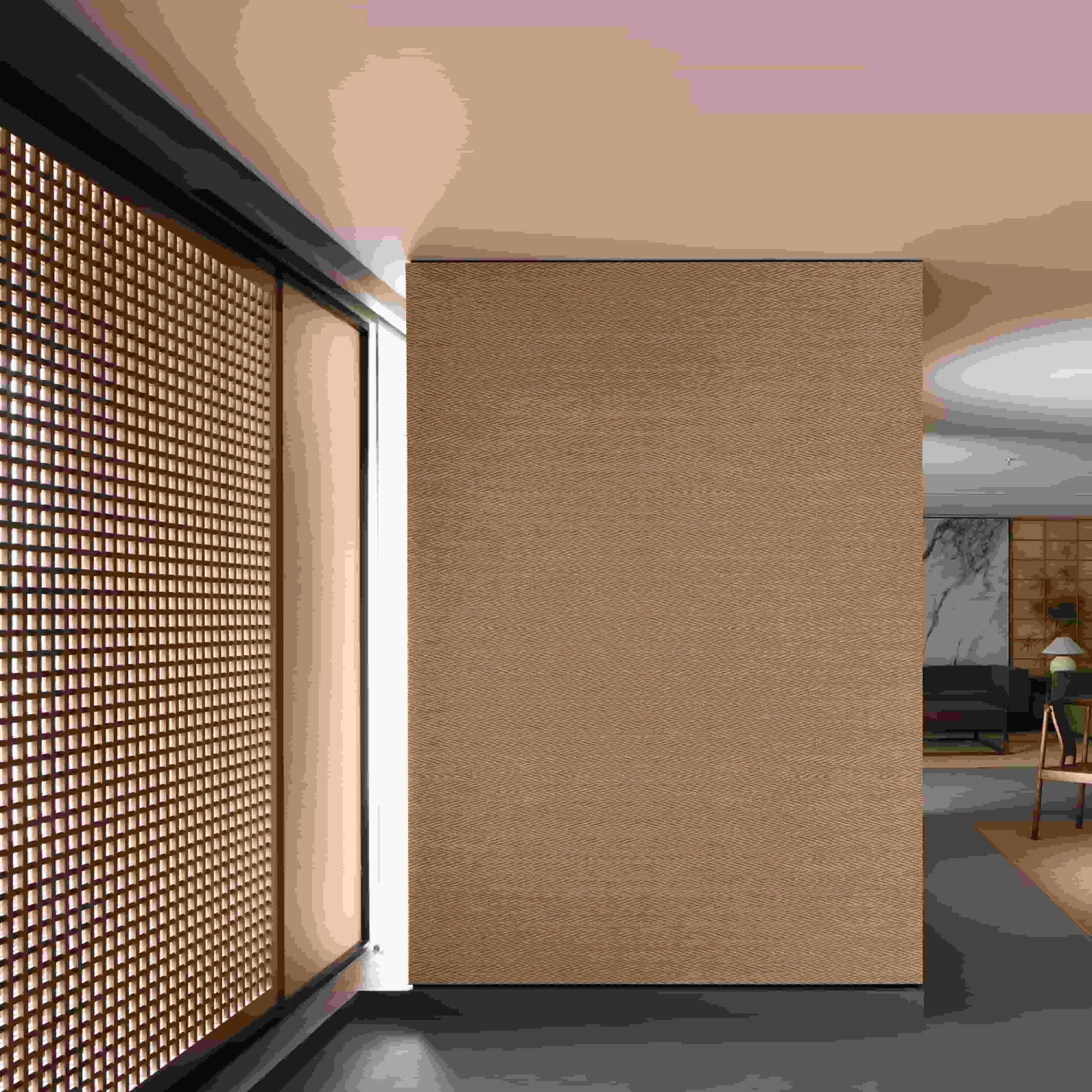
Let's start with the obvious: the color. Khaki here isn't the harsh, military-style shade you might picture. It's softer, warmer—like the color of sand at dawn, or the pages of a book that's been loved for decades. It has depth, with hints of beige and a whisper of green, avoiding the flatness of synthetic paints. "It's the kind of color that grows with a space," one architect told me. "In morning light, it leans warm; in afternoon shade, it softens to a gentle taupe. It never fights with other elements—it complements them."
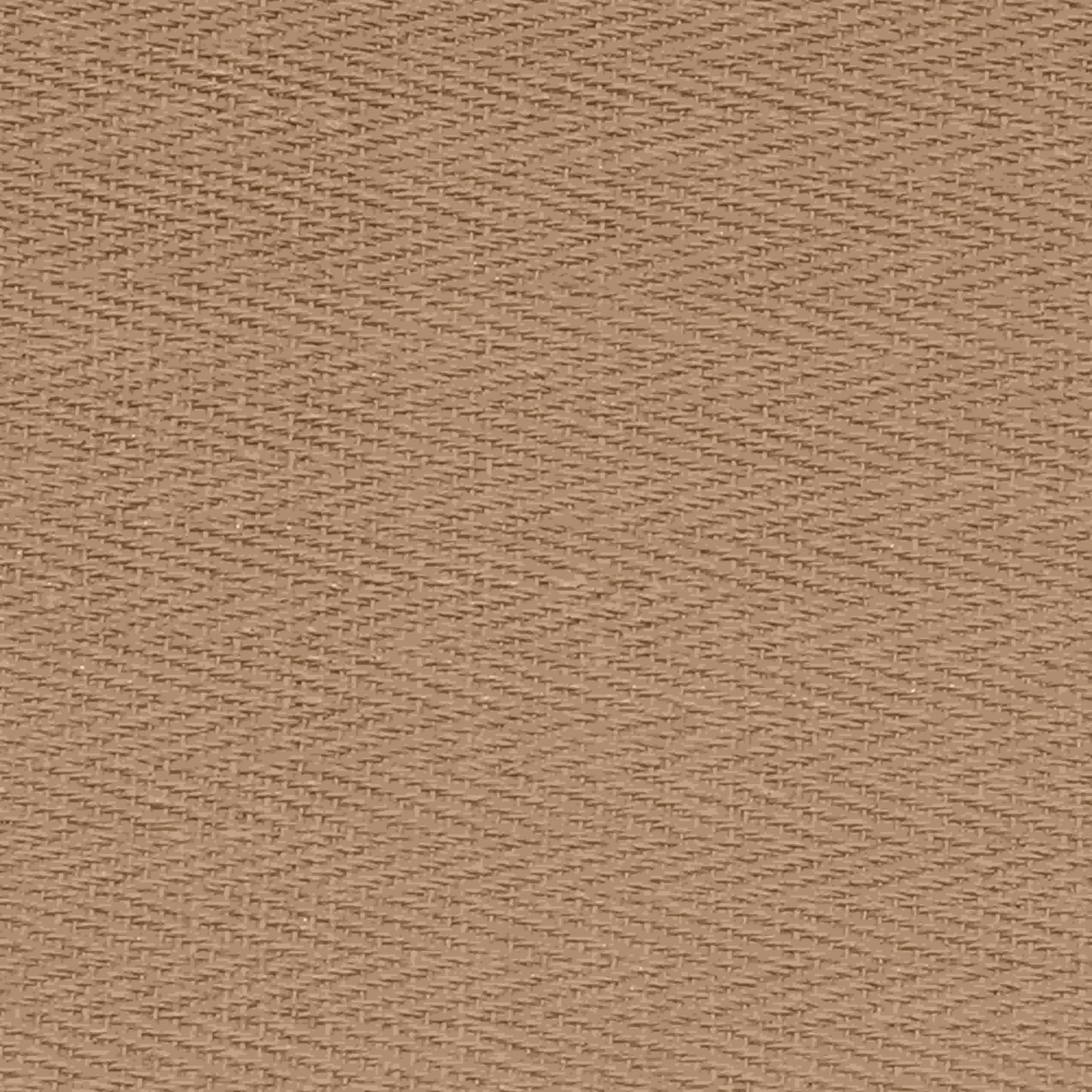
But the real star is the texture. Weaving (Khaki) doesn't just look woven—it feels woven. Run your hand over it, and you'll feel tiny, raised threads crisscrossing in a pattern that's both orderly and organic, like a basket woven by an artisan who's been perfecting their craft for years. The threads are subtle, not loud; they catch the light just enough to create soft shadows that shift as the sun moves, making a wall feel dynamic, not static.
Unlike printed or stamped textures, which can feel flat or fake, Weaving (Khaki) has depth. That's because MCM flexible stone is pressed using custom molds that replicate the pressure and irregularity of hand-weaving. "We don't just copy the pattern—we copy the imperfections ," a manufacturer explained. "A machine-woven texture would look too perfect, too cold. We want the little wobbles, the slight thickening of a thread here and there—those are the details that make it feel human."
Khaki isn't just a trend—it's a feeling. Earthy and neutral, it sits quietly in a space, letting other elements (art, furniture, people) take center stage. But it's not passive. Khaki evokes nostalgia: think of a well-loved canvas backpack, or the walls of a country cottage that's been home to generations. It's calming, too—studies show earth tones lower stress levels, making Weaving (Khaki) perfect for bedrooms, offices, or any space where you want to unwind. "I used it in a therapy clinic once," a designer told me. "Patients would comment on how 'safe' the walls felt. They didn't realize it was the texture and color working together—but I did."
To truly appreciate Weaving (Khaki), let's see how it plays with other popular MCM textures. After all, texture is all about contrast and harmony.
| Texture | Vibe | Best For |
|---|---|---|
| Weaving (Khaki) | Warm, nostalgic, soft. Feels like a hug in material form. | Bedrooms, living rooms, cafes—spaces where comfort is key. |
| Travertine (Starry Green) | Bold, cosmic, cool. Deep green with flecks of gold that look like stars. | Accent walls, statement pieces, or modern offices wanting drama. |
| Fair-Faced Concrete | Raw, industrial, minimalist. Smooth but with subtle pores and marks. | Lofts, galleries, or spaces going for a sleek, urban vibe. |
| Rammed Earth Board (Matcha Green) | Earthy, grounding, natural. Layered like sedimentary rock in soft green. | Spa retreats, yoga studios, or homes wanting a connection to nature. |
Weaving (Khaki) stands out for its versatility. It pairs beautifully with almost anything: the industrial edge of fair-faced concrete, the earthiness of rammed earth, even the drama of travertine (starry green). It's the ultimate team player—never overpowering, always enhancing.
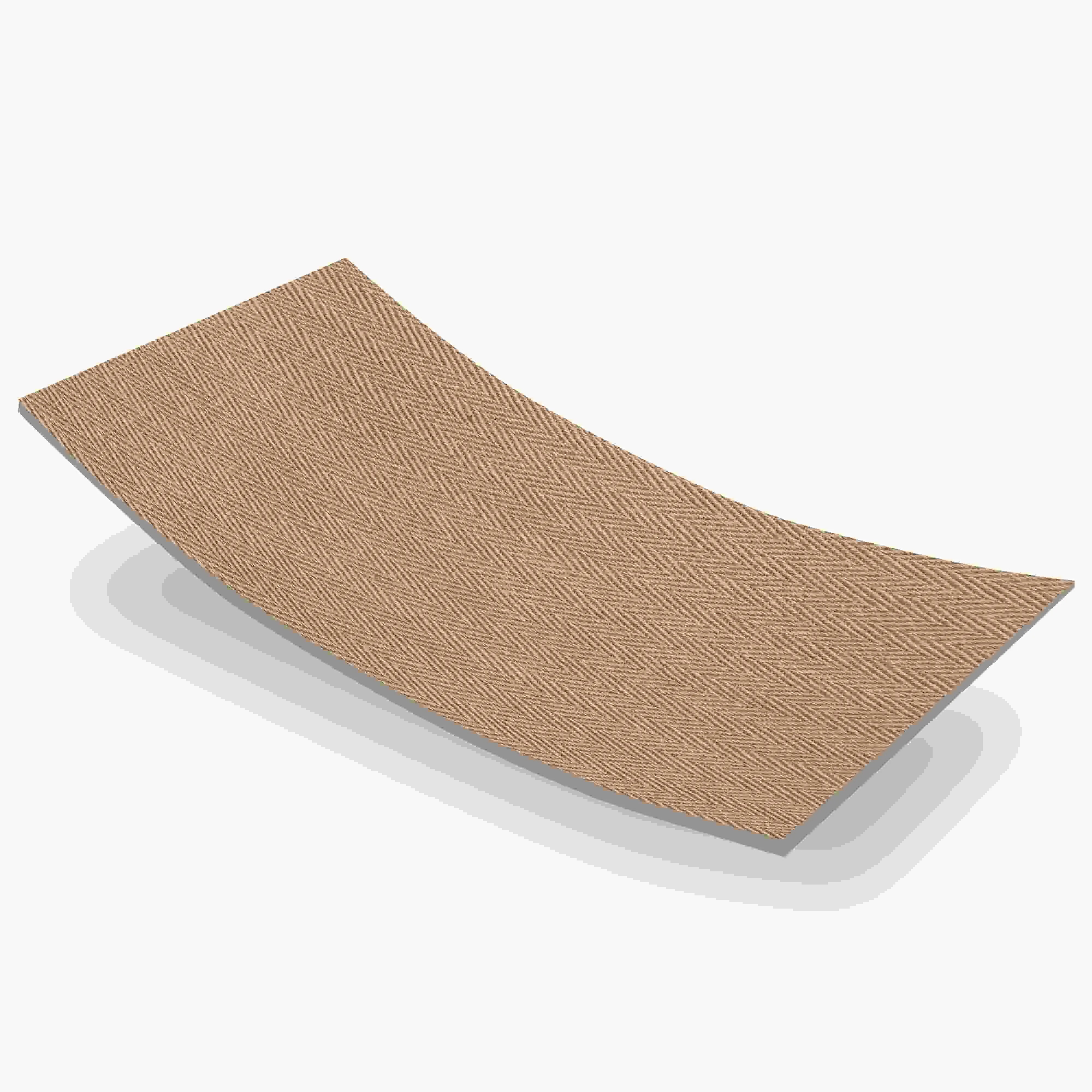
Weaving (Khaki) isn't just a pretty face—it's surprisingly practical. Thanks to MCM's durability, it works indoors and out, in homes and commercial spaces. Here are a few ways designers are using it:
Imagine a bedroom with Weaving (Khaki) on the wall behind the bed. Paired with linen sheets, a wooden nightstand, and a few potted plants, it becomes a retreat that feels calm, not cluttered. Or a home office where the texture softens the harshness of a desk and computer, making long workdays feel less stressful. "I used it in a client's nursery," one designer shared. "The parents wanted something gender-neutral and calming, but not boring. Weaving (Khaki) on the accent wall does exactly that—it's gentle, and the texture is safe for little hands to explore."
Cafés, boutiques, and hotels are falling for Weaving (Khaki) too. A coffee shop with Weaving (Khaki) walls feels less like a chain and more like a friend's kitchen. A boutique clothing store uses it to soften the brightness of retail lights, making customers feel relaxed enough to stay and browse. "We put it in a hotel lobby," a hospitality designer told me. "Guests often comment on how 'un-hotel-like' it feels—in a good way. It's approachable, not intimidating."
Don't sleep on Weaving (Khaki) outdoors. MCM holds up to rain, sun, and snow, making it perfect for patio walls, garden fences, or even poolside accents. Imagine a backyard with a Weaving (Khaki) panel behind a seating area—suddenly, the space feels like an extension of the home, not just a patch of concrete.
At the end of the day, Weaving (Khaki) is more than a building material—it's a storyteller. It tells a story of craftsmanship, of warmth, of a world that still values the human touch. In a time when so much of our lives is digital, tactile experiences have become precious. We crave things we can feel, things that remind us we're alive.
The designer who first showed me Weaving (Khaki) put it best: "Texture is memory. A child running their hand along a woven wall will remember that feeling years later. A couple hosting friends in a room with Weaving (Khaki) walls will remember the laughter, the warmth, the way the light hit the texture at sunset. Materials like this don't just build spaces—they build memories."
Weaving (Khaki) in MCM materials is a beautiful contradiction: it's modern technology honoring ancient craft. It's durable enough for the future, yet feels like it's been around forever. It's a reminder that in design, as in life, the best things aren't just seen—they're felt.
So the next time you're designing a space, don't just pick a color or a pattern. Pick a texture. Pick something that makes you want to reach out and touch it. Pick something that tells a story. Pick Weaving (Khaki)—and watch as your space stops being a room, and starts being a feeling.
Recommend Products












