
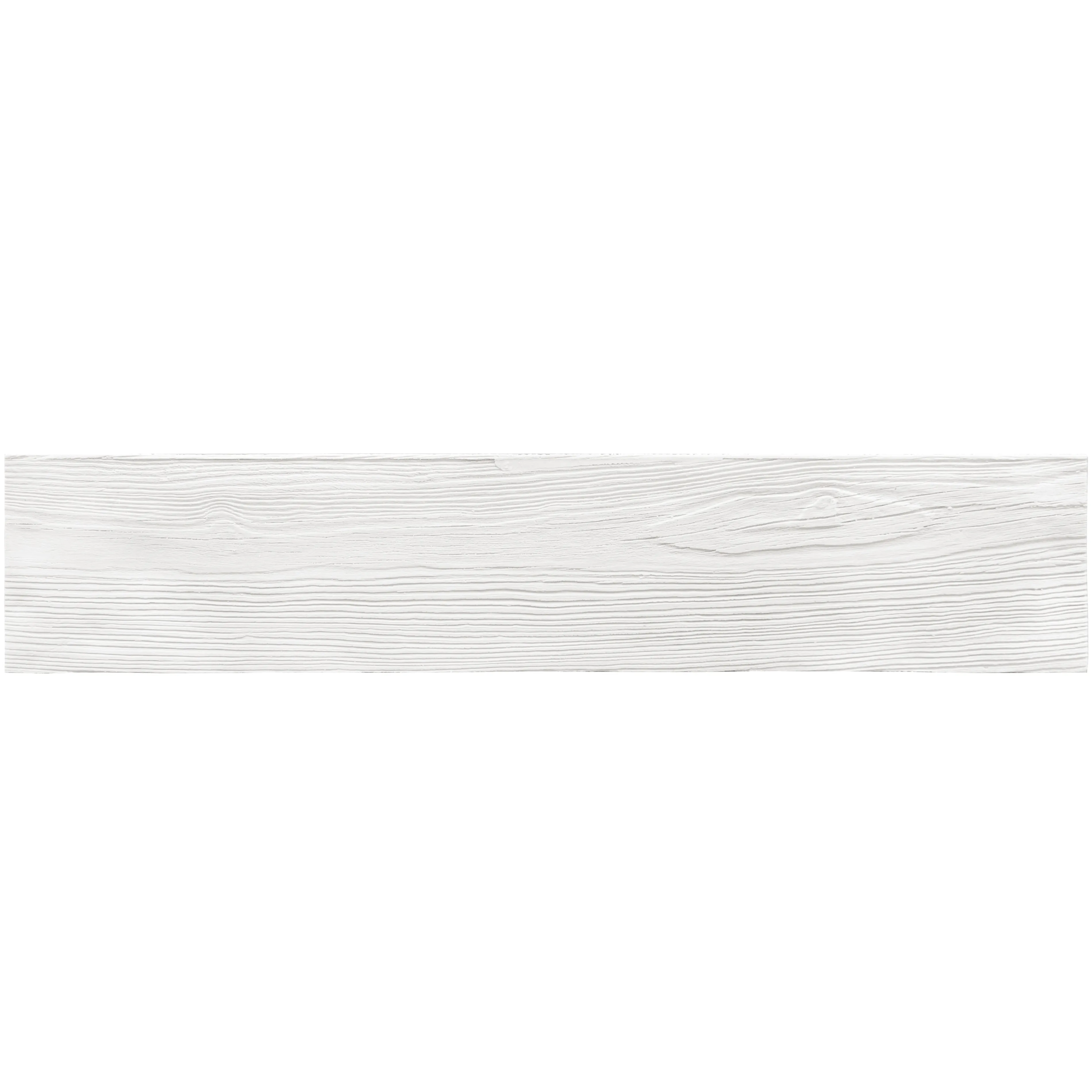
Walk through a modern home, a boutique hotel lobby, or a sleek office space, and you might encounter a surface that stops you in your tracks—not for its bold color or flashy design, but for its understated warmth. It looks like wood, yet feels subtly different: smoother than rough-hewn timber, more alive than painted panels. This is White Wood, a material that has quietly become a cornerstone of contemporary architecture, bridging the gap between nature and innovation. But what exactly is White Wood, and why has it captured the imagination of designers worldwide?
At its core, White Wood is not a single type of wood but a term describing a range of engineered and natural wood products treated or processed to achieve a light, often off-white to pale cream hue. Unlike stark white paints that can feel cold or clinical, White Wood retains the organic grain and texture of natural wood, infusing spaces with a sense of calm and connection to the outdoors. It's a material that speaks in soft tones, allowing light to dance across its surface and creating environments that feel both expansive and intimate.
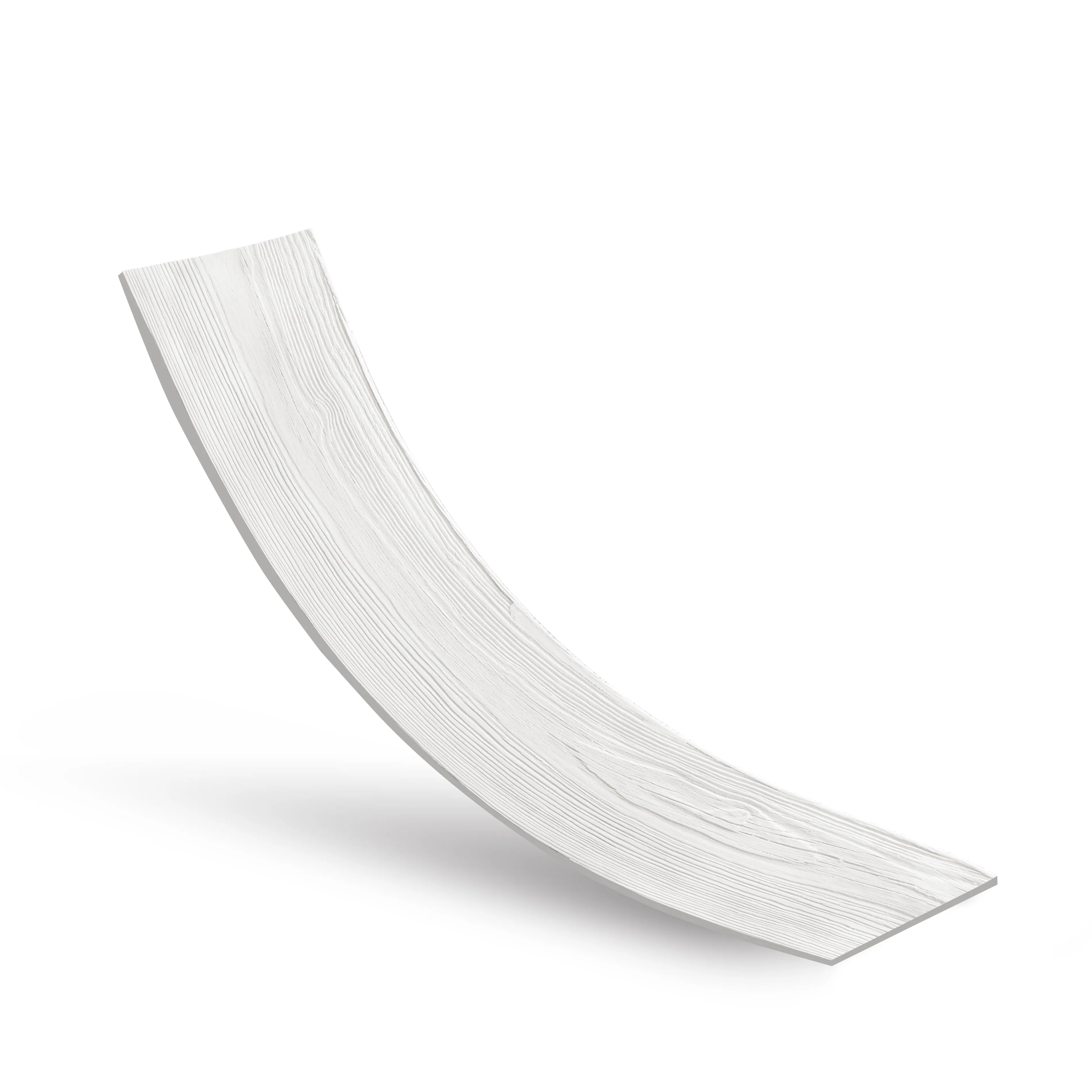
The story of White Wood is as much about tradition as it is about progress. For centuries, artisans have bleached, limed, or whitewashed wood to brighten interiors, particularly in regions where sunlight was scarce. In Scandinavian design, for example, white-painted pine has long been a staple, reflecting light to combat long, dark winters. But modern White Wood takes this concept further, blending age-old techniques with cutting-edge engineering to enhance durability, sustainability, and versatility.
Today's White Wood products range from solid wood planks treated with non-toxic bleaching agents to engineered composites that combine wood fibers with resins or minerals. Some variants, like those used in high-moisture areas (think bathrooms or coastal homes), are even infused with protective coatings that resist warping or mold. This evolution has turned White Wood from a niche aesthetic choice into a practical, high-performance material suitable for everything from wall cladding to furniture, flooring, and exterior siding.
Take, for instance, the rise of wood concrete board—a hybrid material that pairs wood fibers with concrete to create panels that are both lightweight and strong. When finished in a White Wood tone, these boards offer the best of both worlds: the warmth of wood and the durability of concrete. Architects in urban settings often favor them for facades, where they stand up to pollution and weather while adding a touch of softness to hard cityscapes.
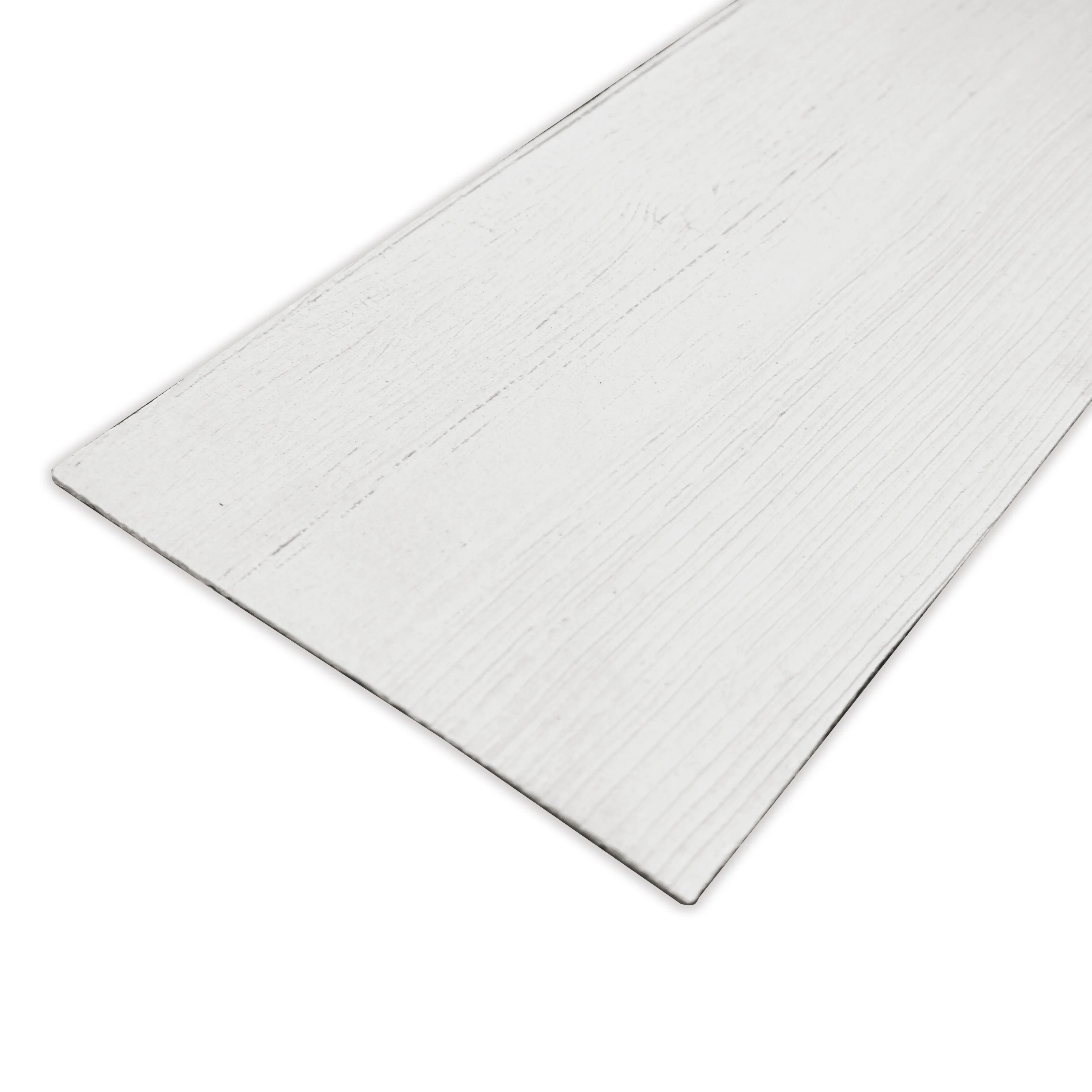
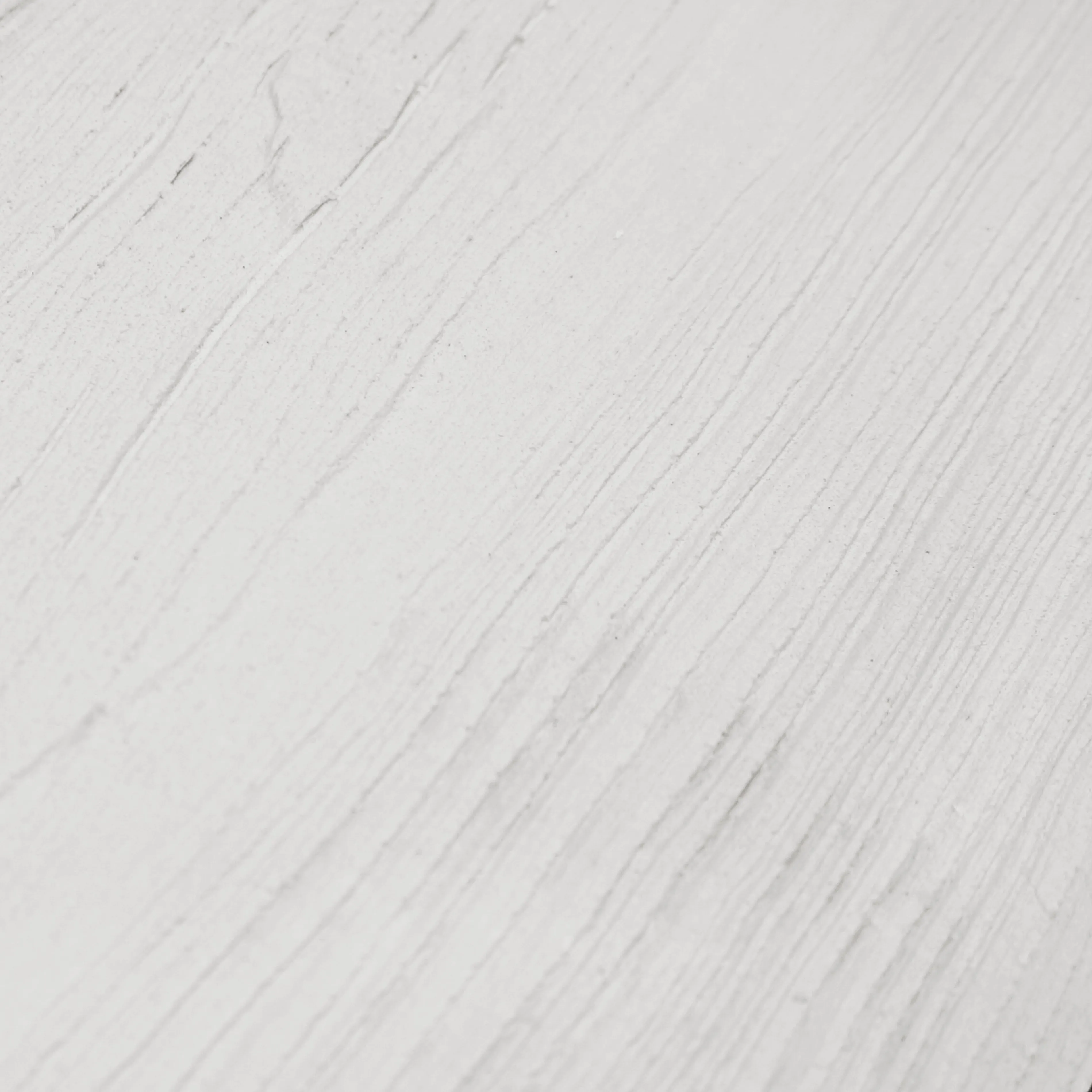
White Wood's popularity hinges on its unique ability to transform spaces without overwhelming them. Its light color makes rooms feel larger and airier, a boon for small apartments or offices where square footage is precious. But it's the texture that truly sets it apart. Unlike flat, uniform surfaces, White Wood retains the natural grain of the wood—knots, swirls, and subtle imperfections that tell a story of growth and time. This "imperfect perfection" resonates in a world that craves authenticity, even in modern design.
Whether paired with minimalist decor or layered into maximalist schemes, White Wood adapts. In a Scandinavian-inspired home, it might take center stage: walls clad in White Wood planks, paired with woven (white) textiles and light-toned furniture, creating a space that feels like a winter cabin warmed by sunlight. In a bohemian retreat, it could serve as a neutral backdrop for vibrant art and textured rugs, its softness balancing bold patterns.
For industrial-chic interiors, White Wood plays well with raw materials. Imagine a loft with exposed brick walls, metal fixtures, and White Wood ceilings—suddenly, the space feels less harsh, more livable. Designers often contrast it with fair-faced concrete, a material prized for its raw, unpolished look. The combination is striking: cool concrete and warm White Wood engaging in a visual dialogue that feels both modern and timeless.
Perhaps the most magical quality of White Wood is how it interacts with light. Morning sunlight filters through windows, casting dappled patterns on White Wood floors that shift as the day progresses. In the evening, artificial light softens its tone, turning walls into a canvas of warm glows. This dynamic relationship with light makes White Wood a favorite for spaces designed to feel "alive"—restaurants where ambiance matters as much as food, or bedrooms where relaxation is key.
White Wood isn't just for show—it's a workhorse in architecture and design. Its versatility means it can be used in nearly every part of a building, from structural elements to decorative accents. Let's explore some of its most common applications:
In homes, White Wood often stars in kitchens and bathrooms, areas where durability and aesthetics collide. Cabinetry finished in White Wood adds brightness to kitchens, making them feel clean and inviting, while moisture-resistant White Wood panels in bathrooms create a spa-like atmosphere without the risk of water damage. For living rooms, White Wood accent walls serve as a focal point, particularly when paired with natural materials like travertine (beige) flooring. The travertine's earthy, porous texture grounds the White Wood's brightness, creating a balance that feels both cozy and sophisticated.
Bedrooms, too, benefit from White Wood's calming presence. A White Wood headboard or wall cladding can turn a ordinary room into a serene retreat, especially when complemented by soft textiles and warm lighting. Homeowners often report that spaces with White Wood feel "less stressful"—a testament to its ability to evoke a sense of peace.
In commercial design, White Wood is a tool for branding. Cafés aiming for a "cozy yet modern" vibe use White Wood tables and banquettes, pairing them with rough granite stone (beige) countertops to create a rustic-meets-contemporary feel. Retail stores, meanwhile, use White Wood shelving to make products pop—its neutral tone ensuring that clothing, books, or decor take center stage.
Public spaces like libraries and community centers also embrace White Wood for its ability to foster connection. Imagine a library reading room with White Wood bookshelves lining the walls, their light color making the space feel open and welcoming. Or a community hall with a White Wood ceiling that softens the echo of voices, turning gatherings into more intimate affairs. In these settings, White Wood isn't just a material—it's a facilitator of human interaction.
While White Wood is often associated with interiors, its exterior applications are equally impressive. Modern homes in wooded areas use White Wood siding to blend with snow-covered landscapes in winter and stand out against green foliage in summer. In coastal regions, where salt air can corrode materials, treated White Wood cladding resists decay while reflecting the sun's glare, keeping homes cooler and reducing energy costs.
Commercial buildings, too, are getting in on the trend. A hotel nestled in the mountains might use White Wood panels on its facade, mirroring the surrounding peaks and creating a sense of harmony with nature. Even urban skyscrapers are experimenting with White Wood accents, using them to break up the monotony of glass and steel. It's a bold choice, but one that pays off: a touch of White Wood can make a towering structure feel more approachable, more human.
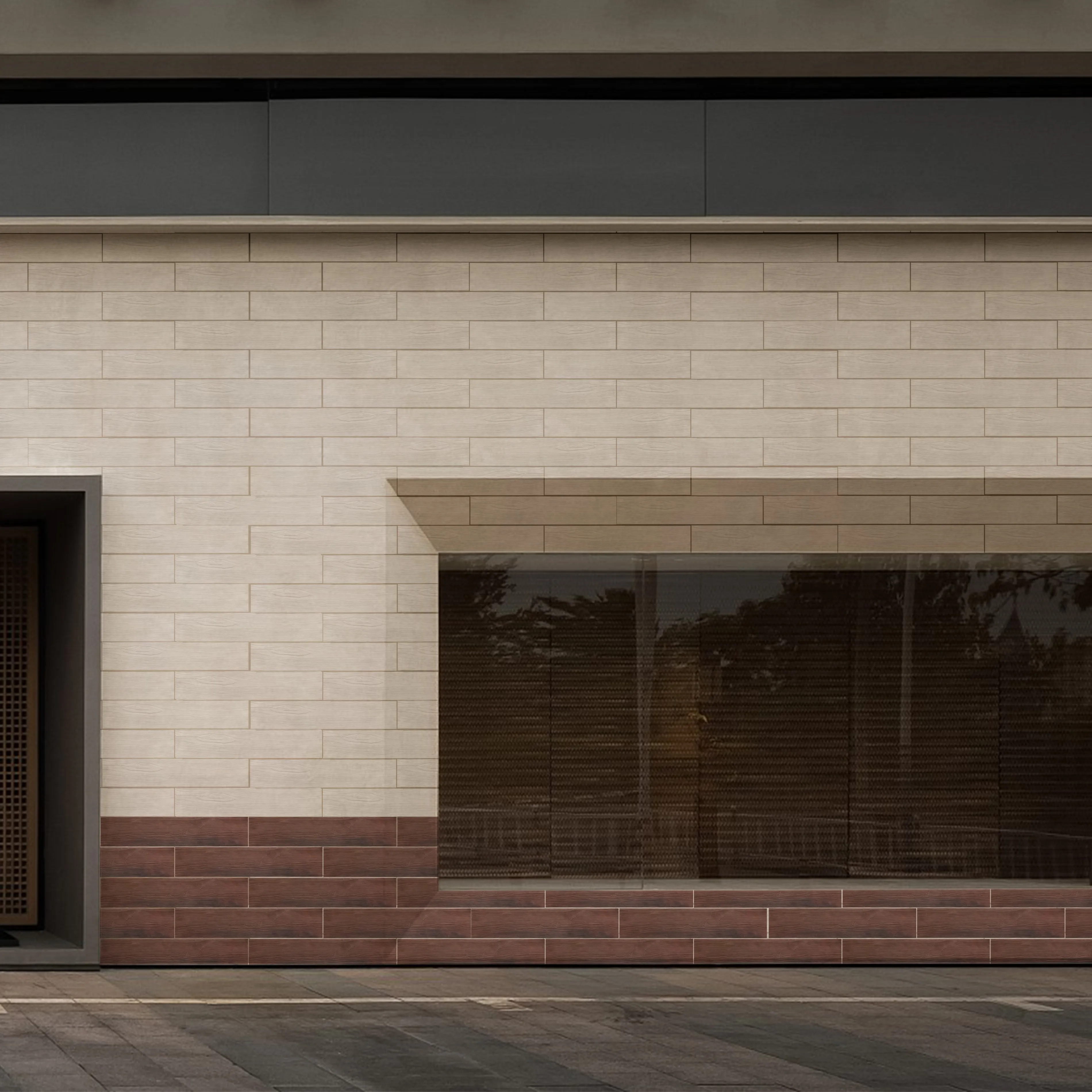
To truly understand White Wood's value, it helps to compare it to other popular materials. Below is a breakdown of how it measures up against wood concrete board, fair-faced concrete, and rough granite stone (beige)—three materials often used in conjunction with or as alternatives to White Wood.
| Material | Durability | Aesthetic | Sustainability | Common Applications |
|---|---|---|---|---|
| White Wood | High (when treated); resistant to warping and mold with proper coatings | Warm, light, and textured; retains natural wood grain | Depends on sourcing; FSC-certified options available for eco-friendliness | Wall cladding, flooring, furniture, exterior siding |
| Wood Concrete Board | Very high; resistant to fire, moisture, and pests | Hybrid texture (wood + concrete); can be finished in White Wood tones | Moderate; uses recycled wood fibers but requires concrete production | Facades, countertops, outdoor decking |
| Fair-Faced Concrete | Extremely high; withstands weather, fire, and wear | Raw, industrial, and cool-toned; shows formwork patterns | Low to moderate; high carbon footprint from concrete production | Walls, floors, structural elements |
| Rough Granite Stone (Beige) | Exceptional; scratch and heat resistant | Rugged, earthy, and warm; natural veining and texture | Low; quarried stone has high extraction and transport impact | Countertops, flooring, accent walls |
As the table shows, White Wood excels in warmth and versatility, while materials like fair-faced concrete and rough granite stone (beige) offer superior durability but lack the organic feel of wood. The sweet spot often lies in combining them: White Wood for softness, concrete or stone for strength. It's a balance that architects like Sarah Lin, principal at Studio Lin, swears by: "White Wood doesn't compete with other materials—it elevates them. Pair it with travertine (beige) or rough granite, and suddenly you have a space that feels both grounded and light."
In an era where sustainability is non-negotiable, White Wood holds its own—provided it's sourced responsibly. Many manufacturers now offer FSC-certified White Wood products, ensuring that the wood comes from forests managed for long-term ecological health. Additionally, engineered White Wood options, like those made from reclaimed wood or fast-growing species (such as bamboo or pine), reduce pressure on old-growth forests.
The production process matters, too. Traditional bleaching methods often used harsh chemicals, but modern techniques rely on hydrogen peroxide or oxygen-based agents that break down into water and oxygen, minimizing environmental harm. Some companies even use solar-powered facilities to treat the wood, further reducing their carbon footprint.
Perhaps most importantly, White Wood's longevity contributes to sustainability. A well-maintained White Wood cladding or floor can last decades, reducing the need for frequent replacements. And when it does reach the end of its life, it's often recyclable or biodegradable, unlike synthetic materials that end up in landfills.
As technology advances, so too does White Wood's potential. Researchers are experimenting with self-healing coatings that repair small scratches, extending the material's lifespan. Others are exploring ways to infuse White Wood with fire-resistant properties, making it suitable for high-rise buildings where safety is paramount.
Designers, meanwhile, are pushing the boundaries of what White Wood can do. 3D printing technology is enabling the creation of intricate White Wood structures—curved walls, geometric panels—that were once impossible to craft by hand. Imagine a museum with a White Wood ceiling shaped like waves, or a home with custom White Wood furniture that seems to flow from the walls. These aren't just dreams; they're the next frontier of architectural design.
There's also a growing focus on biophilic design—the idea that connecting with nature improves well-being. White Wood, with its organic texture and light color, is a natural fit. Future projects may see it integrated with living walls or indoor gardens, creating spaces that blur the line between inside and out.
At the end of the day, White Wood is more than a material—it's a storyteller. It carries the history of woodworking traditions, the innovation of modern engineering, and the promise of a more sustainable future. It transforms buildings into spaces that feel not just built, but lived in—spaces that breathe, that adapt, that welcome.
Whether you're walking through a cozy home, a bustling café, or a towering office building, keep an eye out for that soft, light surface that feels like a hug from nature. That's White Wood, quietly shaping the way we experience the world around us. And as architects and designers continue to find new ways to use it, one thing is clear: its story is just getting started.
Recommend Products












