
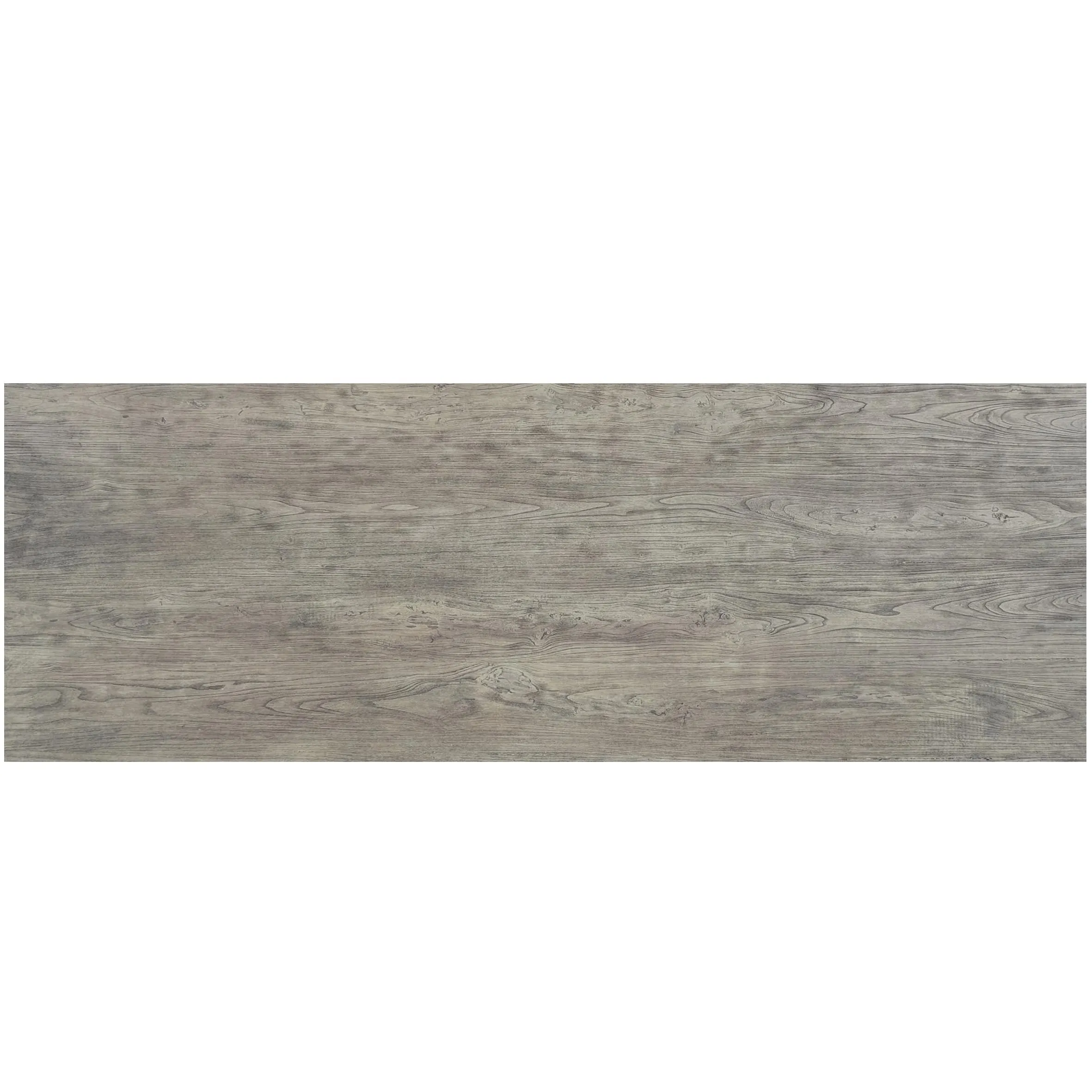
Walk into any thoughtfully designed space—a sunlit café with exposed beams, a minimalist home office with sleek accent walls, or a boutique hotel lobby that feels both grand and intimate—and you'll notice something crucial: the materials tell a story. They shape how we experience a room, from the warmth of wood to the cool elegance of stone. But for years, designers and homeowners alike have faced a trade-off: the beauty of natural materials often comes with a cost—literally and figuratively. High maintenance, susceptibility to wear, or environmental concerns can turn a dream material into a headache. That's where wood grain board steps in. Part of the innovative MCM (Modified Composite Material) family, this decorative panel is redefining what's possible, blending the timeless charm of wood with the durability and flexibility of modern engineering. Let's dive into what makes it special, how it's made, and why it might just be the material your next project has been missing.
At its core, wood grain board is a decorative panel designed to mimic the look and texture of natural wood—think oak, walnut, teak, or even reclaimed barnwood—without relying solely on timber. What sets it apart is its construction: it's part of the MCM flexible stone and panel family, which uses advanced composite technology to layer materials like recycled wood fibers, mineral compounds, and a durable resin matrix. The result? A panel that's lightweight, flexible, and built to withstand the chaos of daily life—whether that's a busy family home, a high-traffic restaurant, or a humid bathroom.
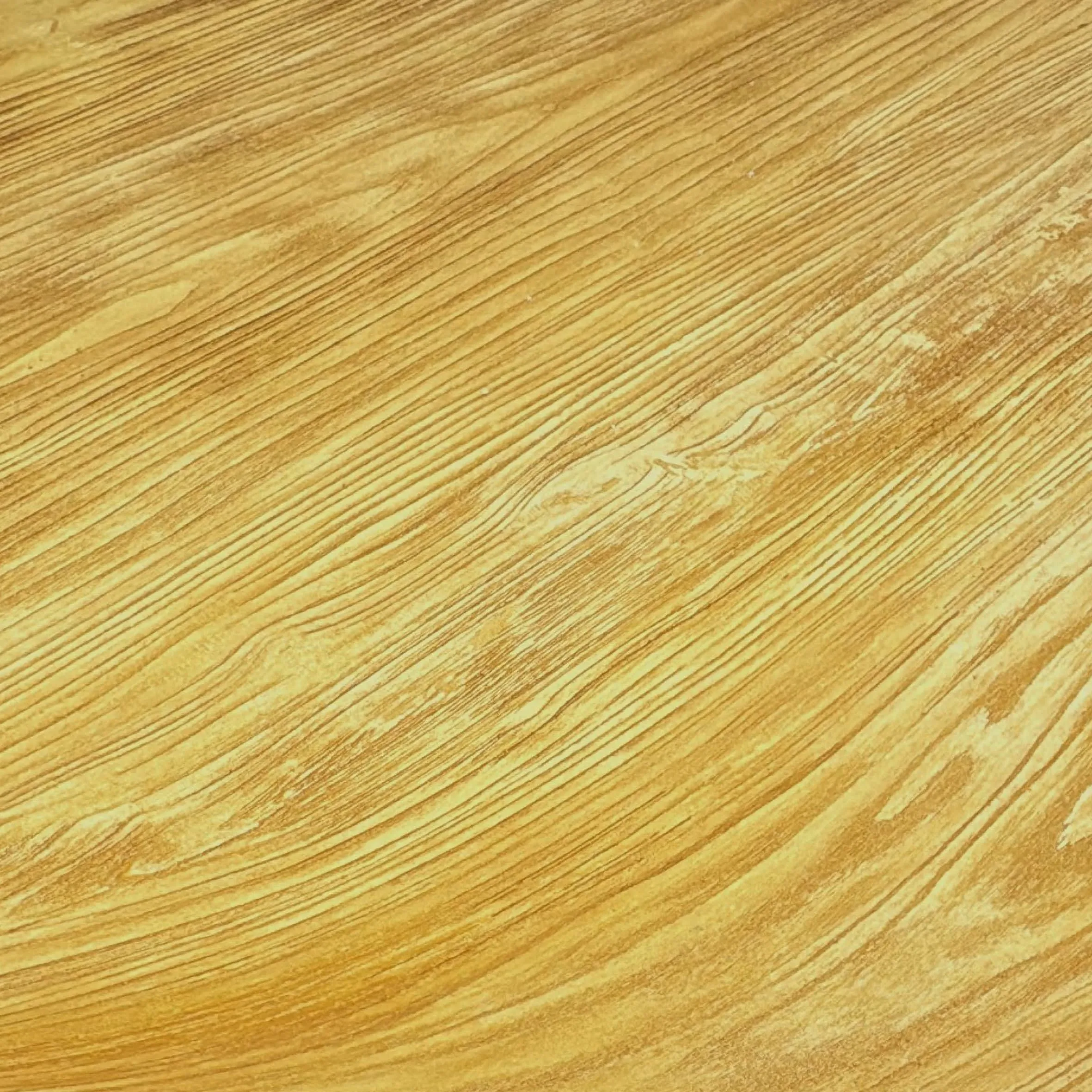
But it's not just about durability. The magic lies in the details. Manufacturers use precision printing and texturing techniques to replicate the unique grain patterns, knots, and even the subtle color variations that make natural wood so appealing. Run your hand over a high-quality wood grain board, and you'll feel the slight ridges and grooves—no two panels are identical, just like real wood. It's the kind of material that makes guests do a double-take: "Is this real wood?" Spoiler: It doesn't have to be to feel authentic.
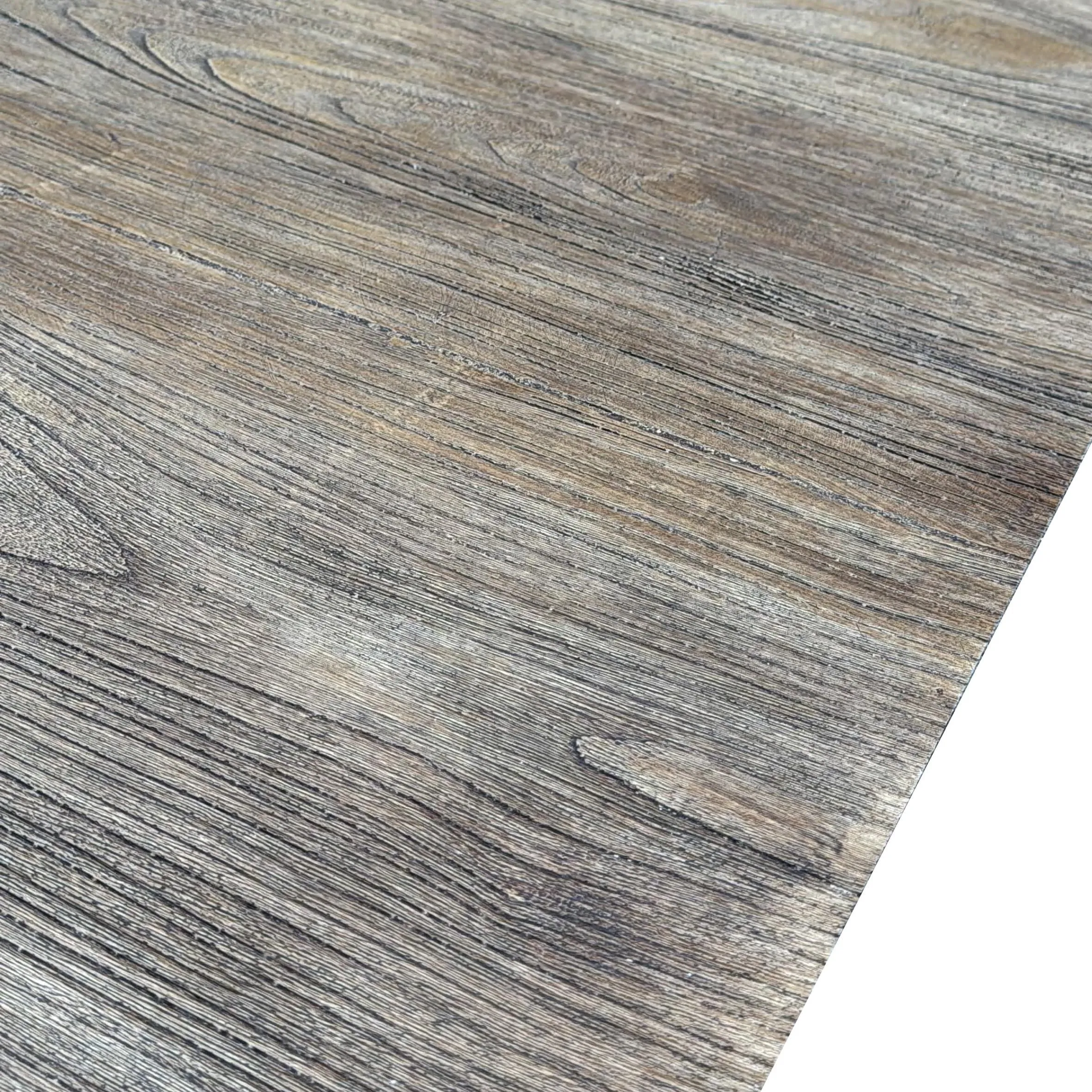
To understand wood grain board, you first need to meet its parent technology: MCM, or Modified Composite Material. MCM is a game-changer in the world of building materials, designed to address the limitations of traditional options like solid stone, wood, or vinyl. Unlike rigid materials that crack under stress or flexible ones that lack structure, MCM strikes a balance. It's made by compressing layers of natural and synthetic materials under high pressure and heat, creating a panel that's both strong and adaptable.
For wood grain board, this means two key advantages. First, flexibility: unlike solid wood planks, which can warp or split when exposed to moisture or temperature changes, MCM-based wood grain panels can bend slightly, making them ideal for curved walls, ceilings, or even furniture with organic shapes. Second, sustainability: by using recycled wood fibers and reducing reliance on virgin timber, many wood grain boards align with eco-friendly building practices—music to the ears of architects and homeowners prioritizing green design.
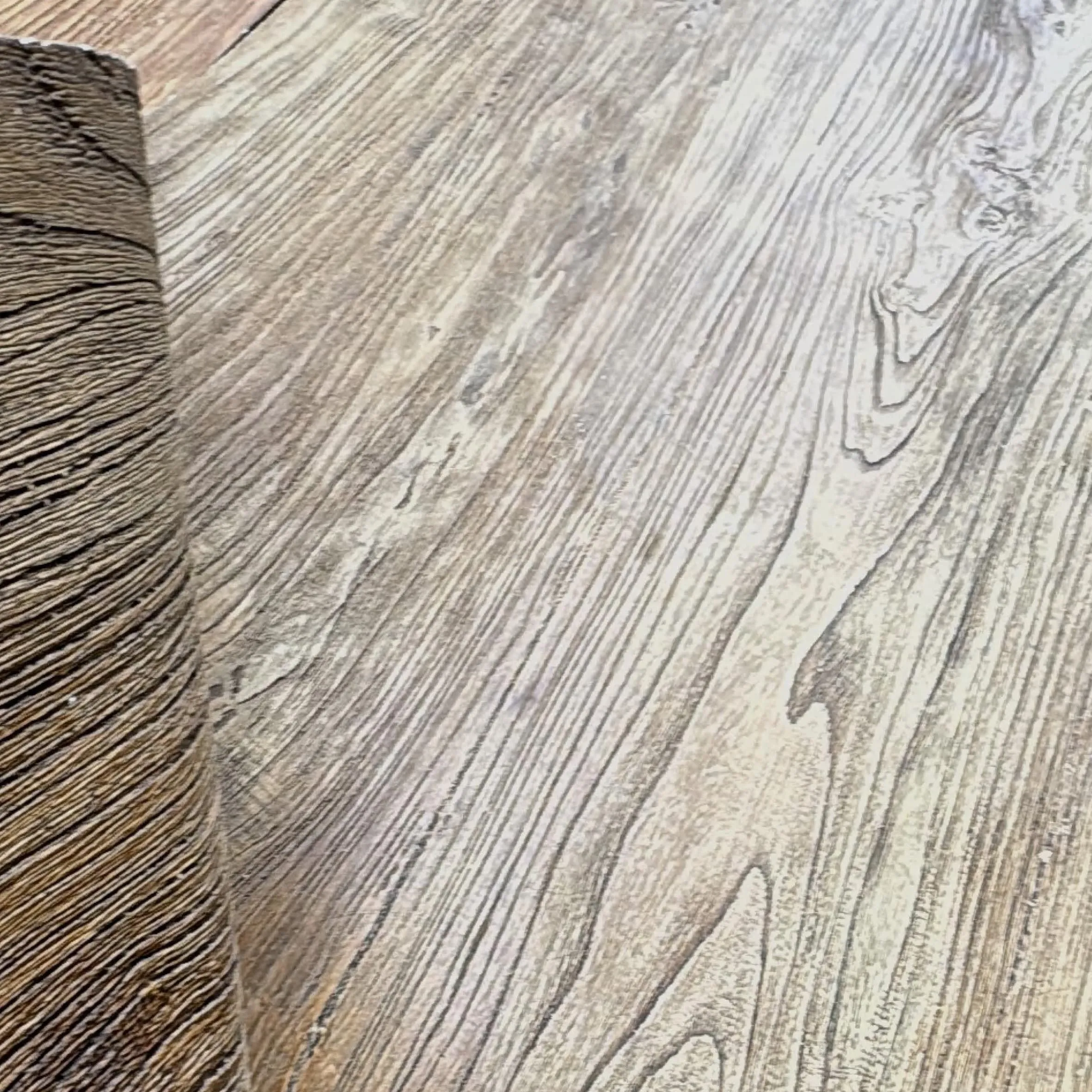
Let's be real: There are plenty of "wood-look" products out there—vinyl planks, laminate flooring, even wallpaper. So what makes wood grain board stand out? Let's break down the benefits:
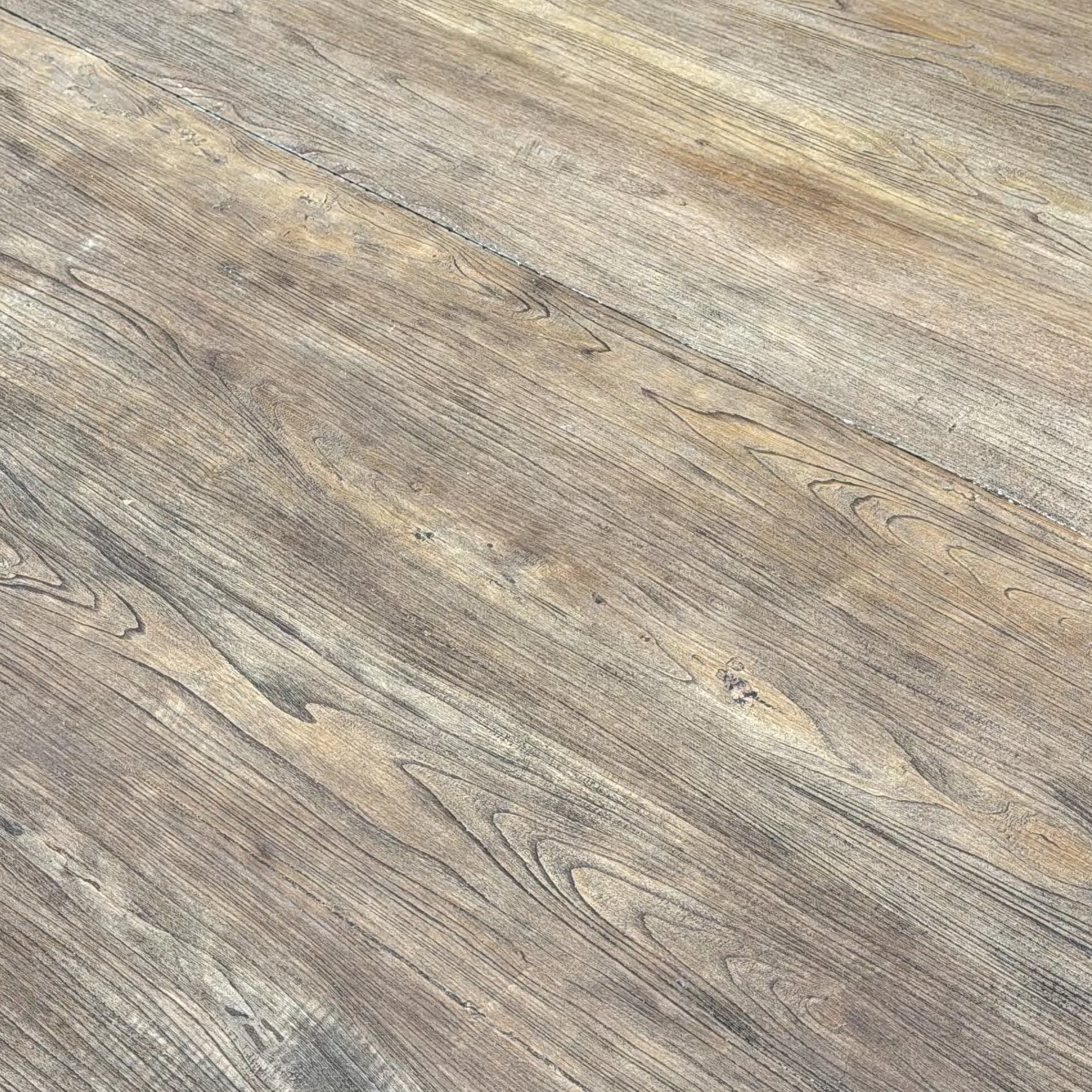
Still on the fence? Let's put wood grain board head-to-head with some common alternatives. The table below breaks down key factors like durability, maintenance, and cost to help you decide:
| Feature | Wood Grain Board (MCM) | Solid Wood Panels | Vinyl Wood-Look Planks | Laminate Wood-Look Sheets |
|---|---|---|---|---|
| Durability | Resistant to moisture, scratches, and pests; lasts 15-20+ years | Prone to warping, rot, and scratches; 10-15 years with care | Water-resistant but can dent; 10-15 years | Scratch-resistant but can chip; 8-12 years |
| Maintenance | Wipe with damp cloth; no sealing or staining needed | Requires annual sealing, polishing, and occasional refinishing | Easy to clean but prone to discoloration from sunlight | Simple cleaning but avoids harsh chemicals |
| Sustainability | Uses recycled materials; low VOCs; reduces timber demand | Requires harvesting trees; may contribute to deforestation | Made from PVC; non-biodegradable; some off-gassing | Contains formaldehyde in some cases; limited recyclability |
| Cost (Initial) | Mid-range ($3-6/sq ft) | High ($8-15+/sq ft) | Low ($1-3/sq ft) | Low-Mid ($2-4/sq ft) |
| Installation | Lightweight; flexible for curves; DIY-friendly | Heavy; requires professional cutting/fitting; rigid | Easy click-lock system but rigid; not for curves | Glue-down application; rigid; limited to flat surfaces |
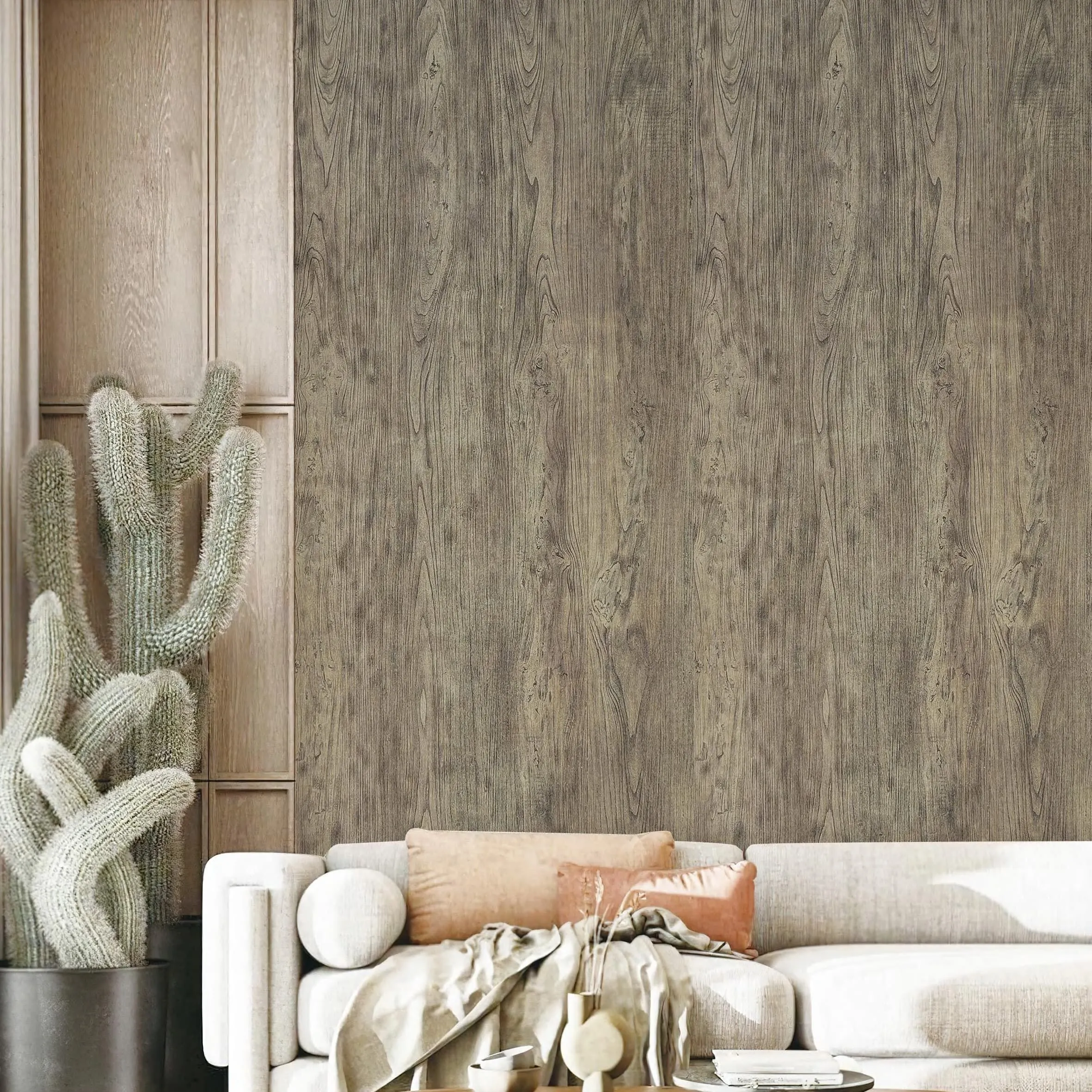
One of the best things about wood grain board is its versatility. It's not just for walls—though accent walls are a popular choice. Here are some creative ways designers and homeowners are using it:
Residential Spaces: Imagine a kitchen backsplash that looks like reclaimed wood but stands up to splatters and heat. Or a bathroom vanity front that adds warmth without worrying about water damage. In living rooms, it's perfect for TV walls or fireplace surrounds, adding texture without overwhelming the space. Even ceilings—yes, ceilings!—can benefit from wood grain board, turning a plain white expanse into a cozy, cabin-like retreat.
Commercial Projects: Restaurants and cafes love it for its ability to create a welcoming, "homey" vibe that can handle spills and constant foot traffic. Office lobbies use it to add warmth to modern, minimalist designs, pairing it with materials like fair-faced concrete for a sleek, industrial-chic look. Retail stores? It's a favorite for feature walls that showcase products while feeling approachable.
Outdoor Spaces: Thanks to its moisture resistance, wood grain board works outdoors too—think patio ceilings, pergola accents, or even exterior cladding for sheds or garden rooms. Unlike natural wood, it won't fade in the sun or rot in the rain, making it a low-maintenance alternative to decking or outdoor paneling.
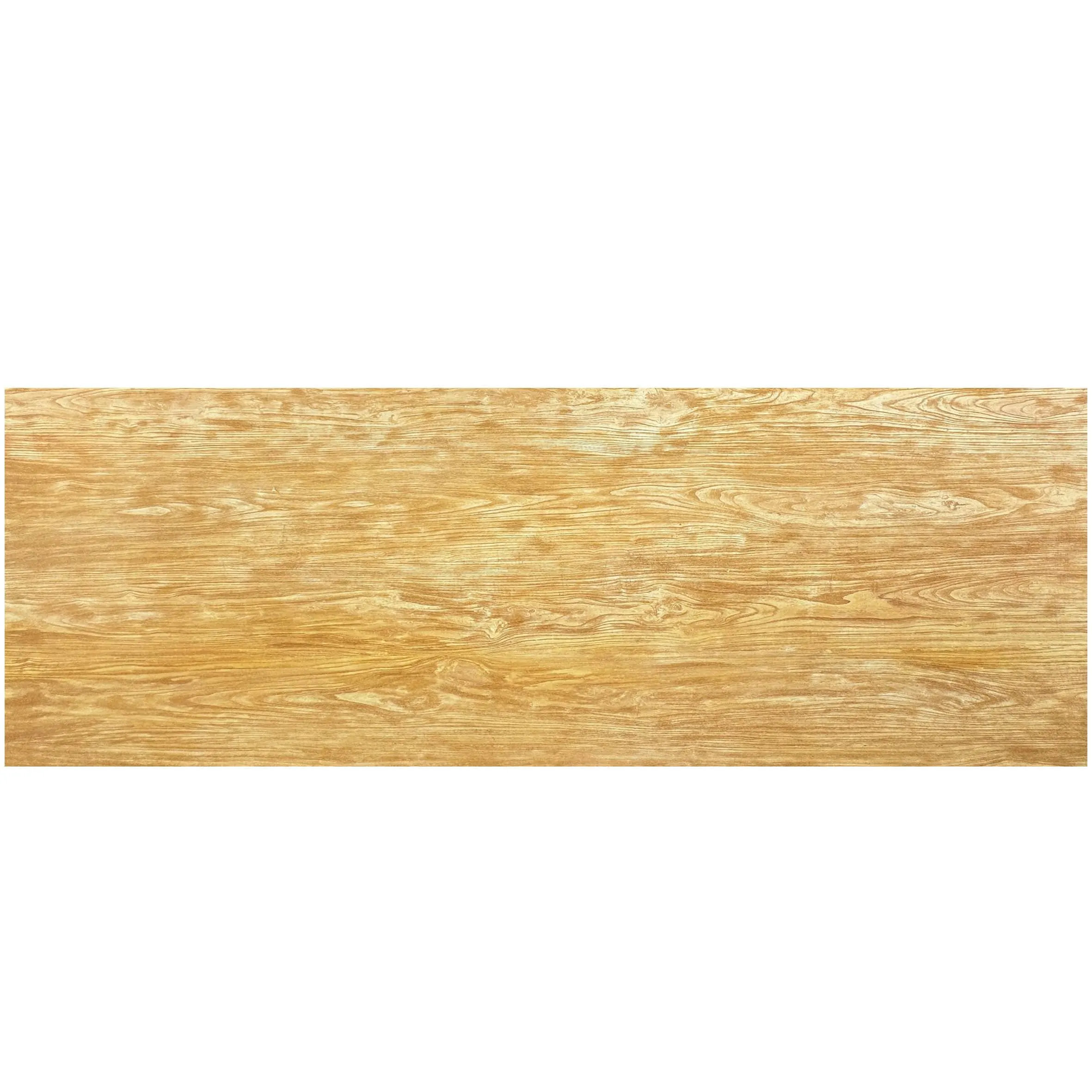
Wood grain board rarely shines alone—it's part of a larger MCM family that includes materials like lunar peak (silvery, golden, or black stone-inspired panels), travertine (starry green, red, or blue variants), and foamed aluminium alloy board (vintage silver or gold). Mixing and matching these can take your design to the next level. For example, pair wood grain board with lunar peak silvery panels for a modern, celestial-inspired accent wall. Or combine it with travertine (starry blue) for a coastal vibe that feels both grounded and airy. The key is balance—wood adds warmth, while these other MCM materials bring texture and contrast.
Architects and designers are also getting creative with scale. The MCM big slab board series offers larger-format panels (up to 4x8 feet), which means fewer seams and a more seamless look—perfect for open-concept spaces or commercial walls. Imagine a hotel lobby with floor-to-ceiling wood grain big slabs paired with fair-faced concrete columns: it's bold, cohesive, and impossible to ignore.
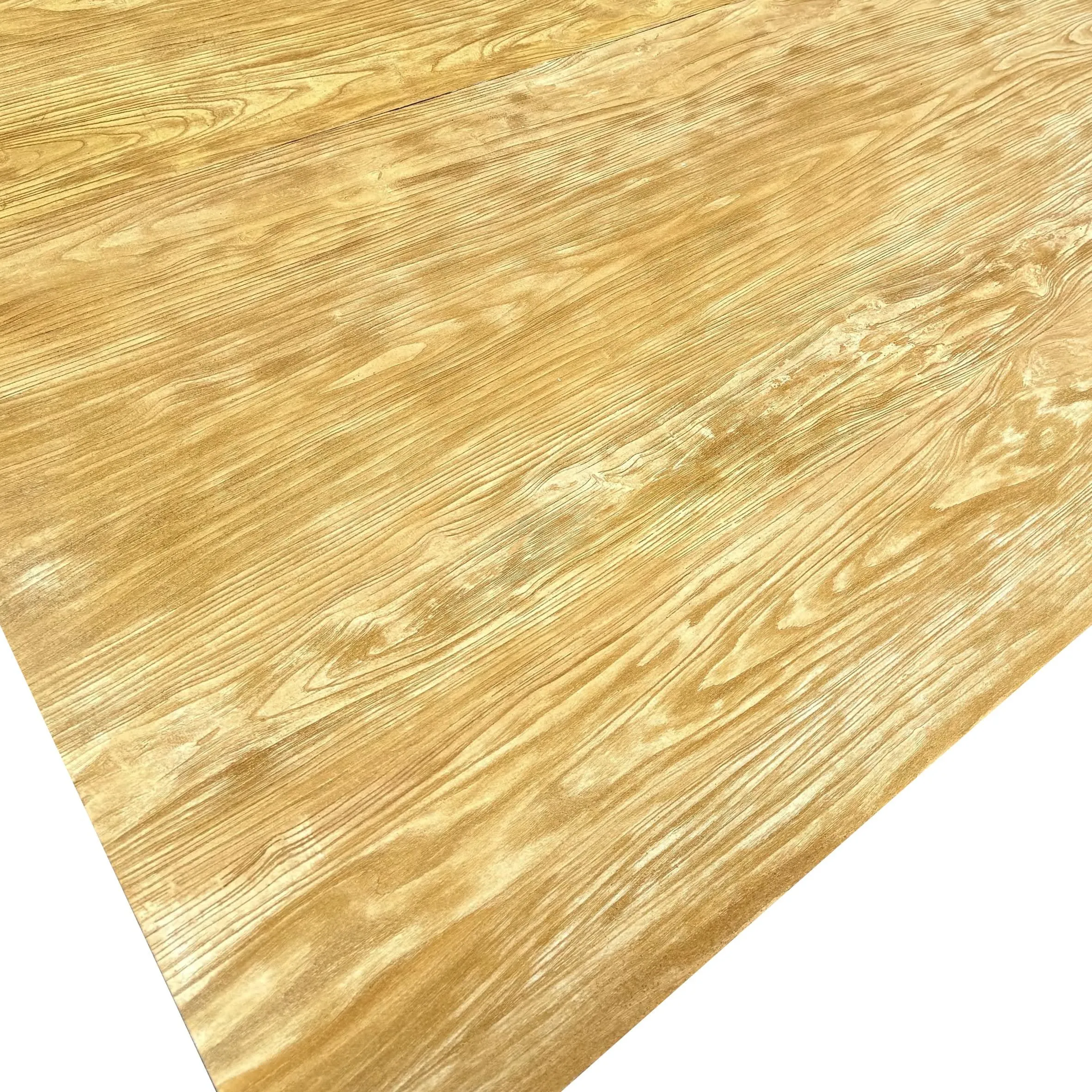
Let's talk practicalities. Installing wood grain board is refreshingly straightforward, especially compared to solid wood. Because it's lightweight, you won't need a team of people to hoist panels into place. Most come with a peel-and-stick backing or can be secured with construction adhesive, and since it's flexible, you can even use it on gently curved surfaces (think archways or rounded niches). For DIYers, this means weekend projects that don't drag on for weeks.
Maintenance? Even easier. Unlike solid wood, which needs annual sealing or staining, wood grain board just needs a quick wipe with a damp cloth to remove dust or spills. Harsh chemicals? Not necessary—mild soap and water work fine. And because it's resistant to fading, you won't have to worry about sunlight turning your beautiful walnut-toned wall into a washed-out version of itself. It's the kind of material that lets you enjoy the look without the upkeep.
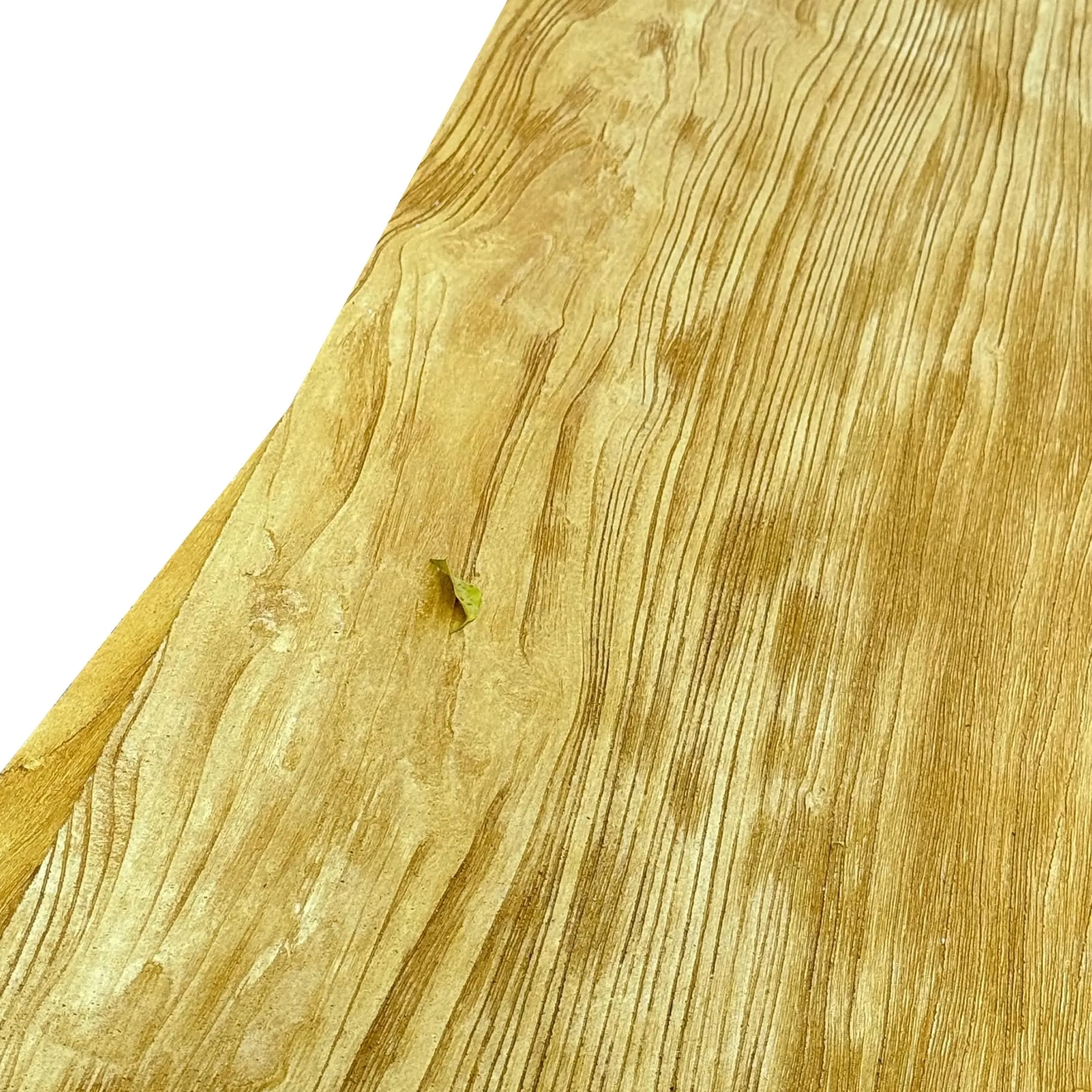
As sustainability and design innovation take center stage, MCM materials like wood grain board are only going to get better. We're already seeing trends toward more eco-friendly resins, even more realistic textures (think 3D-printed grain patterns that mimic the feel of hand-hewn wood), and customizable colors that push beyond traditional wood tones—soft pastels, deep jewel tones, or even metallic accents inspired by lunar peak golden or foamed aluminium alloy board (gold) . There's also talk of integrating smart technology, like panels with built-in LED lighting or thermal insulation, turning decorative surfaces into functional ones.
Another exciting direction? 3D printing series within the MCM family. Imagine designing a custom wood grain pattern for your home—maybe a family crest hidden in the grain, or a pattern inspired by your favorite travel destination. With 3D printing, that level of personalization could become mainstream, making wood grain board not just a material, but a storytelling tool.
At the end of the day, design is about balance—beauty and function, tradition and innovation, comfort and durability. Wood grain board checks all those boxes. It's a love letter to the warmth of wood, reimagined for the way we live now. Whether you're renovating a tiny apartment, designing a restaurant, or building your dream home, it's a material that adapts to your vision, not the other way around. So the next time you're scrolling through interior design inspo, pausing at that perfect wood-accented room, remember: you don't have to sacrifice practicality for beauty. With wood grain board, you can have both—and then some.
Recommend Products












