
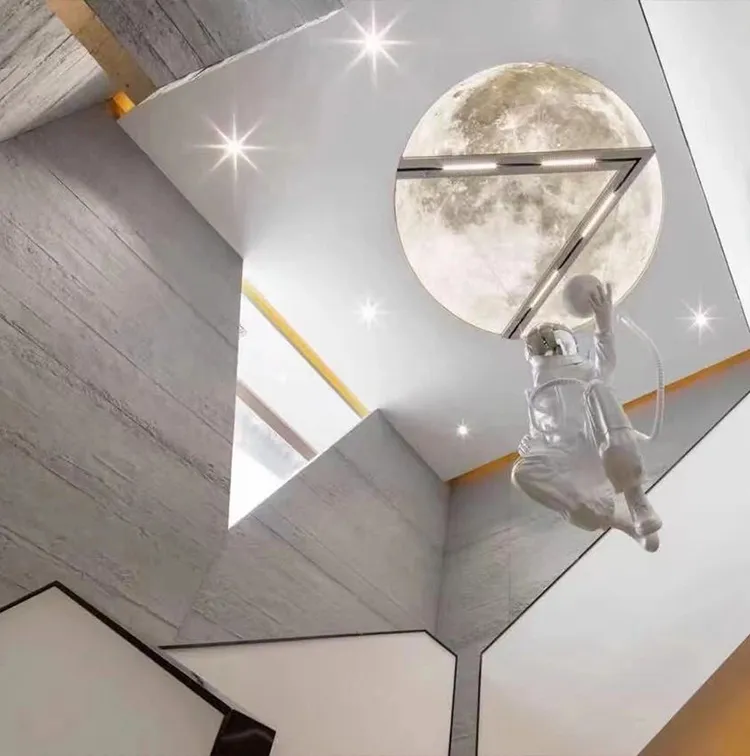
Wood texture cement boards have emerged as a revolutionary building material that combines the timeless beauty of natural wood with the exceptional durability of cement-based composites. These innovative panels are transforming modern architecture by offering architects and builders a practical solution that delivers authentic wood aesthetics without the maintenance challenges associated with traditional timber cladding.
Wood texture cement boards, also known as wood grain fiber cement panels, are manufactured through an advanced process that combines cement, cellulose fibers, quartz sand, and carefully selected mineral additives. The resulting material undergoes high-pressure pressing and steam curing to create a dense, robust panel that exhibits superior structural integrity compared to conventional building materials.
The distinctive wood grain texture is achieved through precision embossing technology that replicates the natural patterns found in cedar, oak, and other premium wood species. This manufacturing process creates panels that not only capture the visual appeal of natural timber but also maintain consistent quality and performance characteristics across all production batches.
One of the primary benefits of wood texture cement boards is their exceptional resistance to environmental factors. Unlike natural wood, these panels do not warp, rot, or crack when exposed to moisture, humidity, or temperature fluctuations. This dimensional stability ensures that exterior facades maintain their aesthetic appeal and structural performance throughout seasonal changes and varying weather conditions.
Fire resistance represents another significant advantage. Wood grain board products typically achieve Class A fire ratings, providing crucial protection for both residential and commercial structures. This fire safety performance exceeds that of many alternative cladding materials, making these panels particularly suitable for buildings where fire safety regulations are stringent.
The material composition of wood texture cement boards makes them inherently resistant to insect damage, particularly termites and other wood-boring pests that can compromise traditional timber structures. This resistance eliminates the need for chemical treatments and ongoing pest control measures, reducing both maintenance costs and environmental impact.
Wood texture cement boards find extensive application in both exterior and interior construction projects. For exterior facades, these panels create stunning visual statements while providing long-lasting protection against the elements. The material's versatility allows for various installation patterns, including horizontal lap siding, vertical board-and-batten arrangements, and contemporary geometric configurations.
In interior applications, concrete board products with wood grain textures serve as decorative wall panels that add warmth and character to residential and commercial spaces. The lightweight nature of these panels, combined with their ease of installation, makes them ideal for renovation projects where traditional masonry or heavy timber elements would be impractical.
Commercial buildings benefit significantly from the combination of aesthetic appeal and practical performance. Hotels, restaurants, retail spaces, and office buildings can achieve sophisticated design outcomes while minimizing long-term maintenance requirements. The material's acoustic properties also contribute to improved interior environments by reducing noise transmission.
Modern wood texture cement boards are available in various thicknesses ranging from 6mm to 12mm, with dimensions tailored to specific project requirements. The boards typically feature density ratings between 1.2 and 1.5 grams per cubic centimeter, providing optimal strength-to-weight ratios that facilitate easier handling and installation compared to solid wood or stone alternatives.
Thermal performance represents another advantage, as these panels contribute to building energy efficiency through their insulating properties. When installed with proper ventilation gaps and thermal breaks, wood texture cement boards help regulate interior temperatures, reducing heating and cooling loads throughout the year.
Water absorption rates for quality wood texture cement boards typically remain below 20 percent, ensuring dimensional stability even in humid environments. This low moisture uptake prevents the swelling, shrinking, and warping that commonly affect natural wood products exposed to weather cycles.
Proper installation is essential for maximizing the performance and longevity of wood texture cement boards. Installers should ensure that the substrate is flat, stable, and properly prepared with appropriate waterproofing membranes and ventilation layers. Adequate airflow behind the panels prevents moisture accumulation and promotes long-term structural integrity.
Joint spacing requires careful attention during installation. Panels expand and contract minimally with temperature changes, so installers should maintain appropriate gap dimensions based on manufacturer recommendations and local climate conditions. Proper flashing and sealant application at joints and penetrations prevents water infiltration and ensures weathertight performance.
Fastening methods vary depending on aesthetic preferences and structural requirements. Concealed clip systems create clean, uninterrupted surfaces but demand precise installation techniques. Exposed fasteners with color-matched heads offer a more straightforward installation approach while maintaining visual harmony with the panel design.
One of the most compelling advantages of wood texture cement boards is their minimal maintenance requirements. Unlike natural wood siding that requires regular painting, staining, and sealing, cement-based panels typically need only periodic cleaning to remove dust, pollen, and atmospheric deposits. This low-maintenance characteristic significantly reduces lifecycle costs and frees property owners from ongoing maintenance obligations.
Annual inspections help identify any minor issues before they develop into significant concerns. Check for damaged sealant at joints, ensure proper drainage around the foundation, and verify that panels remain securely fastened. Address any chips or scratches promptly with appropriate touch-up materials to maintain the protective coating integrity.
In environments with high pollution levels or coastal salt exposure, more frequent cleaning may be beneficial. A gentle wash with mild detergent and soft-bristled brush removes accumulated contaminants without damaging the surface. Avoid abrasive cleaners or high-pressure washing that could compromise the textured finish or protective coatings.
Wood texture cement boards offer environmental benefits throughout their lifecycle. The manufacturing process utilizes sustainable raw materials including recycled cellulose fibers and abundant natural minerals. The extended service life of these panels, often exceeding 25 to 30 years with proper installation, reduces the environmental impact associated with frequent material replacement.
Unlike natural wood harvesting that can contribute to deforestation concerns, cement-based panels provide an alternative that preserves forest resources while delivering authentic wood aesthetics. At the end of their service life, many wood texture cement boards can be recycled or repurposed, minimizing landfill waste and supporting circular economy principles.
The thermal performance of these panels also contributes to building energy efficiency. By improving insulation values and reducing thermal bridging, wood texture cement boards help decrease heating and cooling energy consumption, supporting broader sustainability goals and potentially contributing to green building certification programs.
Selecting high-quality wood texture cement boards from reputable manufacturers ensures optimal performance and longevity. Look for products that carry relevant quality certifications and have undergone rigorous testing for fire resistance, water absorption, and structural integrity. Established suppliers provide detailed technical documentation and installation guidelines that support successful project outcomes.
Consider the specific requirements of your project when selecting panel specifications. Factors such as climate conditions, building height, exposure orientation, and architectural design intent all influence the optimal choice of thickness, finish, and installation system. Consulting with material specialists and reviewing case studies of similar applications helps inform appropriate selection decisions.
Reputable manufacturers like COLORIA GROUP offer comprehensive product lines including specialized series for different applications. Their MCM (Modified Clay Materials) technology provides flexible building materials that combine the aesthetic appeal of natural materials with superior performance characteristics. These advanced products represent the evolution of traditional cement board technology, offering enhanced flexibility and design possibilities for modern construction projects.
Wood texture cement boards represent a sophisticated solution for architects, builders, and property owners seeking the aesthetic warmth of natural wood without the associated maintenance burdens. Through advanced manufacturing processes that combine cement, fibers, and mineral components, these panels deliver exceptional durability, fire resistance, and dimensional stability while maintaining the visual appeal that makes wood such a beloved building material.
As building codes become more stringent regarding fire safety and environmental performance, and as property owners increasingly prioritize low-maintenance building solutions, wood texture cement boards continue to gain prominence in both residential and commercial construction. The combination of proven performance, design versatility, and sustainable attributes positions these materials as essential components of modern architectural practice.
Whether for new construction or renovation projects, wood texture cement boards offer a compelling value proposition that balances aesthetic excellence with practical performance. By selecting quality products from established manufacturers and ensuring proper installation, project stakeholders can achieve stunning visual results that will endure for decades with minimal maintenance requirements.
Recommend Products












