
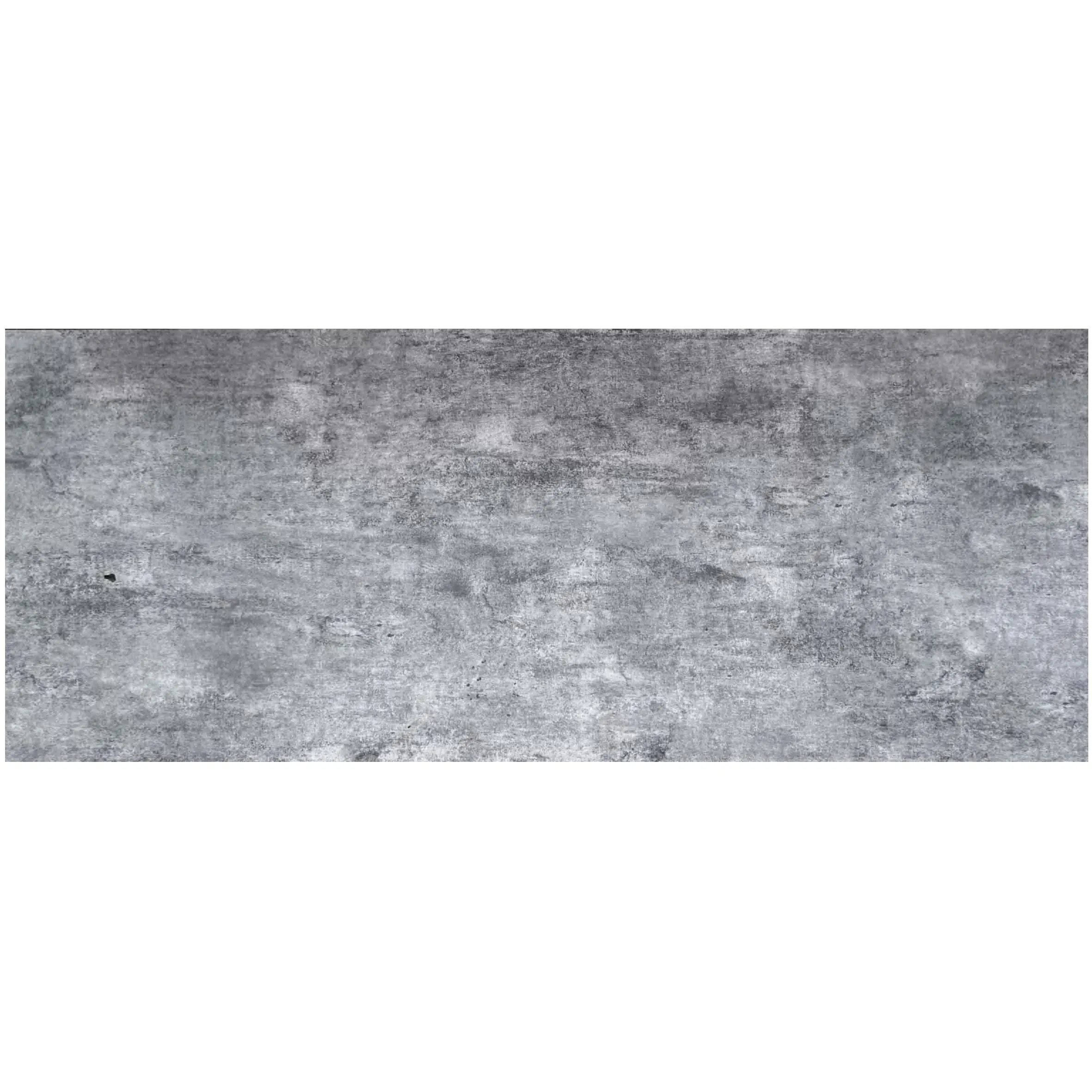
Saudi Arabia's landscape is a study in extremes: scorching summer days where temperatures routinely climb above 45°C, relentless UV radiation that fades even the boldest colors, and sandstorms that blast surfaces with grit like tiny bullets. For architects, builders, and homeowners here, choosing the right building material isn't just about aesthetics—it's about survival. Traditional options like natural stone or standard concrete often crack under thermal stress, fade within years, or demand constant maintenance to withstand the elements. Enter COLORIA's MCM Polish Concrete: a material engineered not just to endure Saudi Arabia's harsh climate, but to thrive in it. Let's dive into why this innovative solution is becoming the go-to choice for projects from Riyadh's bustling commercial districts to Jeddah's coastal villas.
Walk outside in Riyadh at noon in July, and the ground feels hot enough to fry an egg. Traditional building materials absorb this heat like a sponge, turning exteriors into radiators that pump warmth into interiors—driving up AC costs and making spaces uncomfortable. COLORIA's MCM Polish Concrete, however, flips the script. Thanks to its unique modified composite material (MCM) core, it's designed to reflect sunlight rather than absorb it. Think of it as a built-in sunshade for your building's skin.
But it's not just about reflection. The material's low thermal conductivity means even on the hottest days, the heat doesn't penetrate through to the inside. A recent project in Riyadh's King Abdullah Financial District illustrates this perfectly: a 10-story office building clad in MCM Polish Concrete reported a 23% reduction in cooling costs compared to an adjacent structure using traditional concrete. Employees inside? They no longer dread the afternoon sun turning their offices into saunas. For homeowners in Dammam or Al Khobar, this translates to lower electricity bills and a more comfortable living environment—even when the mercury hits 50°C.
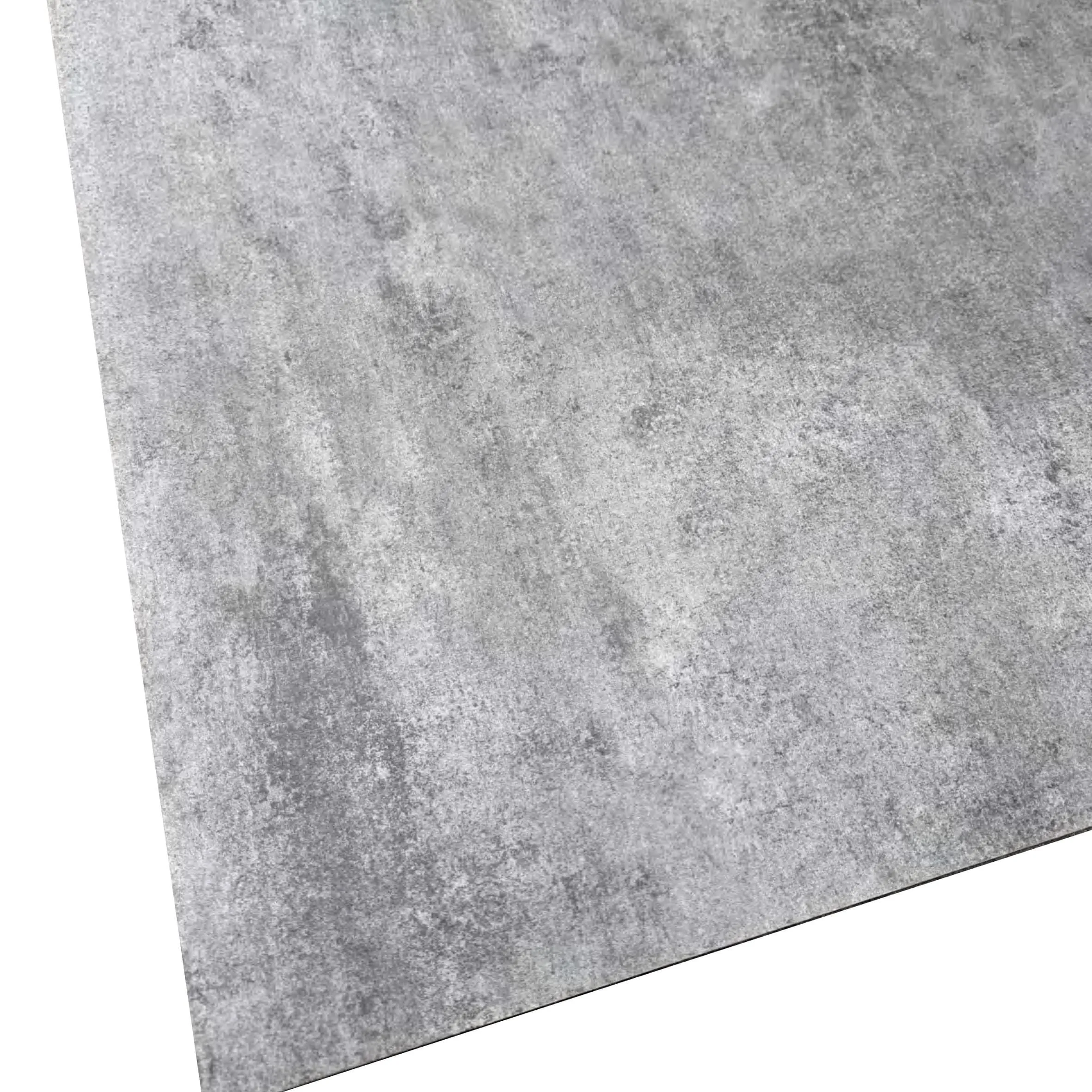
Saudi Arabia's sandstorms are legendary. When the wind picks up, it hurls tiny grains of sand at speeds up to 60 km/h, scouring surfaces and leaving traditional materials looking worn and weathered within months. Natural stone, like the popular travertine (beige) , is particularly vulnerable—its porous surface traps sand, which acts like sandpaper every time the wind blows. But COLORIA's MCM Polish Concrete? It's built with mcm flexible stone technology, a blend of high-strength polymers and mineral aggregates that creates a dense, scratch-resistant surface.
Imagine a villa in Riyadh after a particularly fierce sandstorm. While the neighbor's natural stone facade is dotted with micro-scratches and dull spots, the MCM Polish Concrete exterior still shines. Why? The material's flexibility allows it to absorb minor impacts without cracking, while its non-porous finish repels sand and dust. A quick rinse with a hose, and it's back to looking brand new. For businesses in high-traffic areas like Jeddah's Corniche, this durability means fewer touch-ups and a consistently polished appearance—even in the face of nature's gritty wrath.
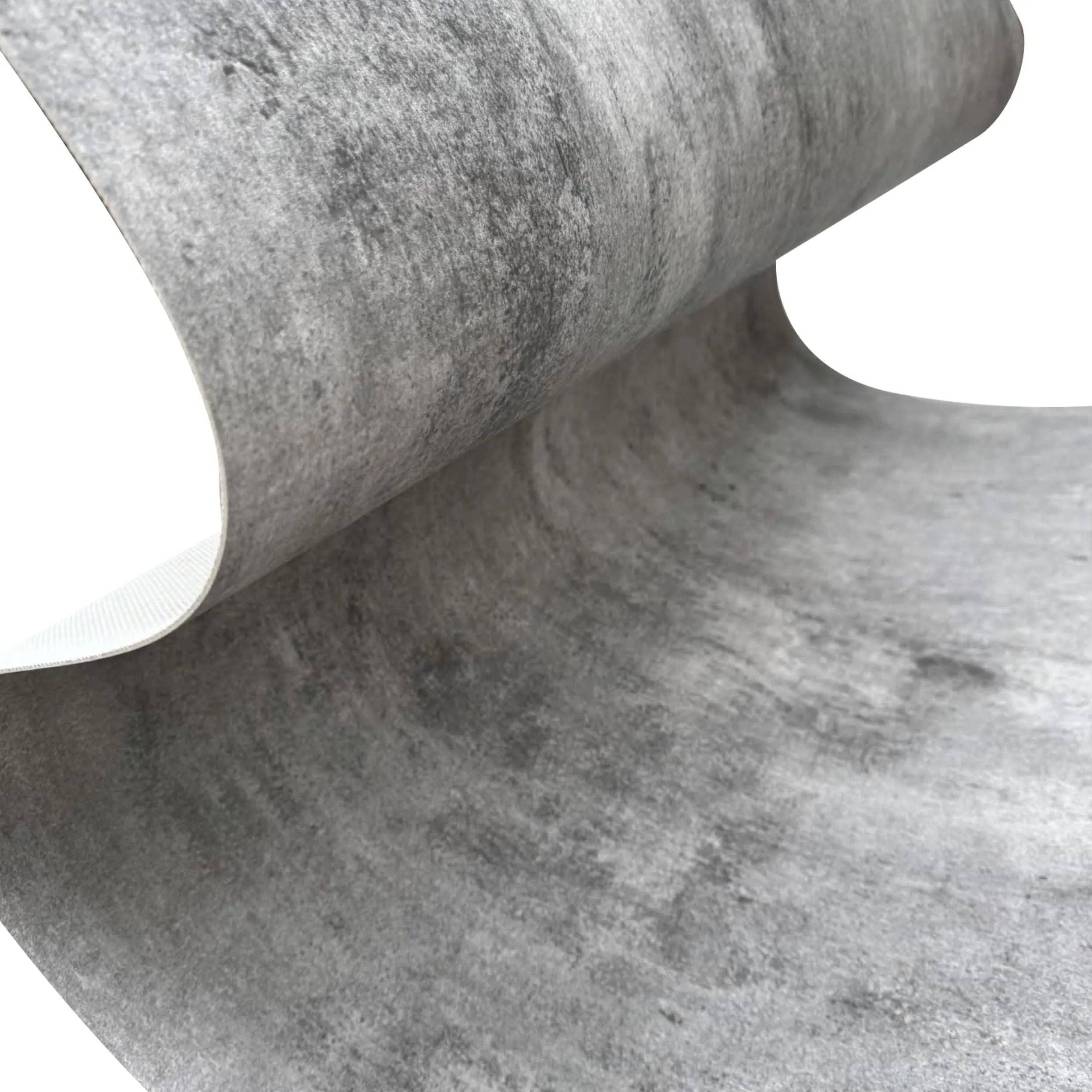
In Saudi Arabia, labor and maintenance costs add up fast. Traditional materials often demand constant attention: natural stone needs sealing every 6–12 months to prevent staining, standard concrete cracks and requires patching, and even fair-faced concrete —loved for its industrial chic—can develop unsightly hairline fractures under thermal stress. COLORIA's MCM Polish Concrete, by contrast, is a low-maintenance dream.
Its non-porous surface resists stains from oil, dirt, or even the occasional sandstorm residue. Unlike travertine (beige) , which soaks up spills and requires specialized cleaners, MCM Polish Concrete can be cleaned with nothing more than soap and water. A property manager in Riyadh's Diplomatic Quarter put it best: "We used to spend 10,000 SAR a year sealing and cleaning our old travertine facade. With MCM Polish Concrete? We hose it down once a month, and that's it. The savings alone justified the switch."
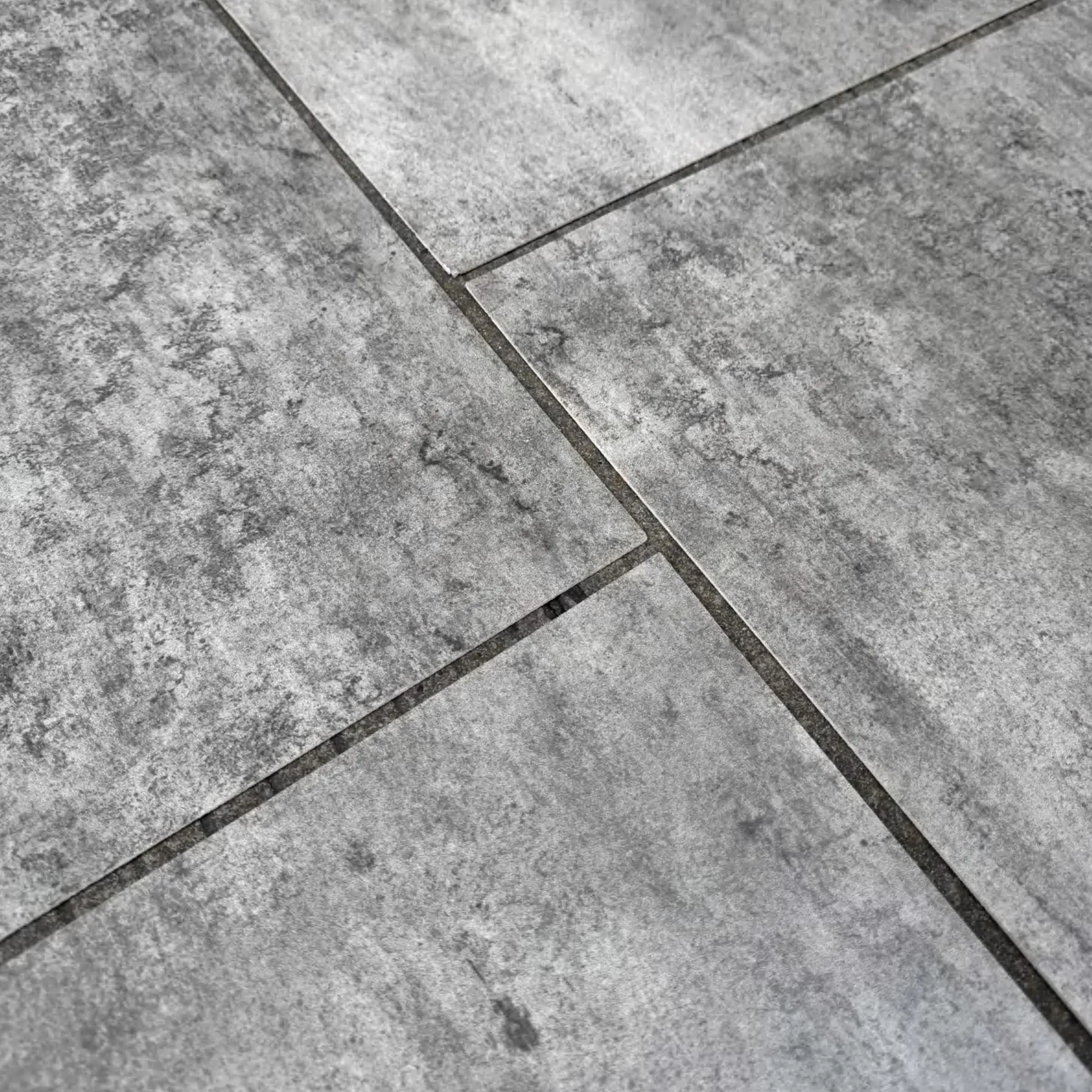
Saudi architecture is a rich tapestry of styles—from the sleek, futuristic lines of Riyadh's skyscrapers to the warm, earthy tones of traditional Najdi mud-brick homes. COLORIA gets this, which is why MCM Polish Concrete isn't just durable—it's versatile. Whether you're aiming for the raw, minimalist look of fair-faced concrete or the warm, organic vibe of travertine (beige) , MCM Polish Concrete delivers.
Take the example of a boutique hotel in Al Ula, where architects wanted to honor the region's heritage while keeping the building cool. They chose MCM Polish Concrete in a warm beige finish that mimics the desert's natural hues, paired with subtle texture to evoke traditional stone masonry. The result? A building that looks like it's been part of the landscape for centuries, but with the modern durability to withstand Al Ula's extreme temperature swings. In Jeddah, a luxury villa opted for a sleek, polished black finish—proof that MCM Polish Concrete can go from rustic to contemporary with ease.
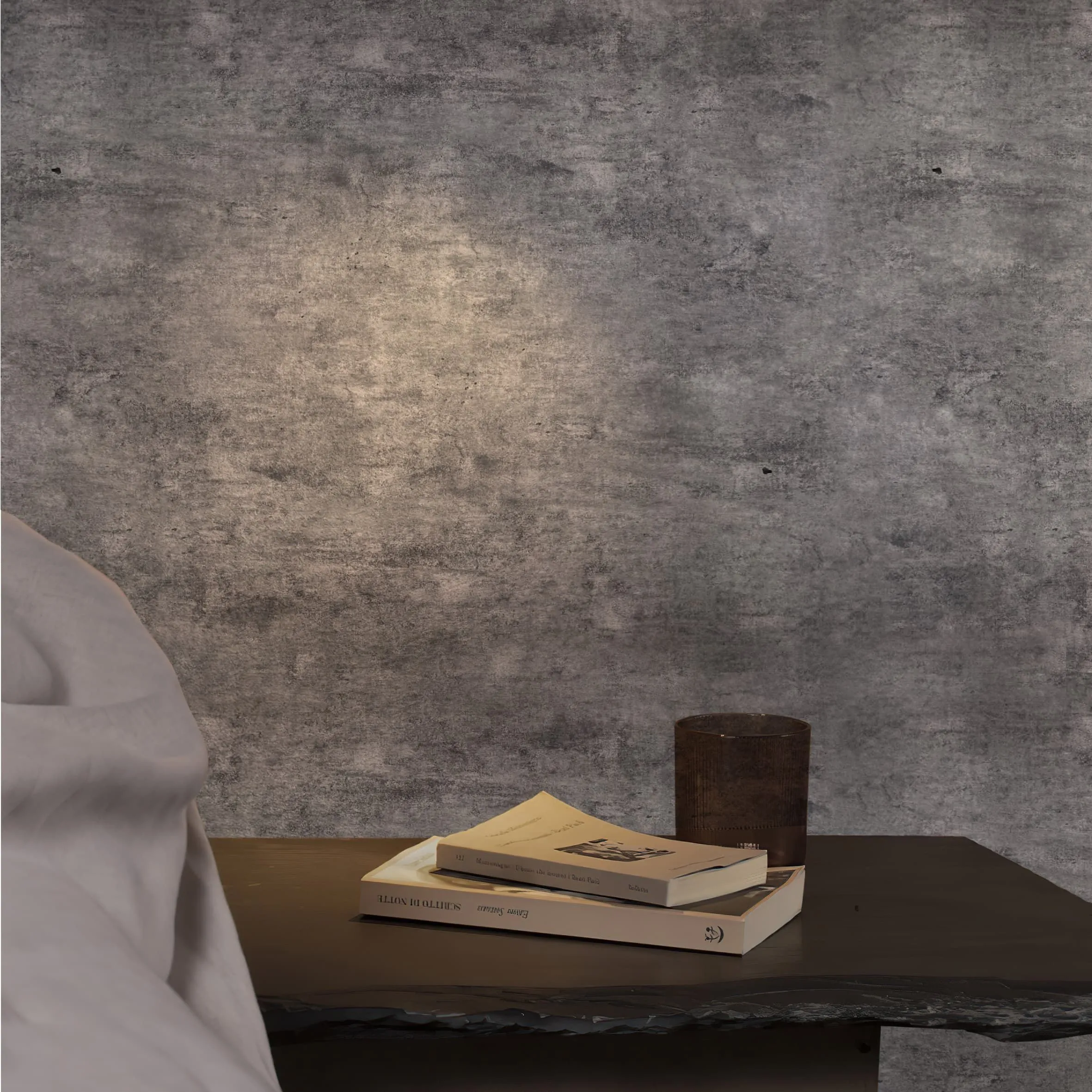
Still on the fence? Let's break down how COLORIA's MCM Polish Concrete stacks up against traditional materials in Saudi Arabia's climate:
| Material | Thermal Conductivity (Heat Resistance) | Abrasion Resistance (Sandstorm Proof) | Annual Maintenance Cost (Estimated) | Installation Weight (kg/m²) |
|---|---|---|---|---|
| Traditional Concrete | High (absorbs heat, increases cooling costs) | Low (cracks and scratches easily) | 800–1,200 SAR | 22–25 |
| Natural Travertine (Beige) | Medium (moderate heat absorption) | Low (porous, traps sand and stains) | 1,500–2,000 SAR (sealing + cleaning) | 28–32 |
| COLORIA MCM Polish Concrete | Low (reflects heat, reduces cooling costs) | High (scratch-resistant, non-porous) | 100–300 SAR (occasional rinsing) | 8–10 (lightweight!) |
The difference is clear: MCM Polish Concrete isn't just another building material—it's a smarter investment. Its lightweight design (up to 70% lighter than natural stone) also makes installation faster and safer, reducing labor costs and construction time. For high-rise projects in Riyadh, that means getting buildings occupancy-ready sooner.
Saudi Arabia's Vision 2030 isn't just about economic growth—it's about building a more sustainable future. COLORIA's MCM Polish Concrete aligns perfectly with this goal. Its lightweight composition reduces transportation emissions, and its energy-efficient thermal properties lower reliance on air conditioning, cutting carbon footprints. Plus, the material is made with recycled aggregates, making it a greener choice than resource-heavy natural stone.
A recent school project in Riyadh's Rawdah district chose MCM Polish Concrete for its classrooms and playgrounds. Not only did the material's heat resistance keep interiors cool (reducing AC use by 18%), but its durability meant the school wouldn't need to replace worn surfaces for decades. It's a small example of how sustainable choices in construction can have a big impact—for both budgets and the planet.
In Saudi Arabia, building materials don't just need to look good—they need to understand the climate. COLORIA's MCM Polish Concrete does exactly that. It's heat-resistant for the scorching summers, durable enough to laugh off sandstorms, low-maintenance for busy owners, and versatile enough to fit any design vision. Whether you're building a commercial complex in Riyadh, a coastal home in Jeddah, or a community center in Mecca, it's a material that works with the climate, not against it.
So, the next time you pass a building in Saudi Arabia that still looks fresh and vibrant years after construction, take a closer look—it might just be COLORIA's MCM Polish Concrete. In a land of extremes, it's the steady, reliable choice that's redefining what's possible in architecture.
Recommend Products












